Whiteley Creek Homestead

LIFE AT THE END OF A DIRT ROAD IN CENTRAL MINNESOTA

organically grown triticale in our field
canoeing in our wetlands
raspberries growing wild on our property
our back porch fieldstone fireplace
  • It happened sometime Saturday, June 9. A milestone. Phoebe laid our flock's first egg… on the ground outside the chicken coop. We placed the egg in one of the coop's fourteen, straw-lined nesting boxes to show Phoebe, as well as the remaining five hens in our flock, the proper location to plop their eggs. Human intervention proved unnecessary, as our hens' innate nest making ability kicked in. Today, I discovered three eggs in a perfectly formed nest hollowed out atop a bale of straw leaning against the coop's interior wall. Apparently, we have hens that politely, patiently wait their turn.        

    Straw bale nest


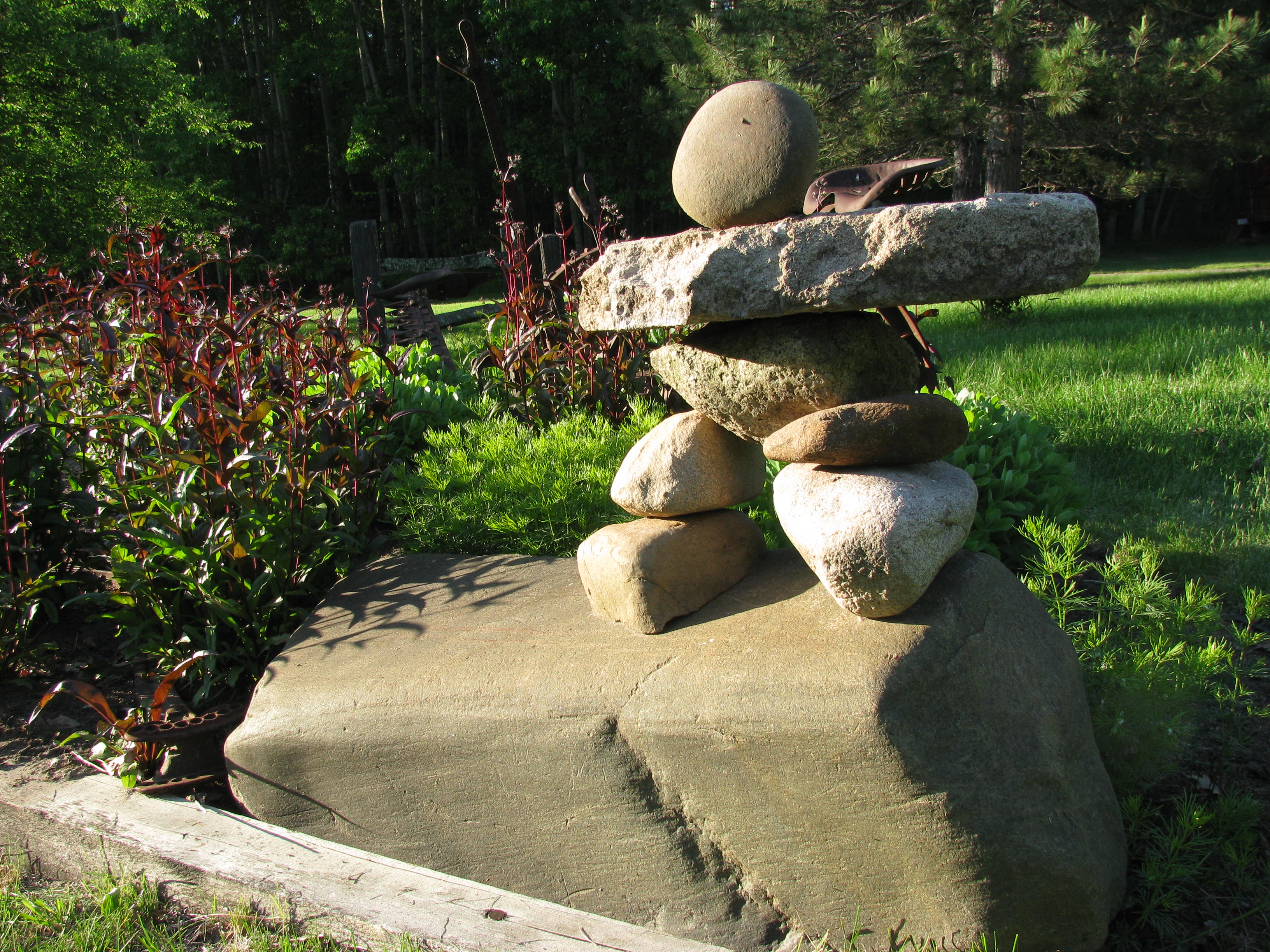
  • I returned home from running errands today to find Dick putting the finishing touches on an inukshuk he built for me as a surprise… as a remembrance of our recent journey across Ontario.

    Inukshuk

    What is an inukshuk, you say? Inukshuk, which is also spelled inuksuk, is the singular form of inuksuit and means "in the likeness of a human" in the Inuit language. We were first introduced to these rock sculptures as we recently travelled across the Canadian province of Ontario. Initially, we thought they were just a pile of rocks. As we began to see one erected every mile or so, their shape became recognizable to us as that of a human form. Their purpose, however, was puzzling. It was two weeks later at the annual Living Green Expo in St. Paul where the inukshuk resurfaced. Don Shelby, a retired WCCO-TV evening news anchor, was a presenter at the expo. He described the construction of his green home. Of course, I was intrigued with the house's sustainability factor, but it was the rock person erected beside his house that got my attention. 

    Don shelby's inuksuk2

    At the conclusion of Mr. Shelby's presentation, I anxiously waited in line to ask him about his rock person. He explained that, in his younger days, he was in the service stationed in the Arctic where the stone figure called inukshuk was commonplace. He built one in his yard in remembrance of that time in his life. O.K., so I was first introduced to them in Ontario and now, strangely enough, they had resurfaced at the Living Green Expo. I have never seen one before and now it's two separate occasions within a two week timespan. Ah, yes, life is fun. But, I still yearned to satisfy my curiosity regarding their purpose. Online research provided the answer. The Arctic is barren… void of landmarks as a point of reference to aid one's sense of direction or location. Erected at intervals, an inukshuk with outstretched arms pointing in the direction one should travel, can be instrumental… crucial, really, in finding one's way to a destination and back home again. Dick's and my inukshuk stands ever so dutifully marking the way back to our home.


  • I do love laundry flapping in the breeze. A rope tied around two trees, a retractable line, or permanent wires stretched taut between poles. That part doesn't matter. It's the act of hanging out laundry to dry in the freshness of nature. (One of my go green postage stamps with a drawing of  a clothesline wisely advises us to "let nature do the work.") It's recreating an era before automatic dryers. It's the cozy feeling it elicits… like oven mitt-covered hands removing a rhubarb strawberry pie or a pan of oatmeal raisin cookies from the oven on a rainy day.   

    Copy of clothesline lilacs1

    Growing up, we didn't own a dryer. So, it was out of neccessity that we utilized a clothesline. I vividly remember the scent of lilacs as I hung laundry outside in the springtime, as a large bush grew at each end of the poles. When we installed our clothesline, I knew it must have lilac bushes… one at each end. 

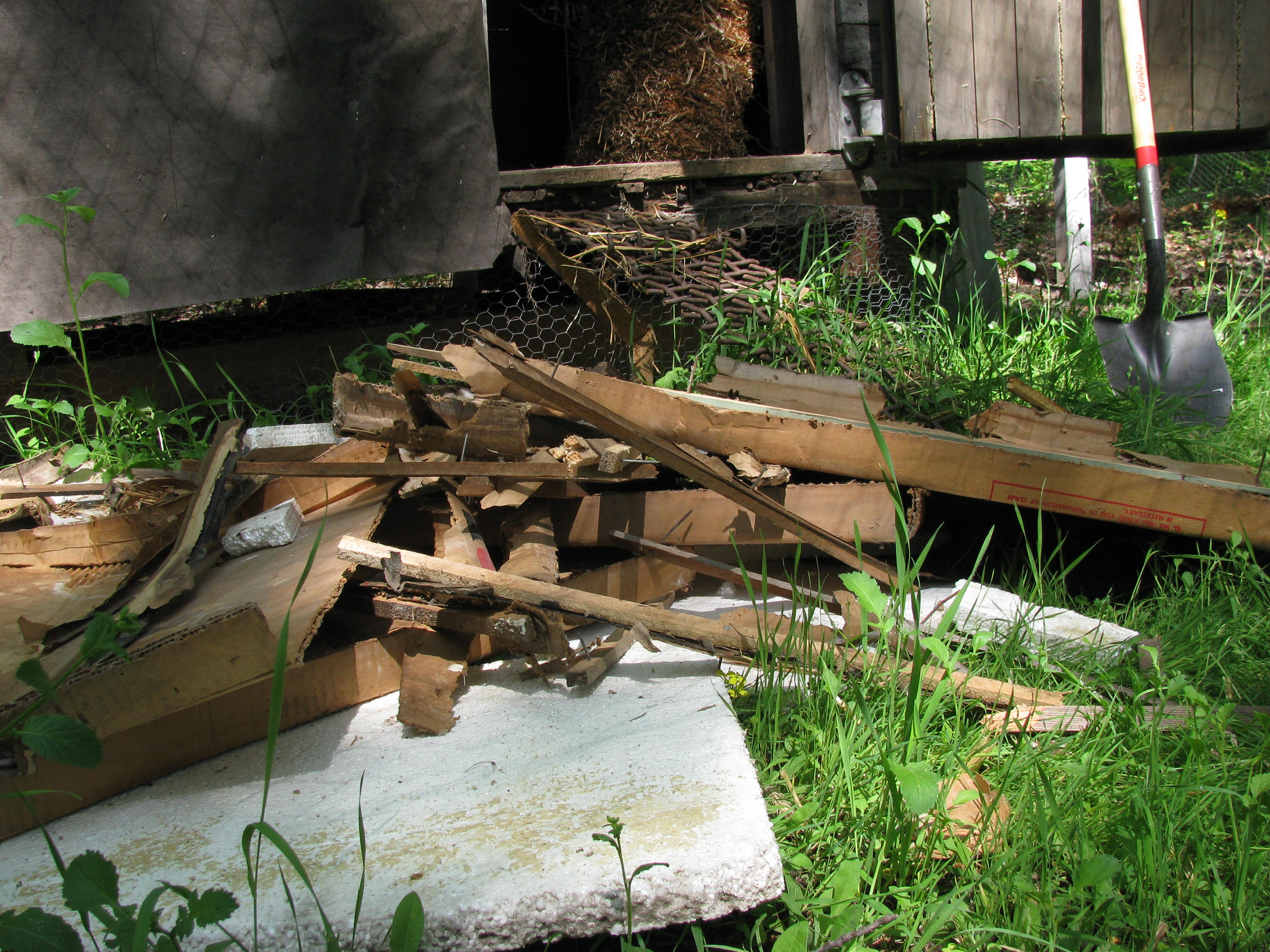
  • To prepare for the arrival of a flock of hens, that a local farmer raised from baby chicks for me, I loaded our shop vac and an extension cord into my wheelbarrow and headed to the chicken coop. Cobwebs daintily draped every corner. So very pretty glistening in the sun streaming through the windows, but they had to go. Since we don't house our hens over the winter, and trees shade the coop during the hot summer months, a few sporatic pieces of cardboard insulation hugging the coop's interior walls weren't necessary and they were in nasty condition. So, with chisel and hammer, I pried lathe loose that held the ragged cardboard insulation in place. Before I knew it, I had a huge pile of debris. Oops. I may have approached my task a wee bit aggressively.

    Chix coop debris

    The coop did look so much cleaner and apparently the boards that I had removed were not structurally crucial, as the coop hadn't toppled to the ground. To complete my cleanup, I inserted clean straw into each nesting box, spread pine shavings on the floor for bedding, filled containers with water, feed, grit and oyster shells, and opened a window to freshen the air. Oh, yes. I'm ready.

    Chicken coop cleaned

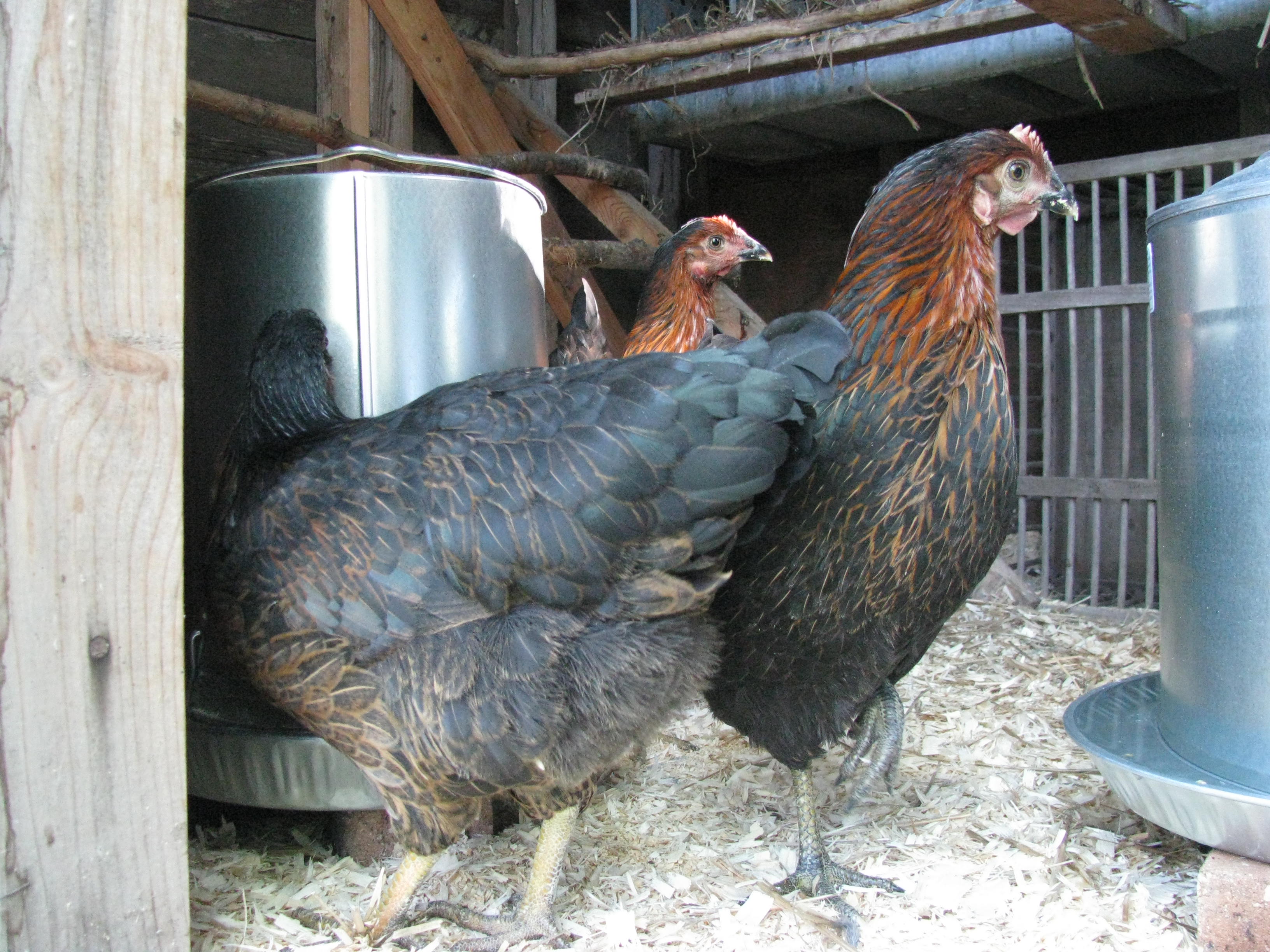
    And here they are. My six 18 week-old Black Star Hens. Pearl, Flossie, Olga, Phoebe, Cora, and Henny-Penny.

    Black star hens arrival

    A Black Star is a first-generation hybrid chicken bred from a Rhode Island Red Rooster and a Barred Rock Hen. They are bred to be superb egg layers that lay five to six large brown eggs each week beginning at 19 1/2 to 20 weeks old. The adult males (roosters) are black with white barring, while adult females (hens) have gold feathers on the neck and breast. Black Star Chicks of both sexes are black, but a white spot on the head distinguishes the males. Hybrids, such as Black Stars, are not recommended as breeding stock because the chicks will not retain the same characteristics in future generations. (It's like saving seeds from hybrid vs. heirloom plants. Seeds collected from heirlooms for replanting in successive years will produce plants true to their parentage. Hybrids do not. New seed must be purchased each year.) I have no rooster and don't intend to hatch chicks, so this breed is a good choice for me. The only problem I have with my hens being hybrids is that man has messed with nature. We do too much of that.
        

  • I plant seed potatoes on May 20th, my father's birthday. It's what I've done since I began to garden. Because as kids, May 20th was the marker that gauged when our parents began garden planting here in central Minnesota. Seedlings were not transplanted into the ground until after Memorial Day due to the risk of a late spring frost. Upon the death of my father in 2005, at the age of 94, my sister Rita and I have planted seed potatoes each spring on May 20th in honor and remembrance of him. Today, I prepared for tomorrow's potato planting. You were with me in my garden today, Dad. You guided my hands as I cut each potato, just as you did when I was a young child. You knelt beside me as I prepped the soil and marked the planting plot. You reminded me to lay the cut side of each potato gently into the earth so as not to sever any sprouts. Your back no longer caused you pain as you worked alongside. I chatted with you about some new methods I had learned in my gardening books. I was in no hurry to plant seed potatoes just to say I had completed the task. No, it was the time spent with you today that was important. What a sweet time it was. We didn't put a single potato into the ground. That is for tomorrow.
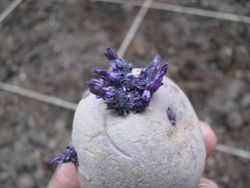
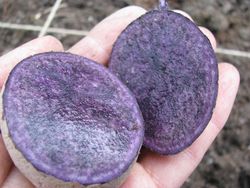
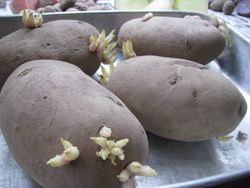
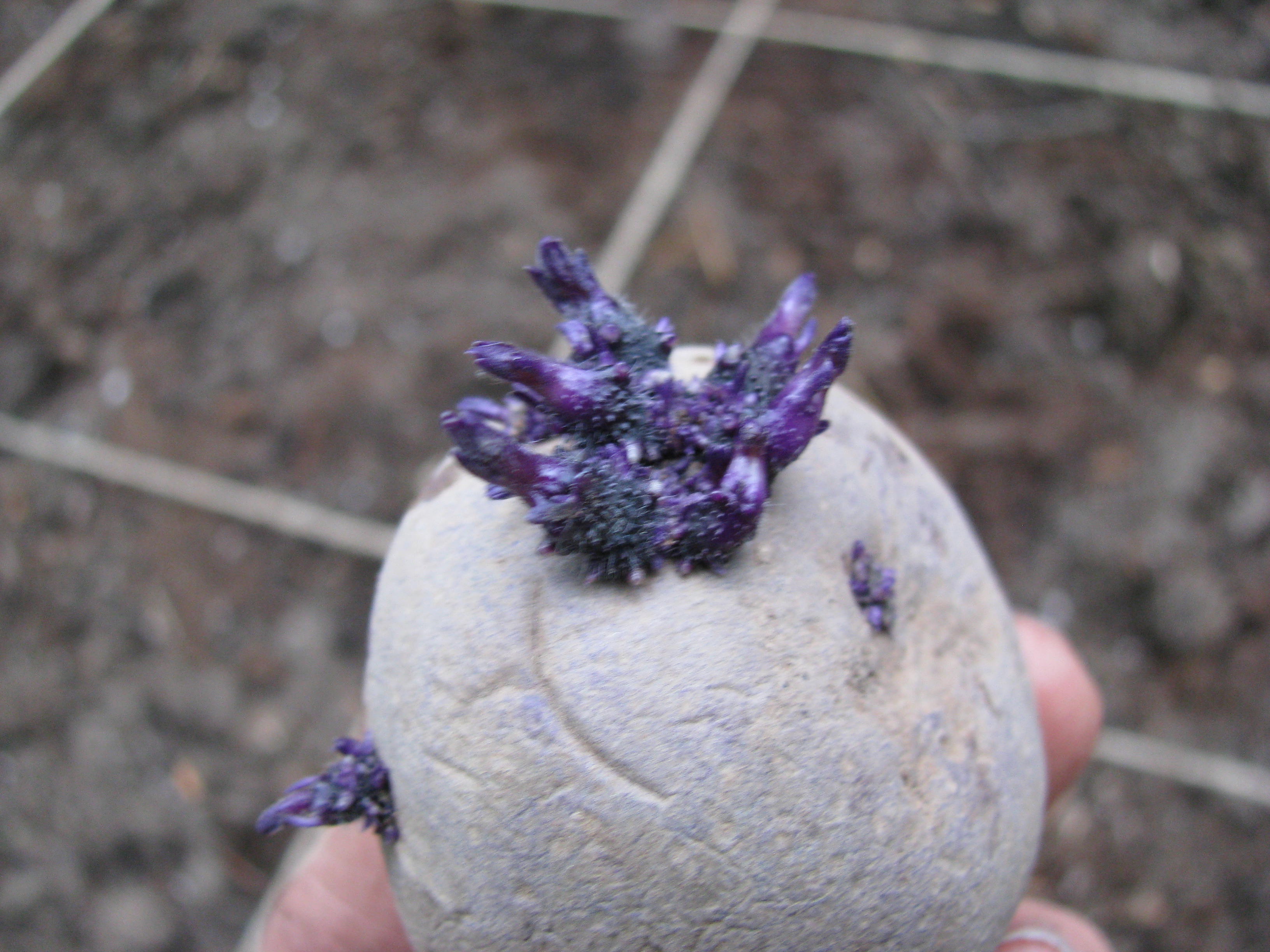
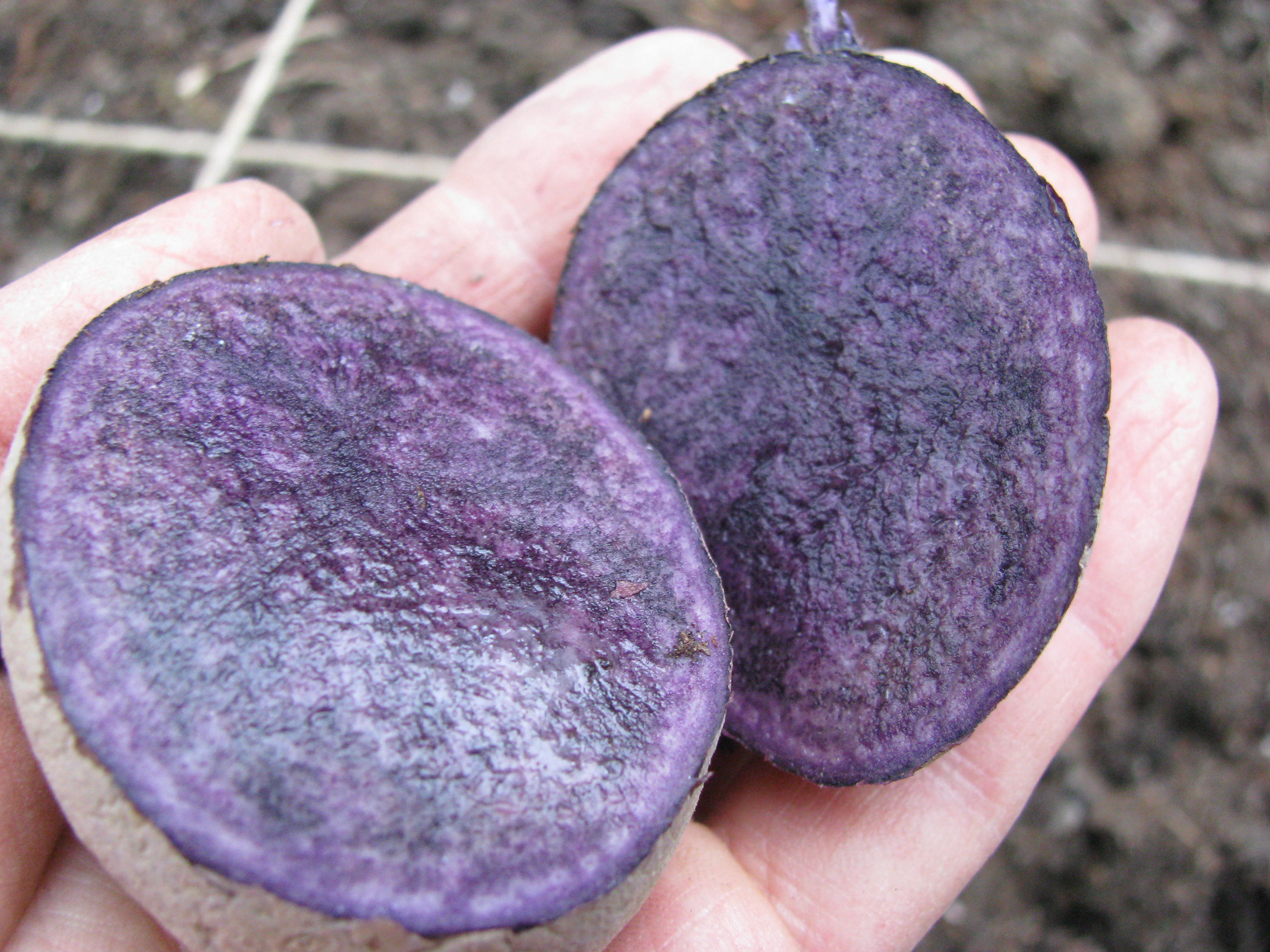
    Purple seed potato sproutsPurple seed potato cut

    Growing up, potato planting involved the entire family. It began with cutting potatoes, leftover from winter cellar storage, into chunks with 2 to 3 "eyes" in each piece. An eye is a bud where the stem will grow from. The natural blue pigment in these purple potatoes provides extremely high levels of anthocyanin, which has antioxidant and anti-inflammatory properties. Blueberries and blackberries are good sources of anthocyanins, too. 

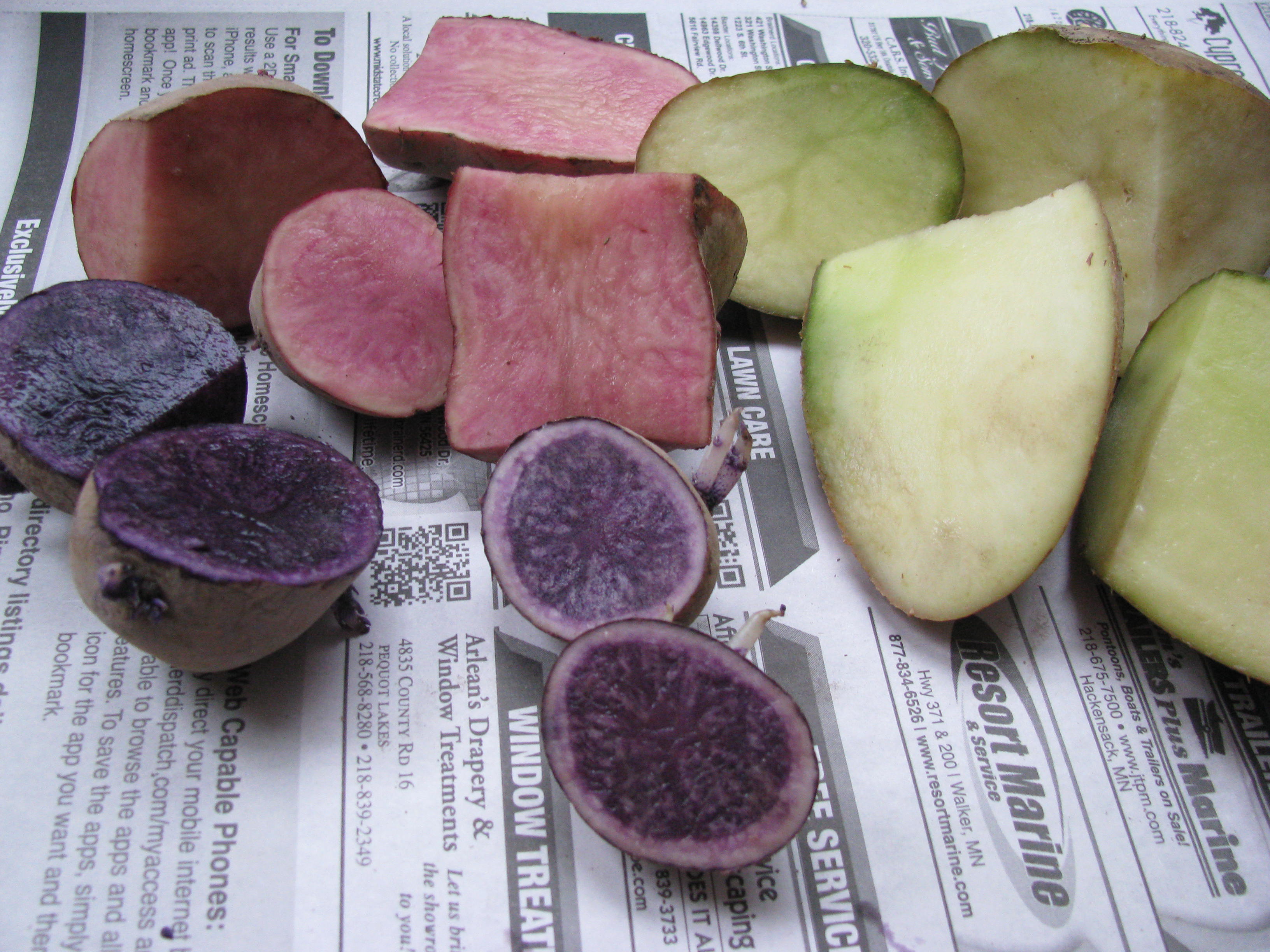
    Seed potatoes cutCal-white potatoes

    In addition to a purple variety, I also chose to plant red, white, and blue potatoes. Look at the size of the white seed potatoes that arrived in my mailbox! A special gift from my sister, Rita, is a "Bintje" Seed Potato that was developed in the Netherlands in 1905. I will make a special marker identifying its place in my garden.The potatoes have begun to sprout, so now I will allow my seed potato chunks to "cure" for a couple days before planting to allow the cut side to heal to lessen the risk of the potato rotting in the ground. According to Ithaca, New York's Cornell University web site, curing isn't necessary if soil is well-drained, has plenty of oxygen, and soil temperatures are between 50 and 65 F as these conditions promote rapid healing in the ground. In my case, curing isn't essential because… 1)My soil isn't clay so it doesn't hold excessive water. 2)A week ago, I spread well-decomposed compost and cow manure onto the soil then turned it into the ground with a spade to aerate the soil. Incorporating compost or manure loosens the soil better and lasts longer than turning just the soil. 3)My soil's temp is 68 F.  
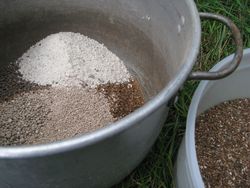
    Complete organic fertilizerSquare foot markings

    To amend the soil, I made Complete Organic Fertilizer (COF) following the recipe in Steve Solomon's Gardening When it Counts. The fertilizing mix, which is made entirely of natural substances, supplies the plant's requirements for nutrients and boosts the nutritional value of the garden vegetables that I harvest. I combined 4 parts seedmeal, 1/4 part agricultural lime, 1/4 part gypsum, 1/2 part dolomite lime, and 1 part bonemeal and spread it on my garden's soil at a ratio of 4 to 6 quarts of COF for each 100 square feet of raised bed. For easy measuring, I used a one-gallon (4-quart) ice cream bucket. Solomon stated that, "Complete decomposition of COF takes about two months in warm soil during which time nutrients are slowly and steadily being released." He suggests side-dressing seedlings with COF a few weeks after they poke through the soil, or when they are transplanted into the garden, then repeatedly side-dressing the plants every 3 to 4 weeks throughout the growing season. I highly recommend adding the books, Gardening When it Counts and Square Foot Gardening, to your gardening resource library.

    Finally, I pounded nails at one foot intervals into the wooden frames housing my raised beds and stretched twine across the length securing it to the nails. This formed my garden layout as described in Mel Bartholomew's Square Foot Gardening. My son-in-law, Patrick, notched his wooden frames at one-foot intervals instead of using nails. I envision a more efficient removal of the string markings than my method. I will plant one seed potato chunk into each one foot square. Tomorrow.  


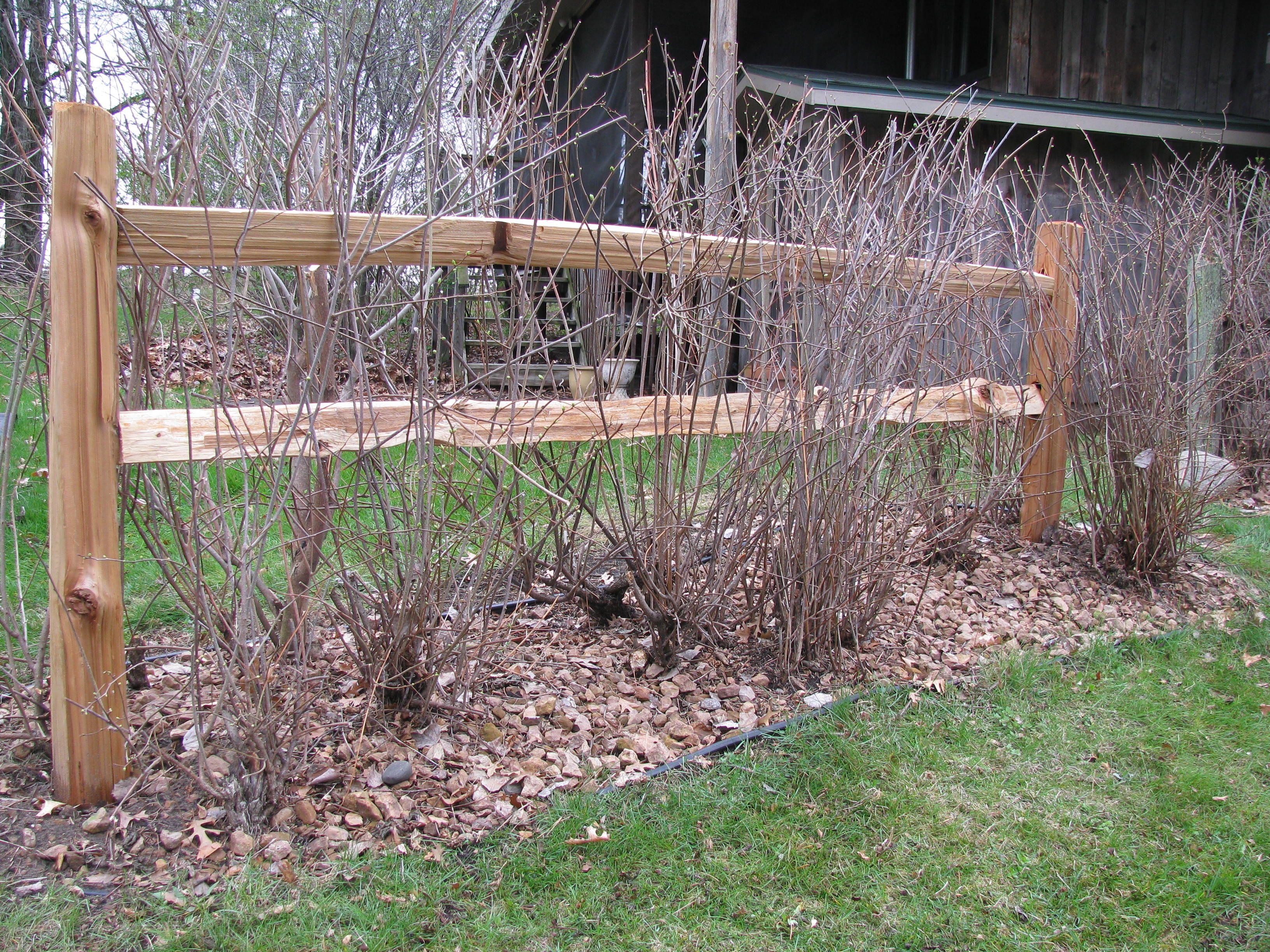
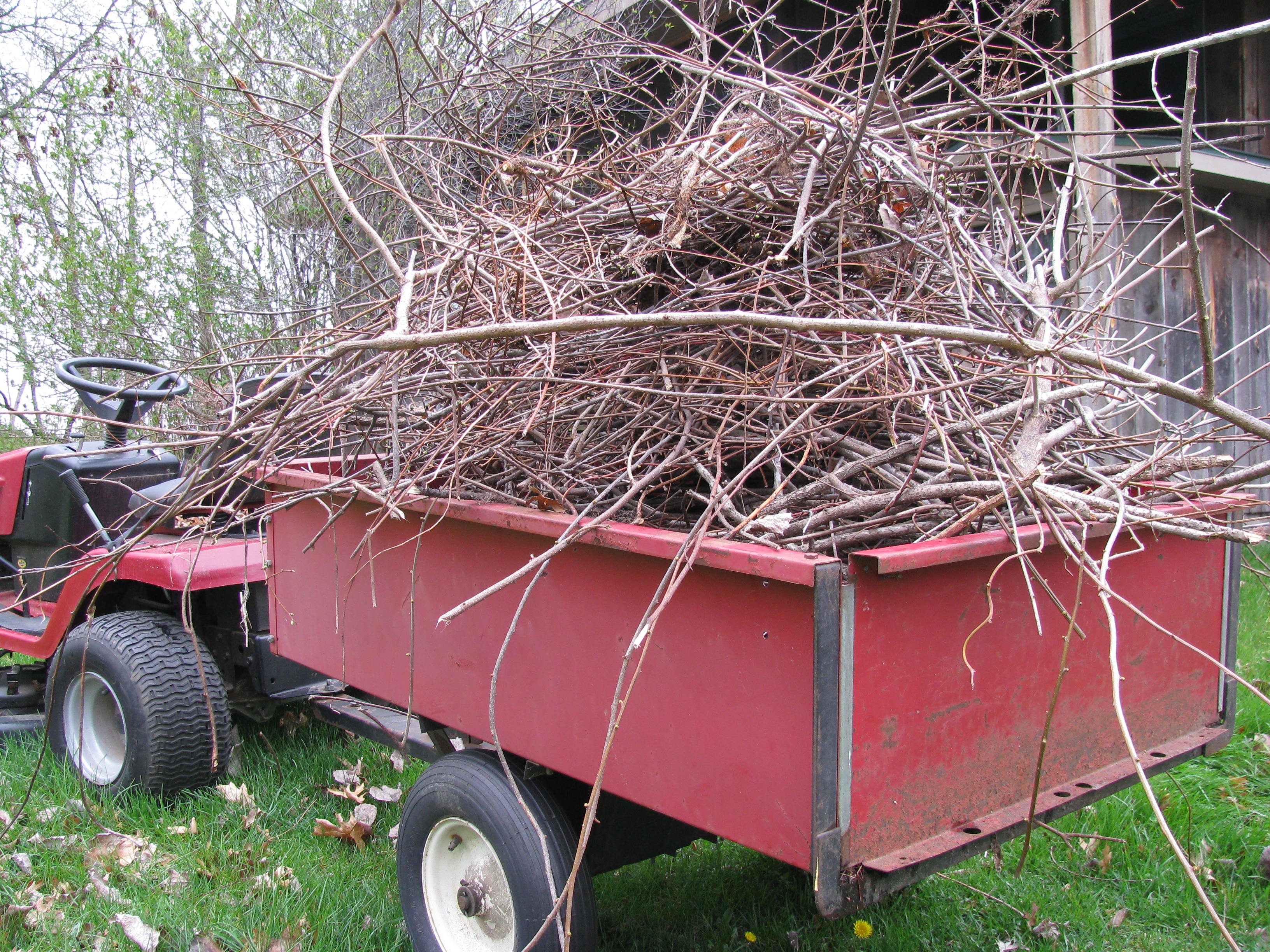
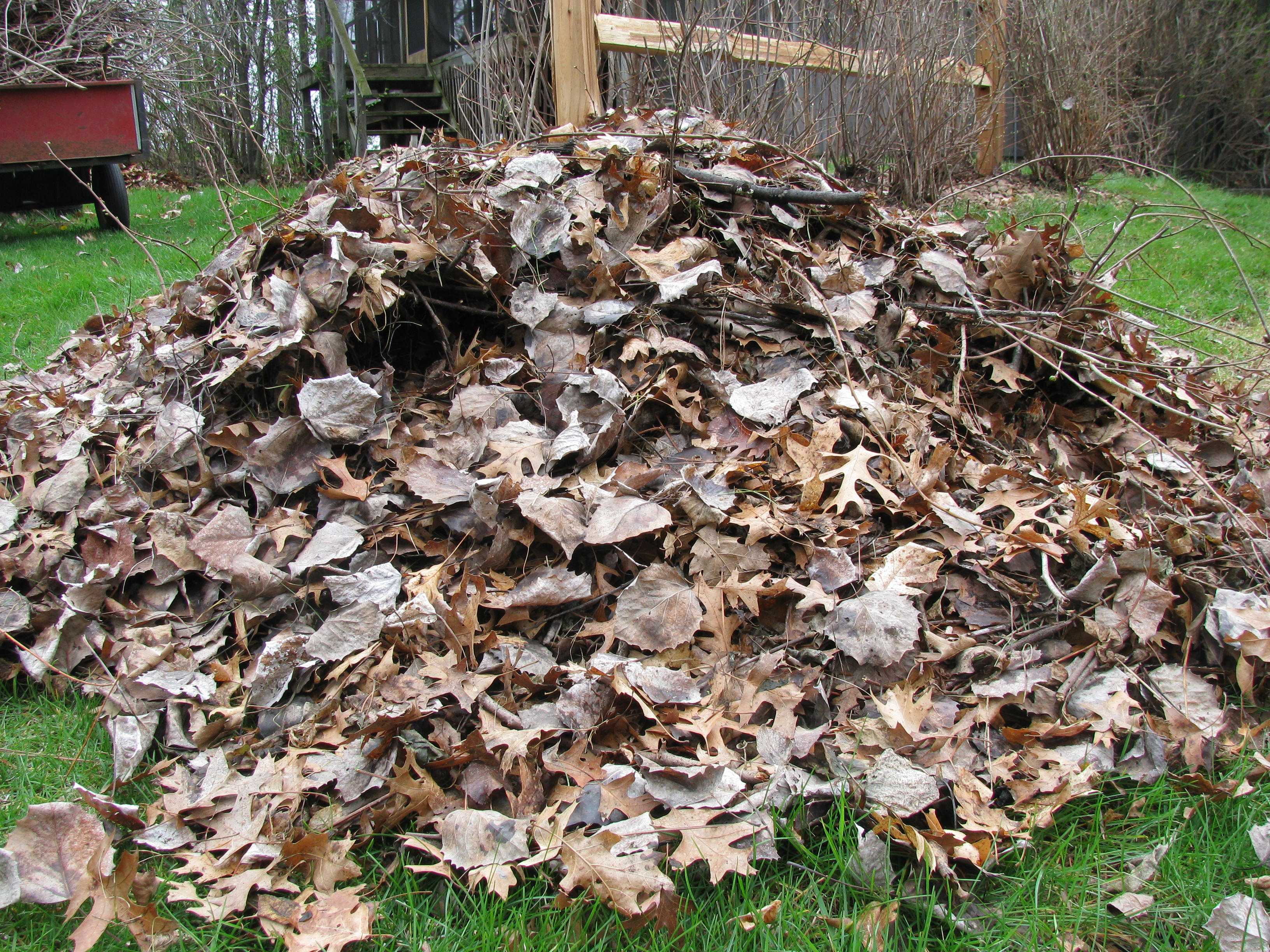
  • Over the years, our wooden fences have begun to return to the earth from whence they came. One such fence had stoically held its place in time well beyond what one can ask. It was weary and pleading for a replacement. Also, the bittersweet vines that the fence supported had become entangled and dead branches prevented new growth from tapping into the plant's maximum energy source. Side by side, Dick and I breathed new life back into what had become a scene reminiscent of Miss Havisham's mansion in Charles Dickens novel Great Expectations or the beyond overgrown garden described in Frances Hodgson Burnett's classic novel Secret Garden. I meant to take a before photo,

    Split rail fence

    but the fresh rails and end posts and the pile of dead twigs and leaves we removed tells the story.  

    Brush pileLeaf pile

  • An old Cherokee told his grandson,

    “My son, there’s a battle between two wolves inside us all.

    One is Evil.

    It’s anger, jealousy, greed, resentment, inferiority, lies, and ego.

    The other is Good.

    It’s joy, peace, love, hope, humility, kindness, and truth.”

    The boy thought about it and asked,

    “Grandfather, which wolf wins?”

    The old man quietly replied,

    “The one you feed.”

                                                                                                    -Author Unknown

  • Mother Earth News

    Did you know that you can support the wind power initiative by signing up with your local power company to donate money (you decide the amount) to be added to your billing statement each month? You won't know exactly which wind turbine(s) you are funding, but you can be proud to know that you are part of the solution towards less reliance on fossil fuels. Dick and I have been doing this for five years now. Maybe, just maybe, we can change the course of the short-sighted, destructive path we are on and collectively reap the benefits by individually doing our small part to alter the bigger picture. 


  • Natural_egg_dye

    For Easter, why not have fun with natural egg dyes instead of food coloring? Tumeric powder produces a bright yellow to deep gold color, red cabbage-blue/teal, yellow onion skins-light peach to gold/orange, grape juice-blue to purple, red beets-magenta red, red cabbage and tumeric-green, red cabbage and beet-purple, and red onion skins-pale celadon green. Two online sources that provide a helpful tutorial with additional natural dye suggestions are Frontier Natural Products Co-op and Lakewinds Natural Foods. I used brown eggs since that's the color my "Red Star" and "Black Star" hens lay. The colors may vary a tad if you use white eggs. Also, how long you leave the eggs in the dye will determine their color. I left mine overnight in the fridge to work their magic.

    I had some raw unfiltered apple cider vinegar in my fridge as well as some rice vinegar, but I couldn't resist the "Got eggs?" label I spied on a white vinegar bottle sitting on the grocery store shelf.  Egg dye instructions call for white vinegar anyway. Does anyone know why? Why not apple cider vinegar or red wine vinegar or rice vinegar? My daughter, Heather, has dyed eggs naturally with her daughters, too, and she suggested wrapping rubber bands of varying widths around the eggs as a quick way to create a pattern. As you can see, it works very well. Notice the egg in the upper right hand corner. It gets its speckles from pieces of chopped red cabbage setting on the egg while it's soaking in its water bath. I purchased the cardboard box with dividers at a huge Renninger's Antique Extravaganza held in Mount Dora, Florida three times a year. It's always the 3rd weekend in November, January, and February.

    Natural_dyed_eggs_in_a_row

    This closeup gives you a better perspective of the unique beauty of the eggs's speckles and swirls of color. Let your creative spirit flow and try new and different combinations of veggies, fruits, and seasonings. Heather used spinach. I will try that next time.

    Natural_egg_dye_2nd_round

    I conducted an experiment to see if the egg dye bath had enough color left for a second go-round.  As the photo above attests, the color comes out just as pretty as the first time. I used nonboiled eggs for the test group. Afterall, how many boiled eggs can one eat?! My bed and breakfast guests may be greeted with boiled eggs on their breakfast menu… in colors of the rainbow! Note: I initially published this post on Saturday, March 22, 2008. After four years, it had gotten buried so deeply within my blog that I decided to dust it off and bring it to the forefront once again. 

  • My initial zakka fabric basket rapidly transitioned into mass production… kachunk… kachunk… kachunk, as I envisioned Easter baskets for each of my five grandkids.

    Fabric basket mass production

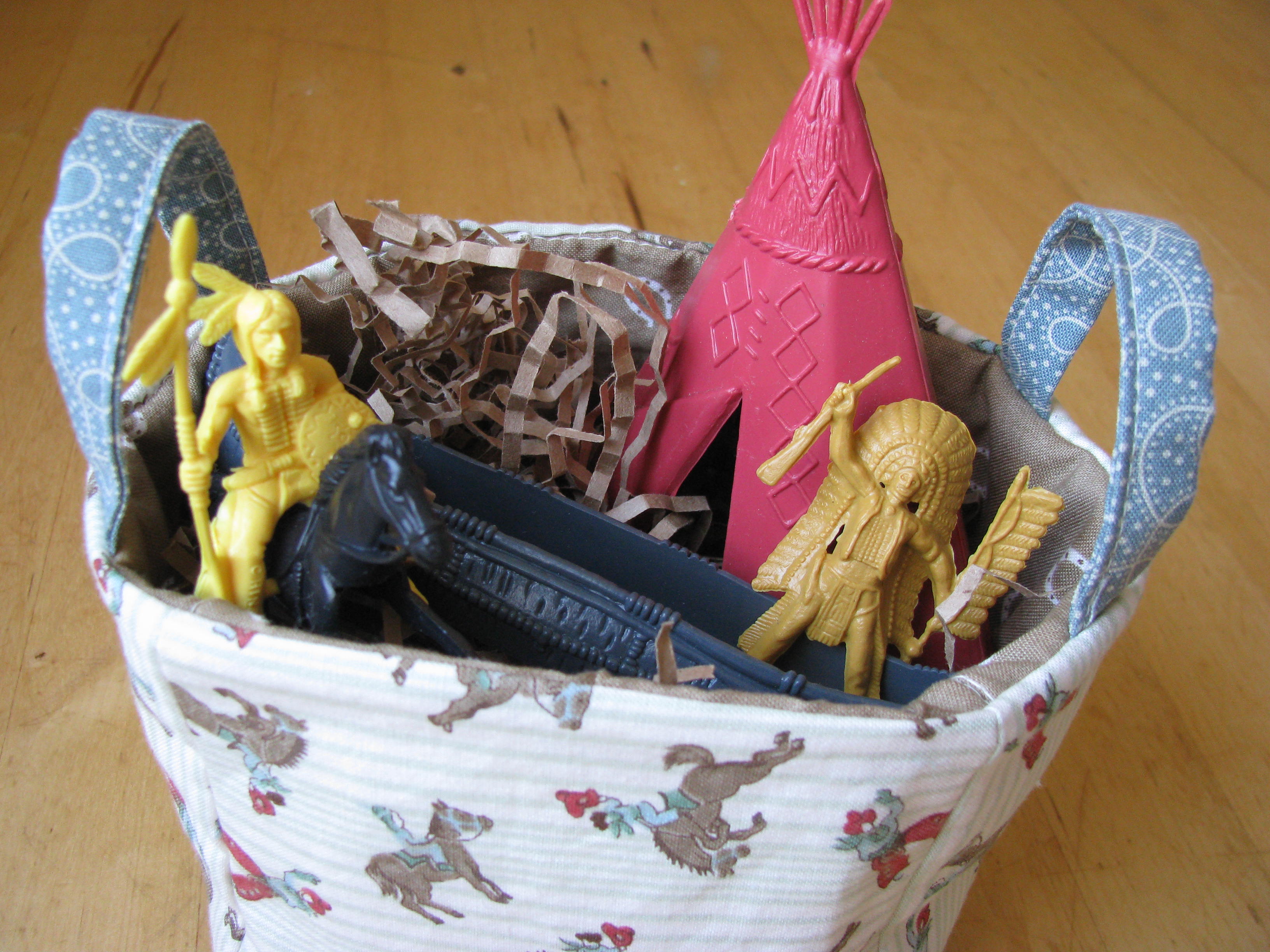
    A cowboy and Indian theme for my two grandsons…

    Indian in the cupboardCowboy indian fabric basket

    A bunny theme for two of my granddaughters…

    Dining room setFabric basket + bunnies

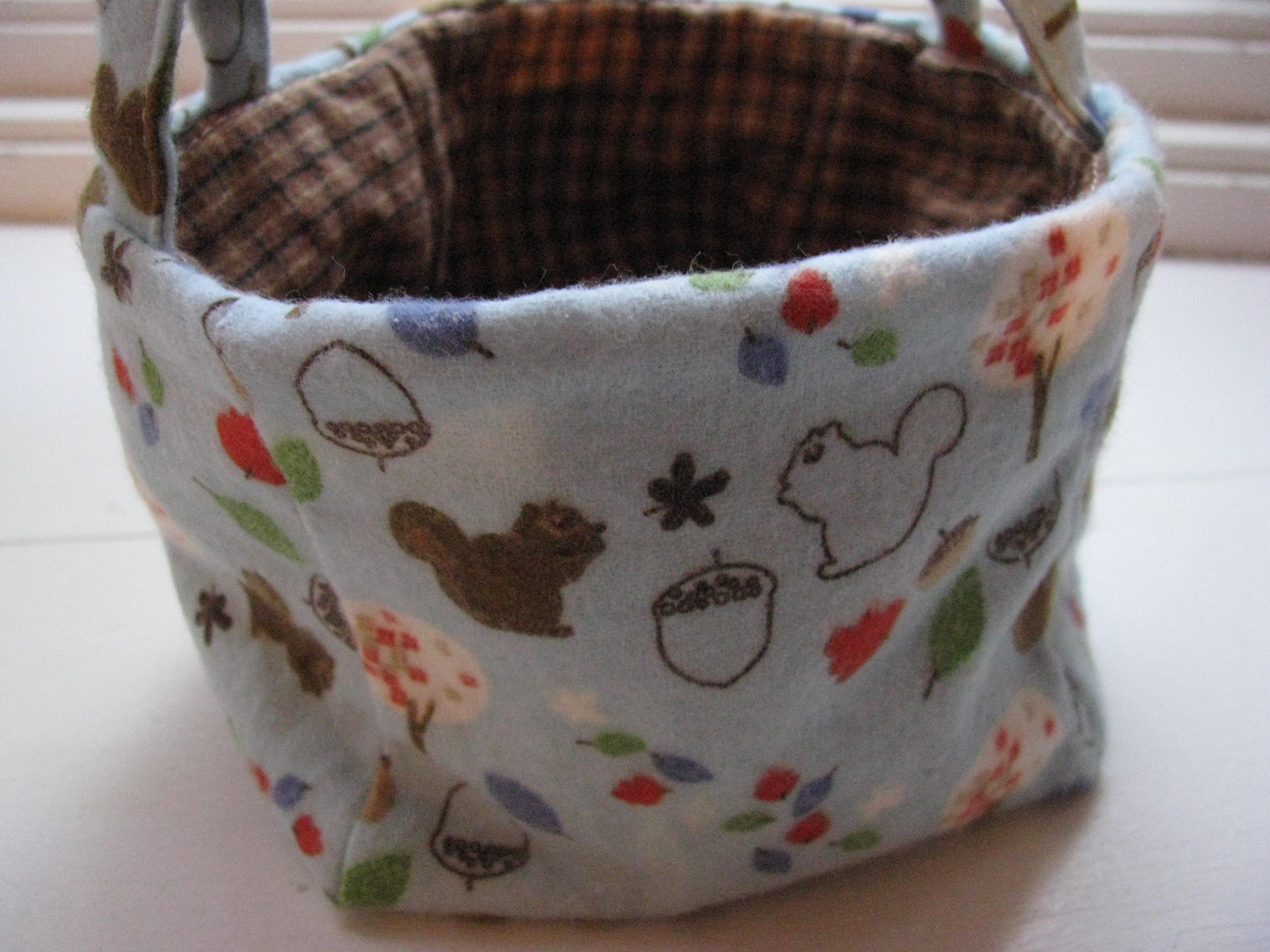
    and a nature-inspired basket for my eldest grandaughter who is a child of Mother Earth.

     Nature fabric basket

    The bunnies and dining room set is made by Calico Critters.