Whiteley Creek Homestead

LIFE AT THE END OF A DIRT ROAD IN CENTRAL MINNESOTA

organically grown triticale in our field
canoeing in our wetlands
raspberries growing wild on our property
our back porch fieldstone fireplace
  • Making almond milk in your own kitchen is simply…simple. Soak. Strain. Squeeze.

    Soaking almonds Straining almond milk

    Squeezing almond pulp Almond pulp

    Homemade Almond Milk

    1) At bedtime, put 1 cup raw almonds in a quart canning jar. Cover with enough warm water (not city water treated with chlorine) to allow for nuts to plump. Add 1 tsp sea salt. "Salt in soaking water activates enzymes that neutralize enzyme inhibitors making the nuts easier to digest and their nutrients more readily available." Fallon, Sally. Nourishing Traditions. Washington, DC: NewTrends Publishing, 2001. 512. Also, soaking makes nuts easier to pulverize.

    2) After soaking 8-12 hours, drain almonds and rinse well.

    3) Fill blender container with 4 cups water. Add soaked almonds. Blend until creamy. 

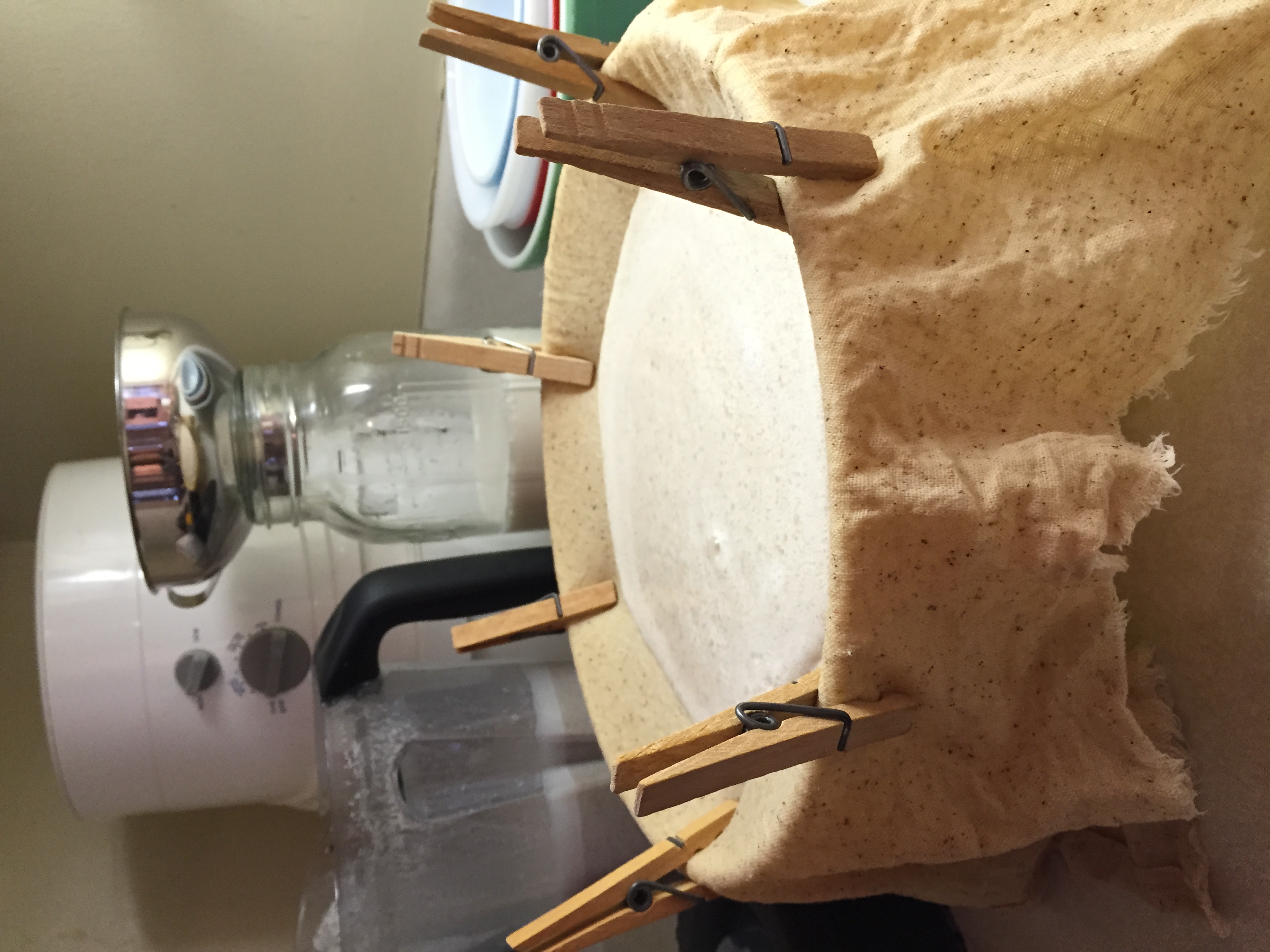
    4) Pour liquid through a nut milk bag, cheesecloth, or a square of unbleached 100% cotton unbleached *Osnaburg Fabric. When milk flow slows down, draw together the sides of the fabric, then squeeze to extract remaining milk. If desired, save the pulp to use in recipes. (1 cup almonds produces 1/2 cup packed, or 1 cup loosely scooped, moist almond pulp.)

    5) Pour milk back into blender container and add 1/4 tsp vanilla, 1/4 tsp almond extract and 2-3 dates. (If dates are dry, presoak in a little warm water to soften.) Although I haven't tried this, to make a richer, creamier "homogenized" milk, add 1 tsp -1 tbsp sunflower lecithin. Lecithin is a fat emulsifier that keeps fats (in the nuts) and liquids (water) from separating.

    Note: I order truly raw, unpasteurized Italian Organic Almonds and Medjool Dates from Food to Live.

    Oznaburg fabric

    *Oznaburg is typically used for cross stitch and embroidery and is sold on a bolt at Joann Fabric & Crafts. I like it because the weave is larger but still tight enough so that almond pulp particles aren't allowed to eek thru the milk, and it allows the liquid to pass thru more rapidly than closely-woven fabric. After selecting a receptacle to use for straining the milk into, measure its diameter, then add on extra for overhang so that you have ample width to draw up the sides of the fabric to form a pouch that you can grasp and twist to squeeze out any remaining liquid from the pulp. The dimension of Oznaburg that I use to create a fabric strainer over my largest vintage Pyrex mixing bowl is 18" x 18". So, 1/2 yard of 45" natural, unbleached Oznaburg will provide you with two squares.
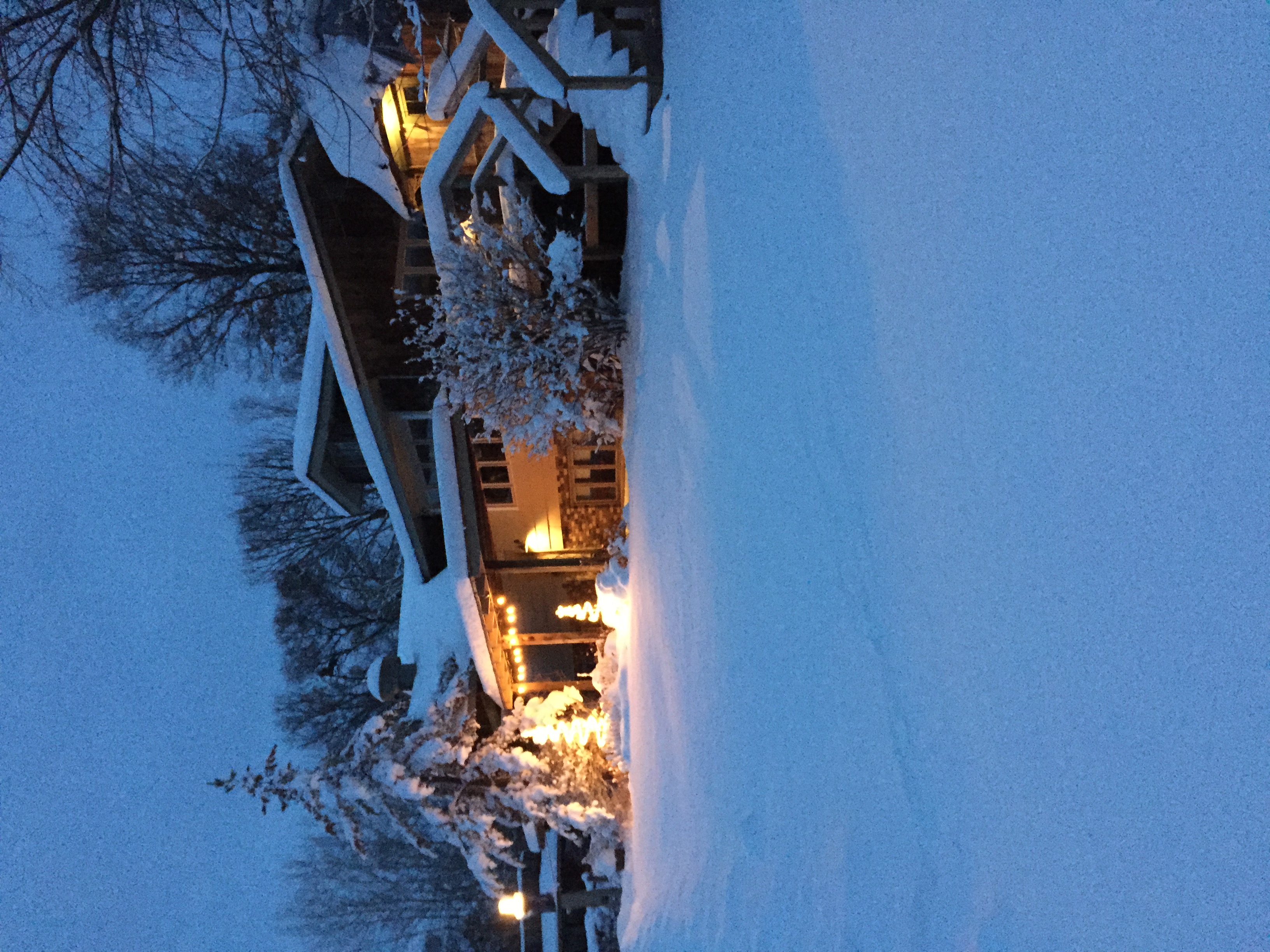
     

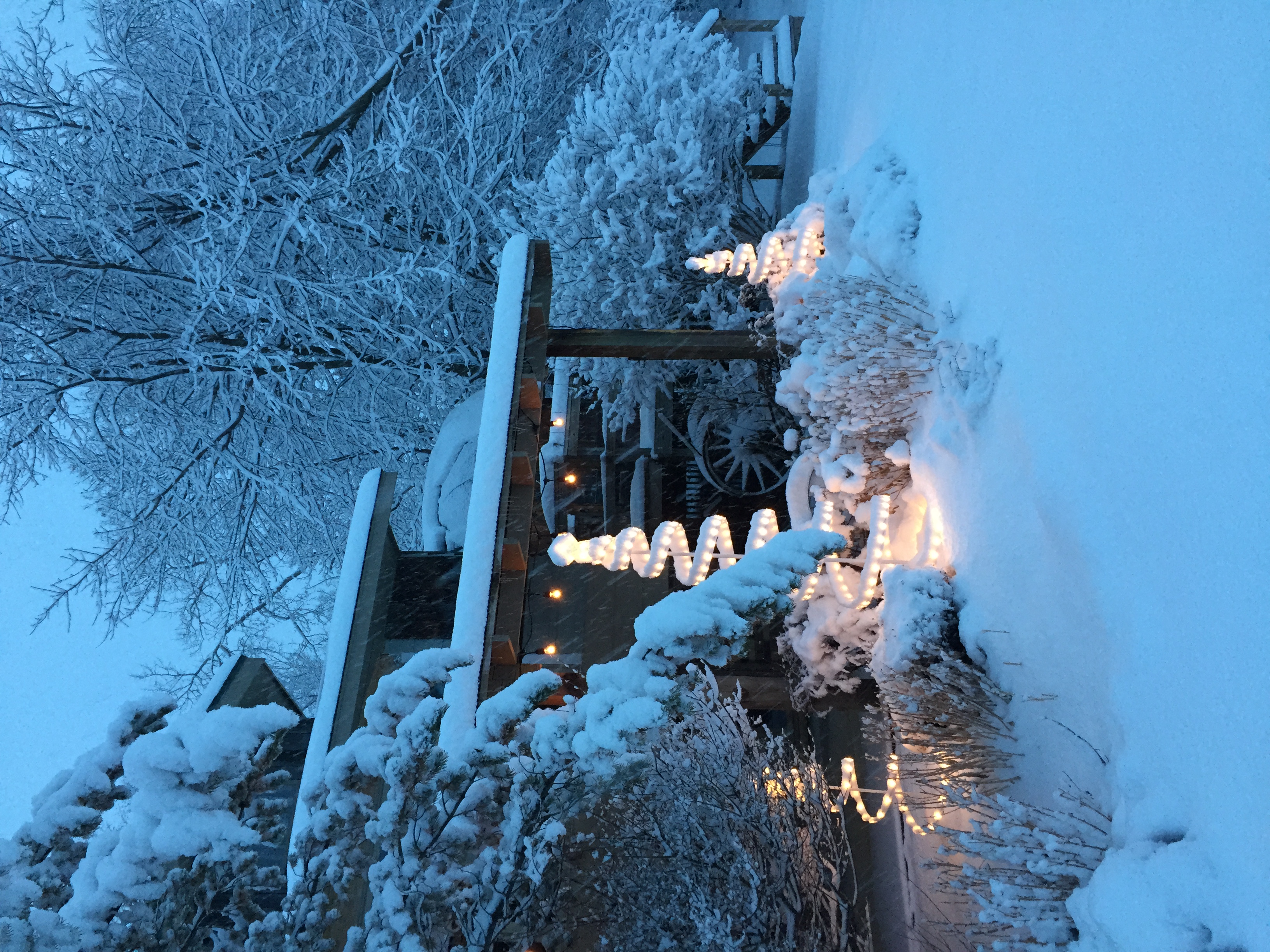
  • Even though the landscape is stripped of leaves and blossoms, winter is by no means drab. However, the soft glow of strategically-placed lights add a welcoming touch.

    Front porch lightingFront porch christmas lighting

    Although summer's outdoor furniture has been stored away, a spiral lighted tree threesome and a 10-bulb set of Smith & Hawken drop string lights, hung from our front porch roof, provide a cozy glow at nightfall. The lights were a thoughtful gift from our daughter, Heather. 

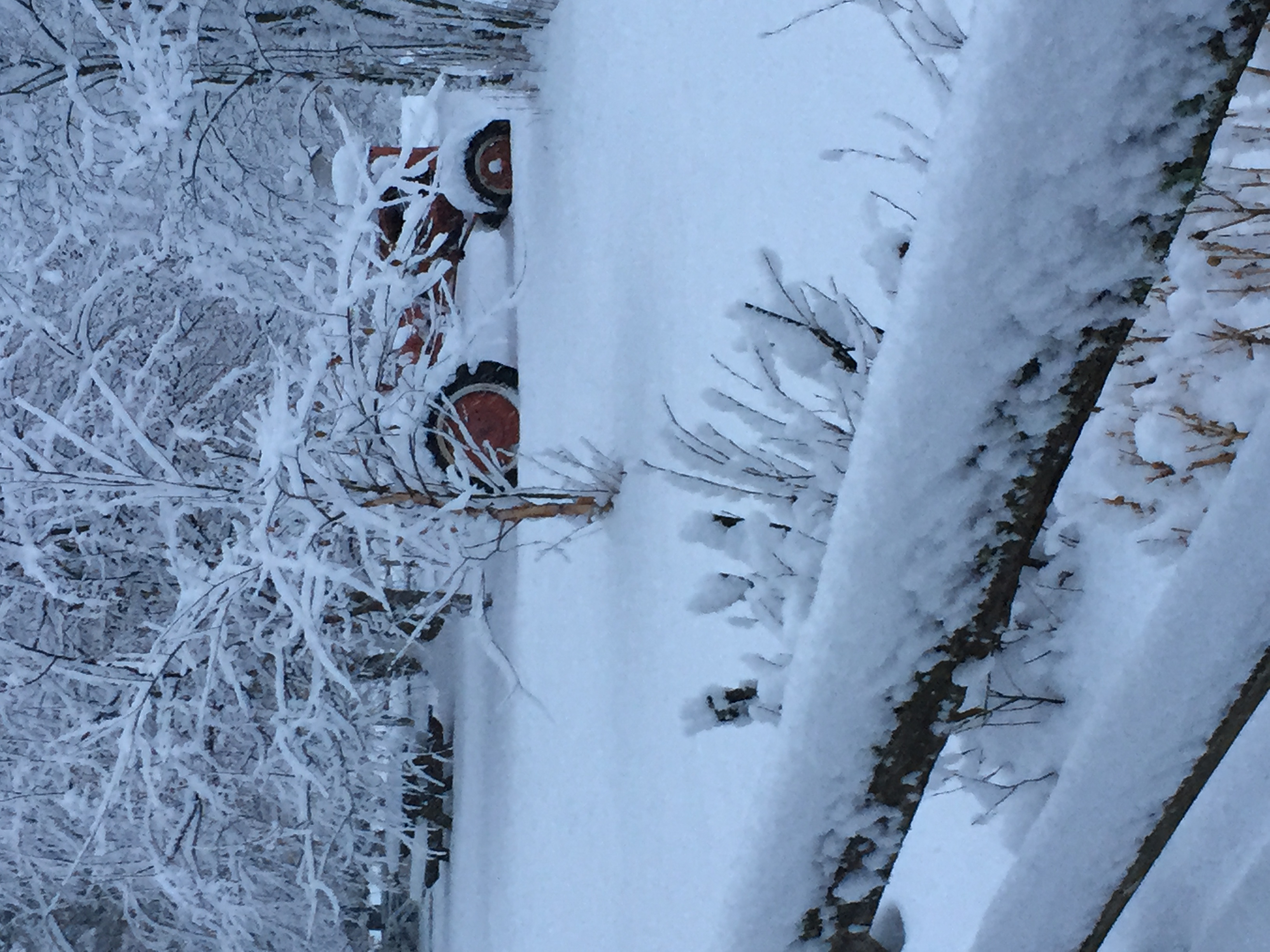
  • Although a light covering of snow blanketed the ground for Christmas Day, it wasn't until two days later that our first heavy snow of the season provided the beauty that we anxiously anticipate each winter. The kind that hangs heavy on trees and shrub branches and isn't whisked away by the wind for days.

    First heavy snowfall 2018 front porch First heavy snowfall 2018 front yard

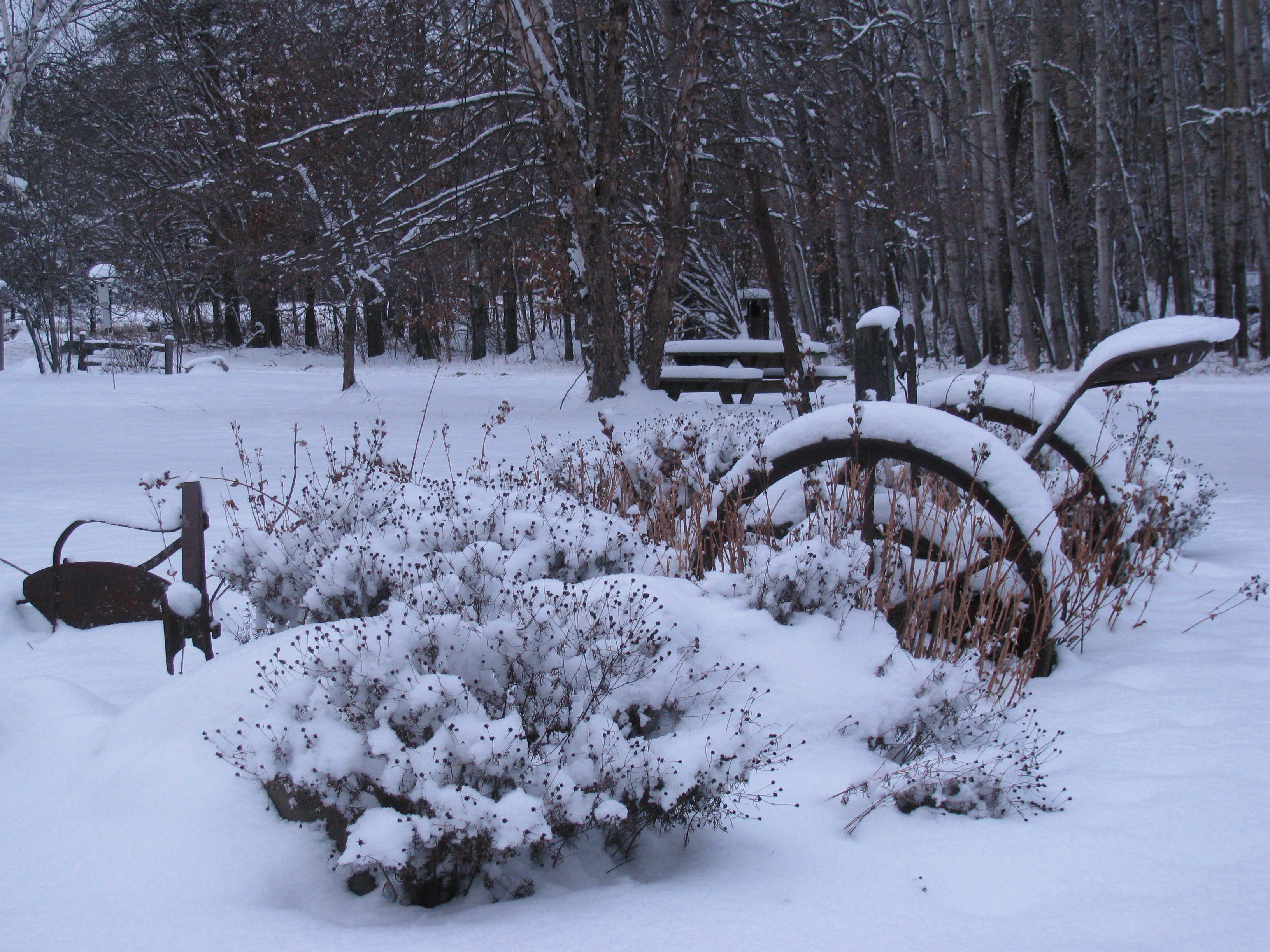
    The tendency, during autumn cleanup, is to cut perennials back in preparation for spring regrowth. However, I choose to leave the stems and dried heads intact to provide texture and form to the landscape rather than a barren tundra. The dried blossoms catch and hold the snow forming fluffy tufts that are reminiscent of peony blooms. There will be time in early spring for trimming old growth.

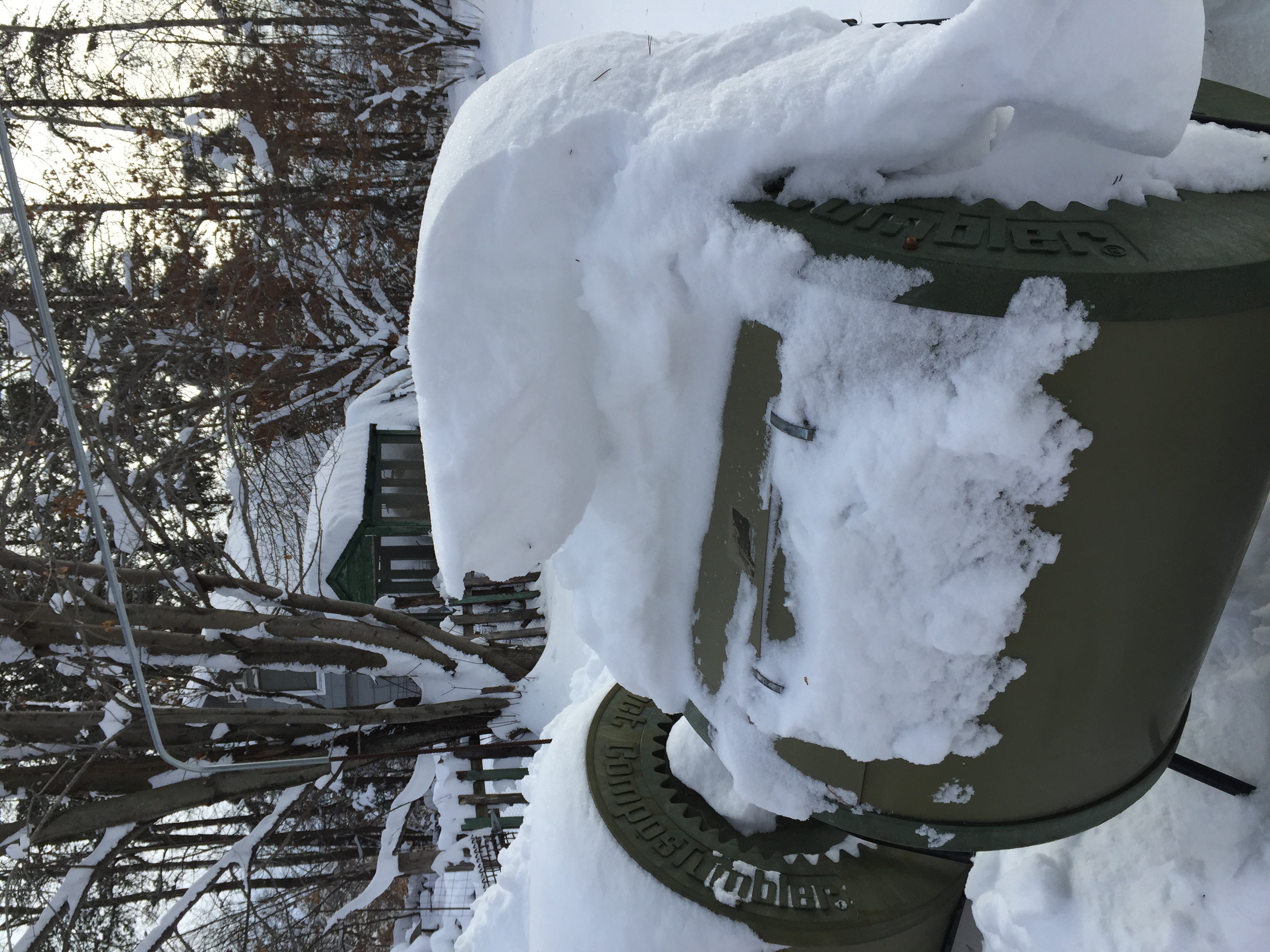
    Snow covered flower bed Snow-covered compost tumbler

    Throughout the winter, I continue to add fruit and veggie scraps to my two compost tumblers. Even though their frozen state prevents decomposition, in the first warm days of spring, the process begins anew. Nothing is wasted and so much to be gained in the rich, black soil that is created. 

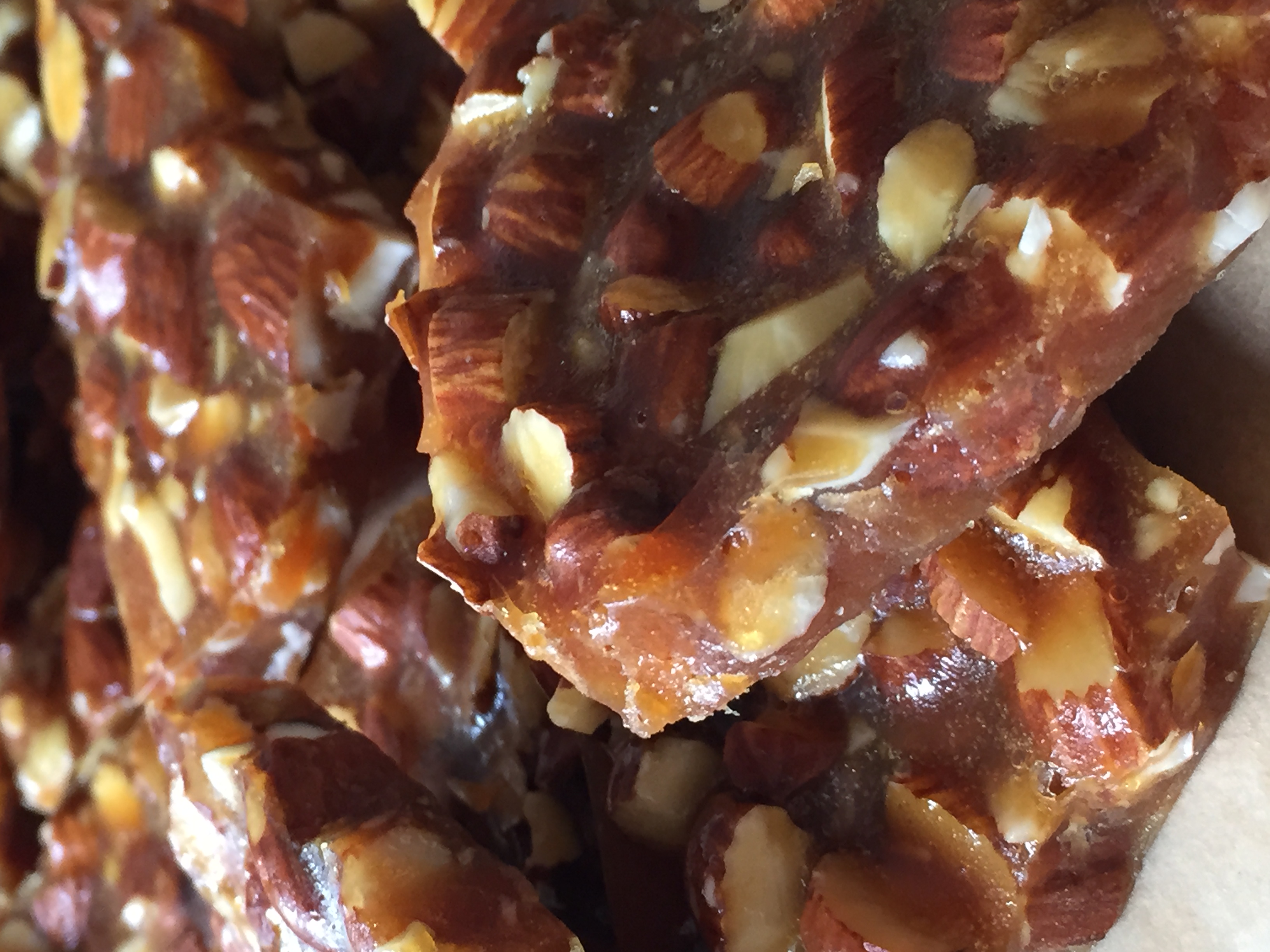
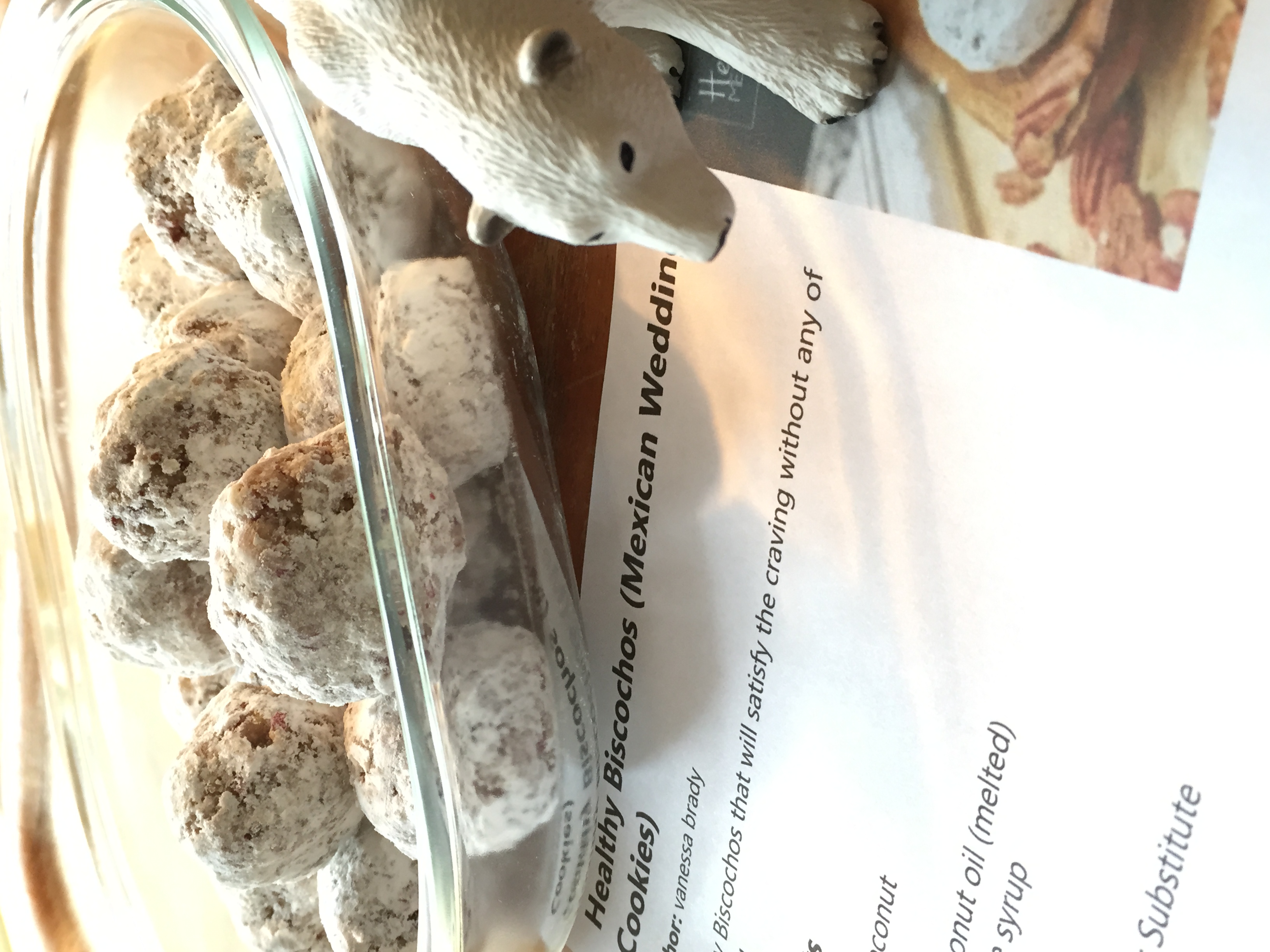
  • Christmas goodies, more often than not, are mega loaded with sugar and fat. However, a quick online search confirmed that, by subbing healthier ingredients and using substantially less sweetener, we can still enjoy an equally satisfying treat. While I heated honey and chopped nuts to make Honey Almond Brittle, my daughter, Jessie, made Vanessa Brady's vegan, raw, grain-free Healthy Mexican Wedding Cookies (aka Russian Teacakes) posted on her blog, Tried and True, by mixing ingredients in a food processor. Both keepers. Note: I neglected to record where I discovered the brittle recipe, but, when I rediscover it, I will give credit to its source.

    Honey almond brittle Healthy mexican wedding cookies

    Honey Almond Brittle

    1 cup honey

    1/4 teaspoon pure vanilla extract (optional)

    4 tablespoons of butter

    1 1/2 cups coarsely chopped nuts (of your choice – any type can be used)

    Pour honey into a heavy saucepan and simmer over medium-low heat until it reaches 275 degrees F on a candy thermometer. This will take several minutes, up to 30 if you are using low heat. You can also use the cold water test to ensure you’ve reached soft crack stage.

    While the honey is simmering, spread the nuts over a cookie sheet and toast in a 350 degree F oven for about 10 minutes or until lightly golden brown. Remove from oven, sprinkle with salt and set aside.

    Once soft crack stage is reached, keep the candy mixture over the heat source and stir in butter, vanilla (if desired), toasted nuts and any further additions you wish to add to your candy. Cook for one additional minute, remove from heat and spread over a parchment lined baking sheet.

    Place in freezer for around 30 minutes to cool. Break into pieces and store in the freezer in single layers between parchment paper. Keep frozen until ready to eat since the candy turns soft at room temperature.


  • Each autumn, there is winter prep to be done. That is just the way it is in the Minnesota climate. Some tasks are of the proactive type to prevent water pipes and septic systems from freezing and to maintain a source of warmth throughout the house. Other winter prep tasks make spring's arrival so much easier when there is much to be done.

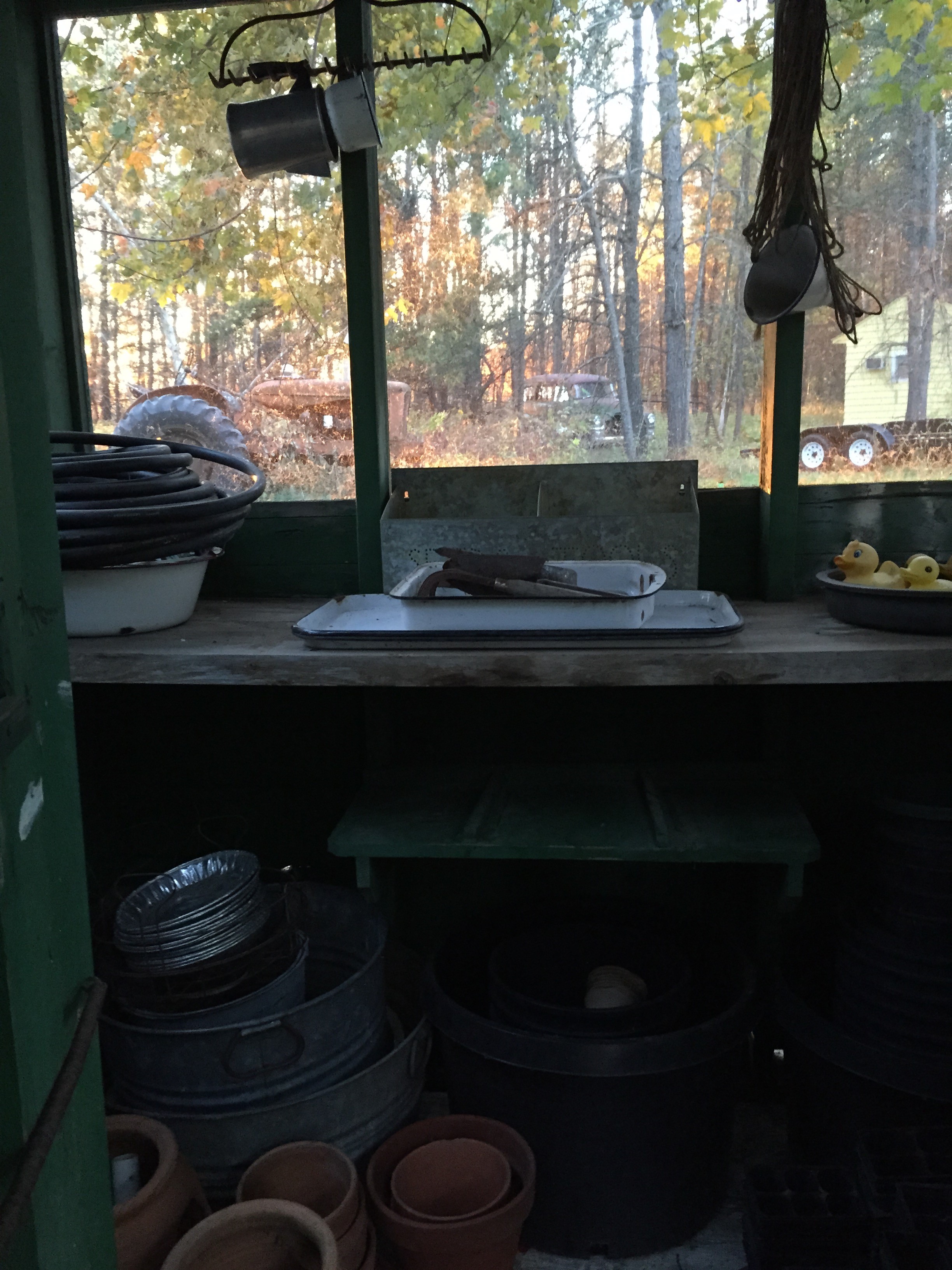
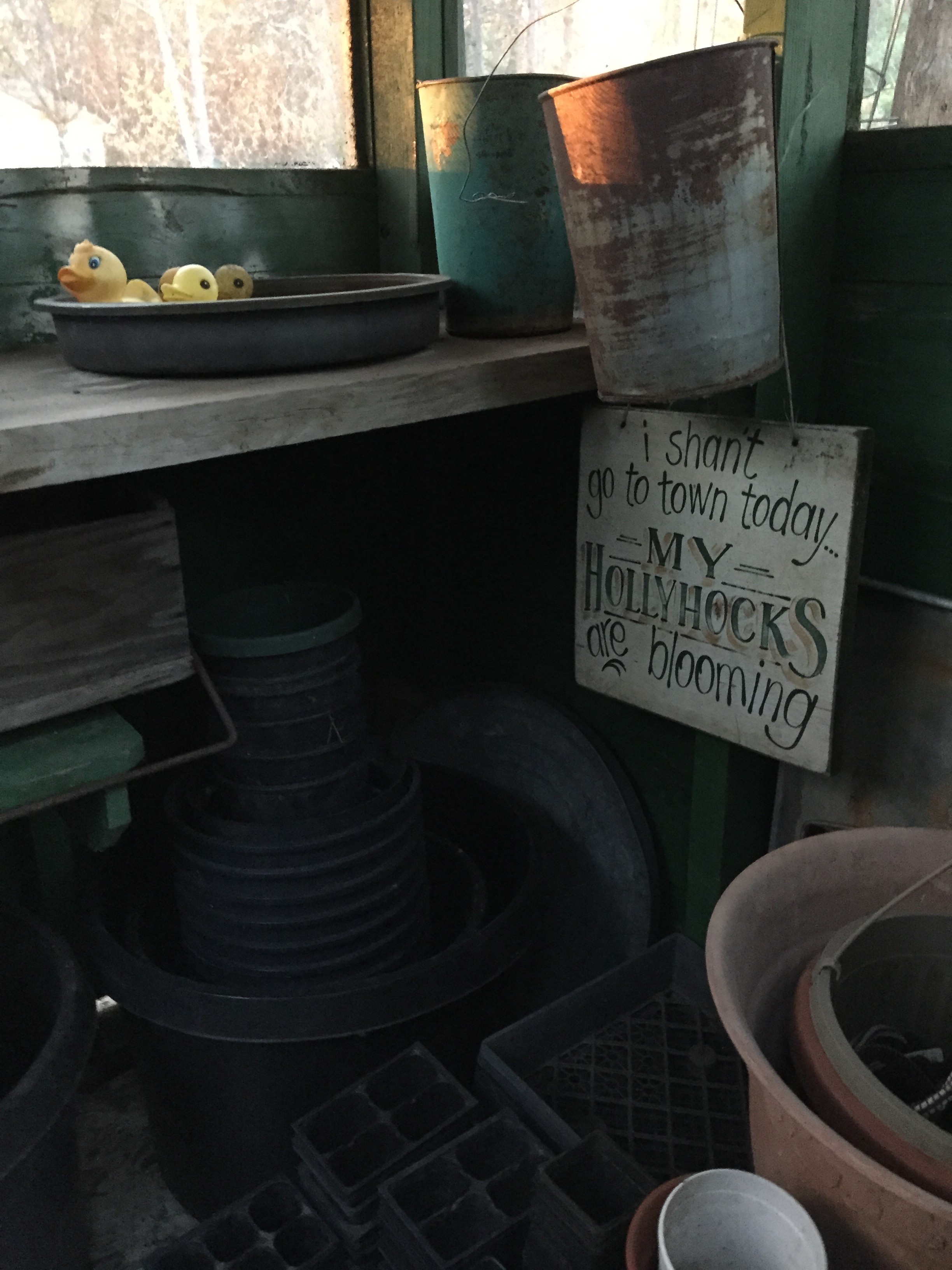
    Potting shed cleanup Potting shed storage

    Cleaning my potting shed was one such task. I began by sorting items into categories so that I could better realize the scope of clutter. Next, after eliminating broken, unusable items, I set aside what I decided was a reasonable number of duplicate items to keep, then I discarded the remainder by recycling, repurposing, donating, or placing in the garbage. What remained was easily organized in my potting shed and will make finding seed starting and seedling repotting supplies a breeze. 

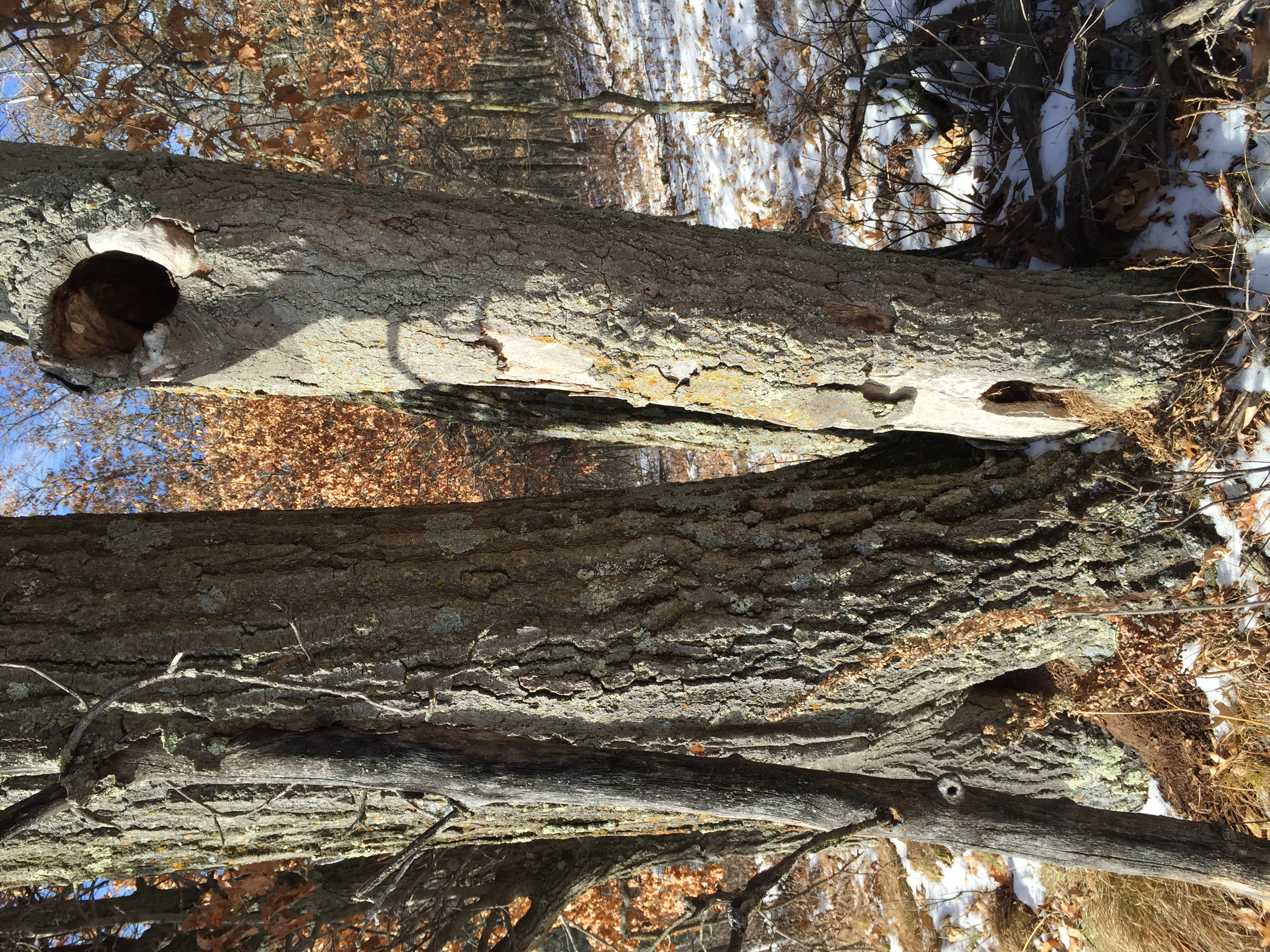
    Tilled garden beds Tree animal homes

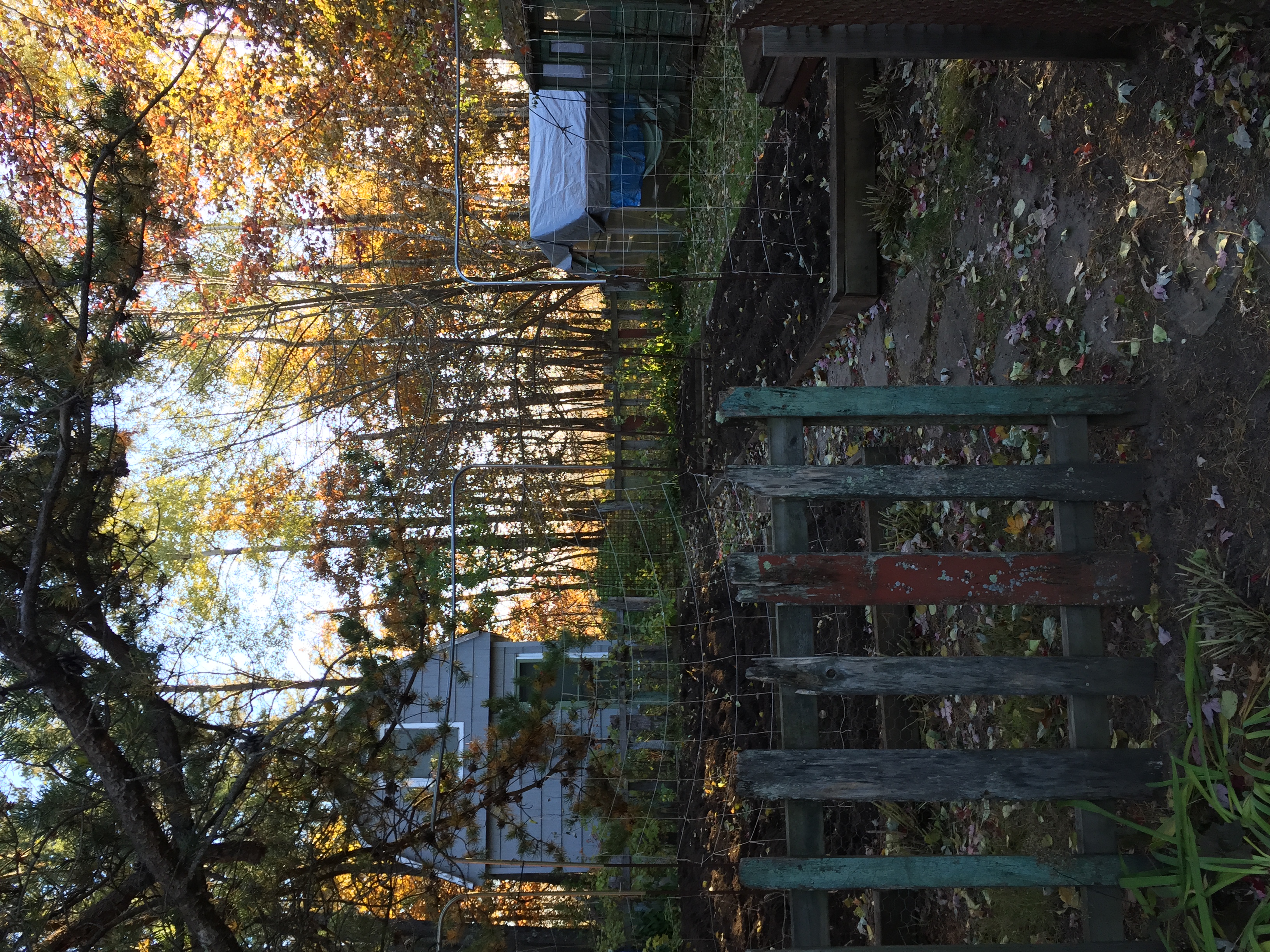
    The season's harvest has been gathered and the garden space tidied. Tarps, secured with bungees to prevent the brisk north winds from whisking them away, are draped over the greenhouse. Animals in the surrounding woods know, too, that winter will soon arrive, so they are, likewise, scurrying to store up food…some of which came from my garden, finding new homes, or cleaning and insulating their old ones. It is now time for the land to rest.


  • Driven by the need for a durable surface to accommodate heavy loads, increased traffic, faster travel, and simplified maintenance, dirt roads are becoming less and less commonplace as they are being covered over with asphalt. Laura Ingalls Wilder, author of Little House on the Prairie, tells of her first encounter with an asphalt pavement.  She was on a wagon journey with her parents in 1894 that took them through Topeka. "In the very midst of the city, the ground was covered by some dark stuff that silenced all the wheels and muffled the sound of hoofs.  It was like tar, but Papa was sure it was not tar, and it was something like rubber, but it could not be rubber because rubber cost too much.  We saw ladies all in silks and carrying ruffled parasols, walking with their escorts across the street.  Their heels dented the street, and while we watched, these dents slowly filled up and smoothed themselves out.  It was as if that stuff were alive.  It was like magic." Source: History of Asphalt National Asphalt Pavement Association

    Tire treads

    As beneficial as asphalt may be, it is a nostalgic sound to hear the crunch of gravel through opened car or truck windows as tires slowly roll along on a dirt road. Or the rhythmic cadence of feet tucked into the confines of shoes pressing slightly into the rock embedded soil. And, if the ground should happen to retain the right amount of moisture after a rainfall prior to vehicles with varying tire treads traveling over it, a lovely patterned imprint remains. The chevron and rowboat shapes were so perfectly stamped that I would have liked to have not driven down our driveway ever again so as not to flatten them.

    Variegated grass along driveway

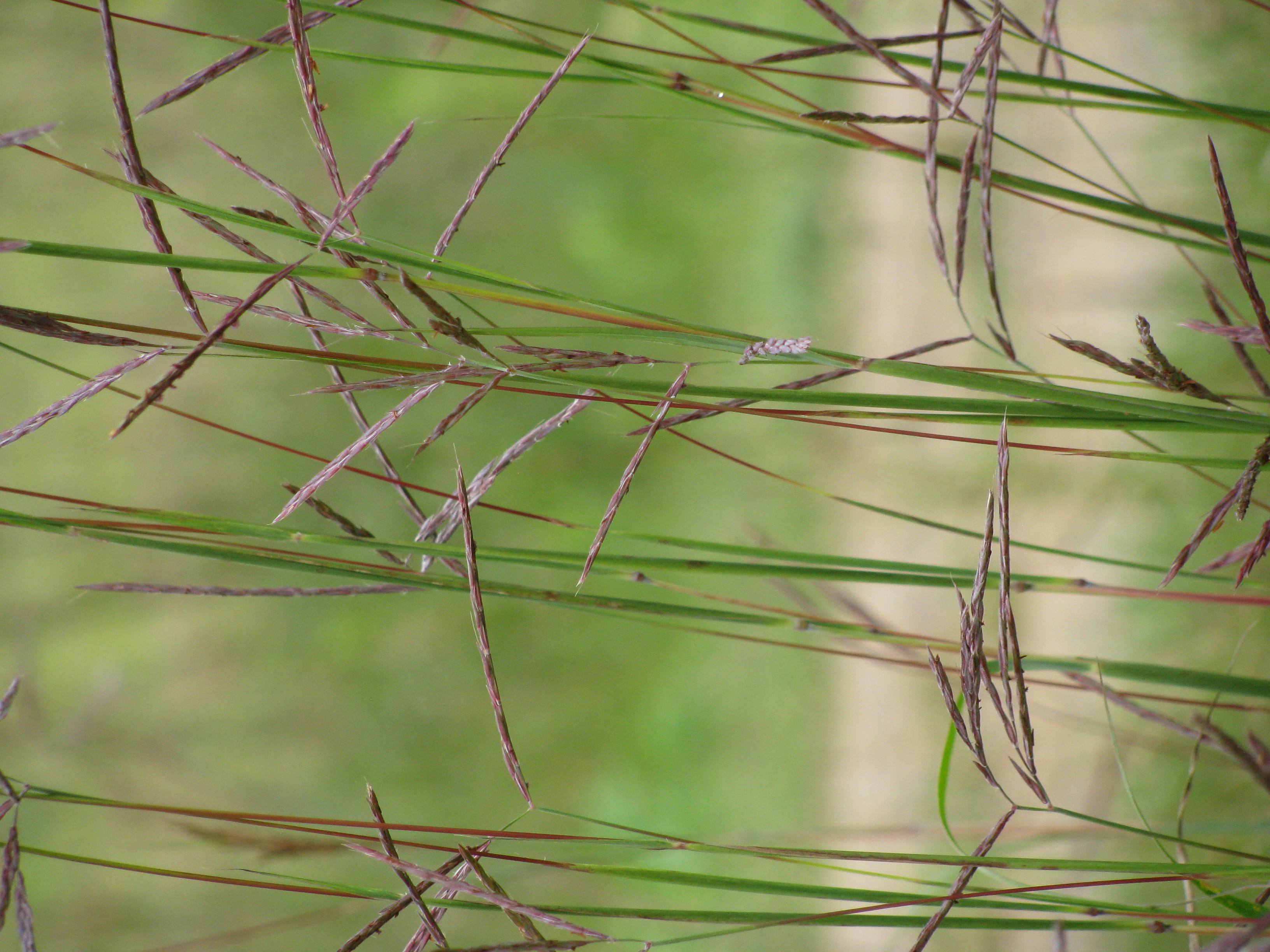
    Growing along each side of our dirt driveway are lovely, tall, variegated native grasses. It wasn't anything I planted. They just started growing there. After convincing Dick that we didn't need to mow along each side of the driveway, the grasses happily thrive from early summer through late autumn.


  • A farmer planted our field for many years. But he got old. He decided it was time to retire. Dick and I knew, that when that day came, we would plant trees where once buckwheat, triticale, clover, and winter wheat had grown.

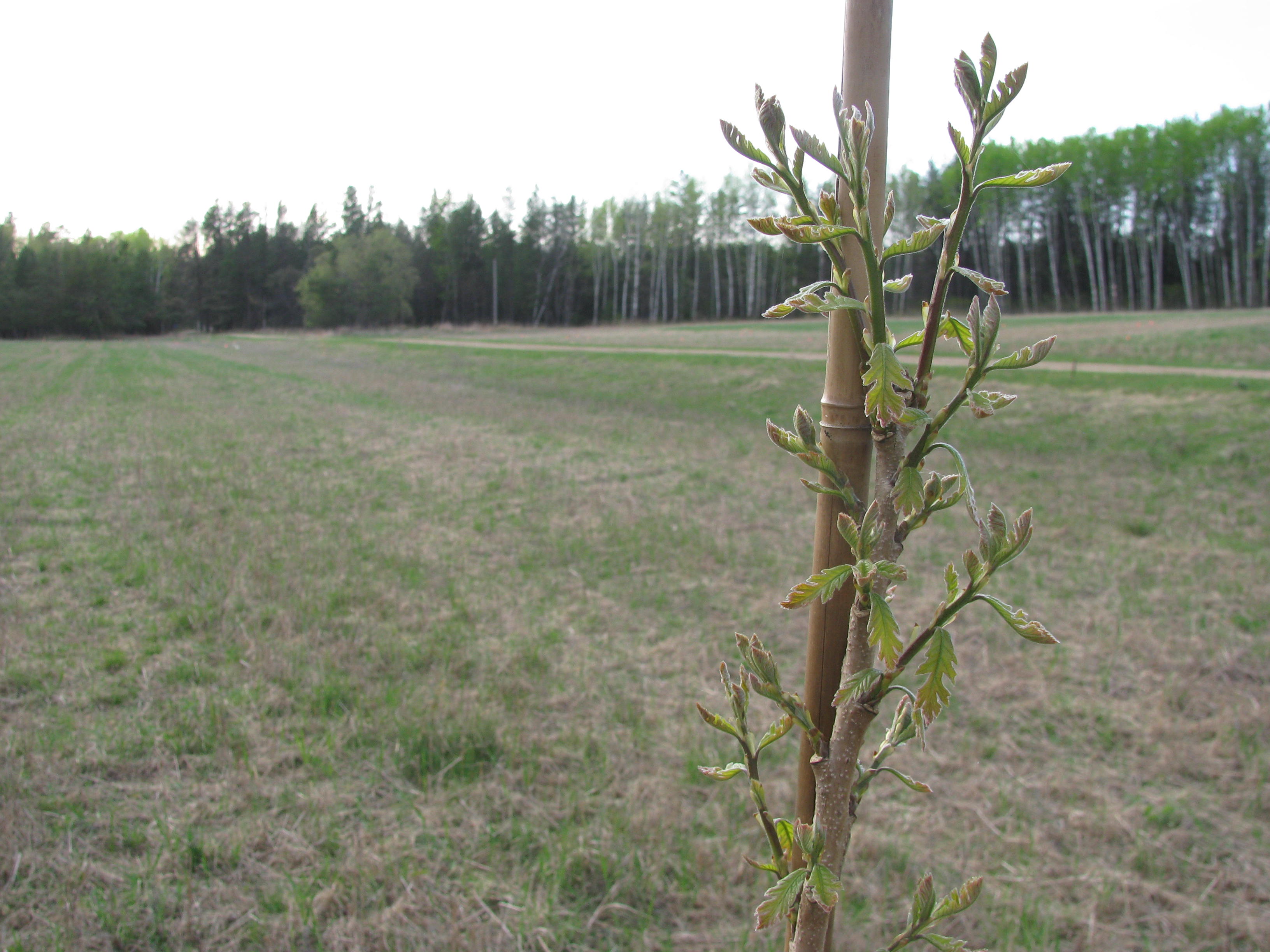
    First field trees burr oak Burr oak new leaves

    To give us a jump start, we started with three burr oak trees that were maybe 4-5 years old. For the remainder of the field, I ordered 50 tree seedlings from the Crow Wing Soil and Water Conservation District, during their January 1-February 28, 2018 tree sale. They were available for pickup at the Northland Arboretum in Brainerd (Minnesota) on May 11 and 12. 

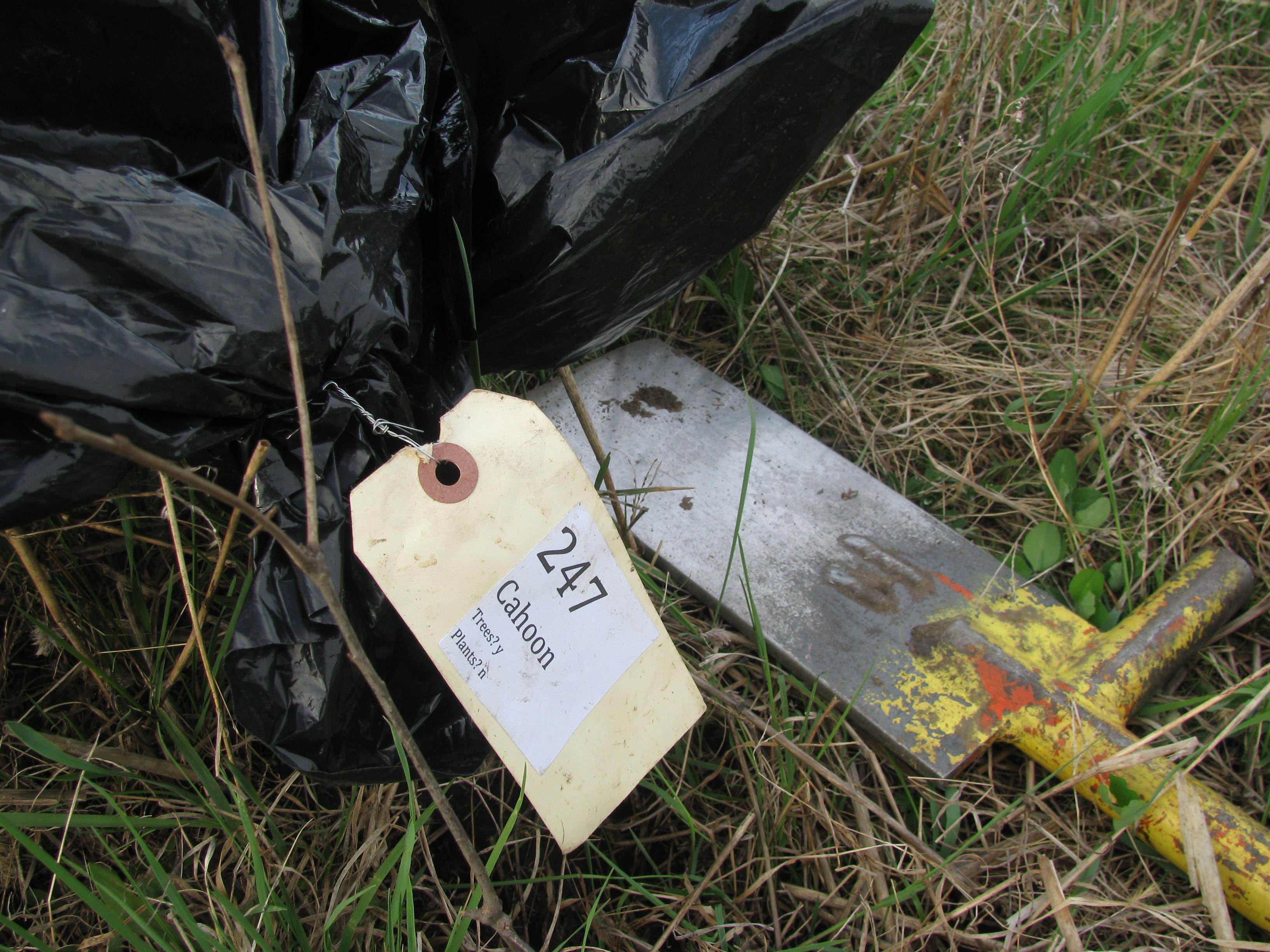
    Tree order tag + planting bar Red oak seedling

    Contained in a garbage bag to keep the roots wet, we immediately began digging the 25 red oak and 25 balsam fir tree seedlings into the ground. The organic farmer's rotation of carefully selected crops had transformed our sandy soil into rich loam making digging a cinch with the aid of a planting bar I borrowed from the DNR's forestry department.

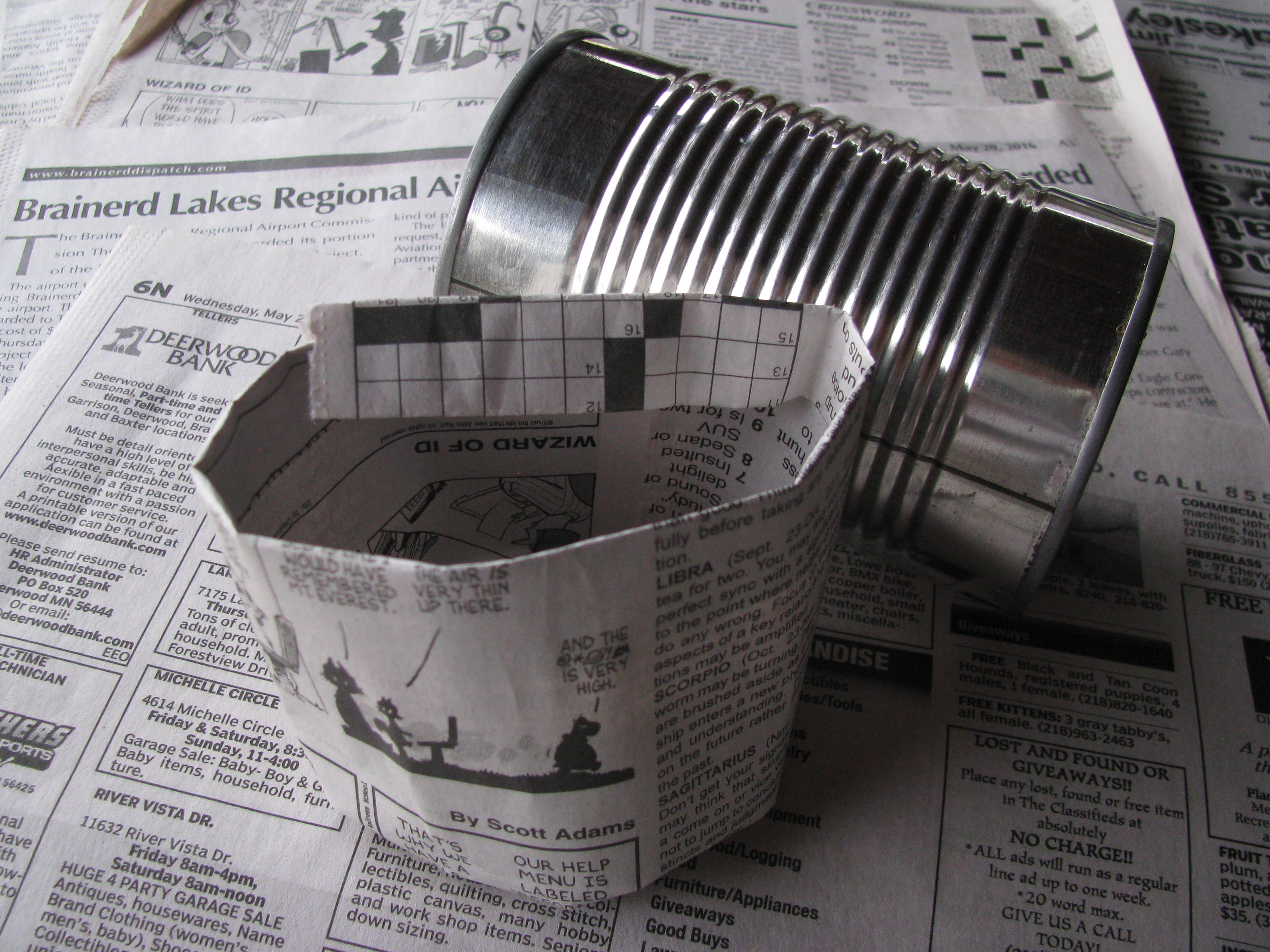
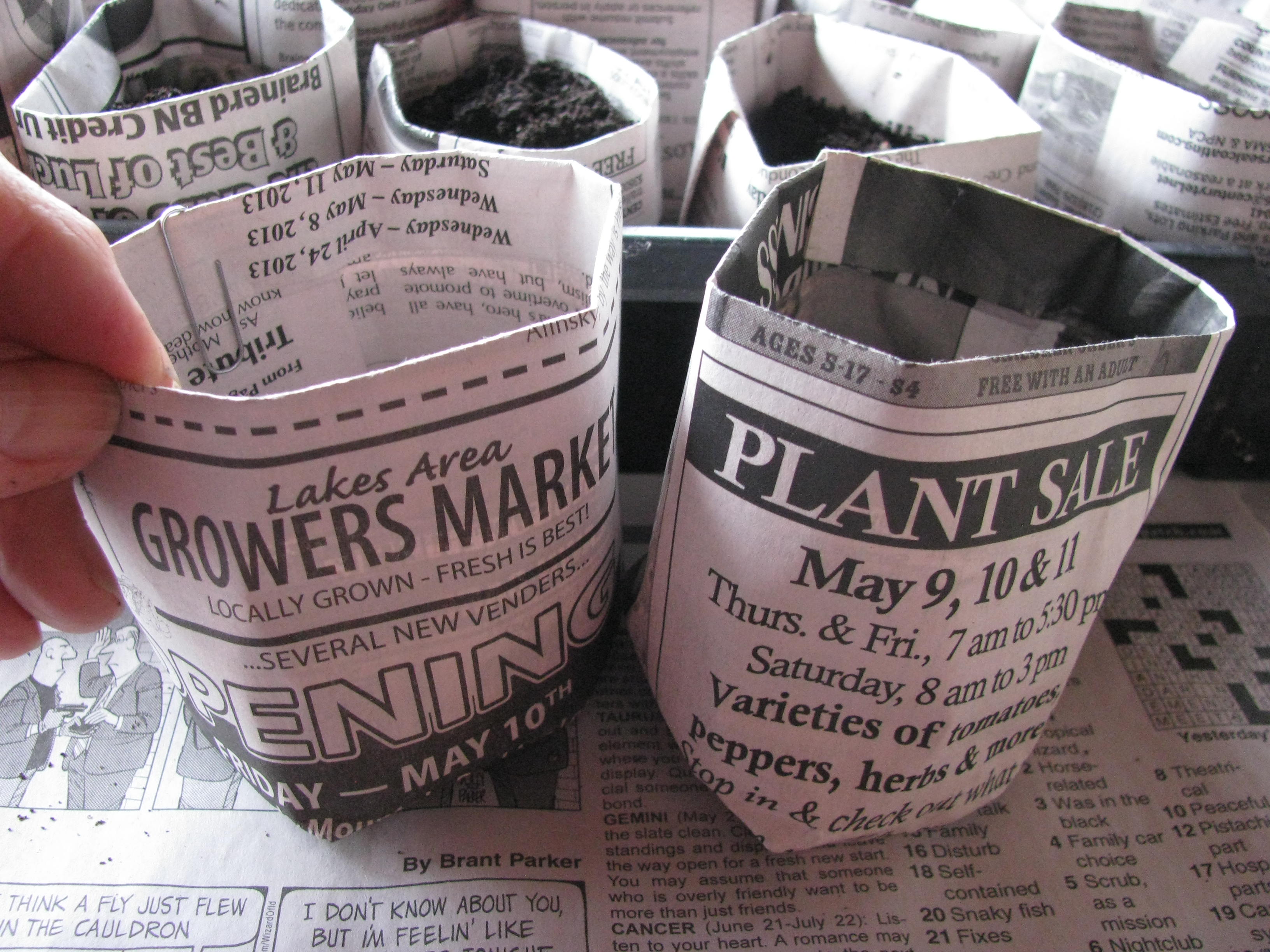
  • Throughout the year, I save newspaper pages so that I can make newspaper pots for spring planting. I discard pages with colored ink which leaves basically the crossword puzzle/cartoons, obits, and employment/want ads. Sometimes the rolling and tucking results in sweet, unexpected surprises like these two pots printed with "Lakes Area Growers Market" and Plant Sale" imprinted upon the page.

    Rolling newspaper pots Newspaper pots

    With a quarter sheet of newspaper and a simple metal can emptied of such contents as diced tomatoes, pinto beans, or pumpkin, a seed pot is formed.

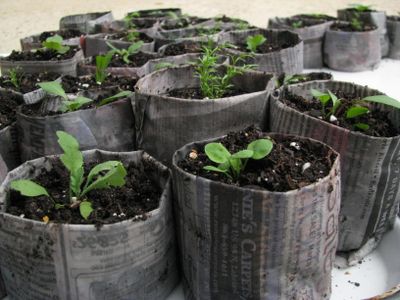
    Newspaper pot interior Seedlings in newspaper pots

    Generally, the pot will hold together on its own, but, if necessary, a paper clip can be used to secure it then removed after filling with soil. For instructions, Renee over at "Hip Chick Digs" provides precise video instruction.

    http://www.hipchickdigs.com/2009/03/video-newspaper-seed-pots/#more-1031


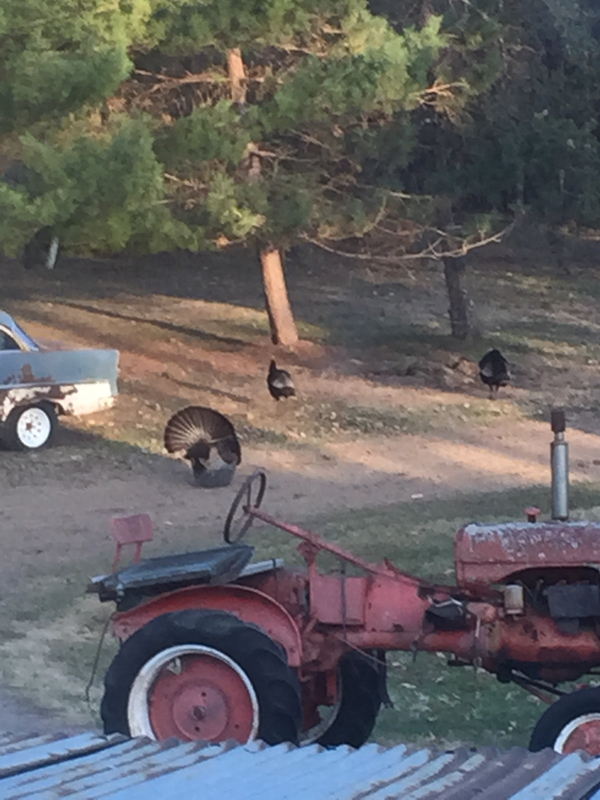
  • A fence surrounds our coop to keep the chickens safe at night. It provides extra security from invaders like raccoon, skunk, fox, and hawks. Fence door latched. Coop door locked. In the daytime, as our chickens roam freely about the yard, they are not bothered. But, at dusk and beyond, the stalkers prowl. The fence needs repair, but winter preparations last fall left no time. Now, spring planting has taken priority. Sadly, there will be no chickens this year. But, look!

      Chicken coop fence in disrepair Wild turkeys in yard

    We have wild turkeys that come to visit each morning just outside our living room window! Nine of them! The surrounding woods is their home the remainder of the day. They also stroll into our field to dine on spoils leftover from last autumn's grain harvest.

  • One thing leads to the next. Oftentimes, we don't know where we'll end up until we get there. To retrace the steps from whence one came brings understanding to know how it all began. Therefore, I begin at the beginning. Most every summer, Dick and I attend the weekend-long "Old Wadena Rendezvous and Folk Festival" near Staples, Minnesota. Last year, on August 13, 2017, my sister, Rita, and I stopped by a table to make a cornhusk doll and accept the gift of a fire starter made from an egg carton section. It had a business card inserted into the wax that supported a wick. 

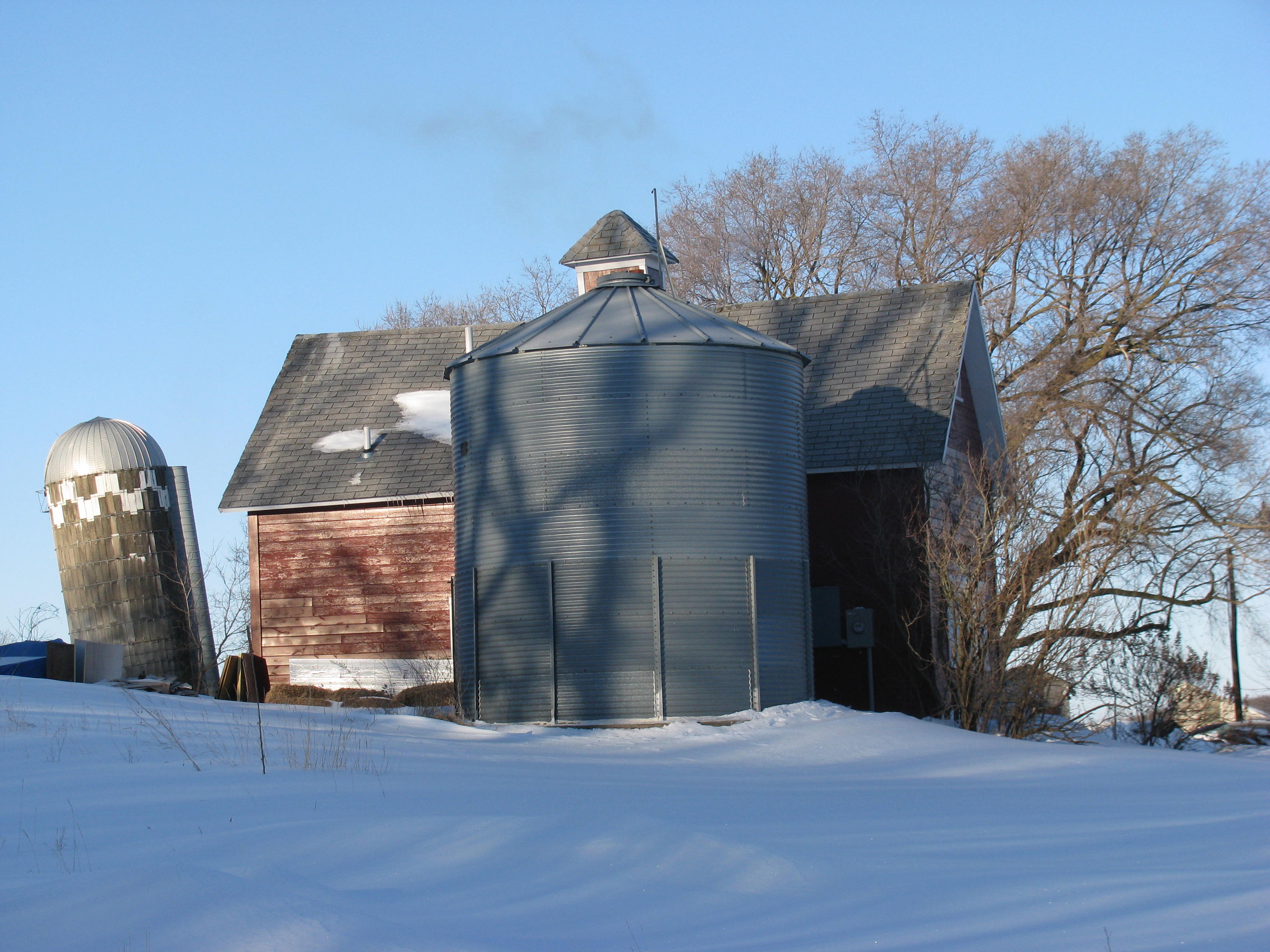
    Leaning silo cornhusk doll Leaning silo fire starter

    The owners, Tim and Jen Poland, of the "Leaning Silo Folk & Homestead School" near Swanville, Minnesota shared that they were nearing completion of a building renovation on their farm that would become a classroom with an adjacent commercial kitchen to prepare lunch for workshop participants. In the spring of 2018, the school began offering its first classes.

    Leaning silo driveway Leaning silo farm schoolhouse

    On April 7, 2018, I attended a workshop titled "How to Grow Your Own Mushrooms." There was a sense of peace mixed with excited anticipation as I drove down the driveway and caught my first glimpse of their homestead. Then. There was the leaning silo. So sweet. And the building that would be my classroom for the next nine hours. 

    Leaning silo mushroom workshop Leaning silo applying wax to logs

    We learned so much from our passionate experts, Ron and Margaret, and took our logs inoculated with mushroom spawn home to tend. I chose to spend the day wearing my father's red flannel shirt in memory of his hard-working life on the farm where I was raised to love and appreciate tending a garden, raising chickens, and foraging in the woods for food and medicinal plants. I have already registered to attend my second class.