Whiteley Creek Homestead

LIFE AT THE END OF A DIRT ROAD IN CENTRAL MINNESOTA

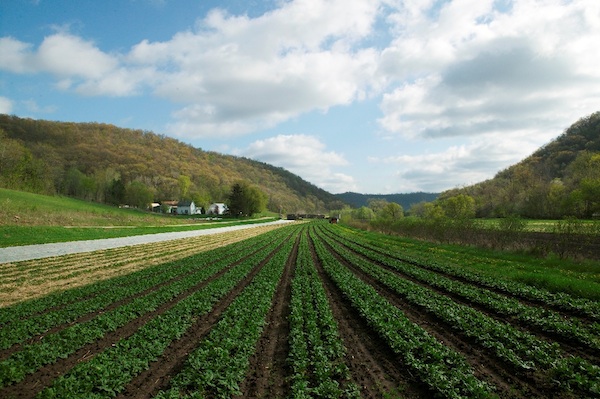
organically grown triticale in our field
canoeing in our wetlands
raspberries growing wild on our property
our back porch fieldstone fireplace
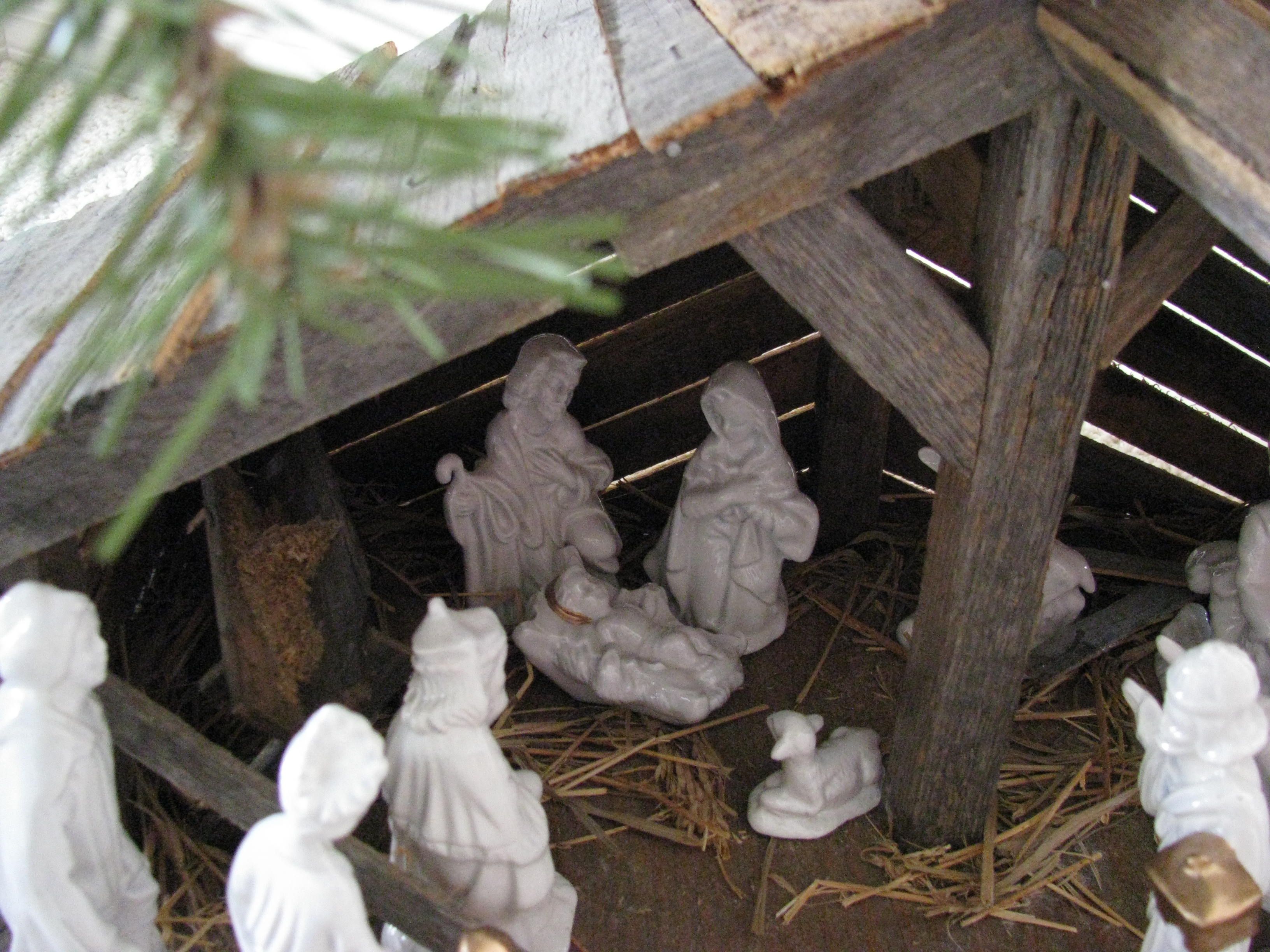
  • Nativity

    Mary, did you know? Kenny Rogers and Wynonna Judd http://www.youtube.com/watch?v=mN70R-3ao0U

    Mary, did you know
    that your Baby Boy will one day walk on water?
    Mary, did you know
    that your Baby Boy will save our sons and daughters?
    Did you know
    that your Baby Boy has come to make you new?
    This Child that you delivered will soon deliver you.

    Mary, did you know
    that your Baby Boy will give sight to a blind man?
    Mary, did you know
    that your Baby Boy will calm a storm with His hand?
    Did you know
    that your Baby Boy has walked where angels trod?
    And when you kiss your little Baby you've kissed the face of God?

    Oh, Mary, did you know

    Mary, did you know

    The blind will see.
    The deaf will hear.
    The dead will live again.
    The lame will leap.
    The dumb will speak
    The praises of The Lamb.

    Oh, Mary, did you know
    that your Baby Boy is Lord of all creation?
    Mary, did you know
    that your Baby Boy will one day rule the nations?
    Did you know
    that your Baby Boy is heaven's perfect Lamb?
    This sleeping Child you're holding is the Great, I Am.

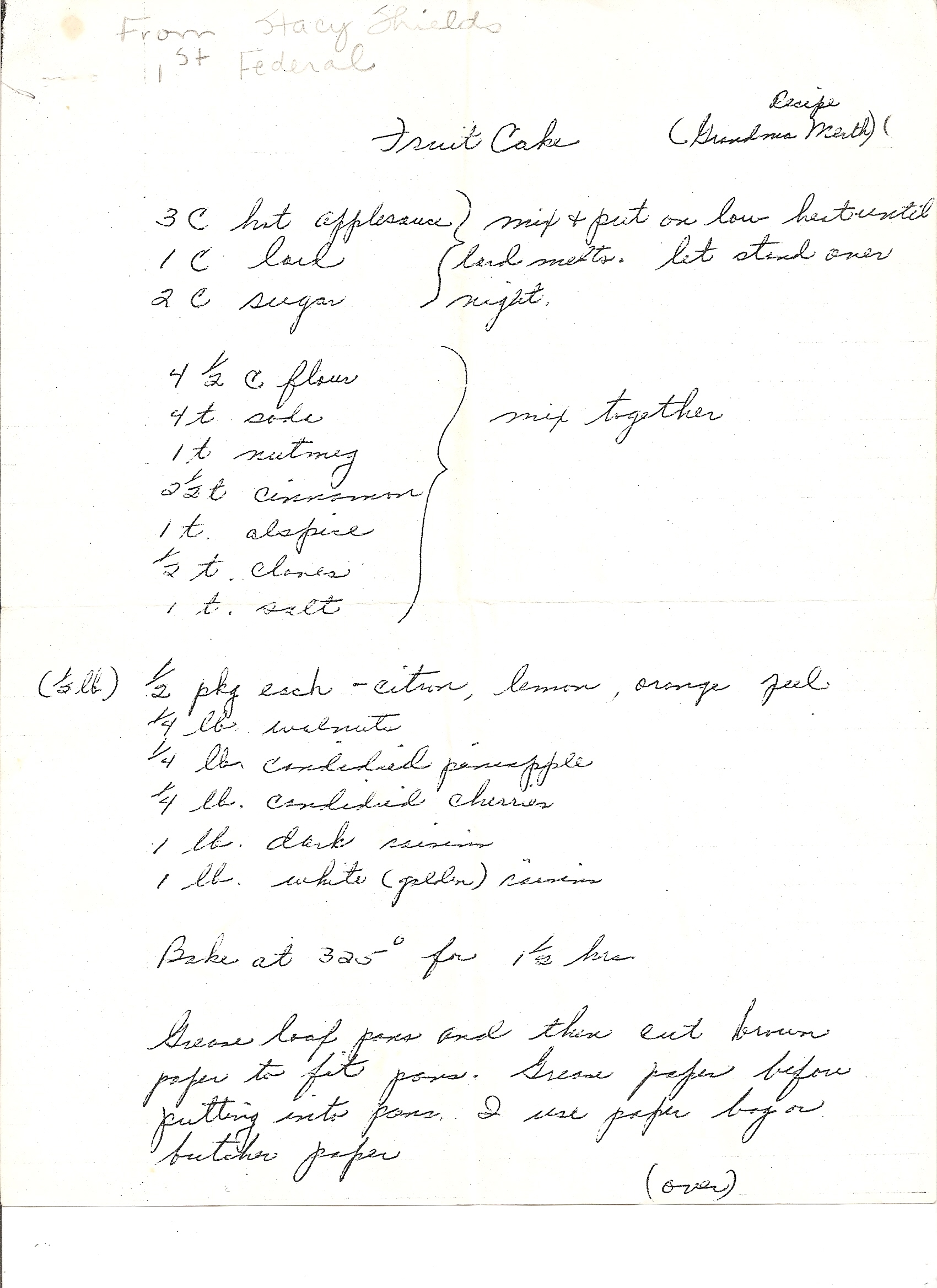
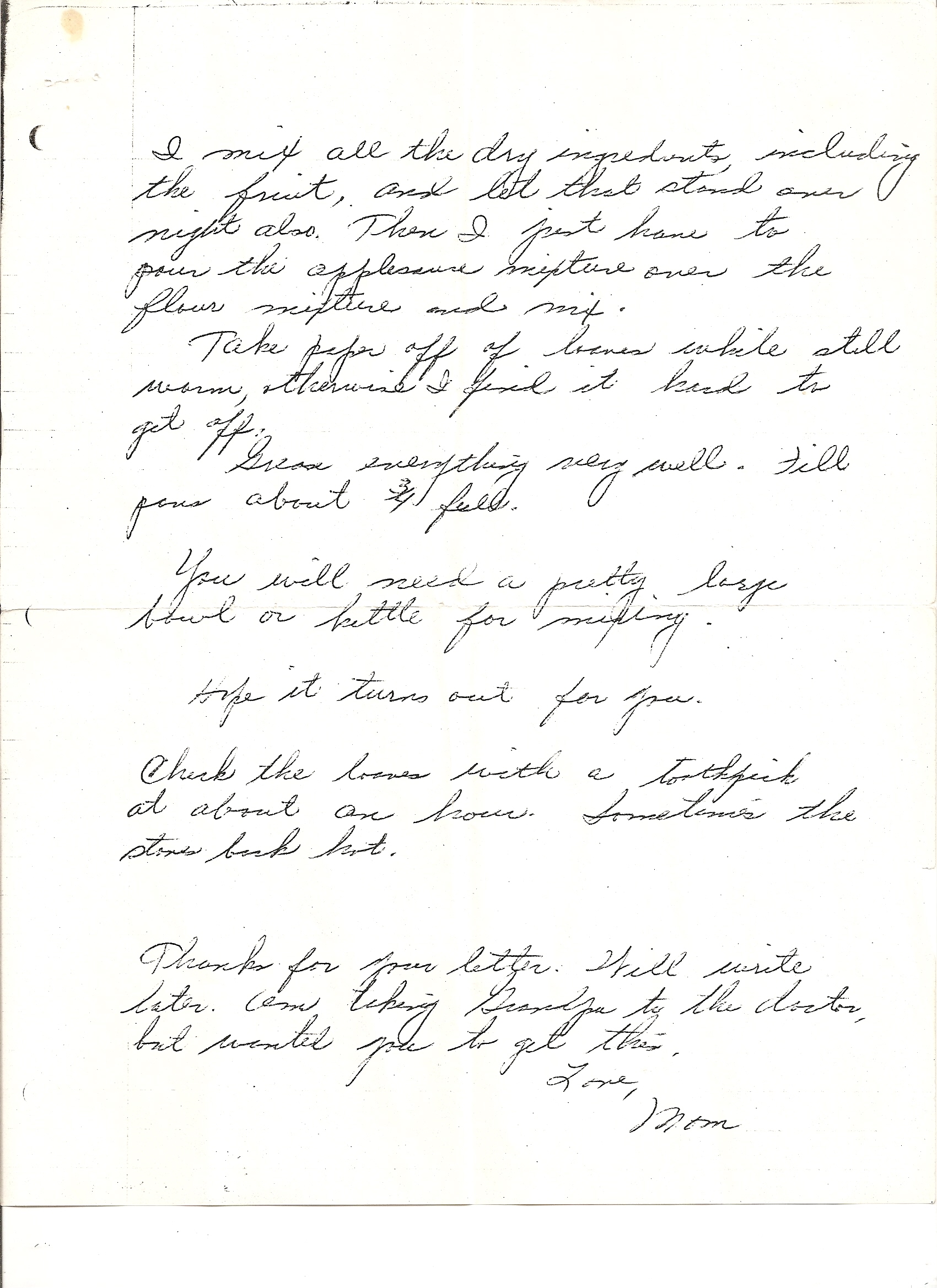
  • When my youngest daughter, Jessica, arrived tonight to stay a few days over Christmas, I directed her to the fridge where there was a small pan of leftover lentil soup for her to heat up. I also placed a loaf of what I told her was "dried fruit nut bread" on a cutting board to accompany the soup. Looking upon it, she said,"It's not that icky bread that people make at Christmas, is it?" Me: "You mean fruit cake?" Jessica: "Ya, that." Me: No response. I just wanted her to taste my fruit cake before she passed judgement on this Christmas tradition that is oft a butt of jokes. Afterall, the recipe triggered a memory… as food often does. I wanted her to be part of that memory, because she was. Tucked into my recipe box for 25 years or so, handwritten, passed down over three generations… grandmother to mother to daughter, a traditional citron fruit cake recipe. Not my family's recipe. No. But a family's special recipe nonetheless. I first tasted it during a Christmas season so very many years ago when, with my young daughters in tow, I went to First Federal in Brainerd (Minnesota) to do what it is that one does at a bank. In the spirit of the season, that December day, there were home baked goodies for bank patrons to sample. They were beautifully, enticingly arranged atop a cloth-lined table in the bank's lobby. An employee had made a fruit cake for the occasion but had subbed colorful, chopped gumdrops for the citron. Tasting it, I imagined what Edmund in C.S. Lewis's The Lion, the Witch, and the Wardrobe must have experienced when he began to eat the Turkish Delight that the White Witch had provided him. I complimented the baker and asked if she might be willing to share the recipe. She kindly did so. It has a note at the bottom of p. 2 from her mother that adds a personal touch that handwritten recipes do. "Thanks for your letter. Will write later. Am taking Grandpa to the doctor, but wanted you to get this. Love, Mom"             Sweet.    

      Fruit cake recipe original p.1Fruit cake recipe original p.2

    It's the fruit cake's citron that makes it distasteful to some, I am convinced. Simple solution… switch out the citron (candied citrus fruit rind) for gumdrops or dried fruit like dark and golden raisins, cherries, cranberries, dates, pineapple, and apricots. It doesn't seem right to eliminate the citron and still call it fruit cake, yet… 

    Flour siftedDried fruit and nuts chopped
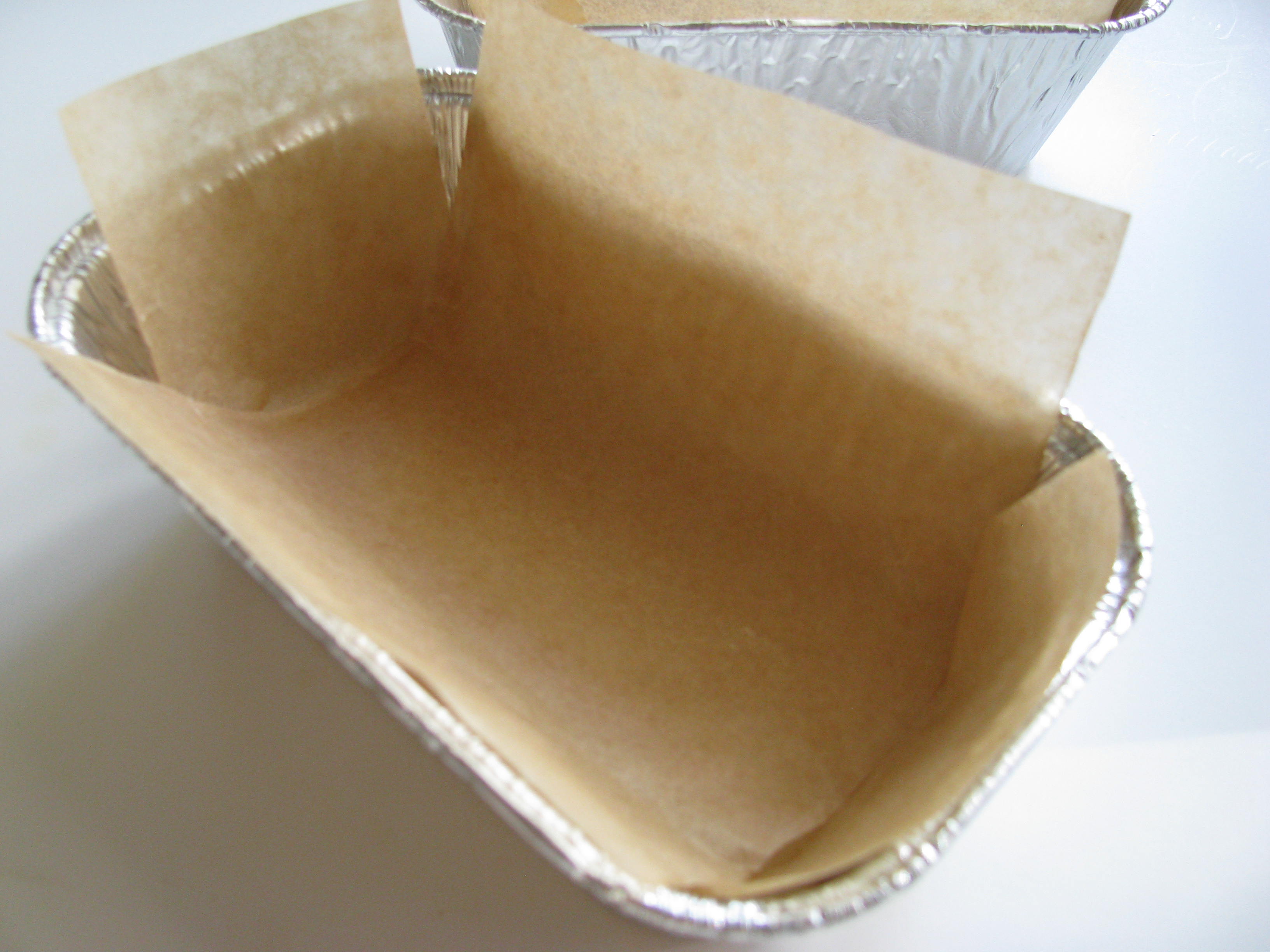
    Fol loaf pan linerFruit cake batter

    1. aroma of spices wafting from the sifter… 2. dried fruit and nuts 3. parchment-lined foil loaf pans 4. dried fruit cake batter

     Baked fruit cake

    Dried Fruit Cake

    (I reduced the original quantities in the entire recipe by half and reduced some quantities even further to make it cleaner.)

    1 ½ cups unsweetened applesauce

    ½ cup lard ¼ cup butter

    1 cup ½ cup sugar

    Mix and heat over low setting until butter melts. Let stand overnight. I allowed it to cool while I prepared the remaining ingredients. In a large bowl, sift or whisk the following ingredients together. Prepare pans by lining them with natural parchment paper. (See photo above.) I used three EZ Foil loaf pans size 5 ¾ inch X 3 ¼ inch that each hold 1 ¼ cups batter .

    2 ¼ cups flour

    2 tsp soda

    ½ tsp nutmeg

    1 ¼ tsp cinnamon

    ½ tsp allspice

    ¼ tsp cloves

    ½ tsp salt

    Mix the following dried fruit into the dry mixture.  I chose, instead, to add it to the applesauce mixture. Flour gets lodged in the crevices of raisins and dried cranberries. The annoying white spots cause the end product to not look as pretty.

    ½ cup citron

    ¼ cup diced dried pineapple

    ¼ cup dried cherries (I subbed cranberries.)

    1 cup dark raisins (I subbed ¼ cup diced dates.)

    1 cup golden raisins (I omitted.)

    Combine the wet and dry ingredients. 1 ¼ cups batter in each parchment-lined pan perfectly fills them 3/4 full. Since I chose to use a much smaller size pan than what was used in the original recipe, I referred to my “little helper” chart to adjust the oven temperature  and baking time, so… if using small foil pans as I did, bake at 350° for approximately 35 minutes instead of 325° for 1 ½ hours as the original recipe states. After removing fruit cake from oven and testing for doneness with a toothpick, use parchment paper flaps to lift from pan onto a cooling rack.

  • Twas the night before Christmas… 

    The children were nestled all snug in their beds,
    While visions of sugar plums danced in their heads.

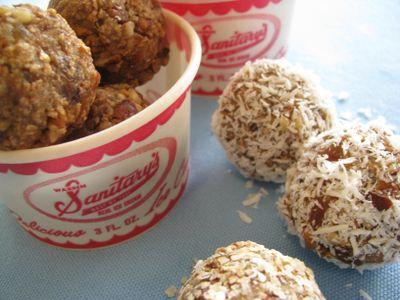
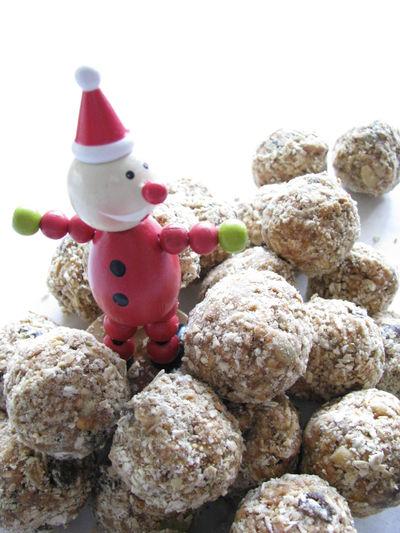
    Have you ever wondered what sugar plums are? A sugar plum is made of any combo of dried fruit such as plums (prunes), figs, apricots, dates, or cherries and shaped in a small round or oval shape. (At one time, "plum" denoted any dried fruit.) The finely chopped dried fruit is combined with chopped nuts and aromatic spices, rolled into balls, and often coated in sugar or shredded coconut.  Until today, I hadn't realized that I have made several varieties of sugar plums such as these Pecan Spice Delights

    Pecan spice delights

    Date Bran Jingle Balls

    Date bran jingle balls

    Pumpkin Seed Oat Energy Bites

    Pumpkin seed oat energy bites

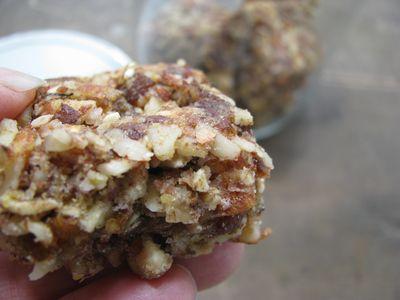
    and Nutty Fruity Bars which could easily be formed into balls.

    Nutty fruit bar

    Although the Date Bran Jingle Balls, Pumpkin Seed Oat Energy Bites, and Nutty Fruity Bars don't exhibit as many of the sugar plum attributes as the Pecan Spice Delights, I think they could still conjure up visions dancing in children's heads as they slumber on Christmas Eve.

  • Yesterday's Quinoa Beet Pancakes resulted in extra beet puree. What's a girl to do? Make beet ice cream, of course! I combined steps from four different recipe's to create this luscious, creamy treat.  

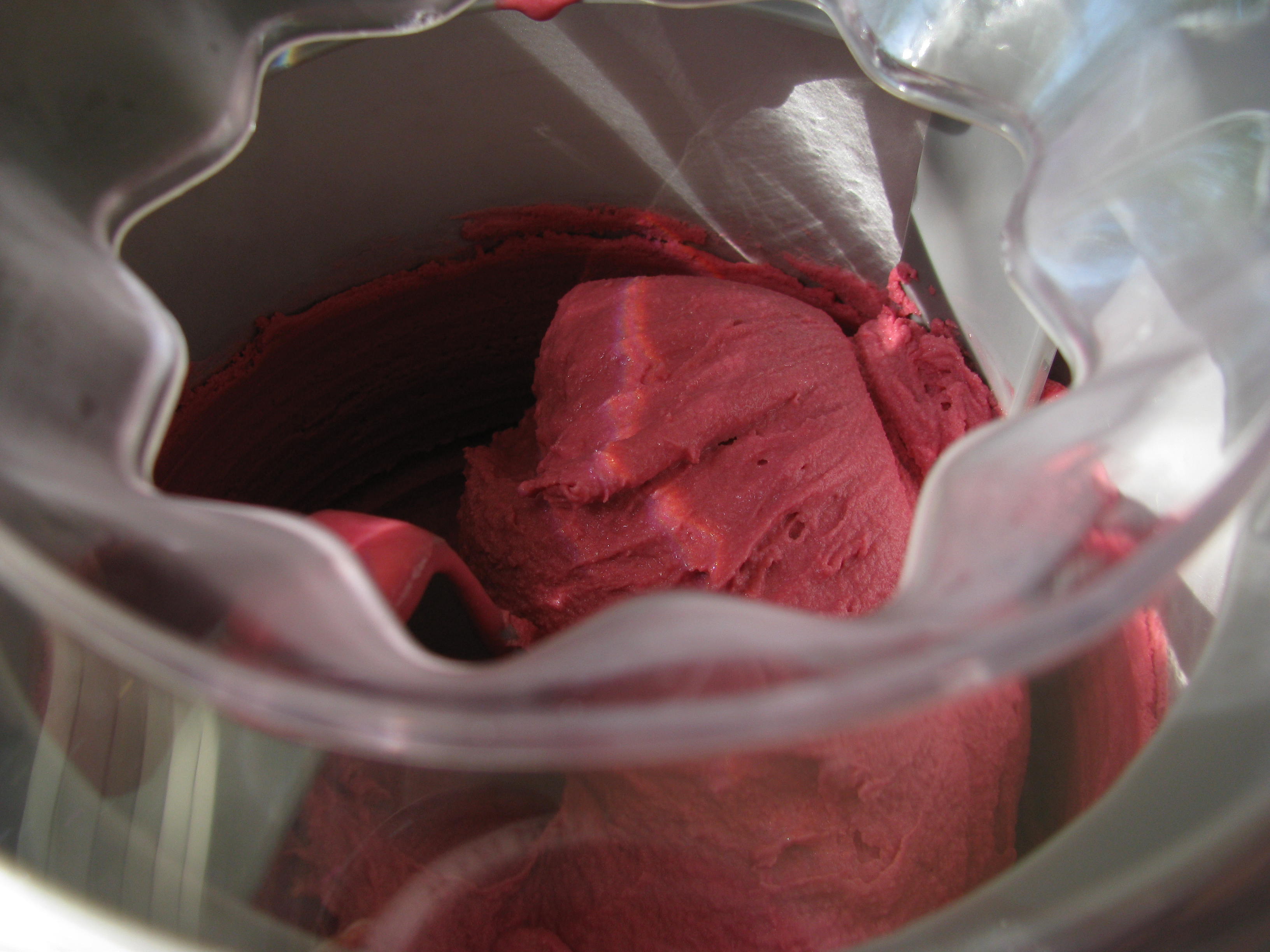
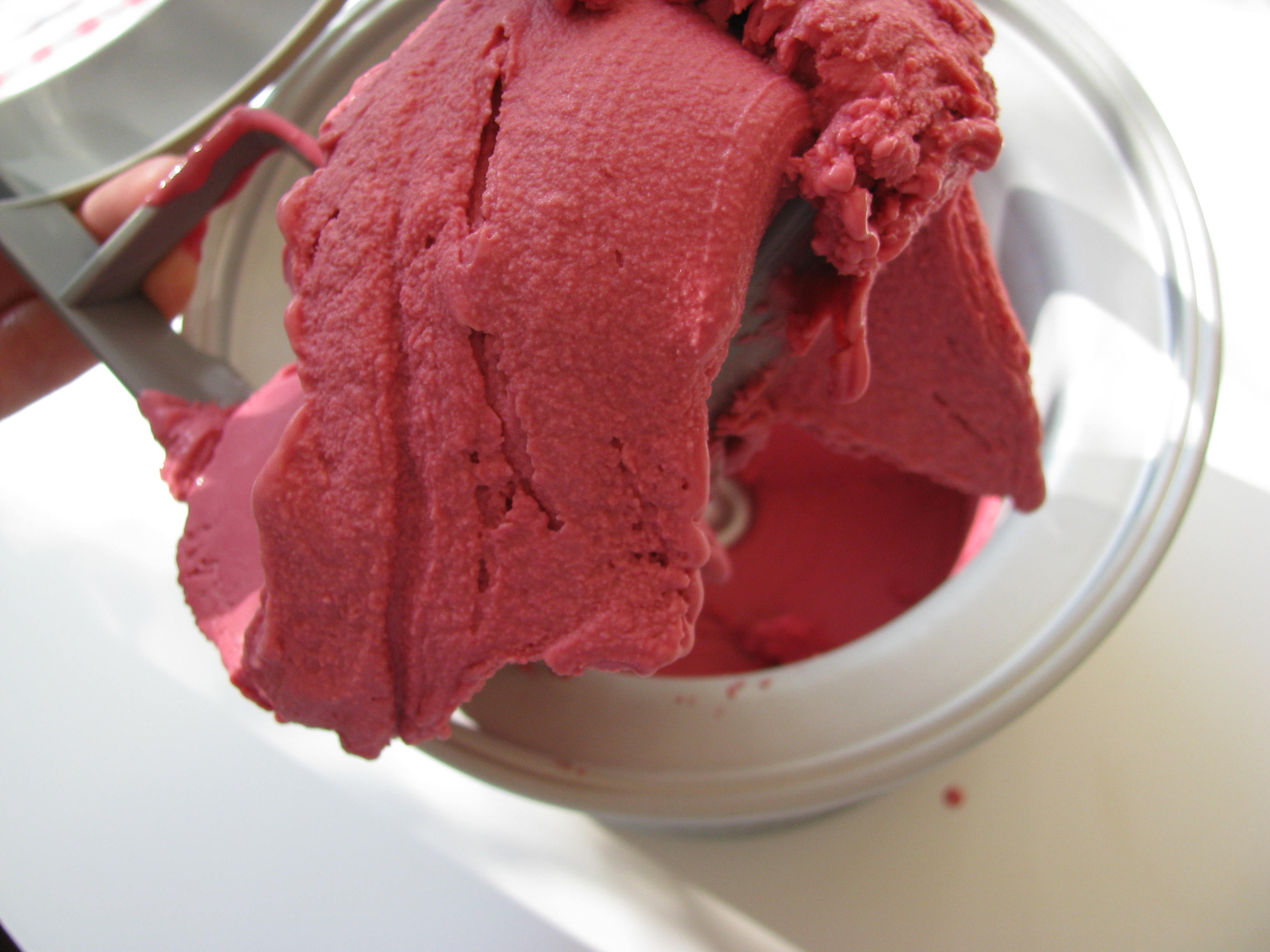
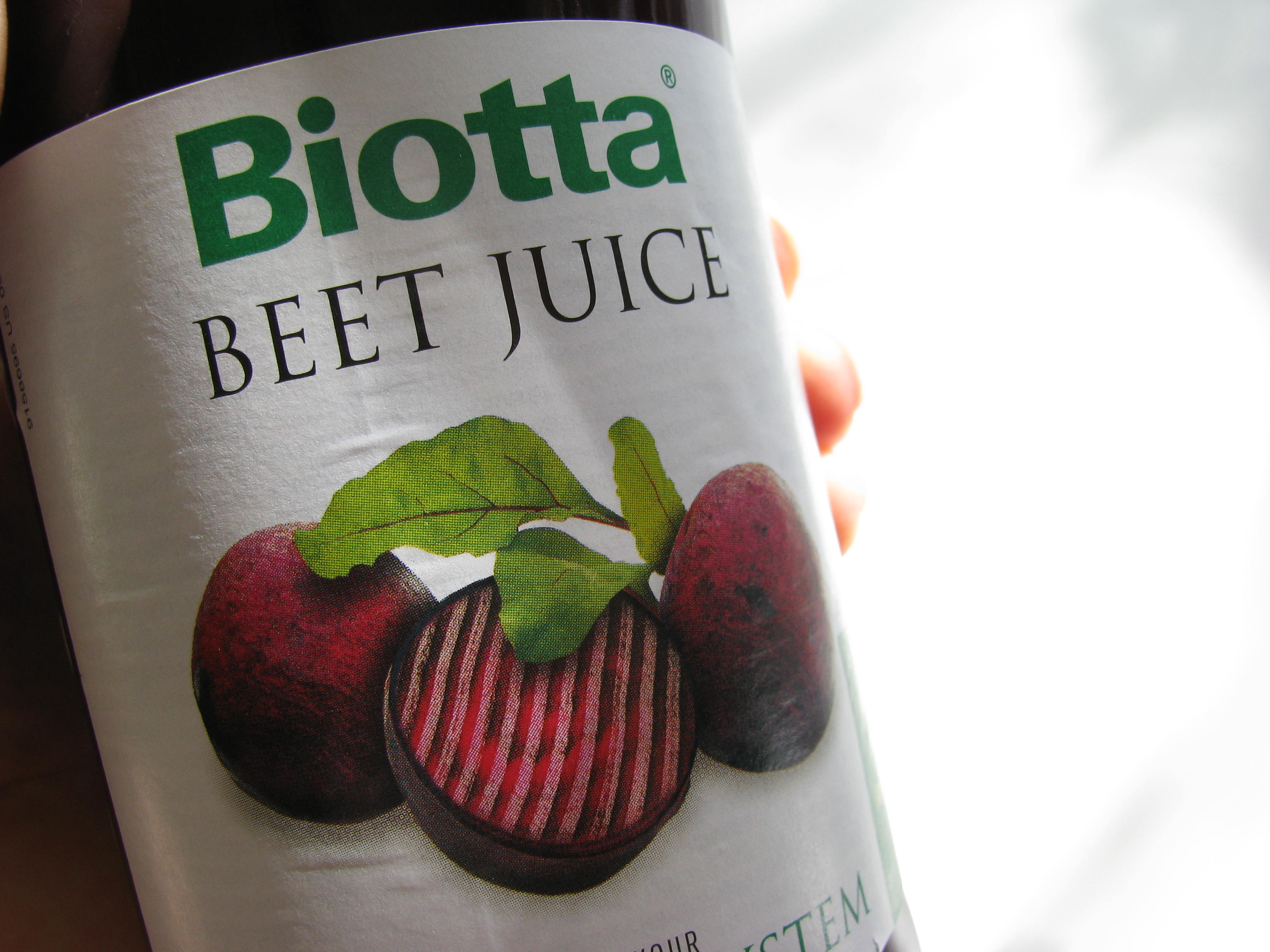
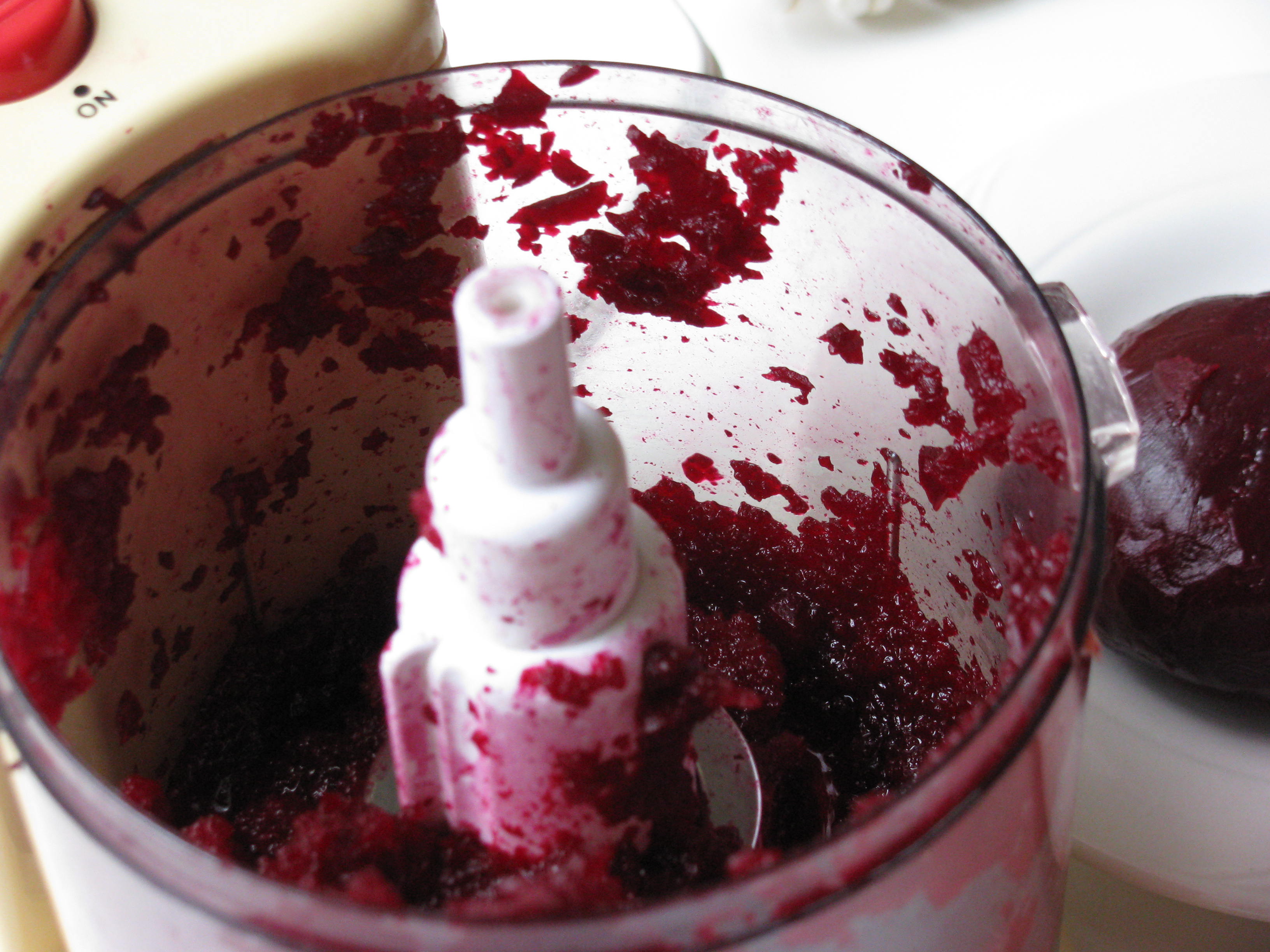
    Tempering egg yolksChurned beet ice creamBeet ice cream on paddleBiotta beet juice

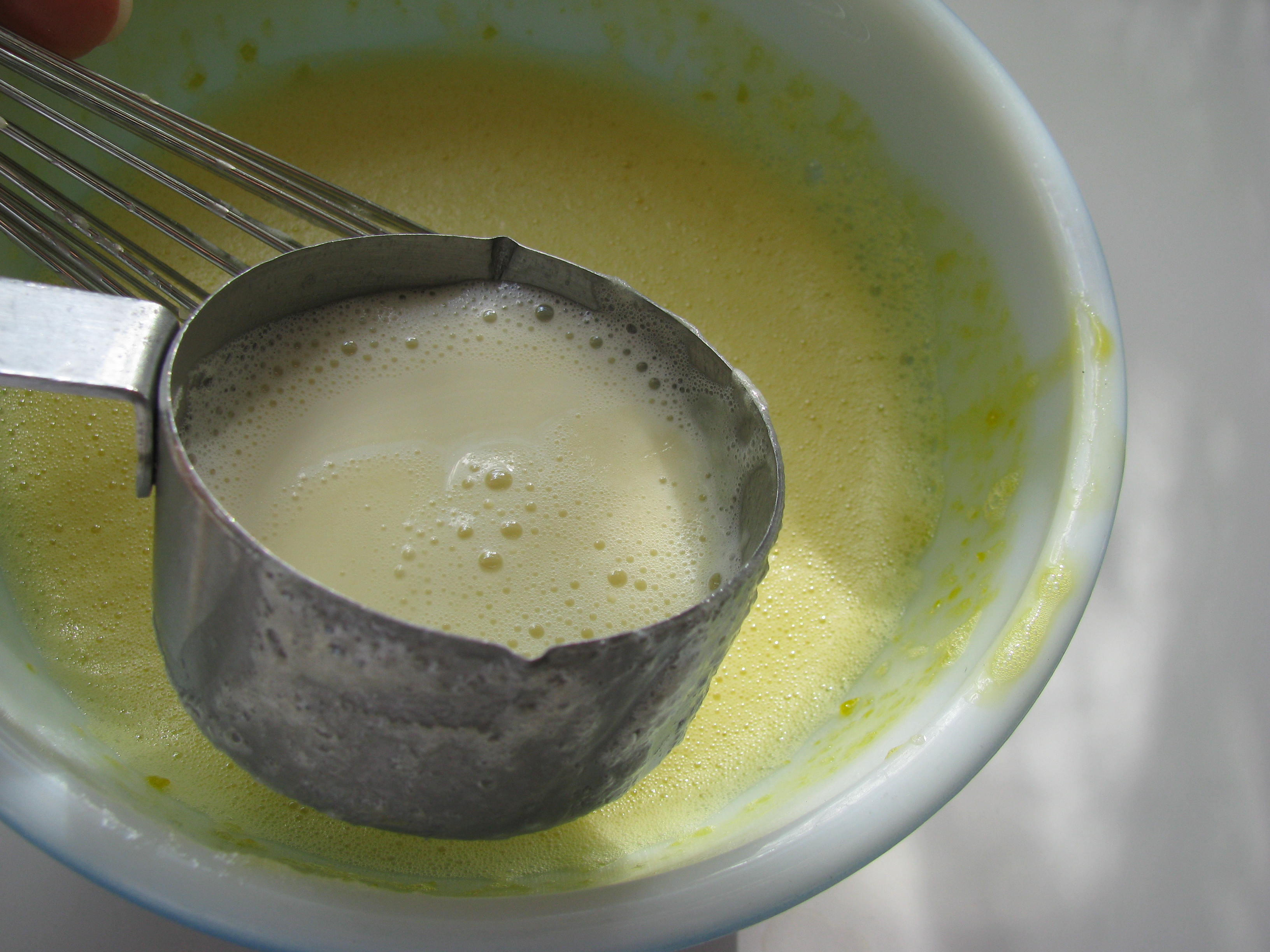
    Far and above, the most important step that I have discovered in the ice cream making process is tempering the egg yolks to prevent scrambled eggs. These things I know… just believe. Tempering is done by gradually whisking some of the hot liquid into the yolks. When the cooked custard begins to thicken as the ice cream maker churns, it is a thing of beauty. My heart leaps at the sight. In the recipe's directions, I have suggested purchasing beet juice as a time saver instead of juicing beets. Biotta, a USDA certified organic brand, is available in my local grocery store's natural/organic foods section. It may also be purchased through vitacost.com.

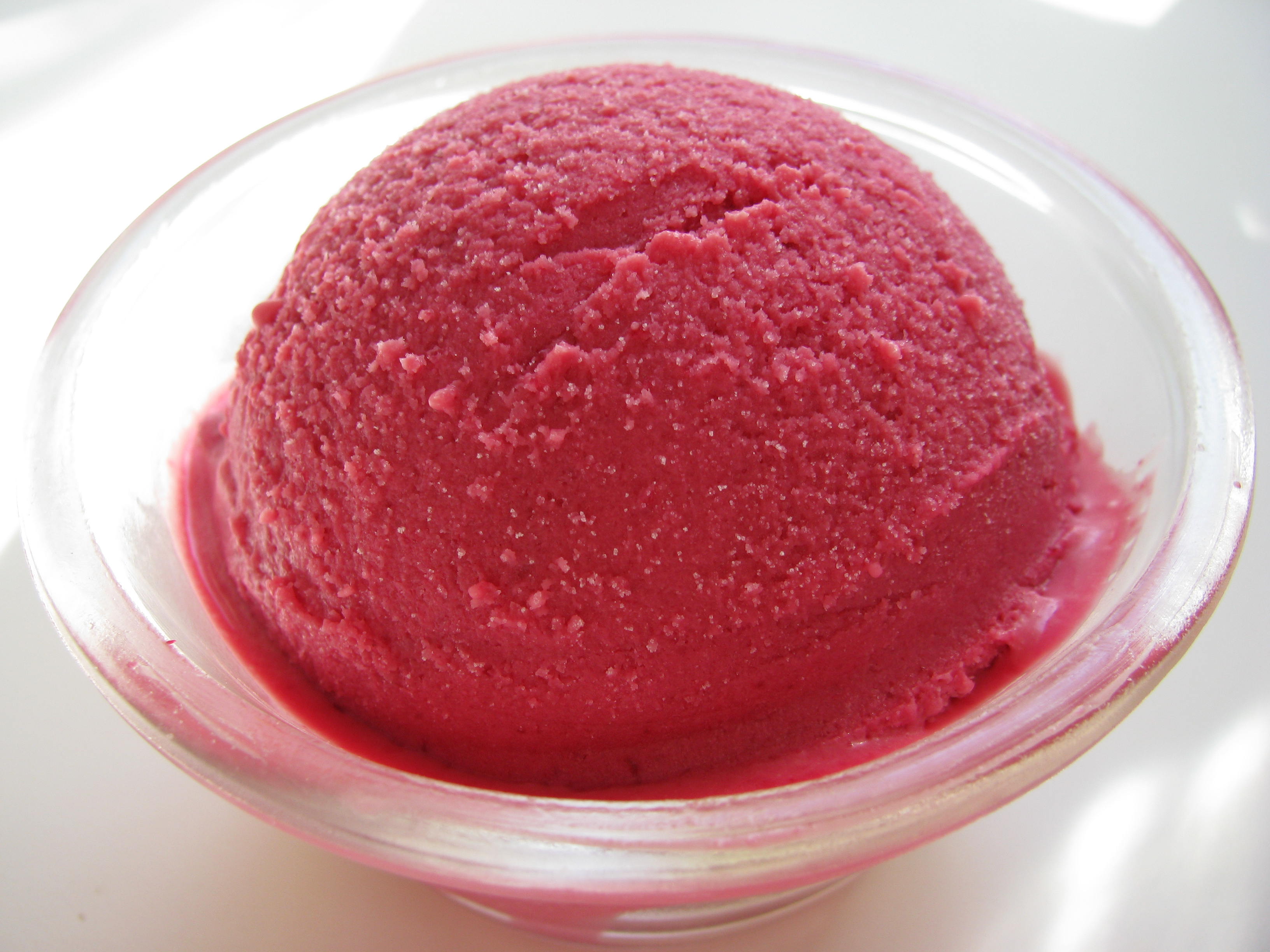
    Beet ice cream scoop

    Beet Ice Cream

    Makes 1 quart.

    1 scant cup of roasted puréed beets

    1 2/3 cup heavy cream

    1 cup milk

    ½ cup 1/3 cup + 2 tbsp sugar

    pinch of salt

    4 egg yolks

    To roast the beets, preheat oven to 375° and place approximately 4-5 firm, scrubbed, unpeeled beets into a baking dish. Add about ½ cup water.  Cover with a lid. If baking dish has no lid, cover it with aluminum foil. Covering veggies when roasting causes them to roast more evenly. Smaller beets take about 25 minutes. Larger and older beets can take up to an hour. When beets are fork tender, allow them to cool enough to handle, then slip their peels off using a paring knife or by rubbing them with your fingers or a paper towel. Cut the beets into quarters and purée in a food processor.

    To make the custard, heat the cream, milk, and beet purée (or beet pulp*) in a large heavy-bottomed saucepan until it just barely comes to a simmer. Remove pan from the heat, cover, and let steep for 30 minutes. Meanwhile, in a small bowl, whisk the egg yolks with 2 tbsp sugar and prepare an ice bath by setting a medium bowl over a larger bowl filled with ice water. After the steeping time has elapsed, strain the liquid to separate out the beet solids and return it to the saucepan. Add 1/3 cup sugar. Bring to a simmer stirring to dissolve the sugar. Very slowly, pour some (about 1/3 to  ½) of the hot cream mixture into the bowl with the egg yolks while whisking constantly until the temperature of the yolks is closer to that of the cream. This is a very important step to avoid scrambled eggs. Pour the tempered yolk mixture back into the saucepan. Stir continually over medium-low heat until the temperature registers 170° – 185° on a digital thermometer and the custard is thick enough to coat the back of a spoon. Pour the custard through a fine-mesh strainer into the bowl set over the ice bath. Let cool for 30 minutes in the ice bath, then place the mixture into the fridge. Once it is cool enough not to form condensation on the lid, cover and chill the mixture thoroughly in the refrigerator for 4 to 8 hours until it registers 40° or below on a digital thermometer. Churn in an ice cream maker according to the manufacturer’s instructions. This should take approximately 25-35 minutes. Serve immediately for soft serve or place in freezer for 3-4 hours to allow ice cream to harden.

    *An alternative method to puréeing beets is to put raw beets through a vegetable juicer until you get about 1 cup of beet juice. Simmer the juice in a shallow saucepan over medium-low heat until it reduces to approximately ¼ cup. The beet juice reduction’s flavor is more intense and sweeter than its original state. Add the beet juice just prior to pouring the cooked custard through a fine-mesh strainer into the bowl set over the ice bath. Use the pulp byproduct in place of the beet purée in recipe.

    For a milder flavored ice cream but still deeply magenta-colored, add the beet juice reduction but not the pulp. If you have no juicer, or want to cut prep time, a bottled beet juice may be purchased.

  • Buried deep within Kim Boyce's Good to the Grain Cookbook, which I highly recommend to include in your collection as it encourages the use of alternative grains, I discovered a recipe for pancakes using quinoa flour and beets. As someone whose stomach once upon a time tumbled at the smell of cooked beets, my palette has seriously matured to even consider pancakes with beets as a main ingredient. Sounding strange enough to give it a whirl, I set about gathering my ingredients direct from the source as in Tomie dePaola's Pancakes for Breakfast. It is a wordless children's book about the humorous troubles a plump old lady encounters trying to make pancakes from scratch.  

    Pancakes for breakfast children's book

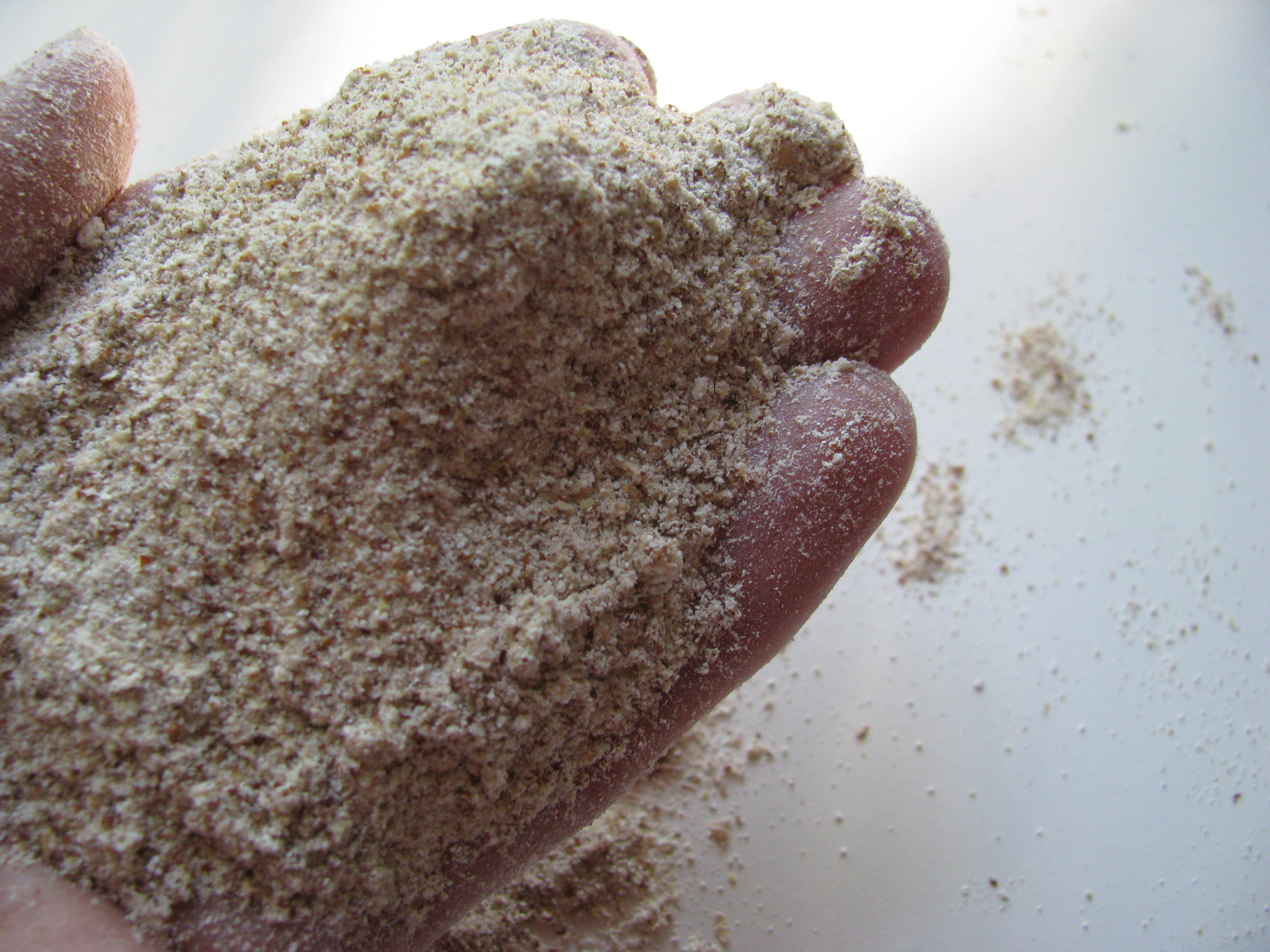
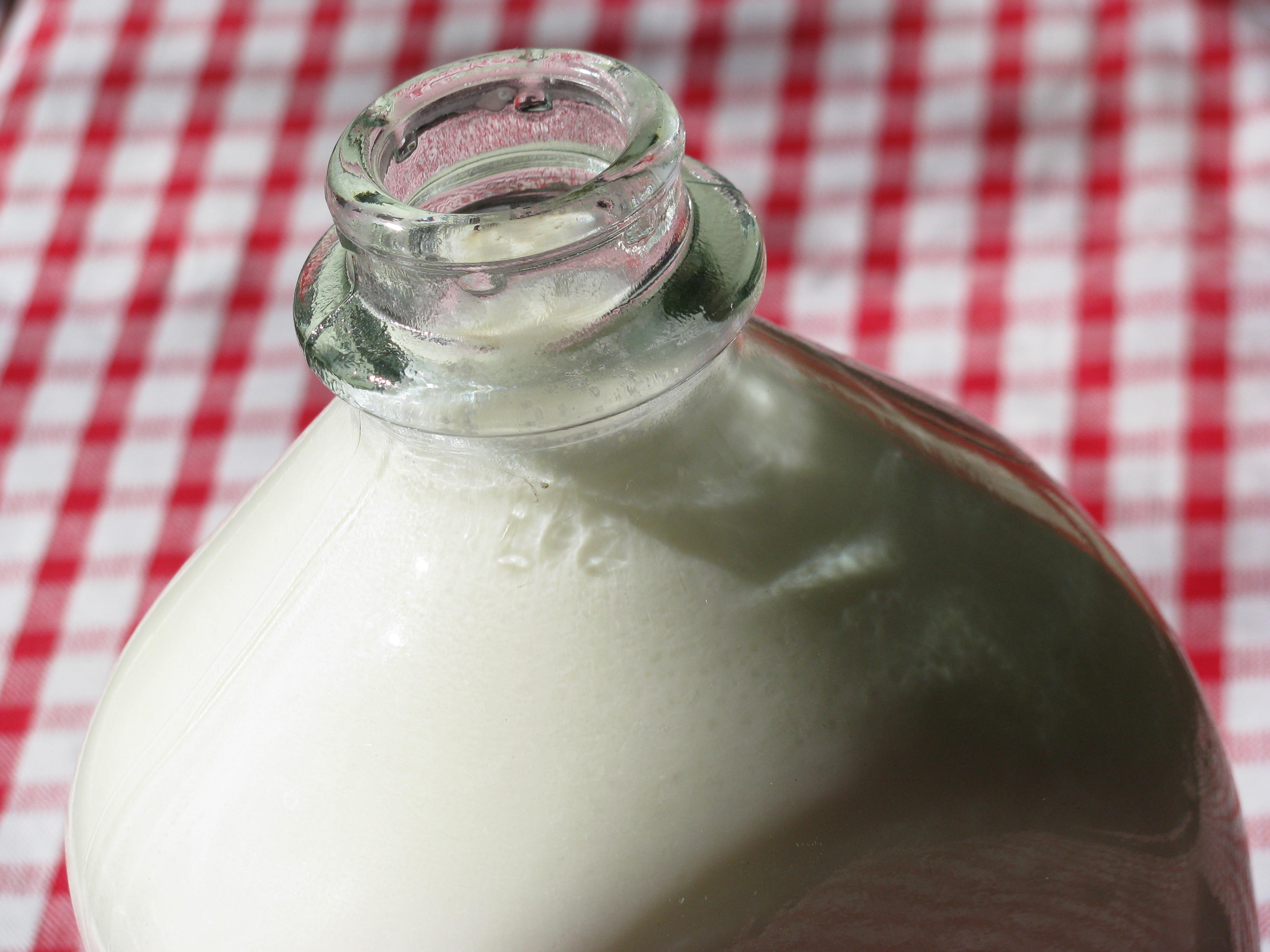
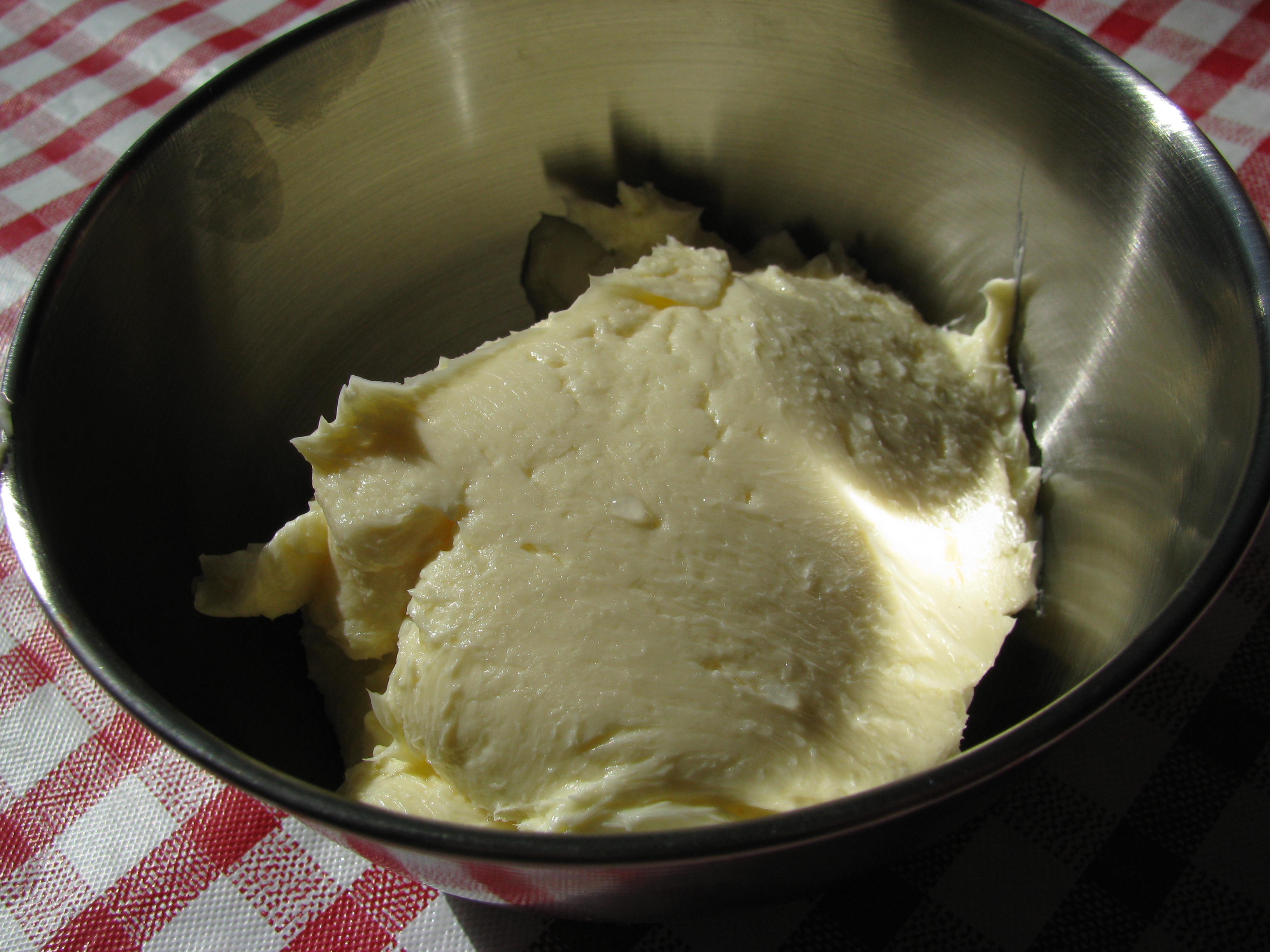
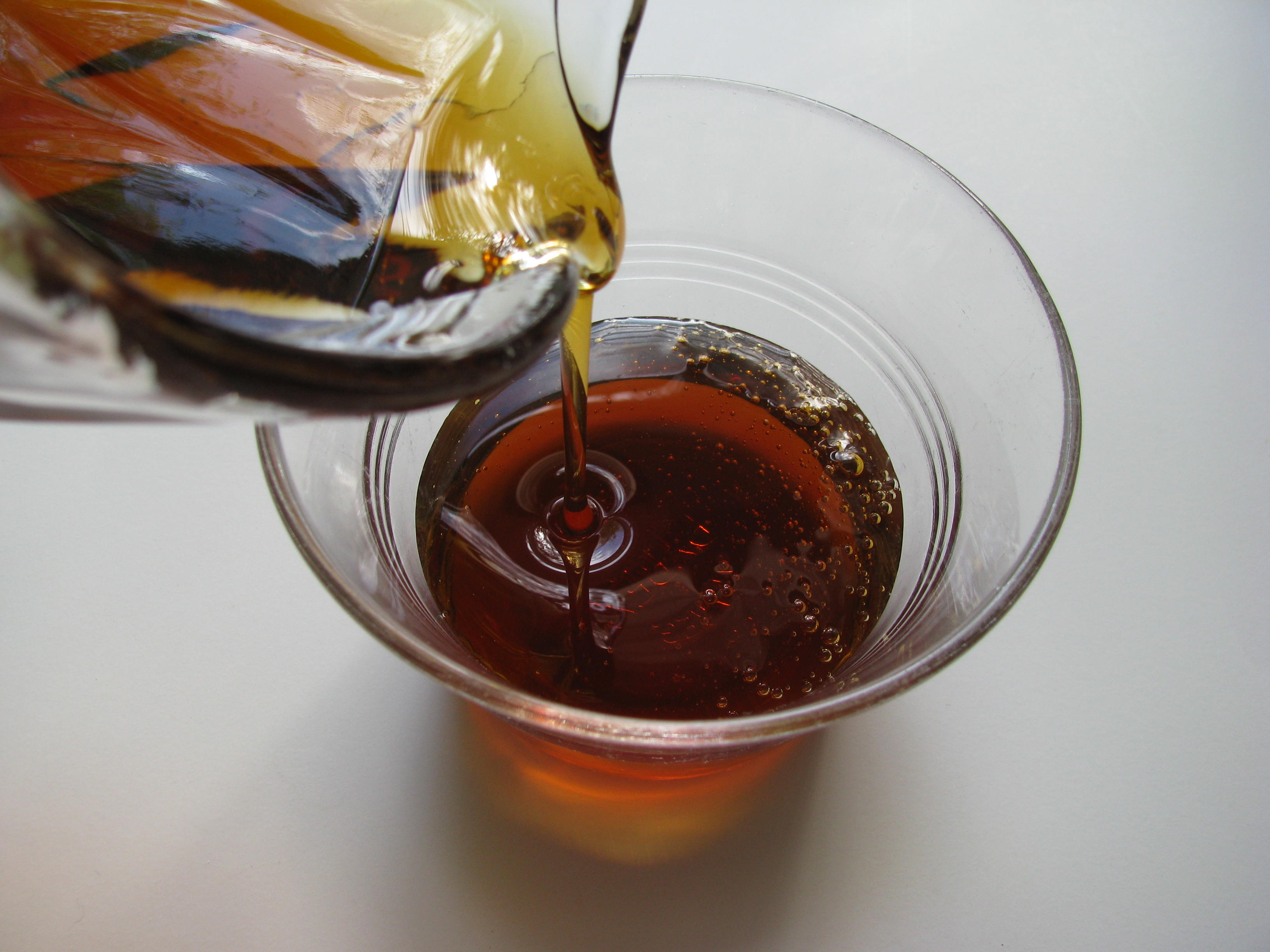
    1)I ground heirloom red quinoa and whole wheat into flour using my grain mill, 2)gathered eggs, 3)purchased raw unpasteurized nonhomogenized milk and cream from a local farmer, 4)made sour cream to use for making cultured butter, 5)whirled the sour cream in my mini food processor until the butterfat separated from the liquid and turned into butter, 6)made homemade yogurt, and 7)purchased Grade B syrup (darker color with a bit stronger flavor) tapped from local maple trees. (If you've been wanting to learn how to harvest your own maple syrup, my daughter Heather created free printables detailing how her family collects maple sap on their homestead and makes it into syrup. The charts make lovely fall, winter, or spring wall art, too.)        
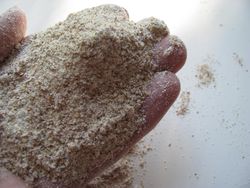
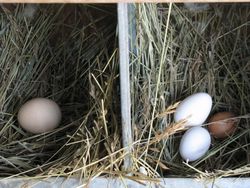
    Quinoa flourEgg in nest
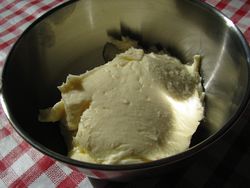
    Raw milkCultured sour creamButter liquid separationCultured butter
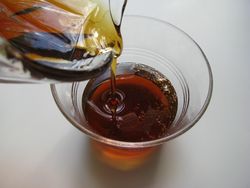
    Room temp raw cultured yogurtGrade B maple syrup

    If you see absolutely no point in reinacting the Pancakes for Breakfast story, here are some shortcuts. Bob's Red Mill produces quinoa flour. The remaining ingredients are available at any grocery store. What's left is to roast, peel, and purée beets that will make the most beautiful magenta pancake batter ever to be seen… 

    Pureed beetsQuinoa beet pancake batter

    and pancakes in a hue unlike any you have ever seen on your plate. If one is oblivious to the pancakes's ingredients, you'd be hard pressed to detect the beets. 
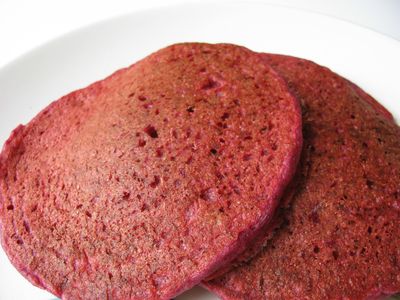
    Quinoa beet pancakes

    Quinoa Beet Pancakes

    Makes 16 pancakes.

    3 medium-small red beets (Hmmm… orange beets might be fun,
    too.)

    Dry Mix:

    ½ cup quinoa flour

    ½ cup whole wheat flour

    1 cup all-purpose flour I use 1 ½ cups w.w. pastry
    flour or a mix of flours-millet, buckwheat, amaranth, barley, oat, teff, etc .

    3 tbsp dark brown sugar I use 2 tbsp rapadura. Raw
    cane sugar is fine, too.

    1 tbsp baking powder I use 1 tsp baking powder + ½
    tsp soda.

    ¾ tsp salt

    Wet Mix:

    1 ½ cups whole milk

    1/3 cup plain yogurt

    3 tbsp unsalted butter, melted and cooled slightly

    1 egg *See note.

    ½ cup beet purée (See roasting directions.)

    "Roasting beets is the preferred method for cooking beets. It not only preserves the flavor, it also enhances color and provides the best texture." (Clean Eating Magazine Nov/Dec 2009) To roast beets, remove the leaves keeping about 1 inch of the stem to prevent the beet from losing its juices and drying out during roasting. Wash the beets in cold water being careful not to tear the skin. Arrange beets in the center of a large piece of foil. Drizzle with a little olive oil, then wrap the foil around the beets folding the edges closed. (I used a covered casserole dish instead of aluminum foil.) Roast at 400°F until the beets are very tender, about 45 minutes. Time will vary depending on the size of the beets. To prevent staining, coat your fingers in olive oil. Gently remove the skins from the beets with a sharp knife; the skins should slip off easily. Cut off the stems and bottoms. Purée with a little water in a food processor or blender until smooth. In a large bowl,
    combine the dry ingredients. In a medium bowl, whisk together the milk, yogurt, melted butter, egg, and beet purée until smooth. (*Note: I learned a mixing trick from Molly Wizenberg via her delightful cookbook, A Homemade Life. Rather than adding the melted butter directly to the wet ingredients, separate the egg and mix the yolk with the melted butter in a Pyrex custard cup then add it to the wet ingredients along with the egg white. It helps the butter to better incorporate into the batter, making for a more even-textured pancake.) Using a spatula, add the wet ingredients to the dry ingredients and gently combine. Heat a cast iron pan or griddle over medium heat until water sizzles when splashed onto the pan. Working quickly, dollop ¼ cup mounds of batter onto the pan. Once bubbles have begun to form on the top of the pancake, flip it over and cook until the bottom is golden brown.

  • In yesterday's post, I shared Dick's and my outing to the two hamlets (two additional hamlets are in the planning stages) in the community of Serenbe 35 miles southwest of Atlanta. There was so much to see at every bend, so this is part two of our adventure which covers our two-night stay in the Inn at Serenbe.

    Serenbe farmhouse B+BSerenbe cabin

    L – We stayed in the 1905 farmhouse located in the photo's background. Our breakfast was served in the building in the foreground. R- Several cottages on the property are available for overnight stays, as well. Additionally, overnight and extended stays can be arranged in the Serenbe community (see yesterday's post).

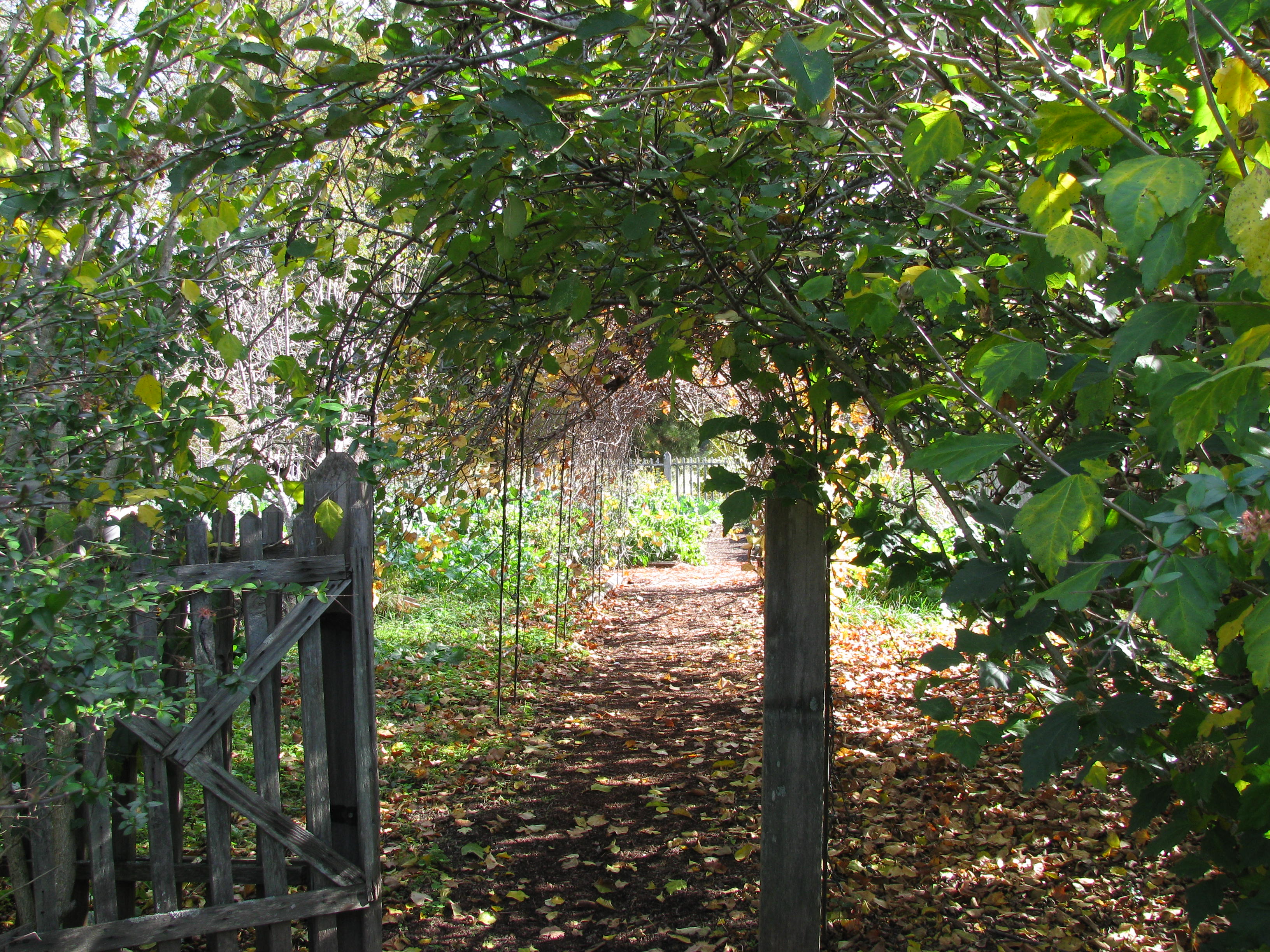
    Serenbe bedroom window viewSerenbe garden path
    Serenbe pecan treePecan in shell
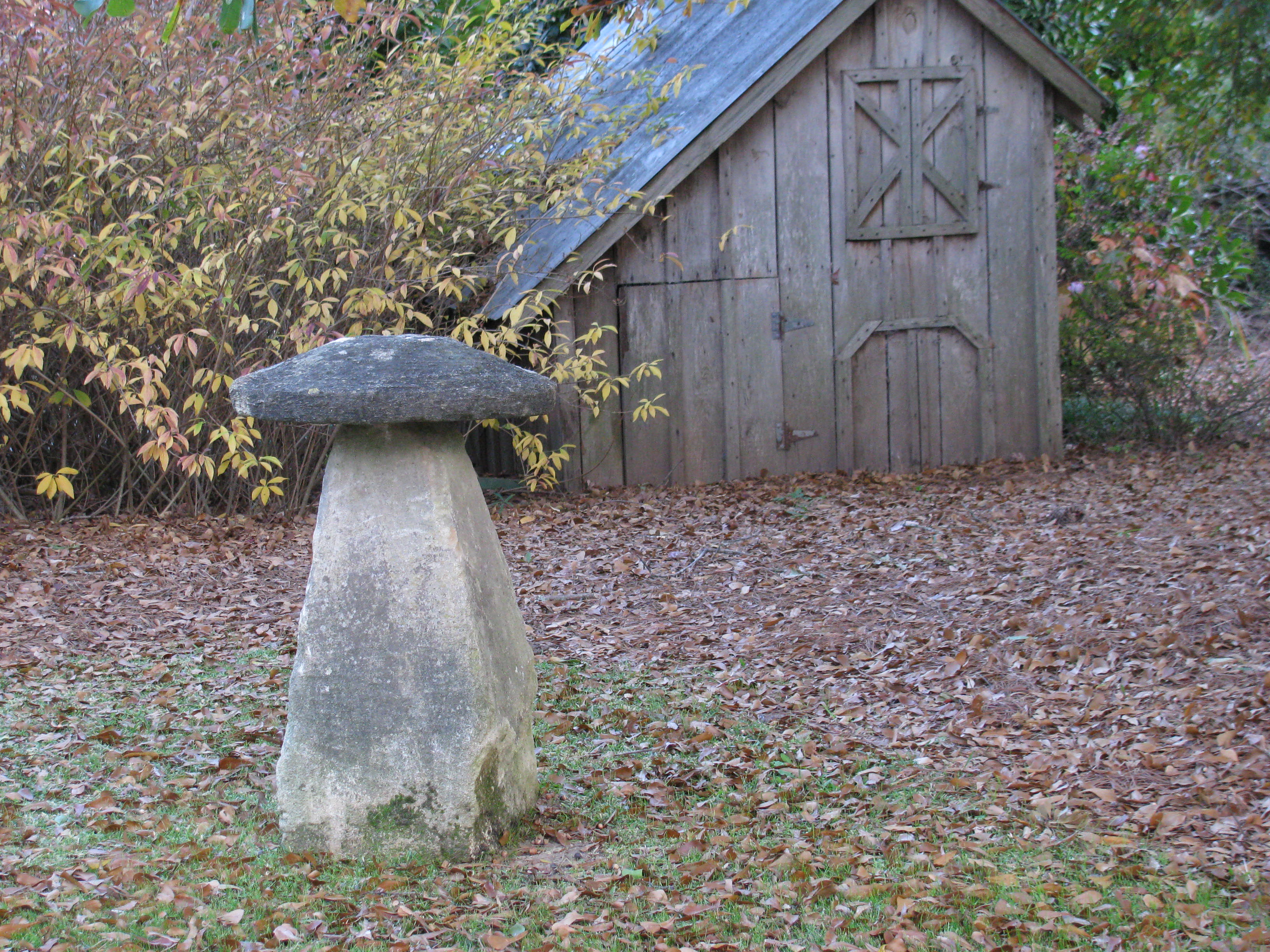
    Serenbe concrete mushroom


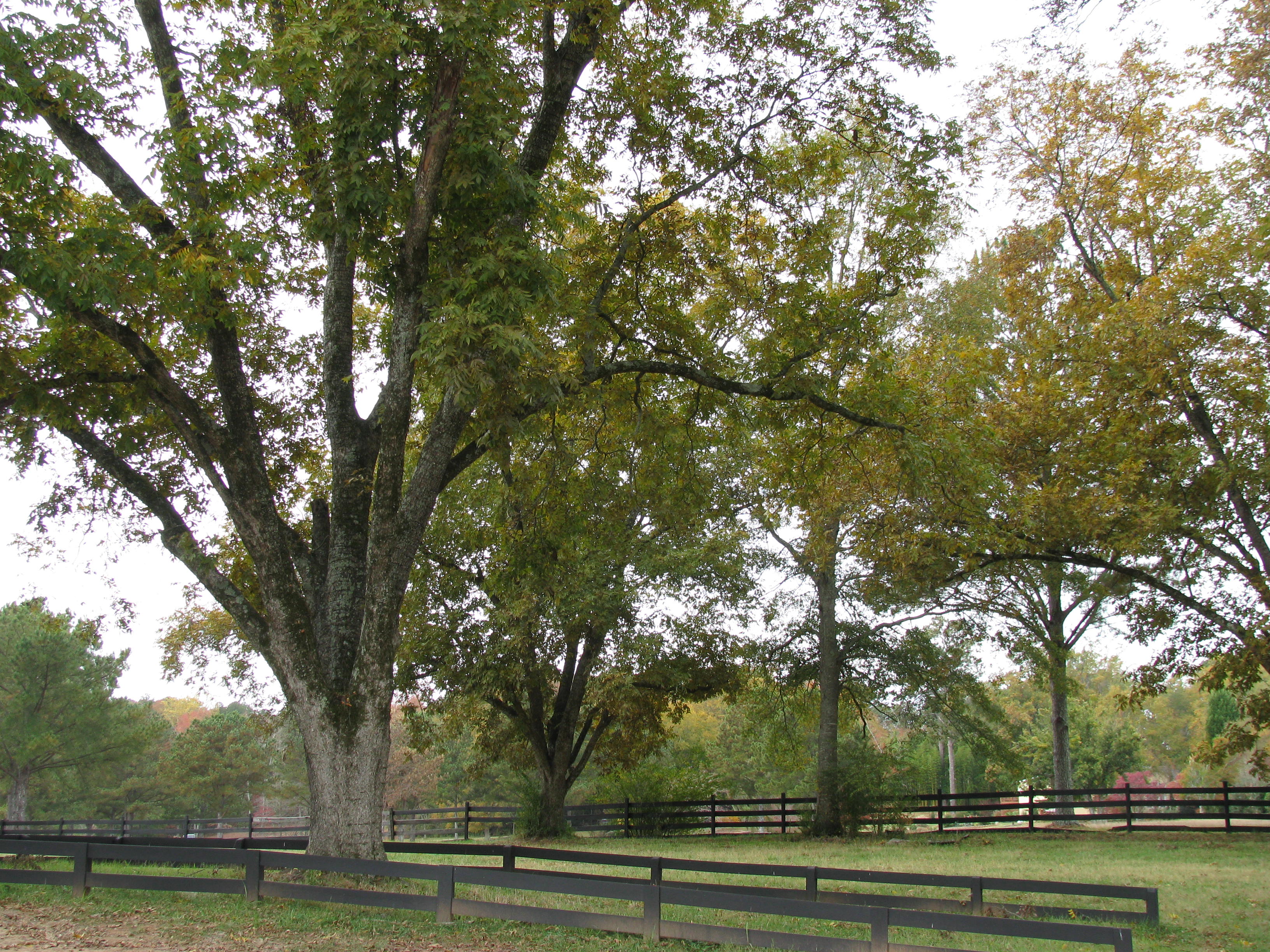
    L to R – 1) view of garden looking out our bedroom window 2) path leading to garden 3) very old Georgia pecan trees 4) pecans I gathered from the ground under the trees 5) concrete mushroom… oh, I'm in love


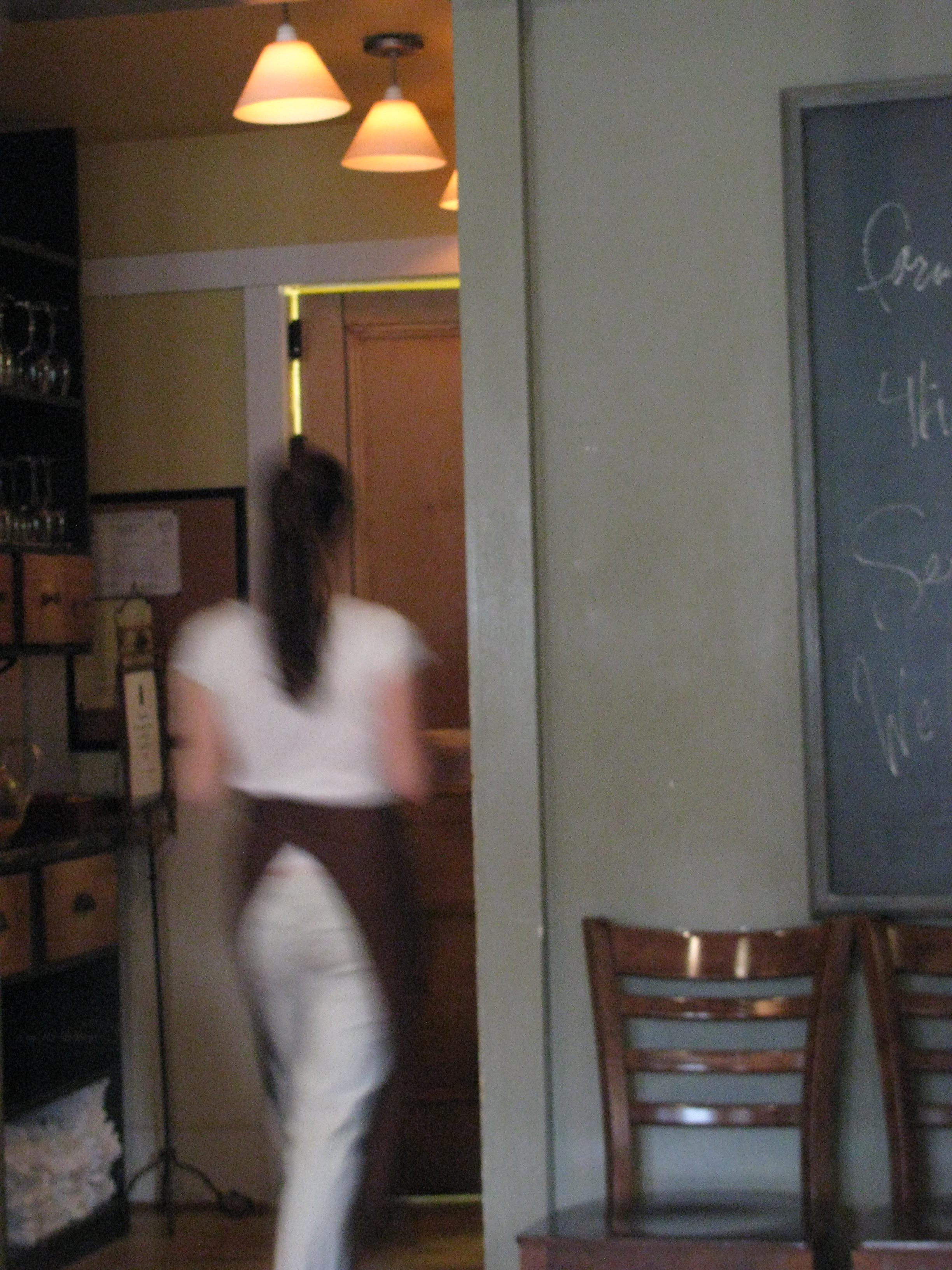
    Serenbe breakfast serverBlue eyed daisy dinner specials

    L - our server each morning at breakfast R - Blue-Eyed Daisy Bakeshop dinner specials where we ate lunch and dinner in the community of Serenbe. Let's be honest here. The made-from-scratch, fresh from Serenbe's organic farm food was so amazing that we stopped by for mid-morning and mid-afternoon goodies, too.

    Blue eyed daisy tuna salad plate

    This simple lunch was artfully arranged on the plate by encircling the potato and tuna salad with raw rings of onion. Even the crackers were placed just so. 
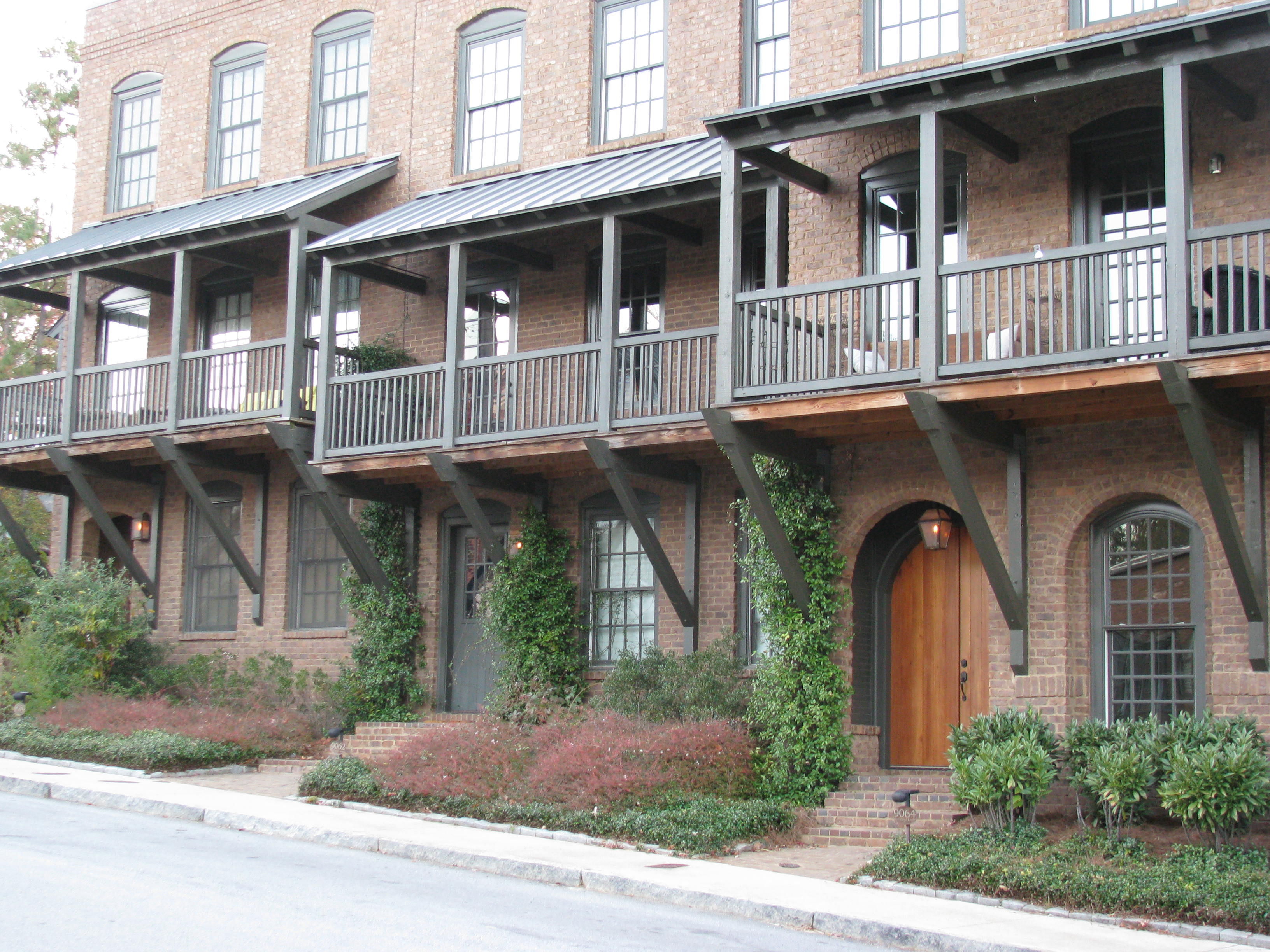
  • Thirty-five miles southwest of Atlanta, a quiet little 900-acre community named Serenbe came to be through much forsight and planning. It was where Dick and I spent two peaceful days and nights on Monday and Tuesday, November 7 and 8. Aptly named from the melding of two words, serenity and be, it is most certainly a place where "you will find the serenity to simply be." Built to preserve land from Atlanta's rapidly advancing subdivision-style urban sprawl, Serenbe consists of four hamlets with architecture that is unique to each one and differing functions benefiting the community as a whole. The first hamlet we visited was Selborne.

    Serenbe selborne hamletSerenbe selborne hamlet housing

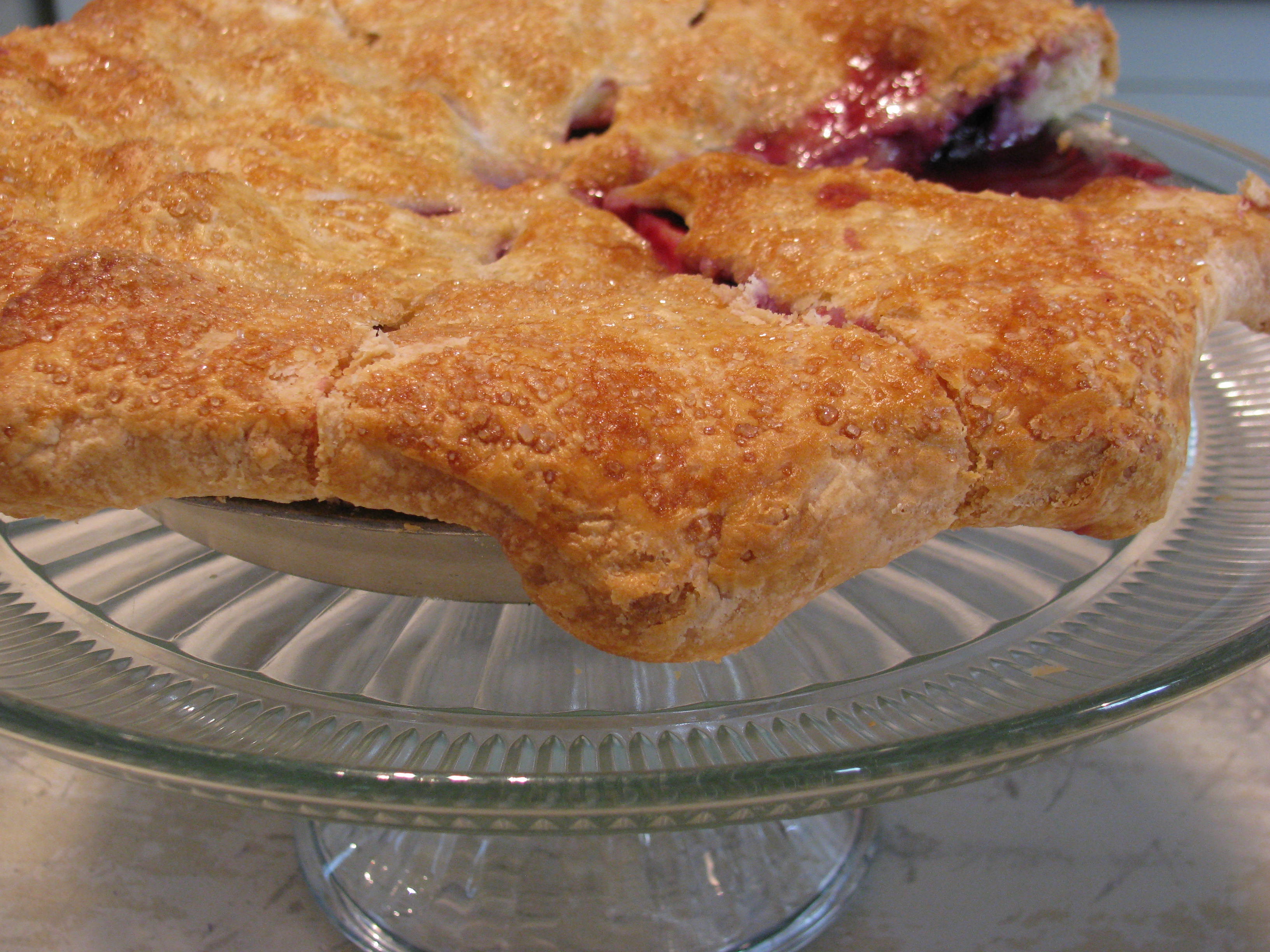
    The Selborne Hamlet's focus is visual, performing, and culinary arts. Many artists reside in their studios and display work in Serenbe's galleries. The Serenbe Playhouse opened in the summer of 2010 with three performances for its inaugural season. Dick and I ate several made-from-scratch meals at the homey Blue-Eyed Daisy Bakeshop. I was drawn to the rustic pie crust that draped over the edges of a freshly baked apple blueberry pie. The crust was crunchy and a sprinkling of sugar sparkled like frost on a wintry morning. It was sooooo delicious!

    Blue eyed daisy bakeshopApple blueberry pieBloom shopHeadband holder

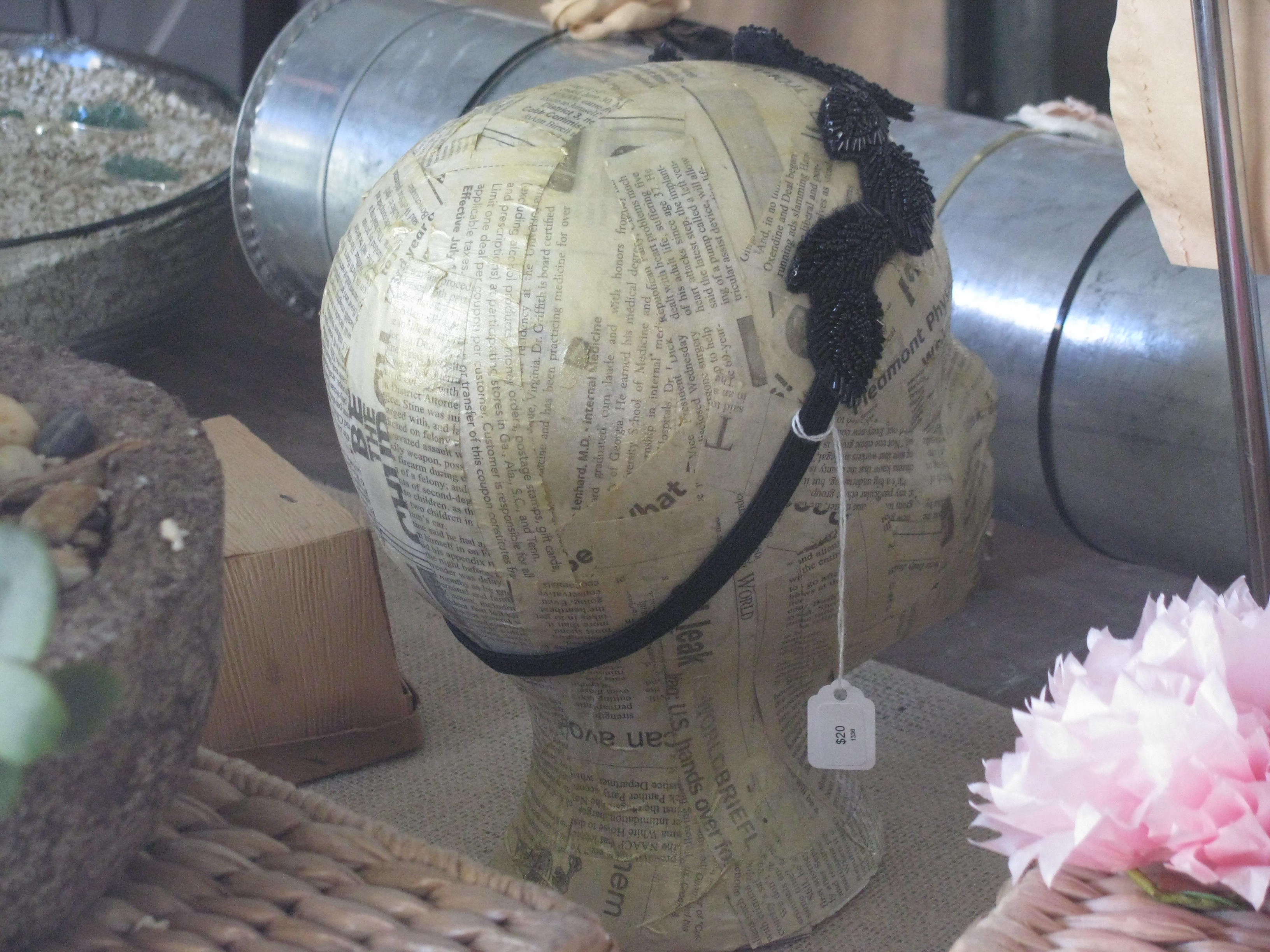
    I loved the name of a shop down the street… bloom a shop of unruly things. It was closed midweek, but my delight at the products within radiated through the shop's display window. I gazed especially longingly at this paper mache head that held a leaf-inspired headband.

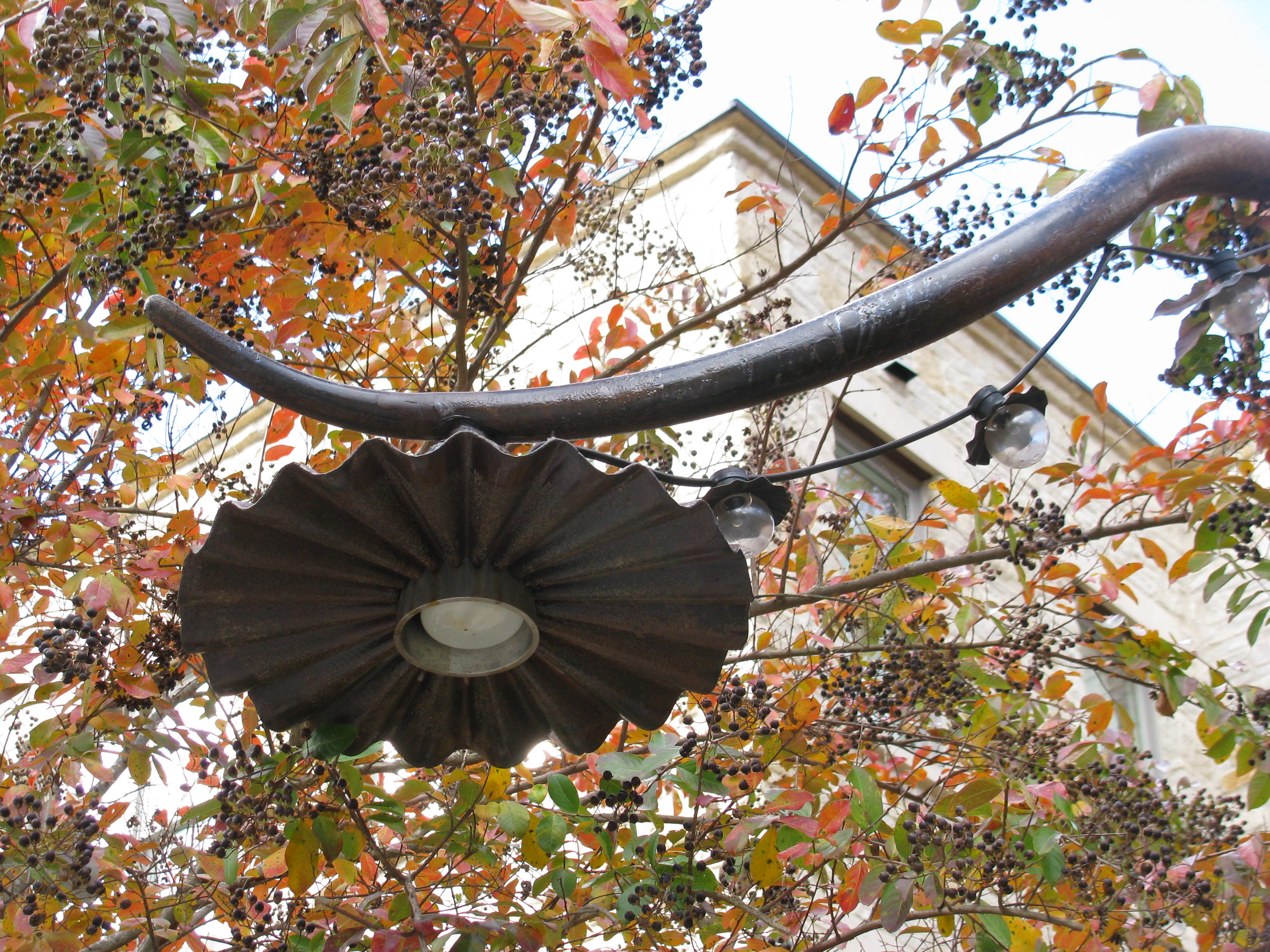
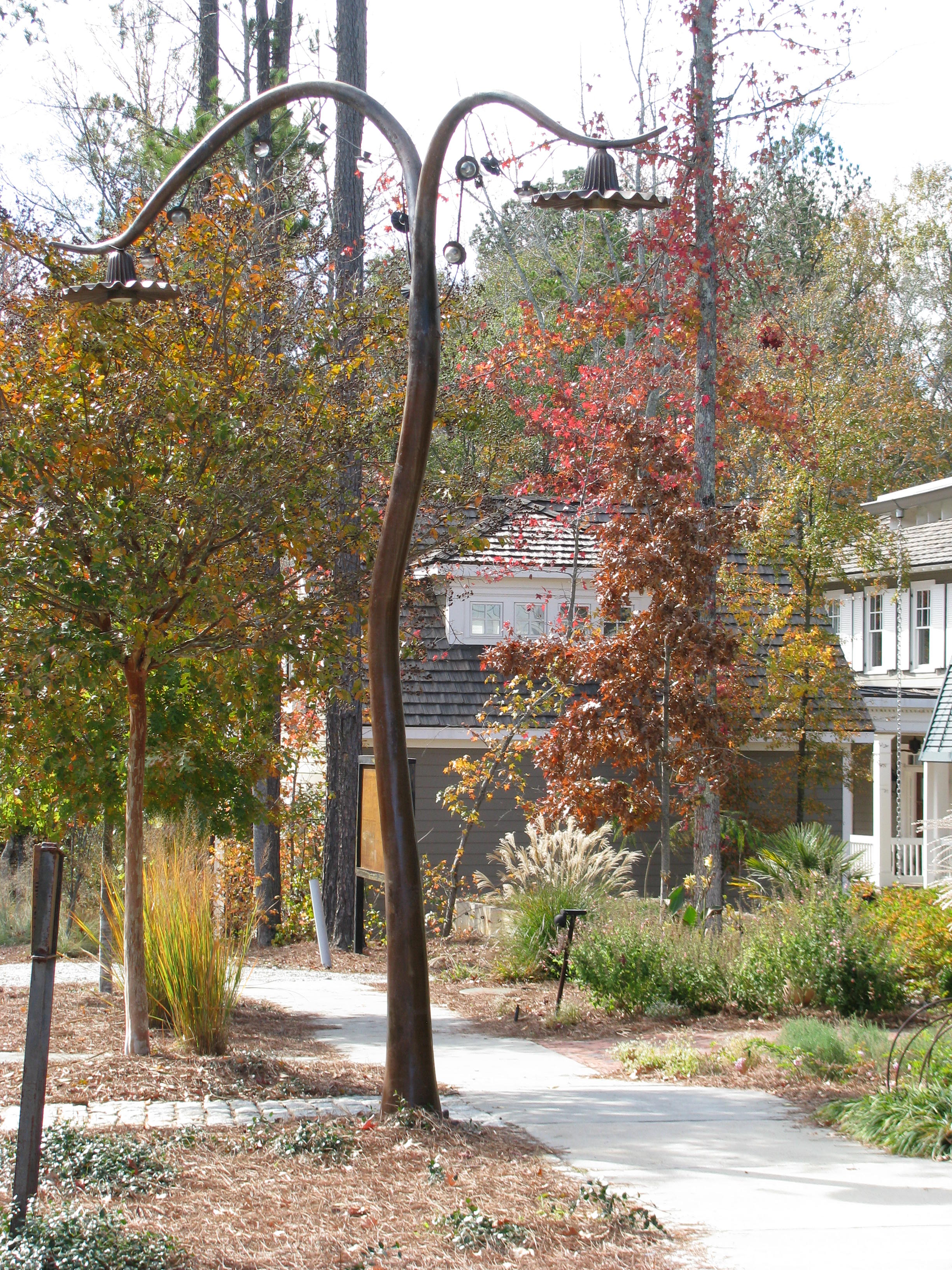
    Serenbe street light string of bulbs
    Serenbe street light string of bulbs closeup

    Oh, to recreate one of these streetlights in my own yard. After dark, the glow was reminiscent of the lamp post in the Lion, the Witch, and the Wardrobe movie. If only thick, fluffy snowflakes had begun to flutter down from above, I would have been magically transported into Narnia.

    Serenbe speed limit sign1

     There are small touches to be found around every bend in this community of Serenbe as seen in this nature-inspired road sign, bench, and garbage can. Click on the photo below to truly appreciate the detail.

     Serenbe bench and garbage can


    Serenbe equestrian centerSerenbe organic farm

    Grange is Serenbe's farm hamlet that includes an equestrian center and an organic farm that provides produce to the community's three restaurants and a Saturday farmers market. The Grange Hamlet will eventually have a BBQ restaurant, tack store, feed and seed shop, etc.

     Serenbe farmhouse styleGrange hamlet homes

    The architecture in the Grange Hamlet, which is starkly different than in the Selborne Hamlet, looked to me to be patterned after a farmhouse, southern plantation, and an 1800s western town style. Notice how closely the houses are positioned. This preserves greenspace, which is an important goal of the developers. 

    Serenbe yard native plantingSerenbe walking trail

    In addition to Serenbe's focus on maintaining greenspace, energy efficiency, utilization of green building materials and construction methods, and encouraging a cultural arts base, reducing impact on the environment plays out in the homes' front yards, where native plants provide beauty in lieu of high water consumption sod. Walking paths and horseback riding trails connect hamlets to foster a sense of community among Serenbe's residents.

    A third hamlet named Mado, which will have a health and wellness focus, is in the planning stage. It will include a spa, vegetarian restaurant, juice bar, traditional and holistic medical services, assisted living, etc. Eventually, a fourth hamlet named Hill will include a post office, grocery store, fire station, and other supporting retail businesses. A Montessori school services the community's preschoolers with charter school construction for older students beginning soon.

  • I couldn't begin tell you where my blog hopping began. I don't have a clue. It wasn't a search for smoothies or a drinking straw pennant, but when I spied both on Lesley's Homemade Grits blog, it stopped me in my tracks. Inserted into her "only slightly adapted" version of a pumpkin smoothie that she had gleaned from Angela's Oh She Glows blog… that I am now sharing with my very slight adaptation… was a straw topper that was so dang cute, well I just had to make one. Besides garnering a new recipe and a straw topper, my blog hopping sidetrip turned up a what a small world it iswe are so connected to each other moment. Upon camping out a while on Lesley's blog, I discovered that she had stayed in Serenbe, an idyllic community 35 miles southwest of Atlanta, with her family on Monday, October 17, 2011. We missed crossing paths by three weeks, as Dick and I arrived in Serenbe three weeks later on Monday, November 7, 2011 to stay for two nights. I so enjoyed revisiting Serenbe through her photos. I will share mine in tomorrow's post.

    Pumpkin smoothie

    Pumpkin Harvest Smoothie

    Yield: one 2-cup serving

    1 cup milk (almond, rice, cow, goat… whatever)

    ¼ cup oatmeal (I omitted. It’s just me. I opted for a bowl of cooked oatmeal.)

    1 tbsp chia seeds

    ½ cup pureed pumpkin

    1 tbsp blackstrap molasses*

    1 frozen banana

    1 tsp cinnamon

    ½ tsp ginger

    pinch nutmeg

    ice, if desired

    Soak the oats, milk, and chia seeds for at least an hour or overnight. This aids digestion and creates a smoother consistency. If omitting the oats, five minutes is sufficient to soak the chia seeds. Place all ingredients into a blender and whirl until all ingredients are incorporated. Add ice, if desired.  (As a garnish, I sprinkled raw pumpkin seeds, and candied ginger cut into thin matchsticks on top.) *Blackstrap molasses are a good source of iron, calcium, copper, manganese, potassium, and magnesium.

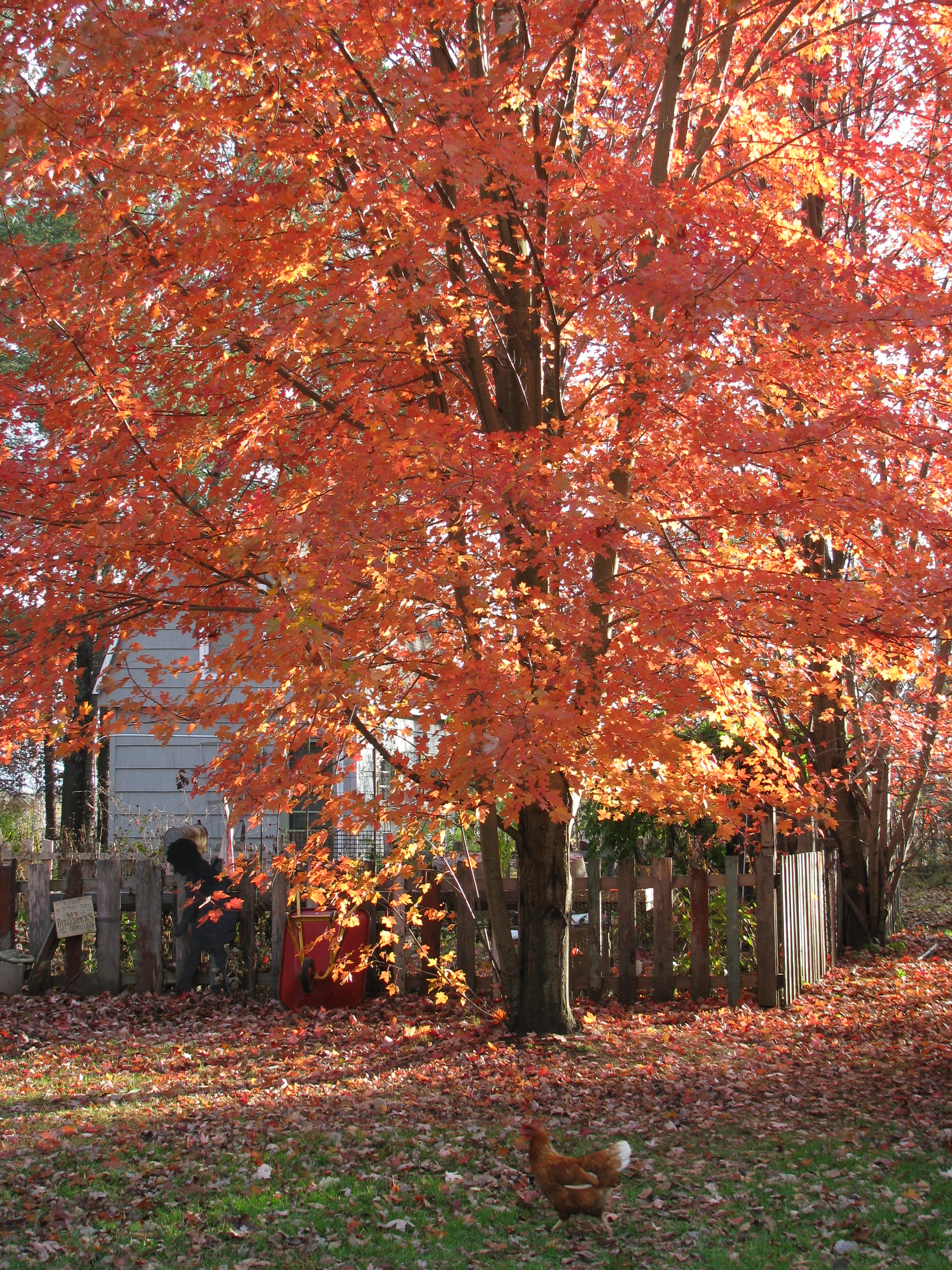
  • The final days of October… Most leaves have fluttered to the ground, but the maple trees bordering my veggie garden are ablaze with color.

    Maple tree

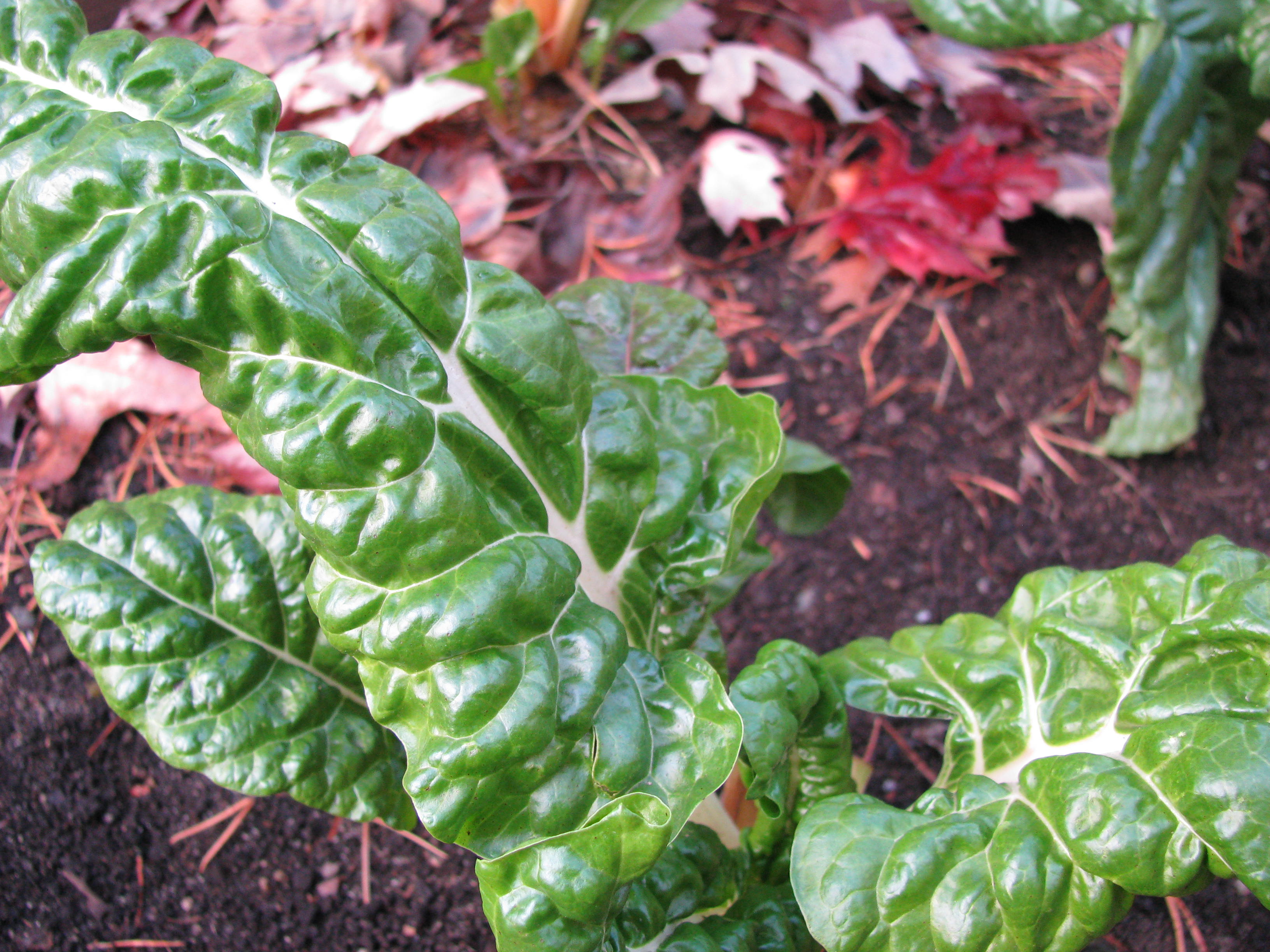
    I have cleared away the dried vegetation from my veggie garden, but the Swiss chard continues to produce brilliant green leaves that add mega nutrients to the vegetable soup that I make at  time every year.

     Swiss chard

    Each October, Cub Foods Grocery in Brainerd (Minnesota) stocks a "soup mix" of amazingly colorful root veggies from Harmony Valley Farm, an organic CSA farm in Viroqua, Wisconsin. Some of the varieties included in the bag are purple top turnip, rutabaga, carrots (purple, orange, red, yellow, and white), golden beet, and parsnip. Look at their beautiful fields! (Photo courtesy of Harmony Valley Farm's web site.)

    Harmony valley farm

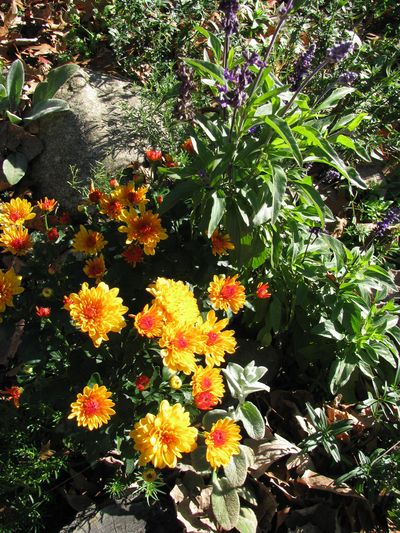
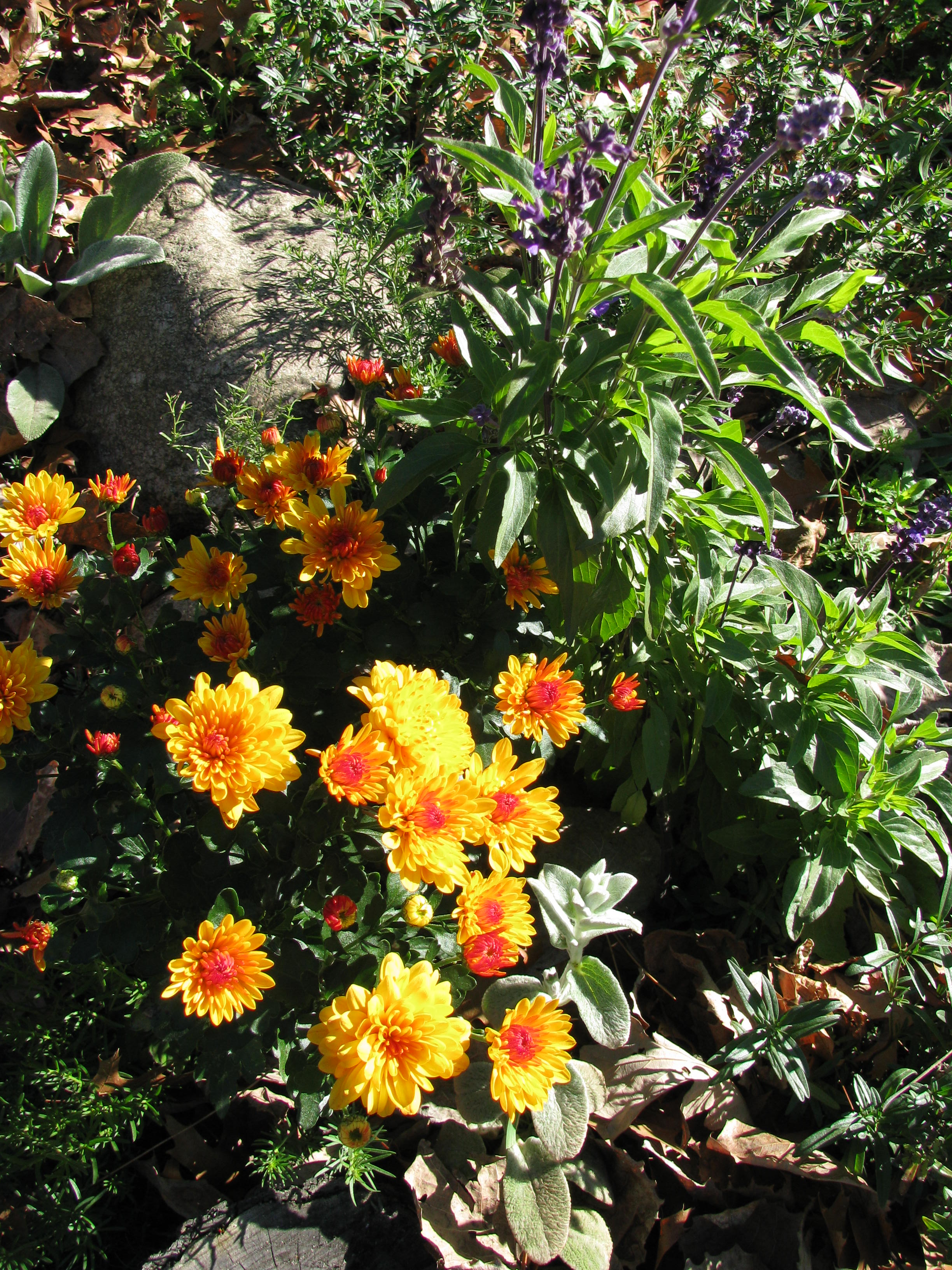
    The overnight temperature dips have resulted in several morning frosts that have caused the demise of many plants, but the mums, lamb's ear, and salvia faithfully beautify the stone walkway leading to my front door.  

    Mum

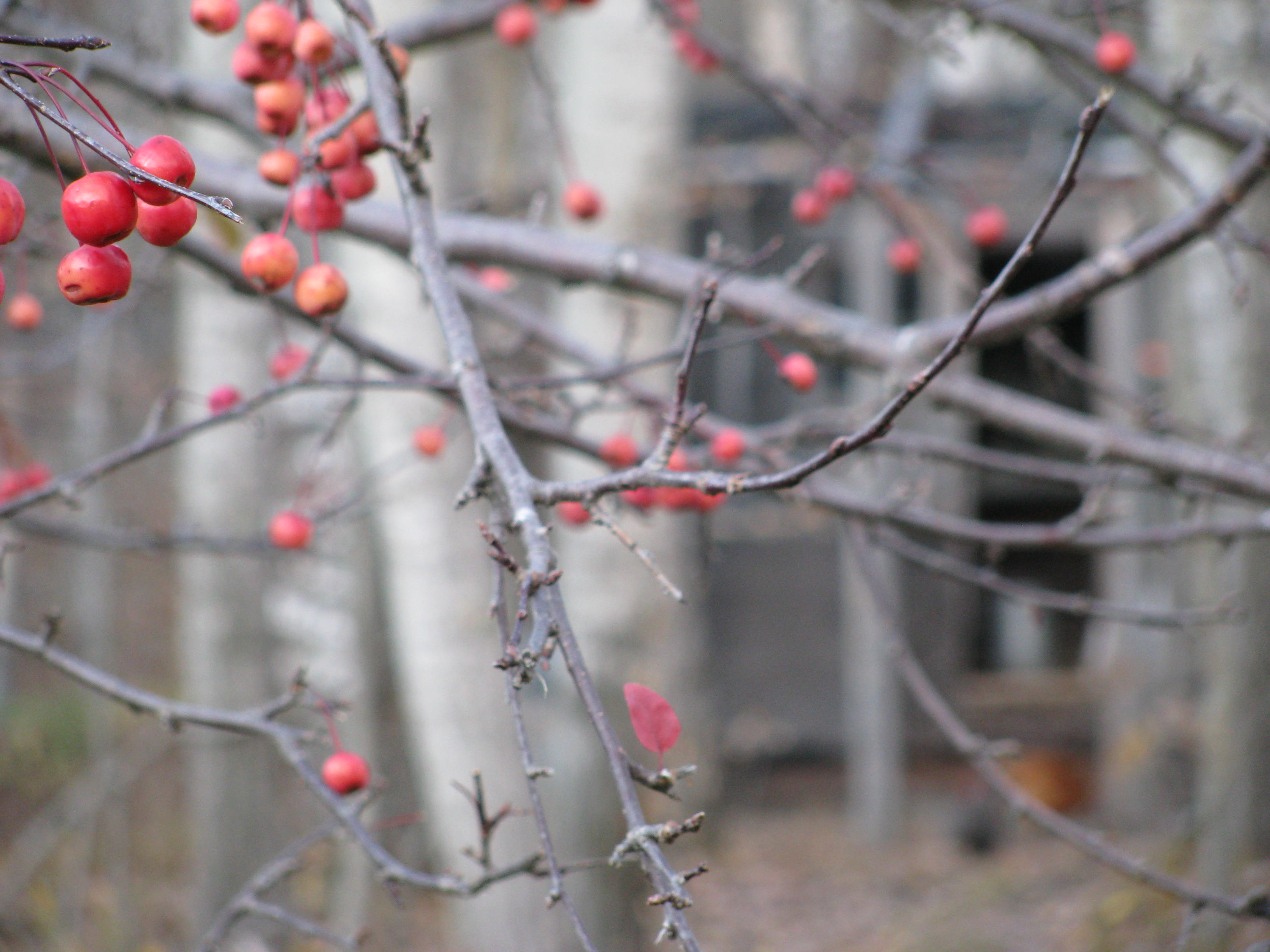
    The landscape's shades of grey are becoming more prominent as bare branches are exposed, but the tiny crabapples' brilliant red provides a cheery pop of color near the path that leads to my chickens' coop.   

    Flowering crab

  • I thought a spider web would be nice… a really BIG one. After selecting the perfect opening on my front porch,

    Spider web porch opening

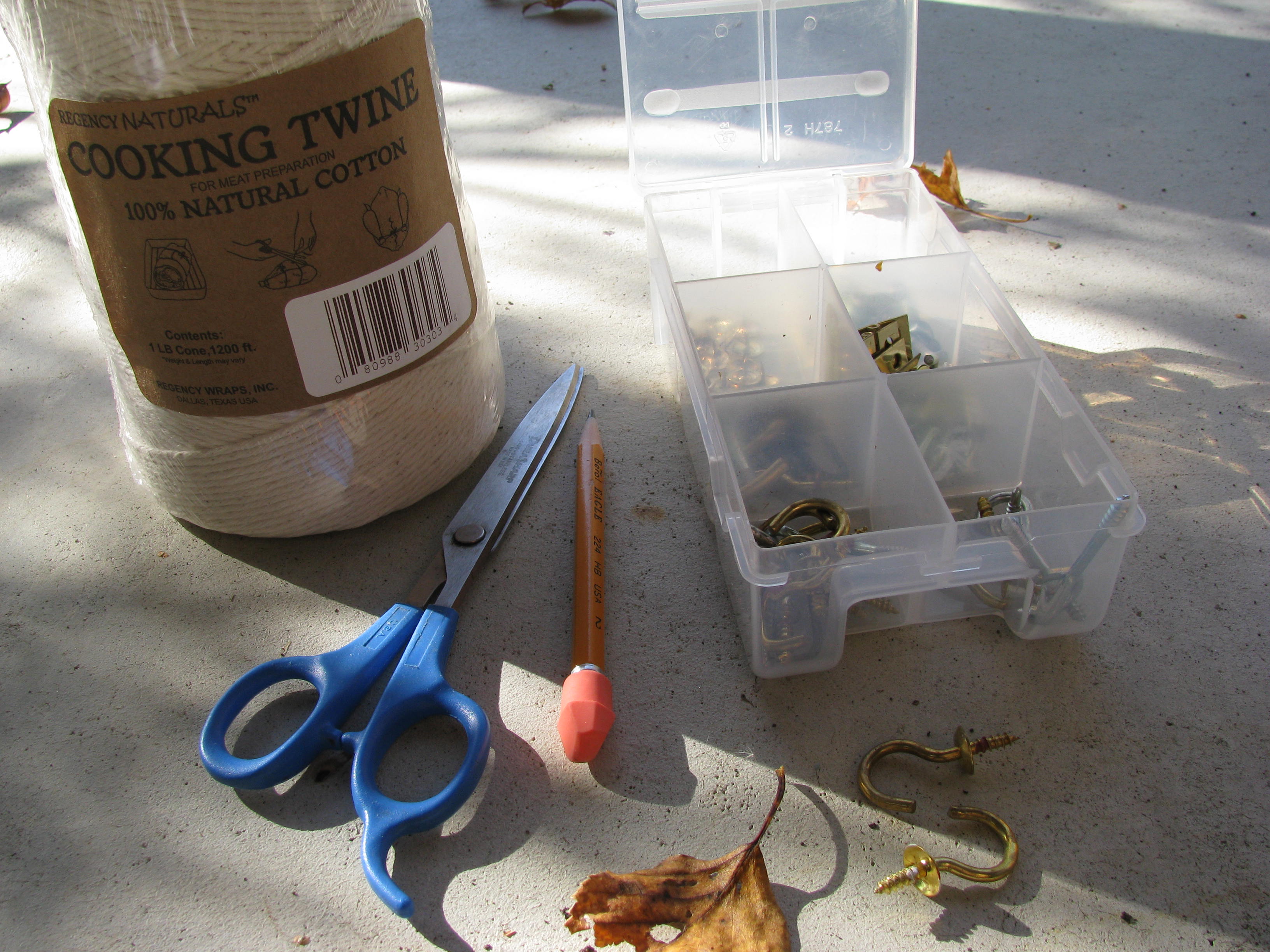
    I gathered supplies. I purchased the twine at our local Ace Hardware. Even though the prices are a bit higher than the bigger stores (e.g., Fleet Farm, Home Depot, Menards), I love the small town coziness I feel as soon as I walk in the door. This project and Ace were a good match. It felt right. 

    Spider web supplies

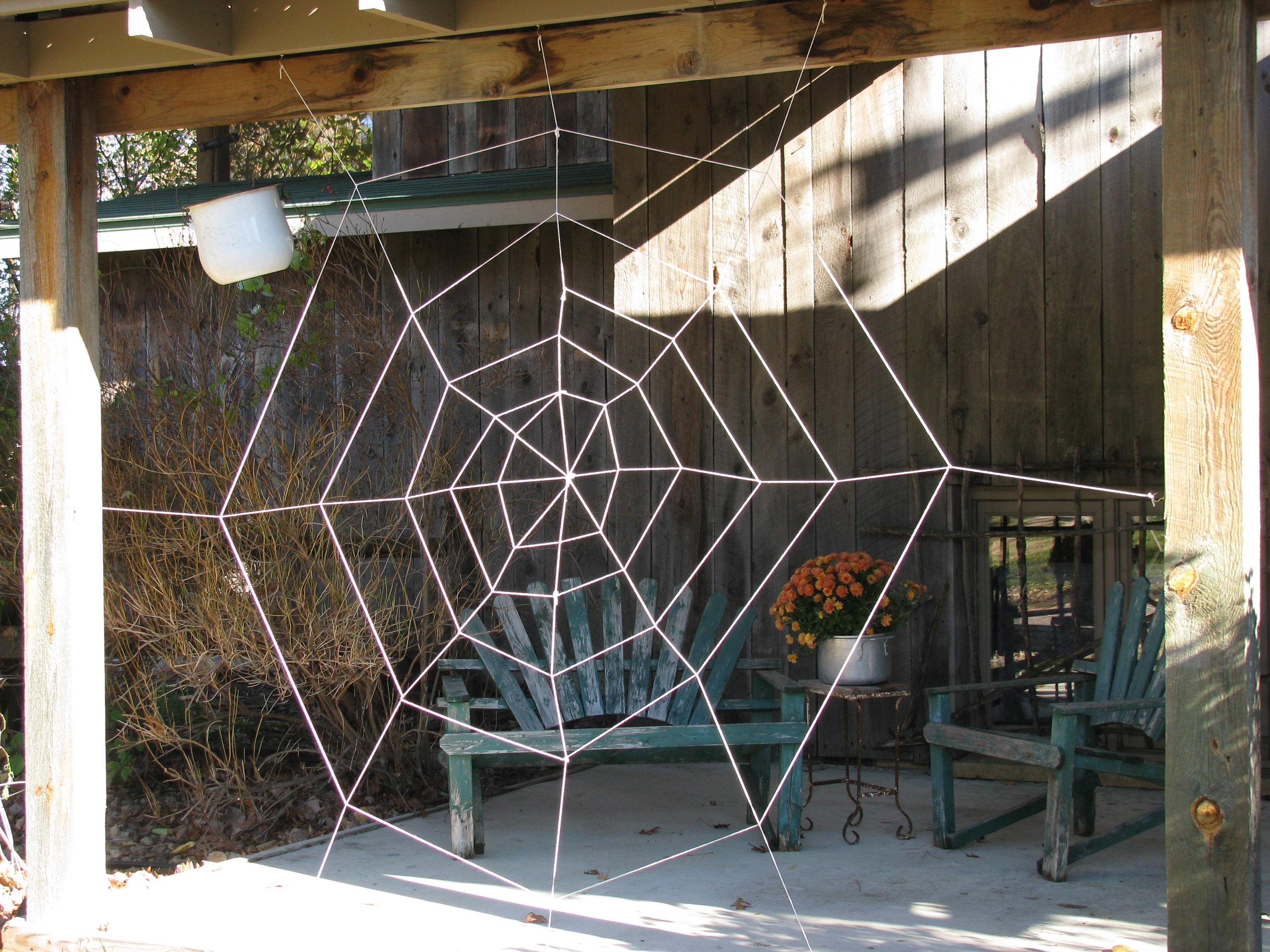
    In one hour's time, Dick and I had completed our project.  

    Spider web completed

    Here's how we did it. Choose a frame in a location where the spider web wil be frequently seen. Using a retractable metal tape measure, mark the halfway point along the top and bottom and left and right sides. Insert a cup hook at each marking. Secure a length of cooking twine between the cup hooks creating a vertical and horizontal framework. Cut a long length of string and begin forming a spiral by tying the string onto the vertical and horizontal support strands. After circling round and round several times and you see a spiral forming, add in secondary supports at the top and bottom by measuring and marking so that you end up with four equal segments. Insert a cup hook at each marking. Cut a length of string and knot it firmly at the web's center. Stretching the string in a diagonal direction, tie a knot everytime you intersect with the spiral. When you run out of spiral, pull the string firmly and secure to the cup hook. Repeat with the remaining diagonal supports. Adding in the diagonal supports after completing a partial spiral allows you to tighten up the strings that have sagged. To complete the spiral, cut another length of string and continue circling around and tying a knot at each vertical and diagonal support. When completed, slide the knots so the lengths of string are taut. A drop of waterproof glue on each knot will prevent them from shifting in the wind.