Whiteley Creek Homestead

LIFE AT THE END OF A DIRT ROAD IN CENTRAL MINNESOTA

organically grown triticale in our field
canoeing in our wetlands
raspberries growing wild on our property
our back porch fieldstone fireplace
  • Last July, I decided that I'd entice some orioles to my feeders, however I was doomed to fail at the starting gate. "Start early. Your best chance of attracting orioles is when they first arrive in the spring (early May in Minnesota)." http://www.birdsandblooms.com/birding/attracting-birds/bird-nesting/how-to-attract-orioles/ I can verify the May arrival because I took the photo of the oriole sitting on a tree branch in my central Minnesota yard on May 14, 2008. So, back to last summer, I put some grape jelly in a dish. I had been careful to compare the options. Smucker's Concord Grape Jelly: concord grape juice, high fructose corn syrup, corn syrup, fruit pectin, citric acid, and sodium citrate (preservative). Smucker's Natural Concord Grape Fruit Spread: concord grape juice, sugar, concord grape puree, fruit pectin, and citric acid. Polaner Concord Grape Jelly: juice concentrates (pear, grape, pineapple), concord grape puree concentrate (water, concord grape juice, concord grapes), fruit pectin, citric acid. All that I attracted were bees. No orioles. Not a single one. Likely, this was because it was July. Fast forward to this year, I'll set the jelly out at the beginning of May instead. Then, I began to think. I know that it is common to feed birds grape jelly, but I just don't feel right about it.

    Oriole Smuckers grape jelly

    There must be a nature-derived alternative that would supply the energy (carbs) required for orioles to rebound from their long spring migration through the nest building stage, "which takes up to twelve energy-zapping days to construct their pendulous sac-shaped nests on the ends of slender deciduous tree branches," http://www.birdsandblooms.com/birding/attracting-birds/bird-nesting/how-to-attract-orioles/ and protein to feed their young. Online research led me to the answer. "Orange halves (Photo: http://www.audubon.org/news/make-orange-feeder-orioles), ripe dark-colored fruit (darkest mulberries, reddest cherries, and the deepest purple grapes) served in a shallow, bright orange container that is placed in the open so it can be seen overhead when birds are in flight. They'll ignore green grapes and yellow cherries even if they're ripe." https://www.allaboutbirds.org/guide/Baltimore_Oriole/lifehistory Also, plant fruit bearing trees on your property for a help yourself buffet, furnish a water source, aid their nest-building efforts by supplying yarn and string Terrain's Bird Nesting Cotton Ball (Photo: http://www.shopterrain.com/product/nesting-cotton-balls)…a gift from my daughter, Jessie, and offer mealworms for a protein source after eggs hatch. Orioles forage on their own, too, eating "a wide variety of insects, including beetles, crickets, grasshoppers, moths, and flies, as well as spiders, snails, tent and gypsy moth caterpillars, the larvae within plant galls, and other small invertebrates." https://www.allaboutbirds.org/guide/Baltimore_Oriole/lifehistory

    Branch orange feeder Bird nesting cotton ball

    So, why is feeding grape jelly detrimental to a bird's health? "Birds developed the way they did by adapting to the environments in which they lived and the foods that sustained them. We do our best for them when we stick as closely as possible to their natural diets." http://blog.lauraerickson.com/2007/04/is-feeding-jelly-really-okay-for-birds.html To summarize the article's main points, jelly's high sugar content will satisfy hunger but not nutritional requirements and birds may exert less time foraging for their natural diet of foods in the wild. I know there will be many that will stalwartly stand behind their tried-and-true grape jelly offering, but it's all about choice, my friends. Grape jelly versus orange halves, the deepest purple grapes, darkest mulberries, reddest cherries, berries growing on bushes and trees, mealworms, and insects. Hmmmm…let me think on that.
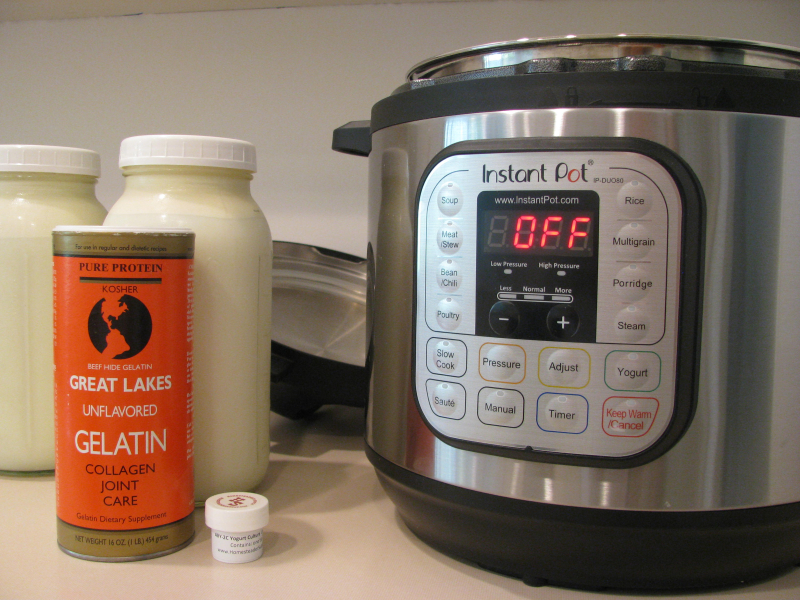
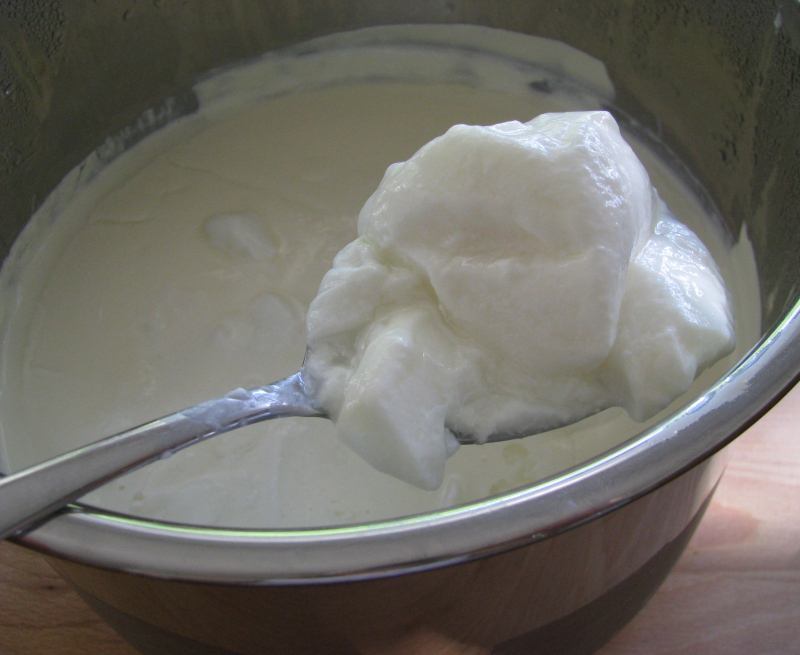
  • Thus far, since purchasing it in November 2016, there is an additional way that I use my Instant Pot on a continual, consistent basis. Every two weeks, I make two quarts of raw milk yogurt using a recipe from Traditional Cooking School which uses the Instant Pot's yogurt setting to maintain a temperature of 96.8°-109.4°F, so it doesn't compromise the milk's raw state.

    IP raw milk yogurt ingredients IP raw milk yogurt

    A small measure of thermophilic "heat loving" (108°-112°F) culture is added to the milk versus mesophilic culture that is used for making room temperature yogurt (68°-78°F). Raw milk's beneficial enzymes haven't been destroyed by pasteurization, which is good, but those same enzymes compete with yogurt's culturing process producing a runnier consistency than pasteurized yogurt. A solution is to add gelatin, which will mimic the thickness of store-bought yogurt.     


  • Notice what you notice

    I asked Dick what this meant to him. His rapid fire response was, "Well, this conversation is heavy," then, pointing overhead, he said, "Look at the yellow butterfly!" Oh, yes. He gets it. He lives it. In her insightful article, Rev. Felicia Searcy, of Unity Worldwide Ministries, gets to the core of its meaning and how this concept can shape our everyday in a positive or negative manner.

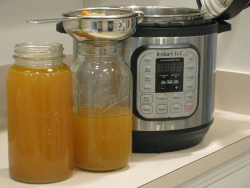
  • Sure, you can purchase quality broth at your local ShopRite, Whole Foods, Publix, or Cub Foods, but is it gelatinous? With a little effort to source the proper bones and learn the methodology, you can prepare collagen-rich broth with minimal time commitment. What cooking method works best for making homemade broth (i.e., stove top, slow cooker, pressure cooker)? Since I have used all three methods, I have an opinion. As is evident from my photo below, which shows the final step of straining cooked meat and veggies from the broth, I prefer the Instant Pot, which in this application is used as a pressure cooker. This is not to say that a soup pot set over a low flame, or a slow cooker set on low setting, won't do the job. But, my experience is that it kinda doesn't. Not as easily or effectively anyway. 

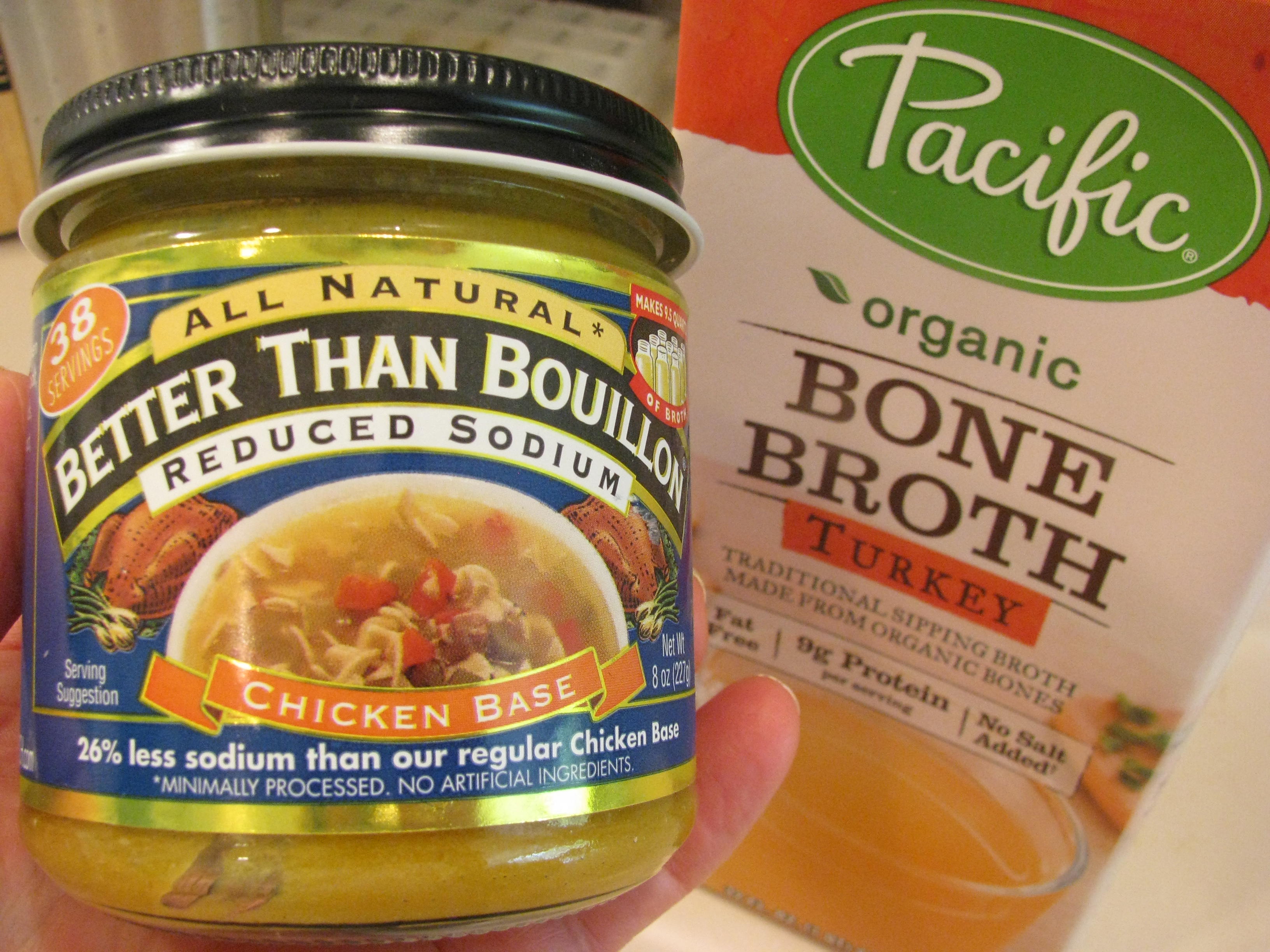
    Bouillon + bone broth Strained bone broth

    One reason is that with the stove top and slow cooker methods, water evaporates rather quickly. So, you have a choice. Replenish the water as it evaporates, or be content with less broth. The problem with adding more water is that you will dilute the broth's gelatinous consistency and lose flavor. There are other benefits to using the Instant Pot, which are prolifically addressed in the blogosphere, but liquid/moisture and nutrient retention are important to me when selecting a cooking method.


  • In my quest to master homemade meat broth and bone broth, I have learned bits and pieces here and there. Then, in January of this year, I completed a free online 30-Day Broth Challenge that brought all the pieces together and helped me establish a cadenced, consistent routine. Starlene is launching another challenge starting March 1. It'll be time well spent. You may be asking, 1)"Why make homemade broth?" Google: broth benefits. 2)"Will it demand a huge chunk of time?" Discover for yourself in the broth challenge. 3)"Where can I learn the process?" There are many online resources, but Starlene's broth challenge will provide a strong foundation. 4)"What cooking method works best (i.e., stove top, slow cooker, pressure cooker)?" Since I have used all three methods, I have an opinion which I'll share in my next post. 5)Which bones produce a gelatinous consistency? Selecting and sourcing collagen-rich bones is the focus of today's post.

    Seely's ark chicken soup pac label Seely's ark chicken soup pac

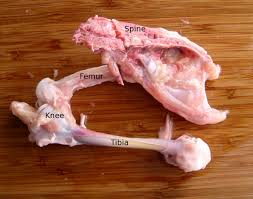
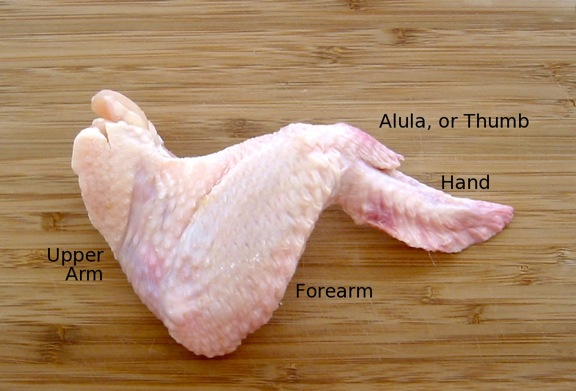
    After extensive research and trial and error, I discovered Seely's Ark Free Range Pastured "Heritage White" Soup Pac. I am now confidently and consistently producing the gold standard for homemade broth which has a jiggle like JELL-O. I'm not saying you must source Seely's Soup Pac or a even a similar product. In a perfect world. Yes. But, no. Just the types of bones included in the Soup Pac: 1 back/spine (what remains after the breast, wings, and legs have been cut away), leg bones (2 femur + 2 tibia), 2 feet, 1 neck, and 2 wing tips ("hands"). In their Soup Pac, Seely's Ark tucks all of the pieces, that you see in the photo above, inside the back bone cavity. Compact packaging. Tidy. I have included two photos below to aid visualization of the location of these particular bones on the chicken.

    Chicken spine femur tibia Chicken wing parts

    Left to Right: 1) Back w/ Spine and Leg Bones w/ Knee Joint 2)Wing Tip ("Hand")
    Photos: Krieger Science

    To achieve desirable gelling, 3 1/2-4 lbs of chicken parts is recommended. The weight of the typical bones included in a Soup Pac averages 2 lbs, so you would want to use double the amount of bones shown in the photo to make one pot of broth. (Keep in mind that you'll be able to get a second, and sometimes a third, pot of broth from these same bones.) Another option is to use the amount of bones included in one Soup Pac then add a package of meaty legs + 2 additional feet. The Soup Pac that I used in making today's broth weighed 1.92 lbs. The 5 legs that I used in today's broth weighed 1.57 lbs, so the total of all the meat and bones is 3.49 lbs. Plus the weight of two additional feet. Then it's just a matter of prepping the veggies then tossing them into the pot with the chicken parts and adding water, herbs, and peppercorns. I also add egg shells accumulated over time and stored in the freezer. While the ingredients simmer, let's talk about sourcing the chicken parts. 

    Chicken legs and feet Chicken broth meat + veggies

    Ideally, you will want to use pastured chicken. In simplified terms, my stance is this. First, if we choose to consume meat, we must demand a humane existence for the animal, and it is our duty to support those farmers who are doing it right. Secondly, making broth provides an opportunity to use every part of the chicken. It is an important way to be respectful towards animals. Nothing is wasted. It is a statement of reverence for life.

    I know that, realistically, we must do what we are able. Pastured chicken is definitely more expensive. We must evaluate how we spend our money and where we can trim expenses in areas that are lower on the priority scale. Pastured chicken is often difficult to source, but when diligence pays off and you're able to locate suppliers, it's a beautiful thing. Shop food co-ops and farmers markets in your local area and beyond whenever you travel. Buy whole chickens. Watch for sales, then stock up. Suggest to farmers, who raise meat chickens, that they assemble "Soup Pacs," which consist of parts that are often discarded. Walmart sells packages of chicken feet. If your Walmart doesn't stock them, ask. Making homemade broth is experiencing a resurgence, so it's more common to find what you need…if you know what you need to be looking for. And now for the big reveal. Gelatinous, collagen-rich chicken broth to heat, season, and drink in a cup or use as a base for soups, the liquid in casseroles, for simmering vegetables, etc.

    Chicken broth gelled


  • I could not resist. A valentine fox made with strategically placed hearts. Eyes that melt, as long as you don't gaze too long and deeply into them to see a not-so-Pollyanna-ish motive under the surface. Nearly nine years ago, there was a fox that didn't bother to read the memo sent out regarding the invitation only guest list. He showed up unannounced at dusk that evening in July bent on causing trouble. Dick's long range aim with his .22 caused the fox to loosen its grip on one of my hens named Opal. Relatively unscathed but visibly shaken, she continued to live a long, though much more wary, life.

    Heart fox valentines

    After cutting out the pieces to make yesterday's emoji valentines, I went to Michaels and purchased a 3/4" punch circle cutter for this fox valentine's eyes and an Elmer's Washable Clear Repositionable Glue Stick. Circles are difficult to cut freehand. Not impossible, but the punch circle cutter vs scissors… Go get the punch circle cutter. The instructions and PDF to make this fox valentine were created by Tammy over at Housing a Forest. Thanks for sharing your creative talent, Tammy!

  • "As per Smithsonian, the smiley face as we know it today was created by Harvey Ross Ball, an American graphic artist. In 1963, Harvey Ball was employed by State Mutual Life Assurance Company of Worcester, Massachusetts (now known as Hanover Insurance) to create a happy face to raise the morale of the employees."

    Authentic_Worcester-made_smiley_face,_Harvey_Ball

    Emojis, used in emails and text messages to convey an emotion using a symbol rather than words, may be a throwback to the smiley faces of my childhood, I'm thinking. ðŸ˜Š On Pinterest, a particular emoji got my attention. According to emojipedia.org, "This emoji is a face blowing a kiss; but officially called Face Throwing A Kiss. One eye is open, the other is winking. A heart is shown leaving the kissing mouth." Upon clicking Pinterest's Housing a Forest link, I read the simple instructions and printed the PDF to make an emoji face throwing a kiss valentine then gathered supplies and organized my work table into an efficient assembly line. I got busy. Snip snip. Ka-chunk. Ka-chunk. Ka-chunk. Seven grandchildren. Seven valentines. I happened to have a punch cutter that was the exact size of the red heart, and, although I didn't have a circle cutter for the eye, I would recommend both.

    Emoji valentines

    This project transported me back to my elementary school days when I transformed a shoe box into a truck and an oatmeal box into a silo as a receptacle for classmates to slip valentines into. As I cut, punched, and glued, the radio station I chose to listen to provided music that I remember my mother playing as I was growing up…Frank Sinatra, Nat King Cole, Tony Bennett, so it was the perfect environment for my mind to happily wander. But, I found my way back. 

    If you're desiring additional ideas, here is a Star Wars-themed printable valentine that I made last year. I found the glow sticks for Yoda at Michaels, but you can sub pixie sticks or bright colored pencils. And here's a Valentine's Day Goodie Bags printable PDF to package brownies. The brownie recipe that I used is here. Note: The bag label PDF provided by Kathleen at Twig and Thistle was originally designed in 2010 and she kindly edited it for 2011. I was hoping that she would provide an updated PDF each February to reflect yet another new year, but sadly she hasn't posted on her blog since February 9, 2012. Maybe you can devise a way to ingeniously update the year printed on the bag? It's certainly worth the effort. The bags are sweet. 

  • In this month of February, my garden plans continue to evolve and take shape on paper as I stumble upon fresh new ideas. My seed lists continue to be refined while reigning in any unrealistic, overzealous goals for spring planting, and I've been identifying sources for purchasing my organic, heirloom, non-GMO, open pollinated, non-hybrid veggie and flower seeds. This step in the gardening process heightens the anticipation of spring planting, and I enjoy it immensely, but I'm longing to bring into my kitchen some dirty veggies. Yes. Not squeaky clean ones from the grocery store's produce department. No, I want some clinging dirt that indicates they were freshly plucked from the soil. With the exception of those using high tunnel farming practices, there's nothing to be plucked from Minnesota gardens at the present. So, what else was I to do but go to the Sanford Farmer's Market in central Florida.

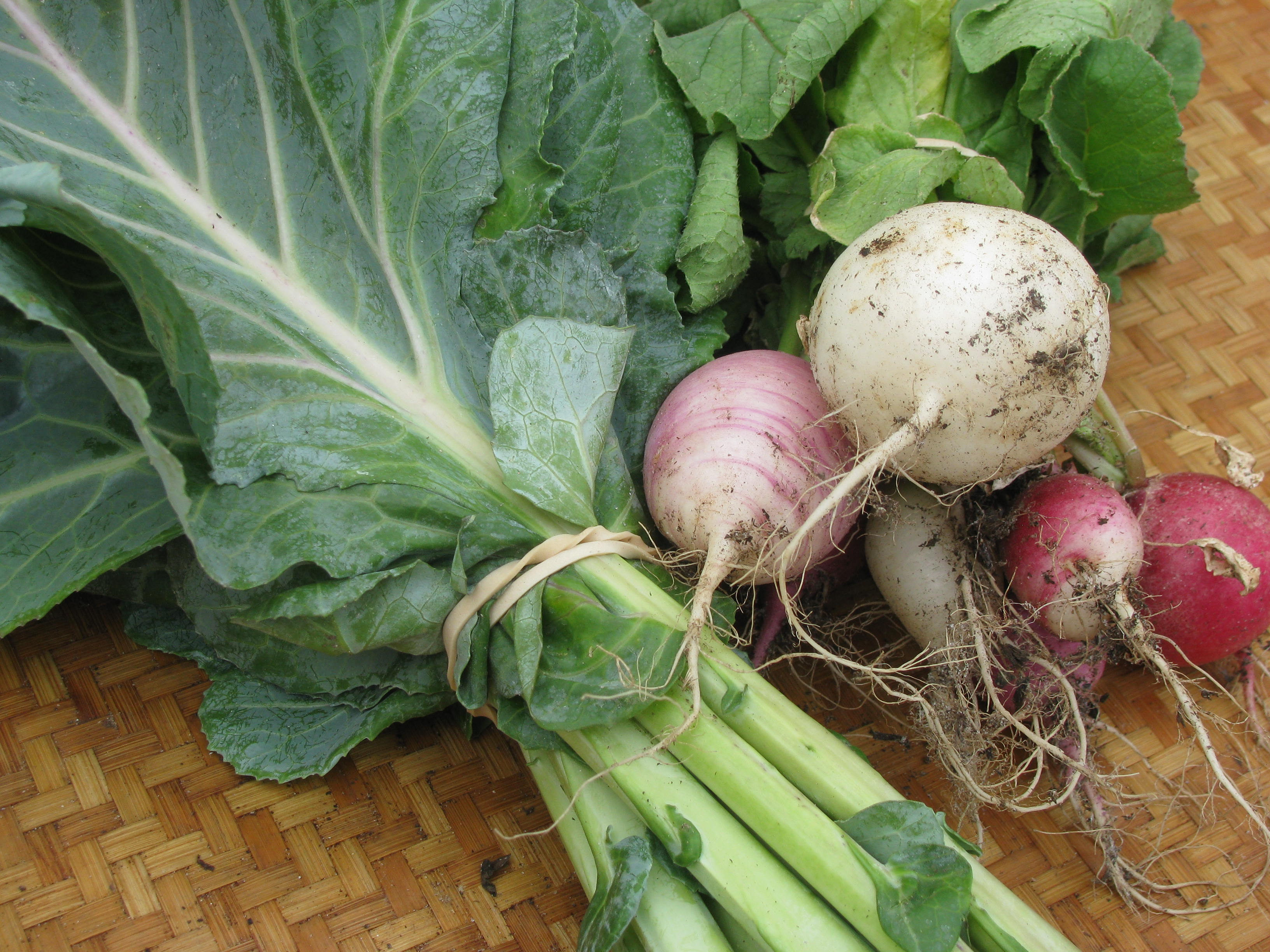
    Sanford farmer's market vendors Sanford farmer's market collards + radishes

    Upon arriving at the market, I headed immediately to a vendor I had researched online: State of Harmony Farm. Their animals are pastured/grass-fed and welfare/humane certified. Integrated pest management and other organic practices are utilized. The farm offers a CSA with positive reviews from those utilizing the service. "No upfront costs. Just pay for the week you order. Small $35. Medium $50. Large $70." Simplistic and flexible. Nice.

    The market opened at 10A. As the clock at the market's entrance indicates, I arrived at 11:10, so State of Harmony Farm's remaining offerings were limited. But, there was the dirt I had been longing to find. Clinging to the multicolored radishes. And the roots were intact. The neatly bundled collards were crisp and lovely with their red-veins and red-tinged leaves. Winter offerings. Appropriate for the season. I also bought three dozen multi-colored eggs after receiving confirmation that the hens roam freely on pasture in the sunshine pecking grass and bugs. Some of the eggs had poop clinging to their shells. For many, it may be a turnoff, but it means the eggs' natural protective coating had not been washed off. This is a very good thing because the coating prevents bacteria from entering the shell and reduces moisture loss, thus extending the shelf life of the egg. Dirt and poop. Both good. 

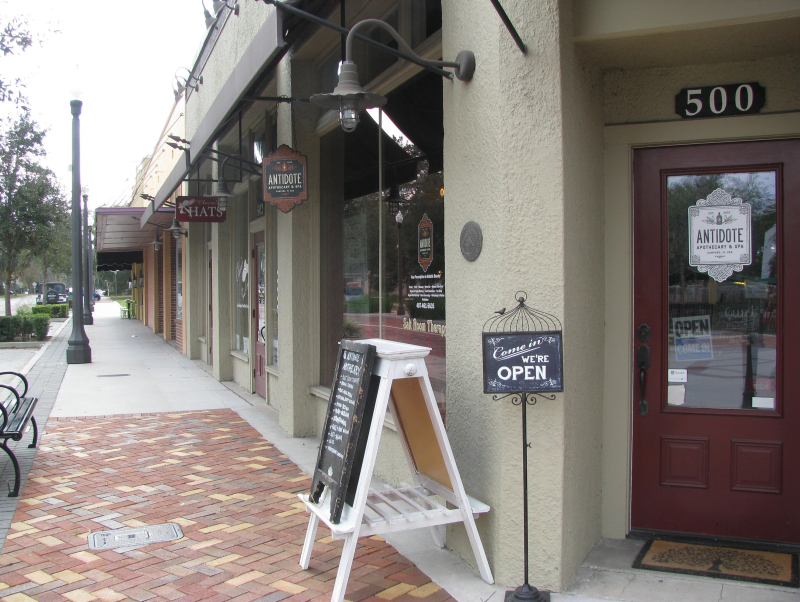
    Sanford avenue south Roots raw juice bar wall mural

    For lunch, I knew Roots Raw Juice Bar would be perfect. The walk to Roots on South Sanford Avenue is therapeutic in itself. Located on a quiet side street close to downtown, you'll pass by Antidote Apothecary & Spa and Claire's Hats. How quaint, right? Upon my arrival at Roots, there, on the bathroom hallway wall, was a painting of a rooted plant with the words "rejuvenate" lettered on its stem. This place surely would continue to feed my winter season soul.   

    Roots raw juice bar Roots raw juice bar lunch
    From the menu posted on the wall, I ordered a Cabbage Patch Salad consisting of spring greens, red cabbage, tomato, cucumber, and sunflower seeds with a finely diced topping of carrot, broccoli, red cabbage, and celery and a sprinkling of dried currants to add a bit of sweet. Drizzled with a light, clean dressing made with olive oil, red (white?) wine vinegar, salt, and pepper, it was just what I was looking for. To complete my meal, I chose a Go Bananas! Smoothie made with banana, hemp protein, cacao, and coconut water.

    Cacao banana shake ingredients Cacao banana shake

    Root's cacao banana smoothie prompted me to make Detoxinista's Chocolate Banana Protein Shake , but I subbed plain coconut water for the liquid. The intensity of the recipe's chocolate flavor is very good, but, if mimicking Root's smoothie is a goal, you'd want to use less cacao and more coconut water. And the banana slices resting along the sides of the glass with whipping cream nestled atop like a winter stocking cap? Minimalist Baker was my inspiration. Her creations and photography skills are a must-see! I was thrilled with how simply slipping in some slivers of banana elevated the presentation of my shake, but you have to see the master's version: "Banana Split Smoothie." It is truly an art form using food as the medium.

    FYI, the Winter Garden Farmer's Market in downtown Winter Garden, Florida is a must-stop if you are in the vicinity and looking for another market option.


  • Sometimes, we need to slow our pace and consciously, intentionally breathe in and out and think. Think about how events in our life, over time, connect like a jigsaw puzzle. For me, a series of events slowly unfolded beginning in the autumn of 2012 when our daughter, Lisa, walked into a shop in Paris where Julia Child commonly purchased her bakeware. She returned to her home in New Jersey with a shiny, long, narrow baking pan to replicate the bakery goods she saw in Paris bakeries and a jar of jam. Both for me. Prepared with chunky halved white cherries in a smooth raspberry puree, the jam was far and above the best jam that has touched my lips. And the loaf pan? It plays a starring role in the series of events that were yet to occur. I invite you to accompany me on that journey.

    Paris bakeware shop French loaf pan

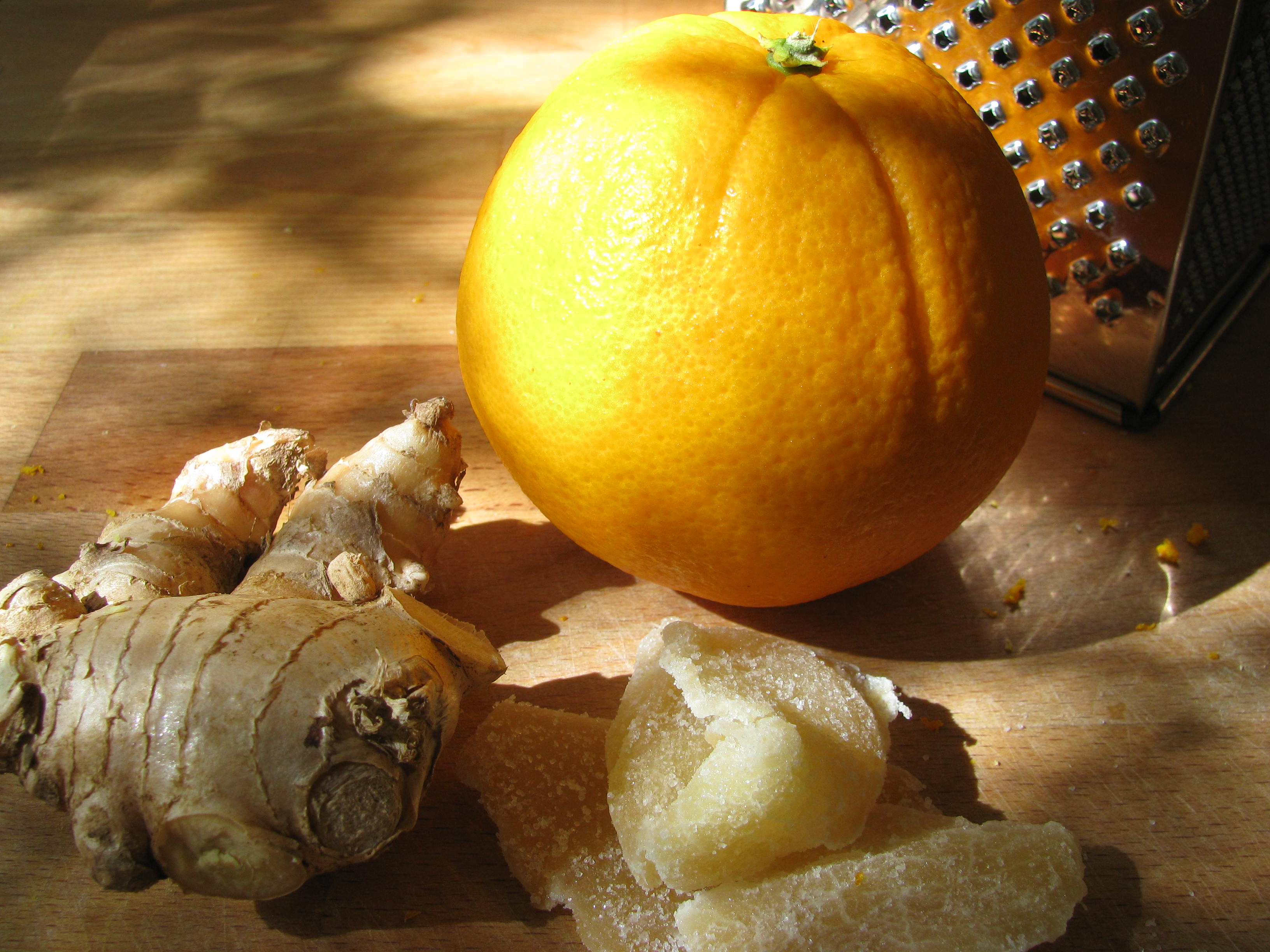
    From the autumn of 2012, fast forward to January 2017 when along came Milk Street Magazine. I watch America's Test Kitchen on PBS and once had a subscription to Cook's Illustrated Magazine, but, when I came upon an offer for a free charter issue of Christopher Kimball's new Milk Street Magazine, I thought, "What a sweet name for a magazine," so  I requested a free copy. (The name, I learned, comes from the address-177 Milk Street-which is the headquarters in downtown Boston for the magazine's editorial offices, cooking school, and television and radio recording studios.) The magazine offer led me to a French Spice Cake (Pain d'épices) recipe on Milk Street's website. So, I gathered ingredients, grated, minced, measured, and stirred.

    Milk street magazine fall 2016 French spice cake ginger + orange

    My world would not be the same again. Baked in my shiny, narrow, long loaf pan from Paris, this tender, cake-like, loaf of bread is perfectly suited spread with a generous slab of butter, St. Dalfour Royal Fig Fruit Spread, or St. Dalfour Ginger & Orange Marmalade. Yes, I do love St. Dalfour fruit juice sweetened jams. And they complement the French theme that's going on here.

    French spice cake batter French spice cake

    FYI, I reduced the butter from 8 tbsp to 4 tbsp and the honey from 1 cup to 1/2 cup. Perfect. To provide the earthiness it deserves, sub a mixture of whole grain flours for the all-purpose flour. Try amaranth, millet, sorghum, einkorn, (hulled) buckwheat, teff, spelt, kamut, barley, oats, or emmer grain. If you don't have a long, narrow loaf pan, the recipe calls for a 9×5-inch loaf pan. As the loaf cools, the spices become more pronounced. 

    If this concludes my journey to unravel the series of events which began in Paris and ended in my kitchen with a loaf of French Spice Cake, I would be content. However, I think it shall continue. Do you recall the white cherry and raspberry jam that accompanied my loaf pan gift? A flight to Paris to replenish my jar of jam isn't in my radar, but there is a pick-your-own raspberry patch five miles from Brainerd. And summertime always returns. 


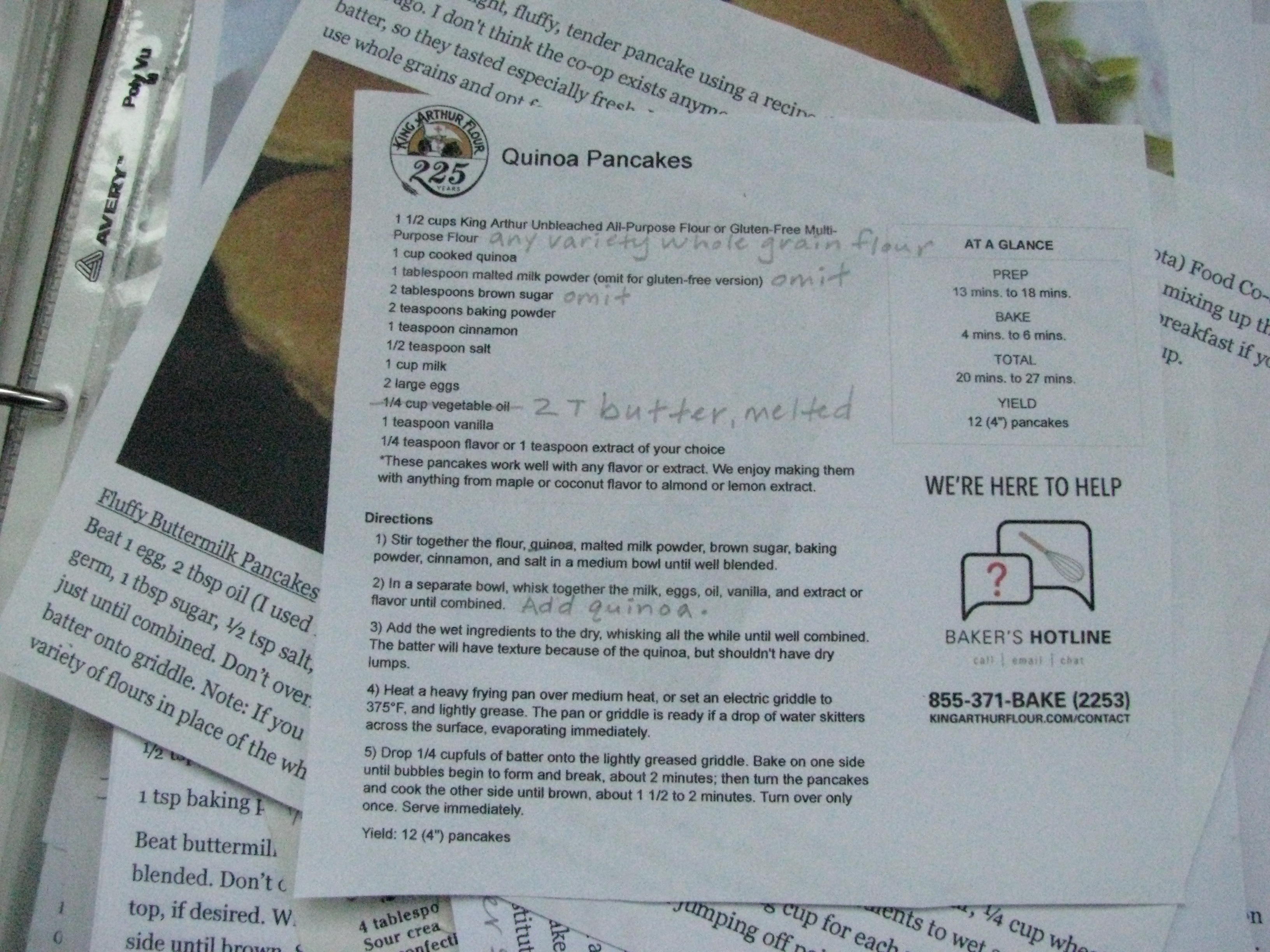
  • Dick asked me last night what we were going to have for breakfast. It's his nightly ritual. What can I say? The guy looks forward to mealtime. "Porridge," I said, "of quinoa leftover from the muffins I made a couple days ago. It will be quick because the quinoa is already cooked." Instead, he suggested that I make quinoa pancakes. "You've made those before and they were good. Really good." So, this morning, after referencing my King Arthur Flour Quinoa Pancakes recipe, I ground flour of equal parts Black Nile Barley, hulled buckwheat groats, and soft white wheat grain, cracked open some pastured hen eggs, and retrieved the jar of cooked quinoa in the fridge.

    Black nile barley flour Pastured eggs

    A few tweaks… I mixed the cooked quinoa into the wet ingredients rather than the dry. I omitted the recipe's sugar because a little warmed maple syrup from locally tapped trees drizzled atop the pancakes provides perfect sweetness. I halved the quantity of butter because the absorption of clarified butter coating my cast iron frying pan adds fat.

    KAF quinoa pancakes recipe KAF quinoa pancakes

    And the quinoa pancakes were "really good."