Whiteley Creek Homestead

LIFE AT THE END OF A DIRT ROAD IN CENTRAL MINNESOTA

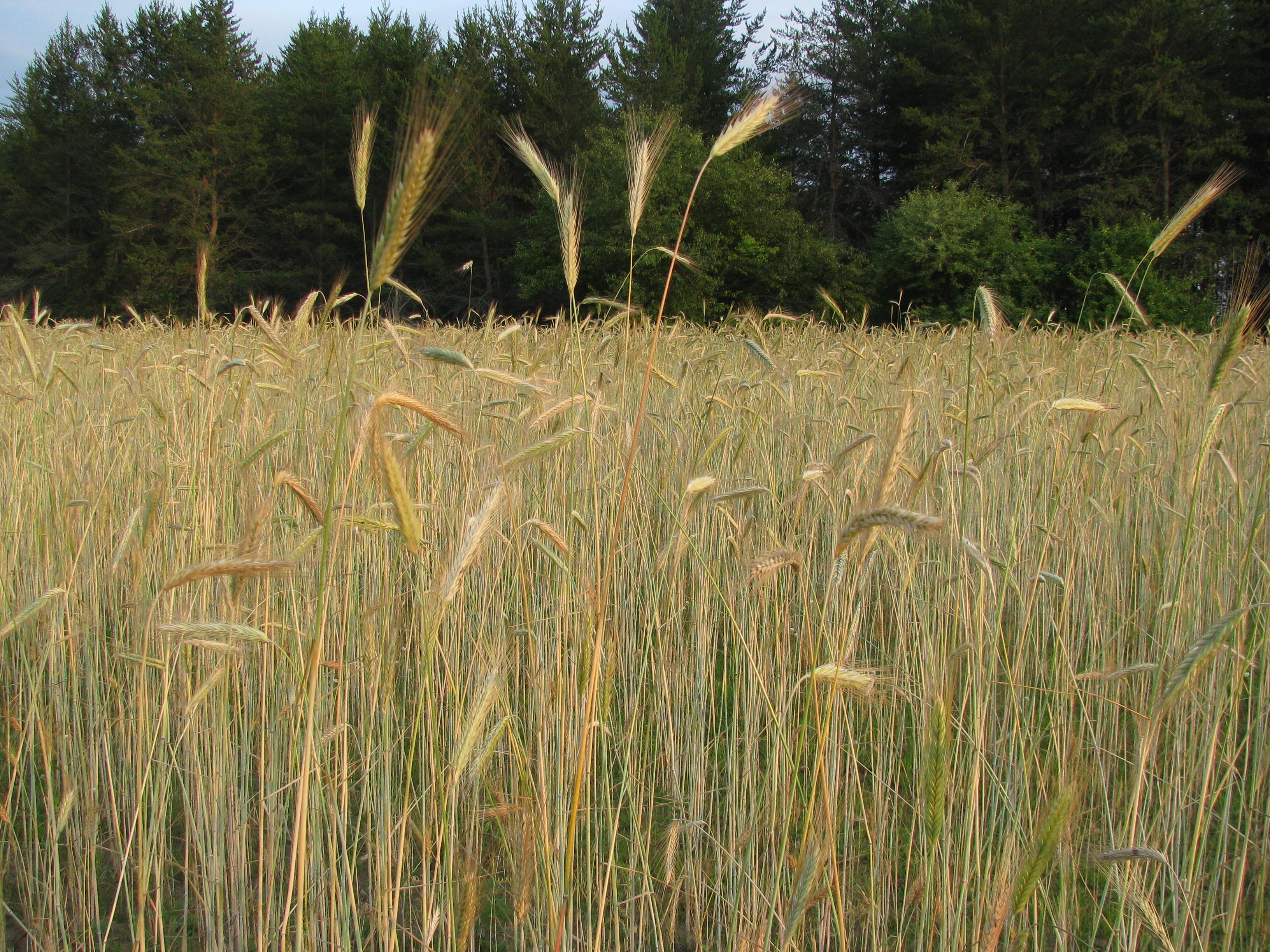
organically grown triticale in our field
canoeing in our wetlands
raspberries growing wild on our property
our back porch fieldstone fireplace
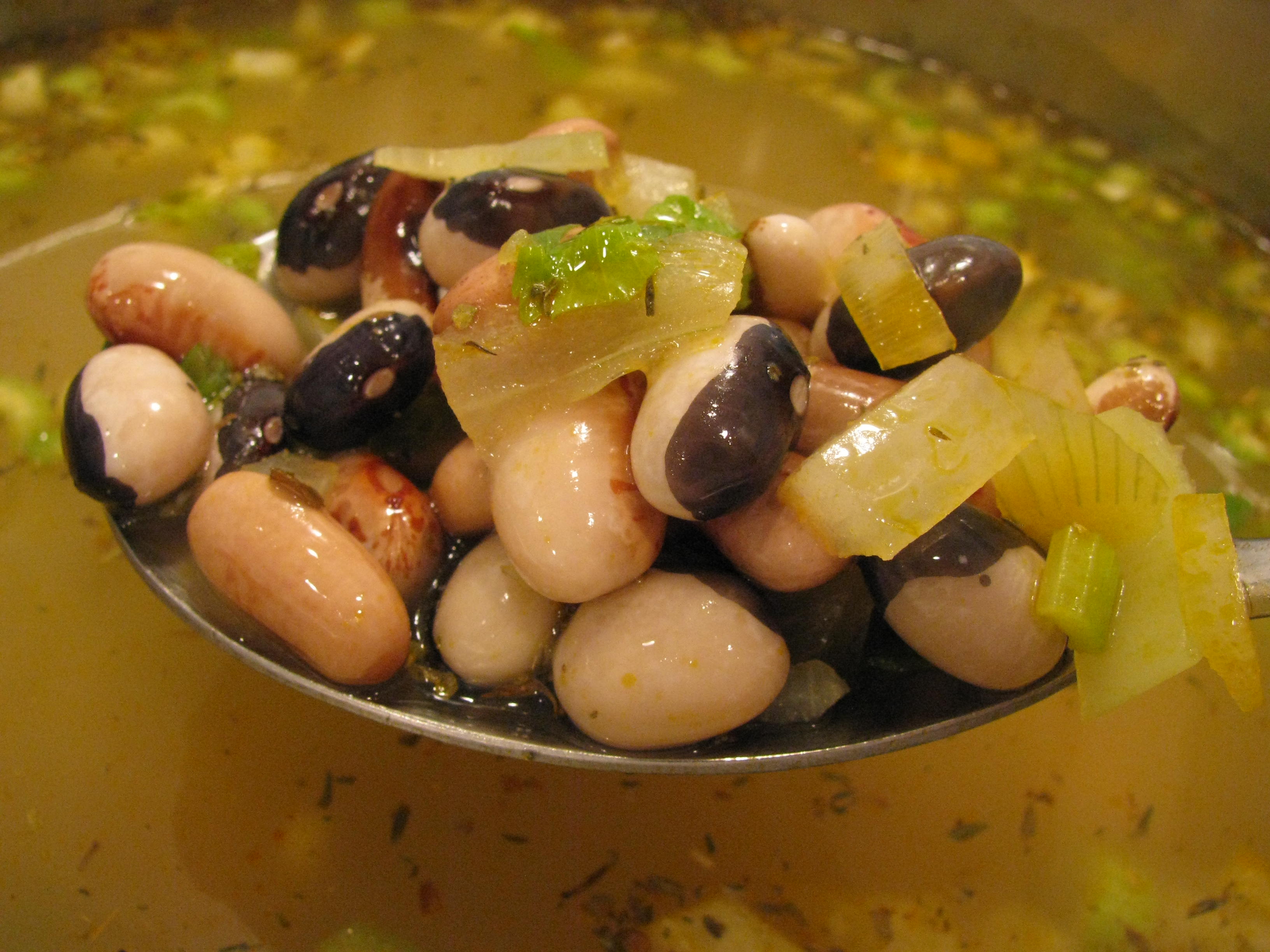
  • It's a given. If you are one in a family of twelve children, you help grow what you eat. Soup beans and potatoes were staples that carried us through the winter. What drives me to continue to plant these two crops in my own 3b Plant Hardiness Zone Garden each year is not necessity but a deeply rooted sense of preparedness for Minnesota's cold months that lie between autumn's harvest and spring's thaw. It's being ready. It's knowing that beans and potatoes, set aside from the previous year's harvest, will take root in the early spring's soil to provide for us many pots of warming soup as the snow blankets the ground. 

    Hutterite soup beans Purple seed potato

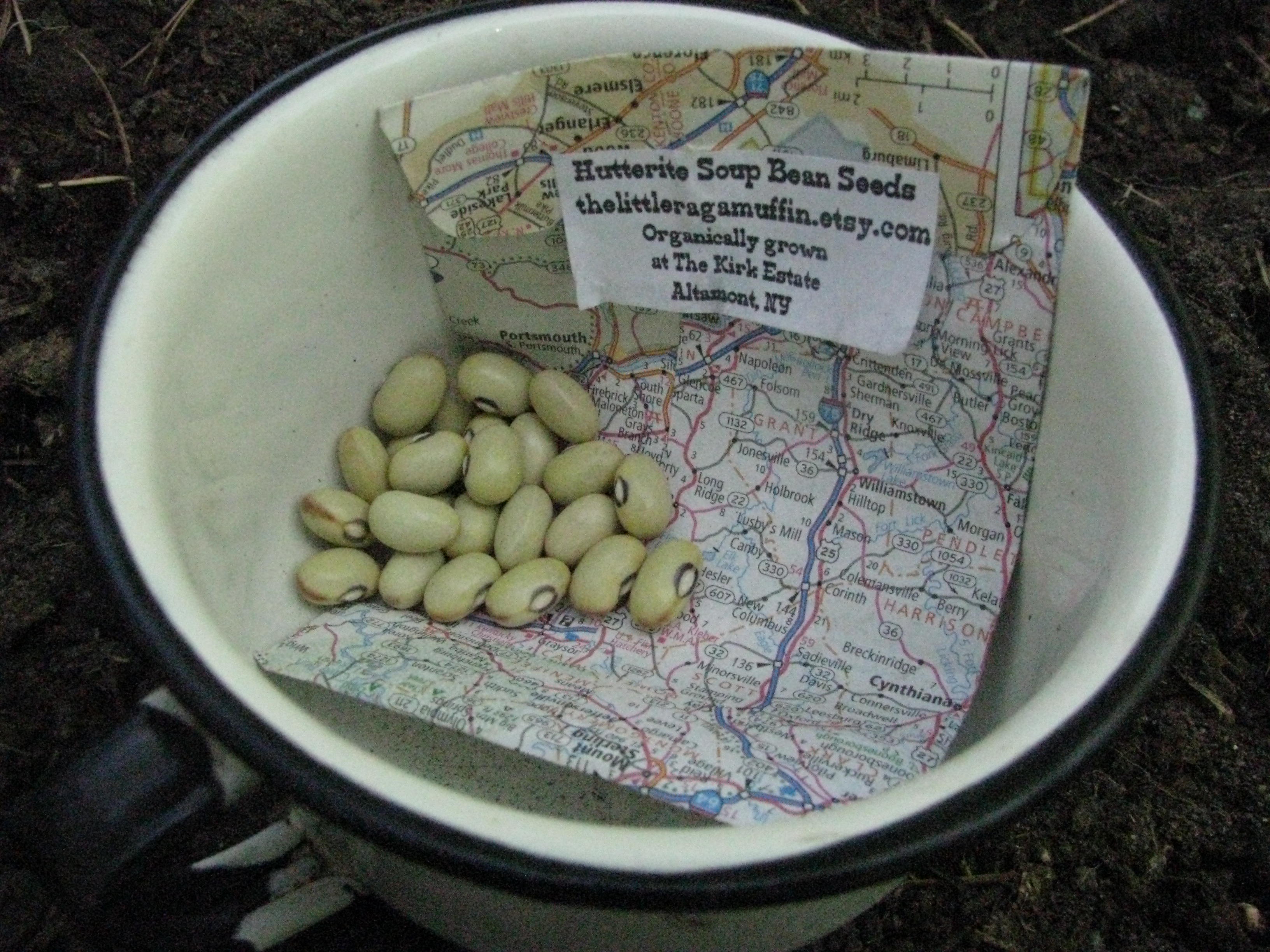
    On May 20th each year, I honor my father (May 20, 1910-January 26, 2005) and his influence on my connection to the soil by planting soup beans and potatoes in my garden. Although the heirloom varieties of soup beans (Hutterite pictured in enamel cup, Calypso, Hidatsa Shield Figure, Painted Pony, Turkey Craw, and Ireland Creek Annie) that climb various trellises throughout my garden, and the Purple Majesty Potatoes with purple skin and purple flesh that I companion plant next to nasturtium (to deter Colorado potato beetles) and cabbage, are not the navy beans and russet potatoes of my childhood, no matter.

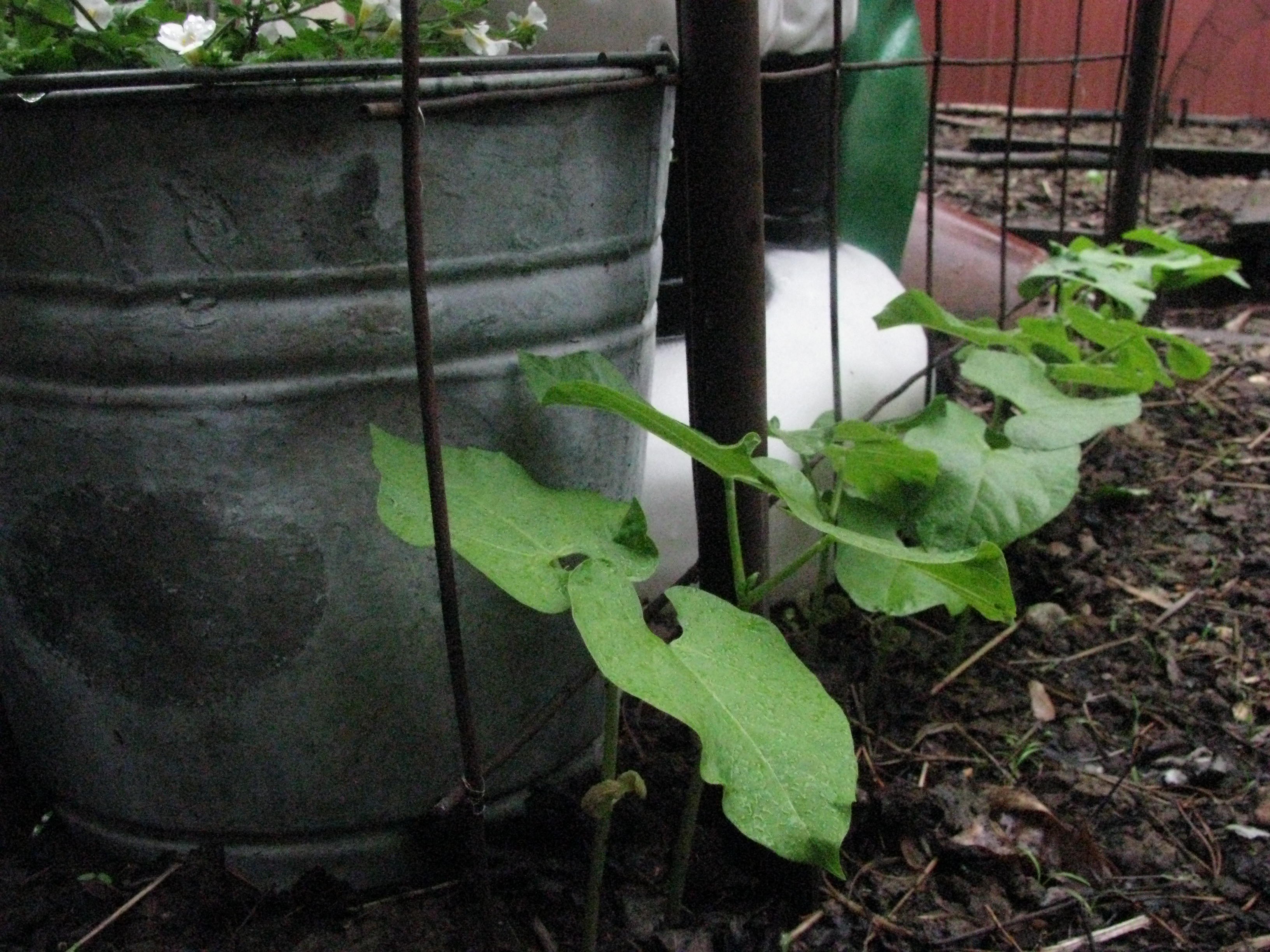
    Soup bean plants Garden soup beans

    Life's cycle continues…

  • Deep within the soil, the tiny seeds of carrots and the "eyes" of seed potato chunks that were planted in the early spring take root. Silently, steadily over the warm summer months root vegetables grow. Unseen. Until end-of-summer and the tease of autumn gently intersect.   

    Root vegetable harvest

    For several years, I have been planting three varieties of potatoes: purple skin with purple flesh, red skin with red flesh, and white potatoes. Sliced, then fried alongside pastured hen eggs with deep orange-colored yolks… Holy moly. 


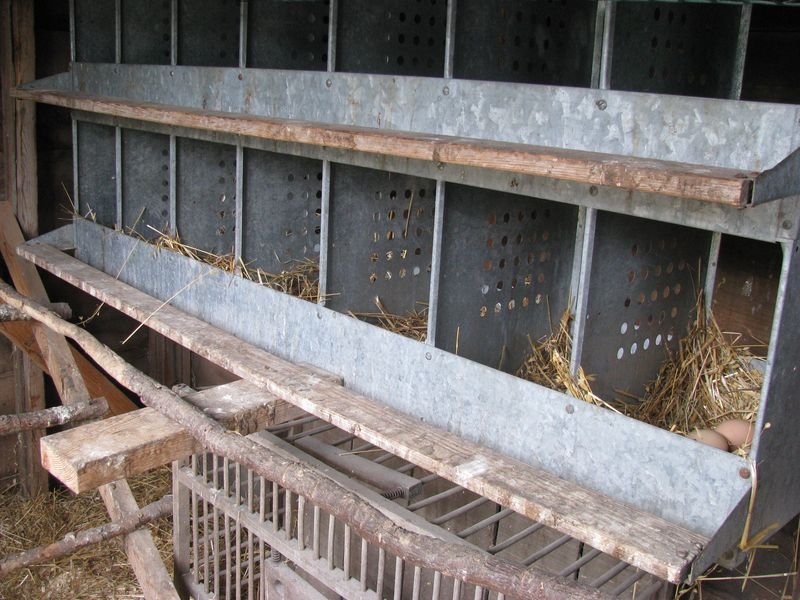
  • Our Barred Rock and Rhode Island Red Hens have a cluster of sixteen metal nesting boxes attached to the rear wall of their chicken coop… all lined with straw.

    Barred rocks rhode island reds day 1 Nesting boxes

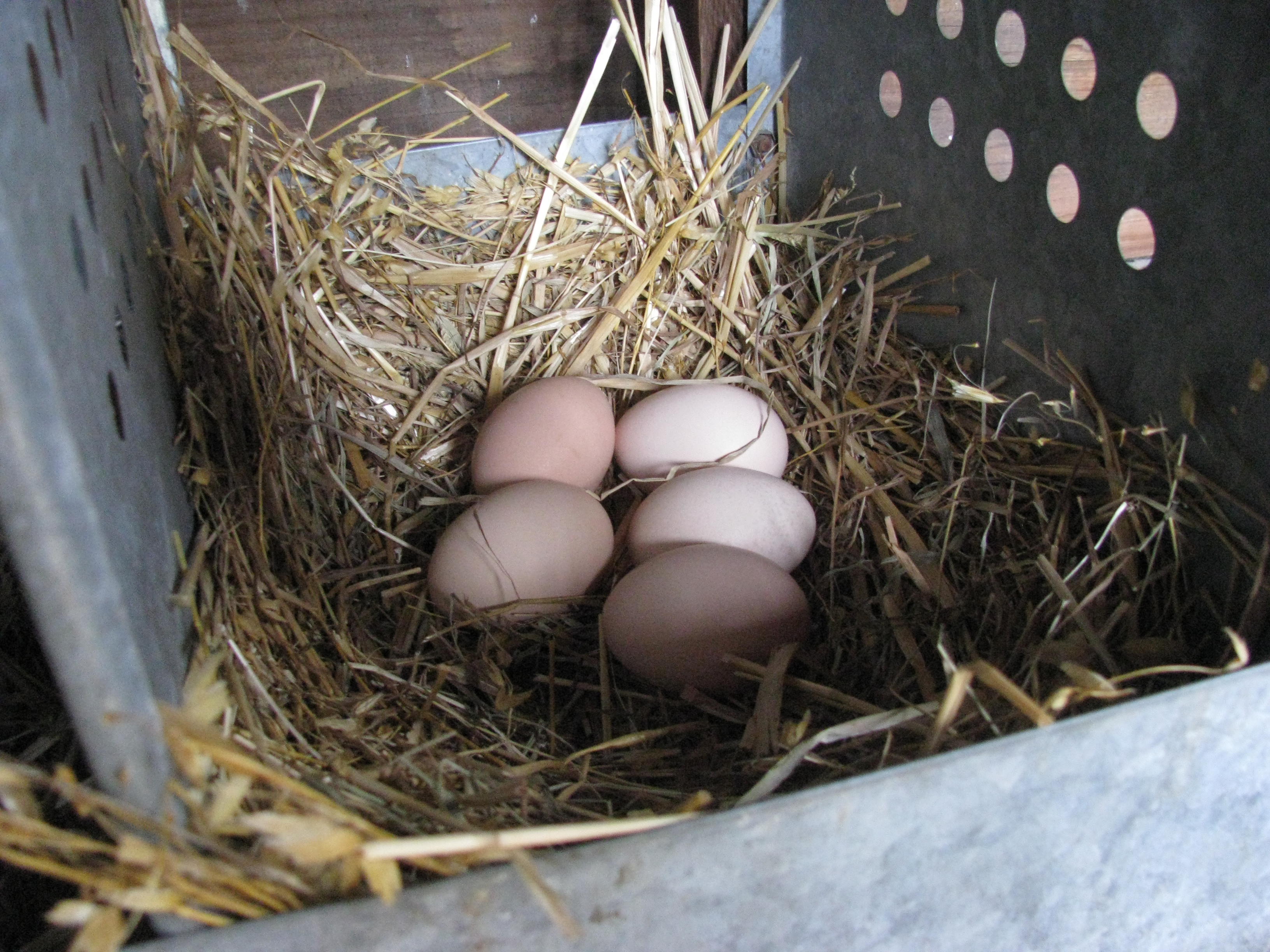
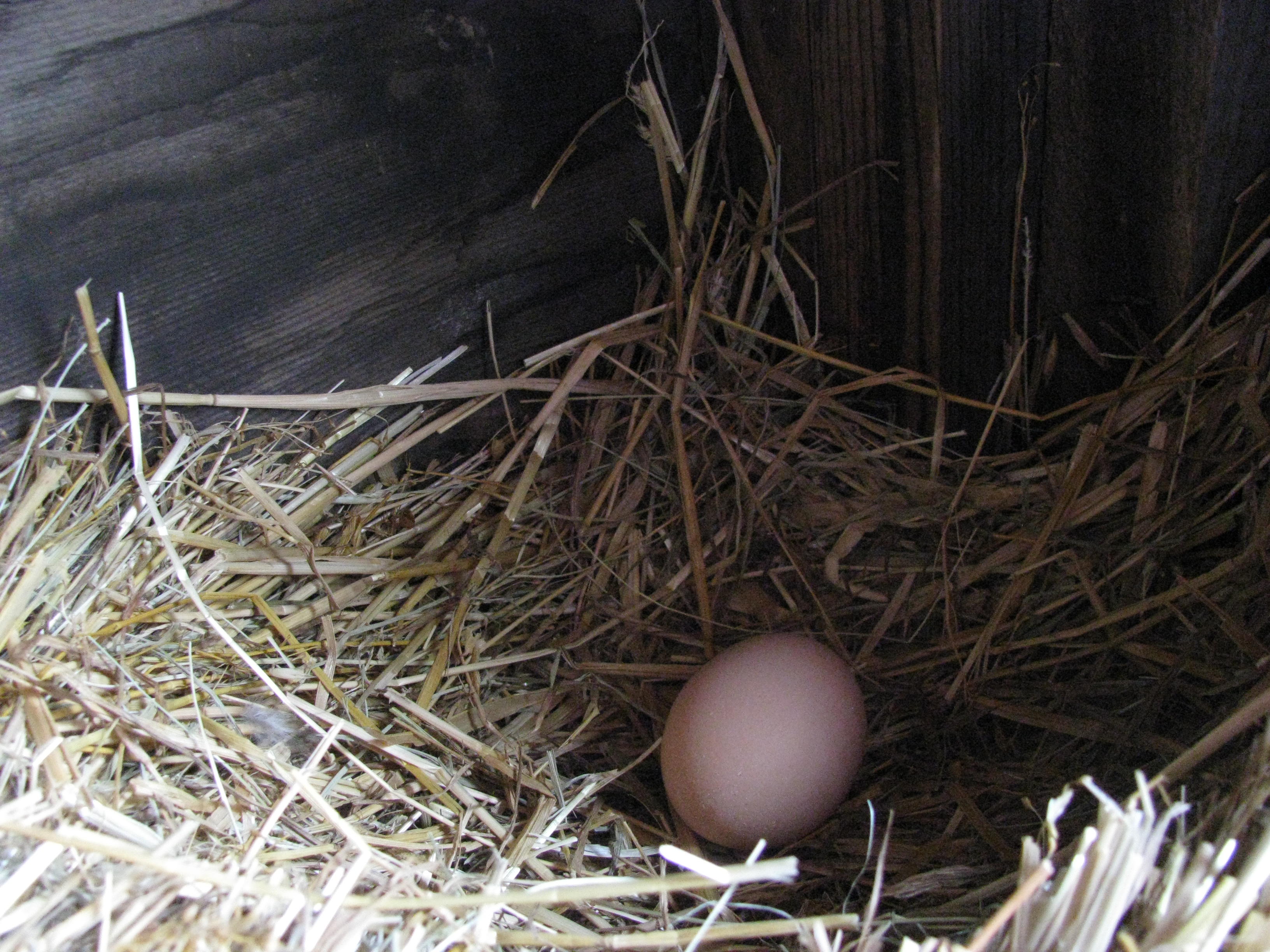
    Our hens are a flock of six. They could each have their own nest. However, five take turns laying their daily egg in one box and the sixth on top of a bale of hay where she has hollowed out a bowl-shaped nest.

    Nesting box with eggs Hay bale nest

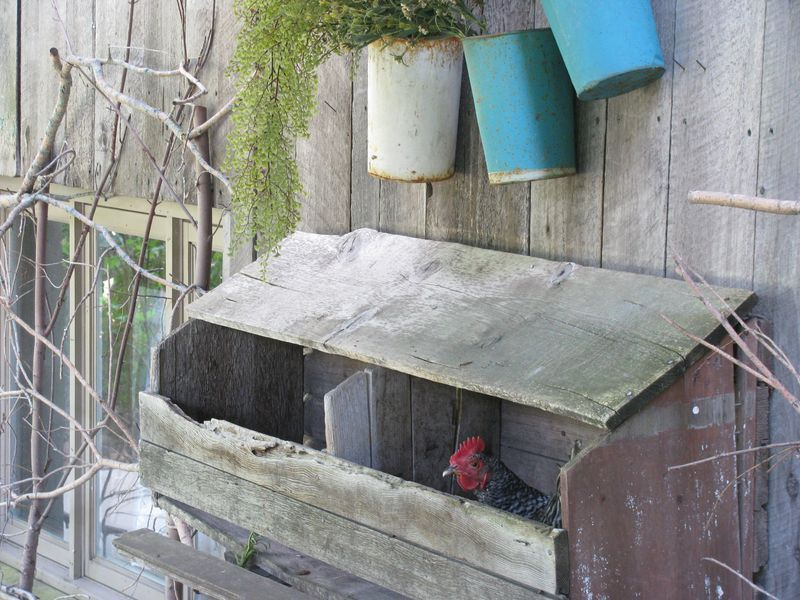
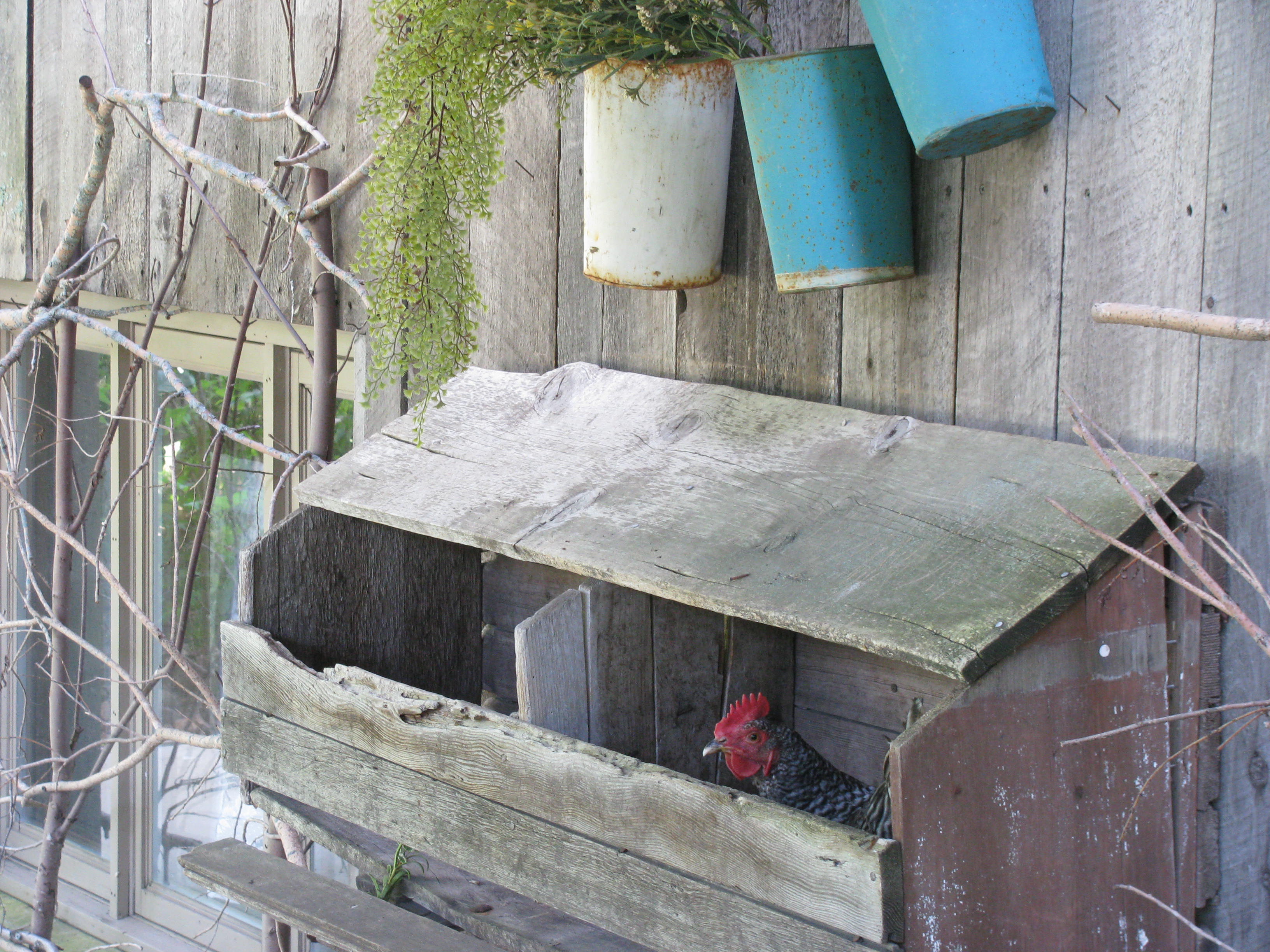
    Then, one hen… and later two… started hanging out in an old wooden nesting box that we had, several years ago, attached to the wall of our front porch just for quirkiness. If we had extended an invitation by lining the two units with straw, it wouldn't have struck us as odd, but the hens identified it as a nesting box on their own.

    Porch nesting box

    They have never laid a single egg in the box. Maybe because they lack straw, but they hang out long enough for us to know that they may be considering it.

  • Each year, a local farmer plants, tends, and harvests grain on a portion of our acreage. Utilizing a four-year rotation plan, he intentionally selects crops that enrich the soil naturally and provide bees with nectar for honey production.  

    Triticale closeup (1) Triticale straw

    Last fall, in our field, he planted triticale (trit uh KAY lee), which is a hybrid grain made by crossing wheat (triticum) and rye (secale). Hybrid and GMO are not the same. A hybrid is a plant variety developed by intentionally crossing two parent plants using a low-tech process that mimics what occurs naturally in nature. Conversely, GMOs (genetically modified organisms) are created using highly complex methods to create unnatural plant varieties that would never emerge naturally in nature.

    Mowed triticale Triticale combining

    We are grateful for the partnership we have with a committed organic farmer.


  • Freshly-cut rhubarb stalks make a lovely springtime bouquet.

    Rhubarb stalks

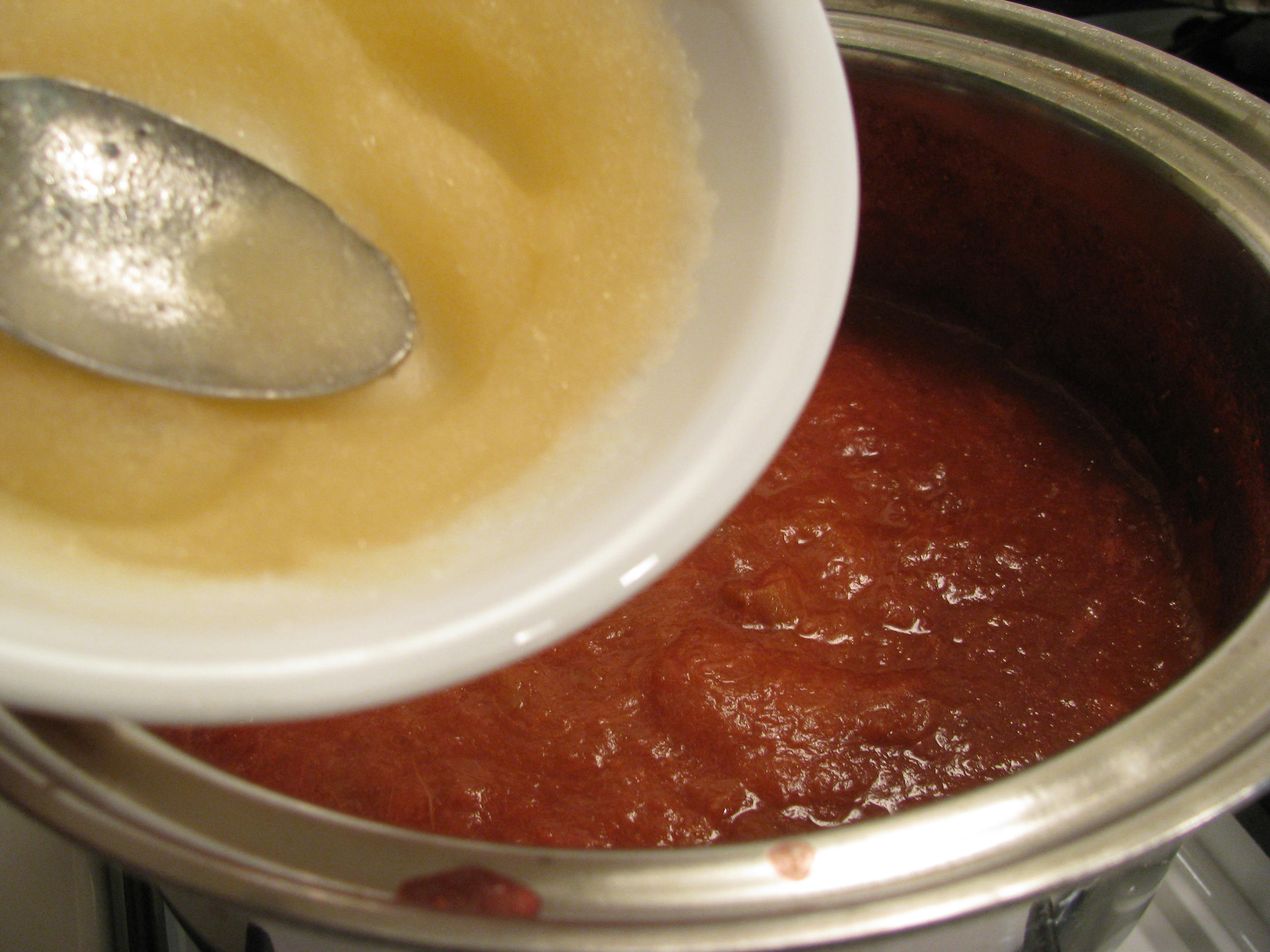
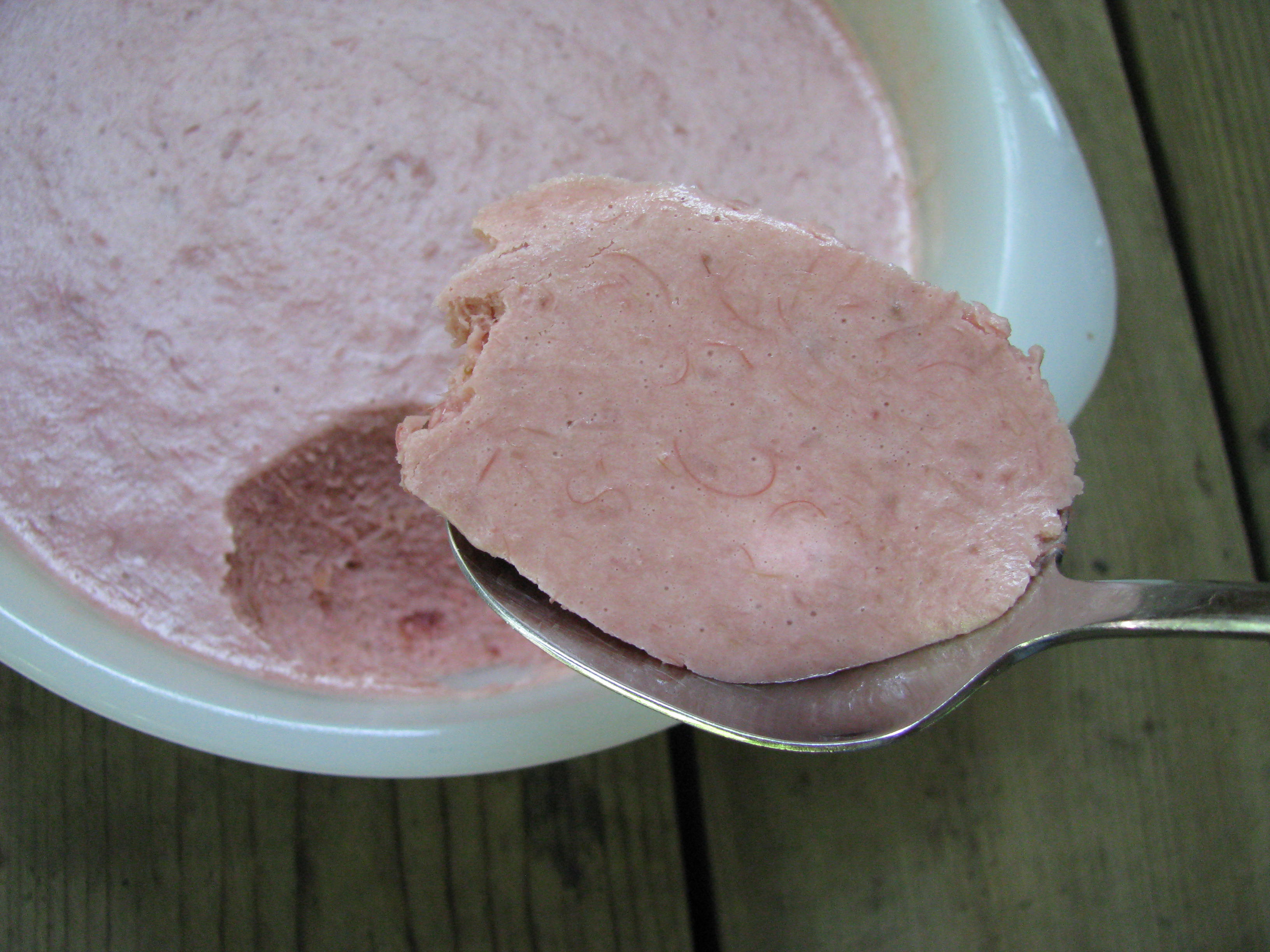
    Then, made into a lightly sweetened sauce thickened with gelatin and whipped cream folded in… the rhubarb becomes a nutritious summertime dessert.

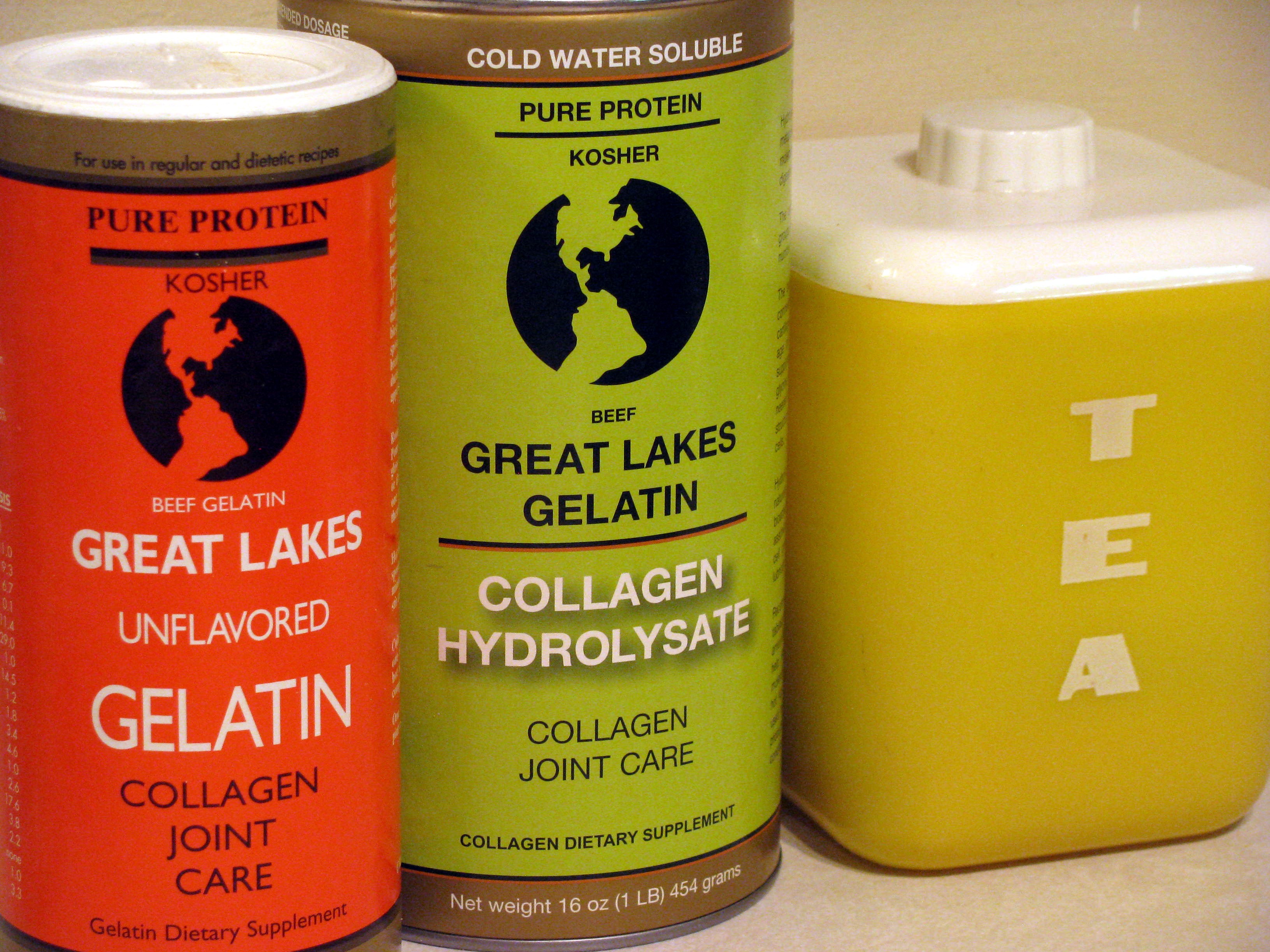
    Great lakes gelatin Great lakes gelatin gelled

    Everyday, I add Great Lakes Gelatin (green canister) to my juice flavored water (i.e., pomegranate, tart cherry, aloe) or hot tea. It is flavorless and dissolves rapidly in both cold and hot beverages. Whenever I want to gel anything, as in this recipe, I use Great Lakes Gelatin (orange canister). The easiest method is to mix the powder with a portion of the liquid called for in the recipe, then add it to the hot mixture where it will quickly dissolve. This prevents hard lumps that struggle to dissolve.

    Rhubarb strawberry gelatin

    Strawberry Rhubarb Mousse

    Slight adaptation of a recipe in an Azure Standard May-June 2015 Sales Flyer

    ¾ cup water, divided

    1 tbsp beef gelatin (I used 2 tbsp Great Lakes Gelatin -orange canister.)

    1 cup raspberries (I subbed 1-10 oz pkg frozen strawberries.)

    3 cups chopped rhubarb (I used 4 cups.)

    ½ cup honey (I used 1/3 cup honey + 2 tbsp raw sugar.)

    ¾ cup heavy cream

    Combine ¼ cup water and the gelatin; set aside. In a saucepan, combine remaining ½ cup water, raspberries (or strawberries), rhubarb, and honey. (Because I use raw unfiltered honey and raw sugar, I waited to add the honey and sugar to the cooked and cooled mixture.) Bring to a boil and cook a couple minutes until rhubarb is just tender. (I simmered it a bit longer to achieve a softer, sauce consistency.) Remove from heat and stir in gelatin mixture. Stir until gelatin is dissolved. Set aside until it cools. (if using raw sugar and honey, add it now after mixture cools. Beat the cream until stiff. (Instead, I beat it until it was softly thickened, not stiff. I found that this produced a fluffier end-product than previous trials using “stiff” whipped cream.) Fold cream into cooled fruit mixture. Spoon into individual dessert dishes or a serving bowl. Set in the fridge for a couple hours. (It gels quite rapidly.) 

  • This week, the overnight temps are forecast to be consistently in the 50s and the daytime highs in the low 70s, so today I moved my zucchini plants, that I had been growing in pots in my greenhouse, into my garden beds. This year, for the first time, I got a head start on my sweetcorn, too.

    Zucchini and corn transplants

    Plants are a miraculous thing. When a seed sprouts, it grows two leaves called cotyledons that are a food source for the plant until "true leaves" form. (See the two large spoon-shaped leaves at the base of the zucchini plant in the photo below.) The true leaves, which look like the plant's mature leaves, are now able to feed the plant through the process of photosynthesis. The cotyledons' job is now finished, so the two leaves decay and fall off the plant.

    Zucchini true leaves

  • Memorial Day Weekend. The official start of summertime outdoor activities. And potluck picnics. During my childhood, I vividly remember women proudly bringing their very best "covered dishes" to share. The ones they became known for through the years. In the present day, more often than not, contributions have become ones hurriedly snagged from the grocery aisle or deli. Perhaps enroute to the potluck? You and I may even have unknowingly stood in the same checkout line with our plastic quart of potato salad, rotisserie chicken, and gallon of lemonade. Despite having been affected by life's busyness, too, I do long for the potlucks portrayed in "Church Basement Ladies" musicals.
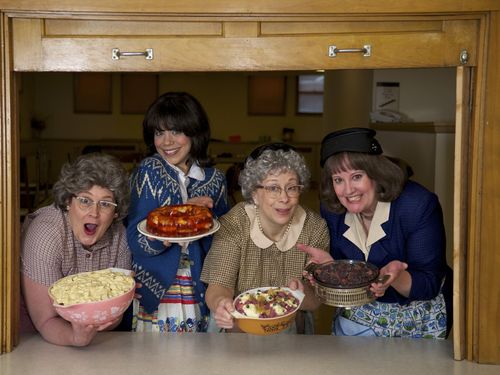
    Church basement ladies covered dishes

    Photo: Mark Frohna Marcus Center for the Performing Arts Milwaukee WI June 2011

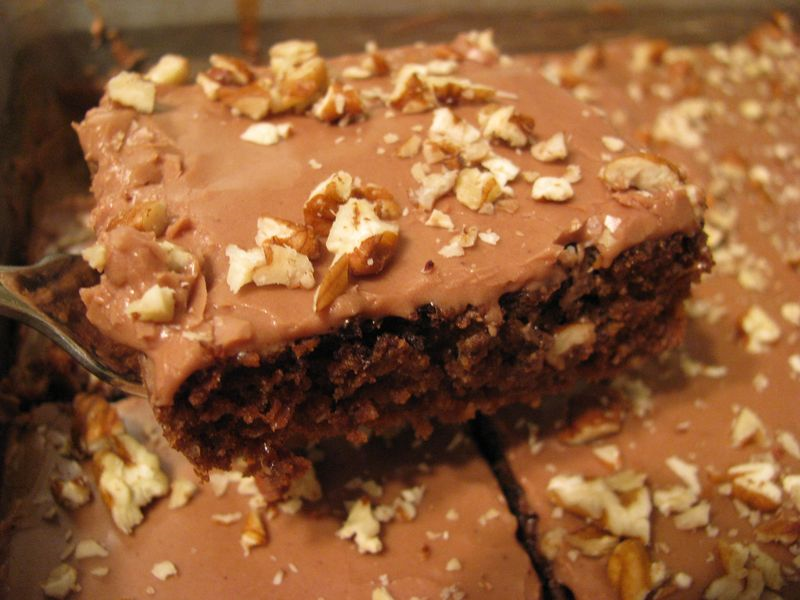
    While planning what to bring to a potluck that Dick and I attended earlier this month, my mind wandered back to when I was a young wife and mother. Texas Sheet Cakes were popular. According to my online research, the Texas Sheet Cake started showing up in the early 1960s and is a simplified German Chocolate Cake. Whereas a German Chocolate Cake requires melting chocolate, creaming butter, and beating egg whites, Texas Sheet Cake requires fewer steps and it is baked in a 12 x 18 x 2 jelly roll pan instead of three layers. Both cakes were frosted with a coconut pecan cooked frosting. The Texas Sheet Cake that I am familiar with is spread with a chocolate powdered sugar frosting sprinkled with chopped pecans. 

    The original cake recipe calls for 2 sticks butter and 2 cups sugar and the frosting has 1 1/2 sticks butter and 3 cups powdered sugar! I set about to find a healthier version. The Burnt Apple Blog's Healthified Texas Sheet Cake uses 1/2 cup bean puree to replace the two sticks of butter, then I reduced the cake recipe's 2 cups sugar to 3/4 cup. I drastically reduced the butter content in the recipe's frosting and made ½ recipe which produced a thinner layer but still plenty of coverage. It’s all that’s needed. My revamped version tastes every bit as good as the over-the-top fat-and-sugar-laden original recipe.

    Texas sheet cake sliced

    Revamped Texas Sheet Cake

    2 cups flour

    2 cups sugar (I used ¾ cup. Perfect.)

    ¼ cup cacao powder

    1 tsp baking soda

    1 tsp cinnamon

    ¼ tsp sea salt

    ¾ cup hot water

    ½ cup bean puree (Burnt Apple Blog's substitute for original Texas Sheet Cake's 2 sticks butter)

    ½ cup buttermilk

    2 eggs

     1 tsp vanilla

    Sift dry ingredients together. In another bowl, whisk wet ingredients. Add wet to dry and stir until ingredients are incorporated. Don’t overmix. Pour batter into an oiled or greased 9X13 cake pan. Bake at 375° for 20-25 minutes until inserted toothpick comes out clean. Allow cake to cool completely, then frost.

    Frosting

    1 tbsp butter

    1 tbsp cacao powder

    1 ½ tbsp milk

    1 ½ cups sifted powdered sugar

    ½ tsp vanilla

    Mix and spread over cooled cake. Sprinkle with chopped pecans, if desired.


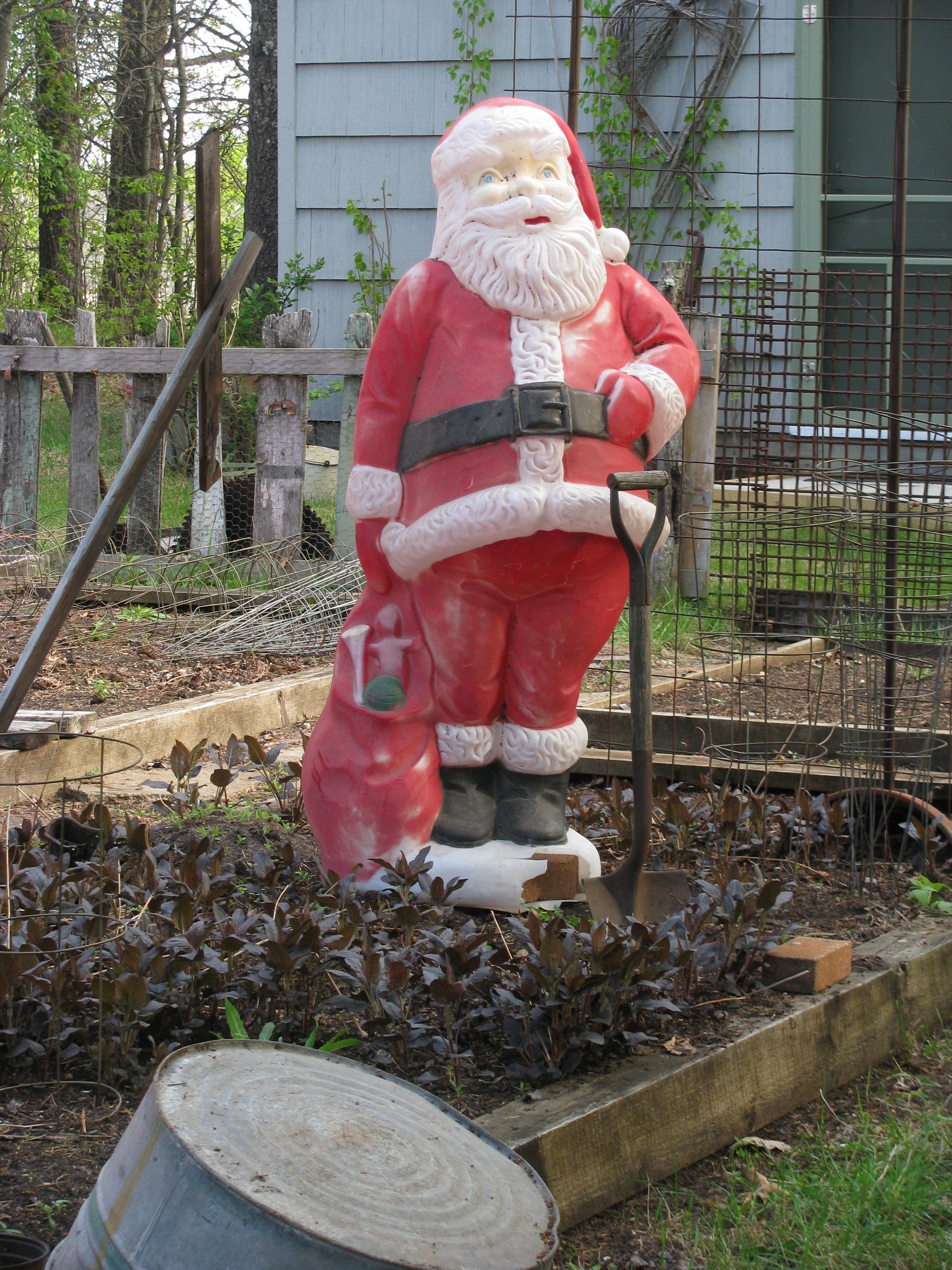
  • In the autumn of last year, I had removed the sundress and hat from my "scarecrow" during the garden's end-of-season putting to bed process. The wind and snow over the winter had toppled the simple board framework that formed a vertical "body" and perpendicular "arms" reminiscent of an old-fashioned telephone pole.  (See left side of photo.) Mentioning to Dick that I needed to set it upright again to ready it for its summer attire, he apparently tucked the thought away to retrieve later. He frequently rides his four-wheeler across our property to an adjacent piece of land where his friend, Pat, lives. This day, Pat had a large, plastic Santa targeted for the landfill. Immediately, Dick thought scarecrow. That would be the first thought to pop into everybody's head, right? Incredulously, Pat said, "She's not gonna want that in her garden!" "Oh, yes, she will," was Dick's rapid-fire reply. And he was right.

    Santa scarecrow


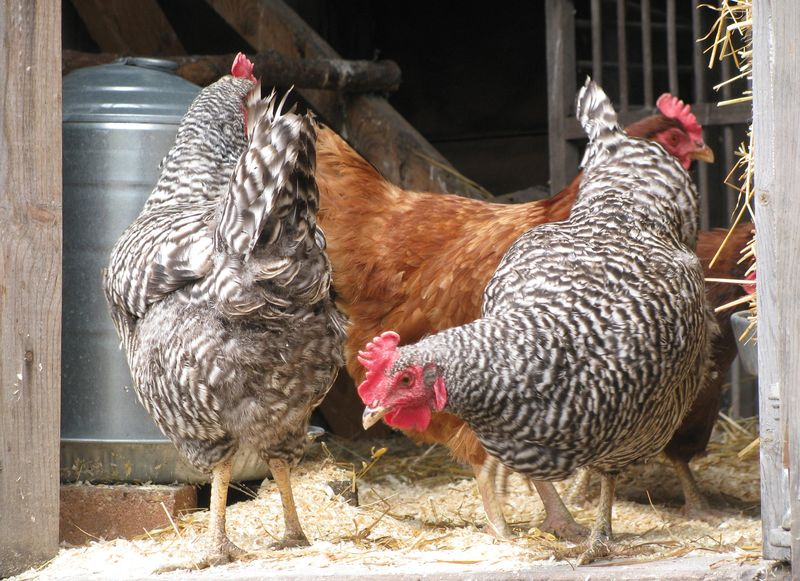
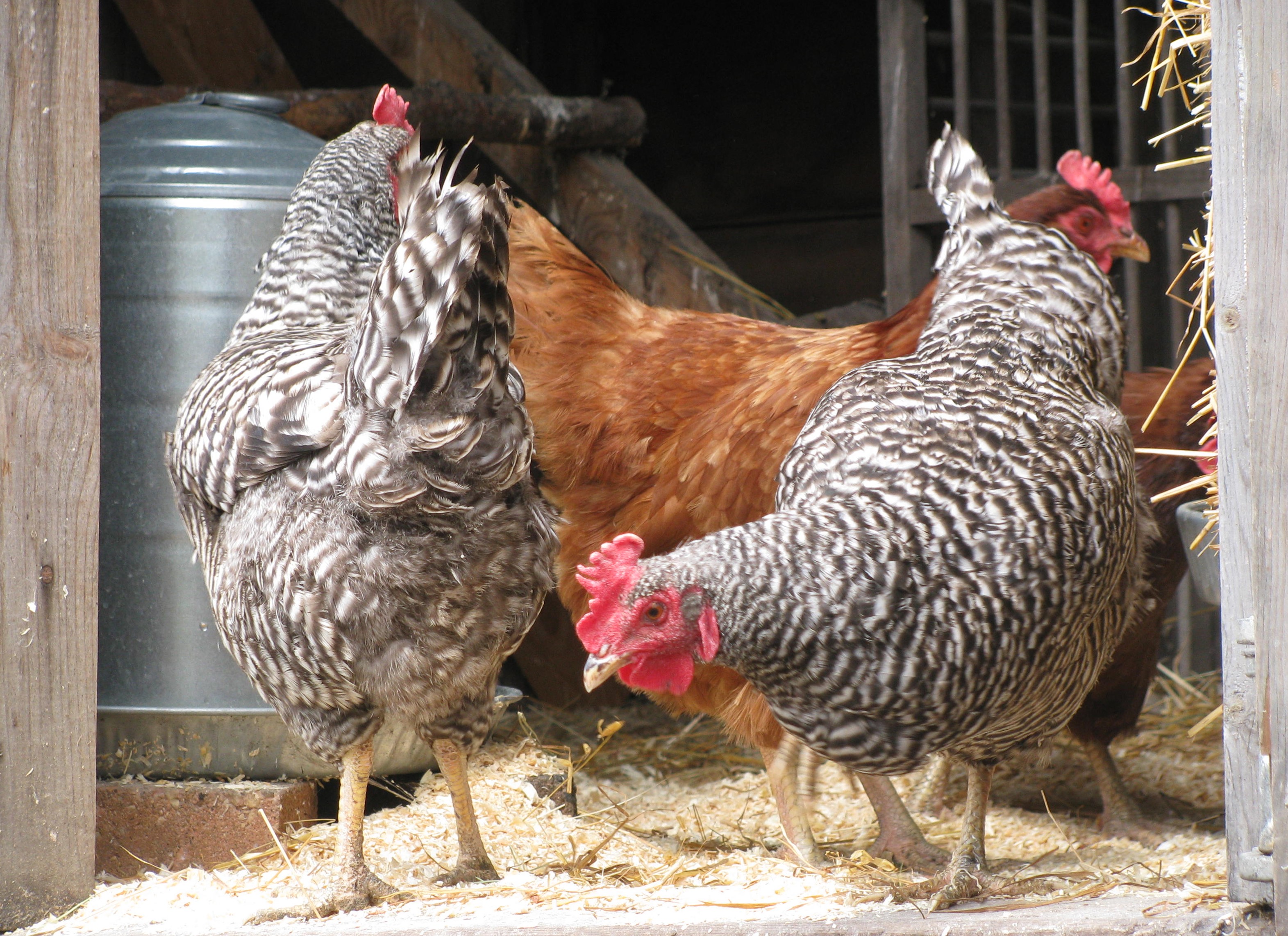
  • Our hens. Olga, Phoebe, Flossie, Henny-penny, Opal, and Pearl. Three Rhode Island Red and three Barred Rock. With no roaming restrictions, their diet is varied and nature-inspired, exercise occurs regularly and freely throughout the day in the fresh air and sunshine, and human contact aids psychological health. They must follow two rules. Eggs must be laid in the coop's straw-lined nesting boxes and all hens must return to the coop at dusk. A simple, happy life with few rules but very important ones. 

    Barred rocks rhode island reds day 1

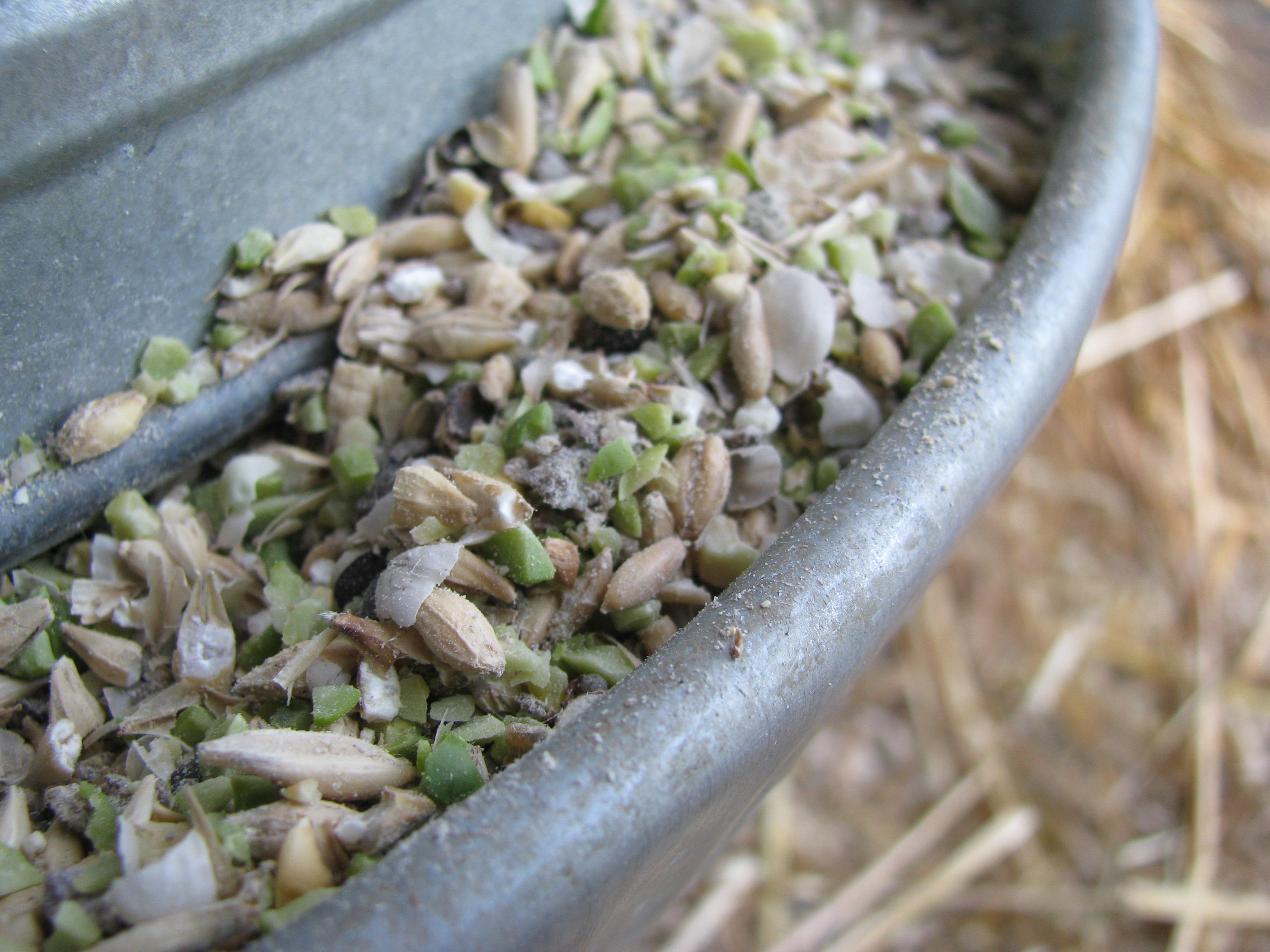
    Free-range foraging is supplemented with a chicken layer ration that we purchase from Buckwheat Growers in Wadena, (Minnesota). It is "transitional" feed, which means that it is raised using organic growing methods, but the farmer's fields are not yet certified organic. It takes a three year period to receive certification. This particular mix consists of barley, field peas, flax, buckwheat, oats, kelp, and vitamin and mineral supplements. Our hens eat well so that we may eat well.

    Chicken feed


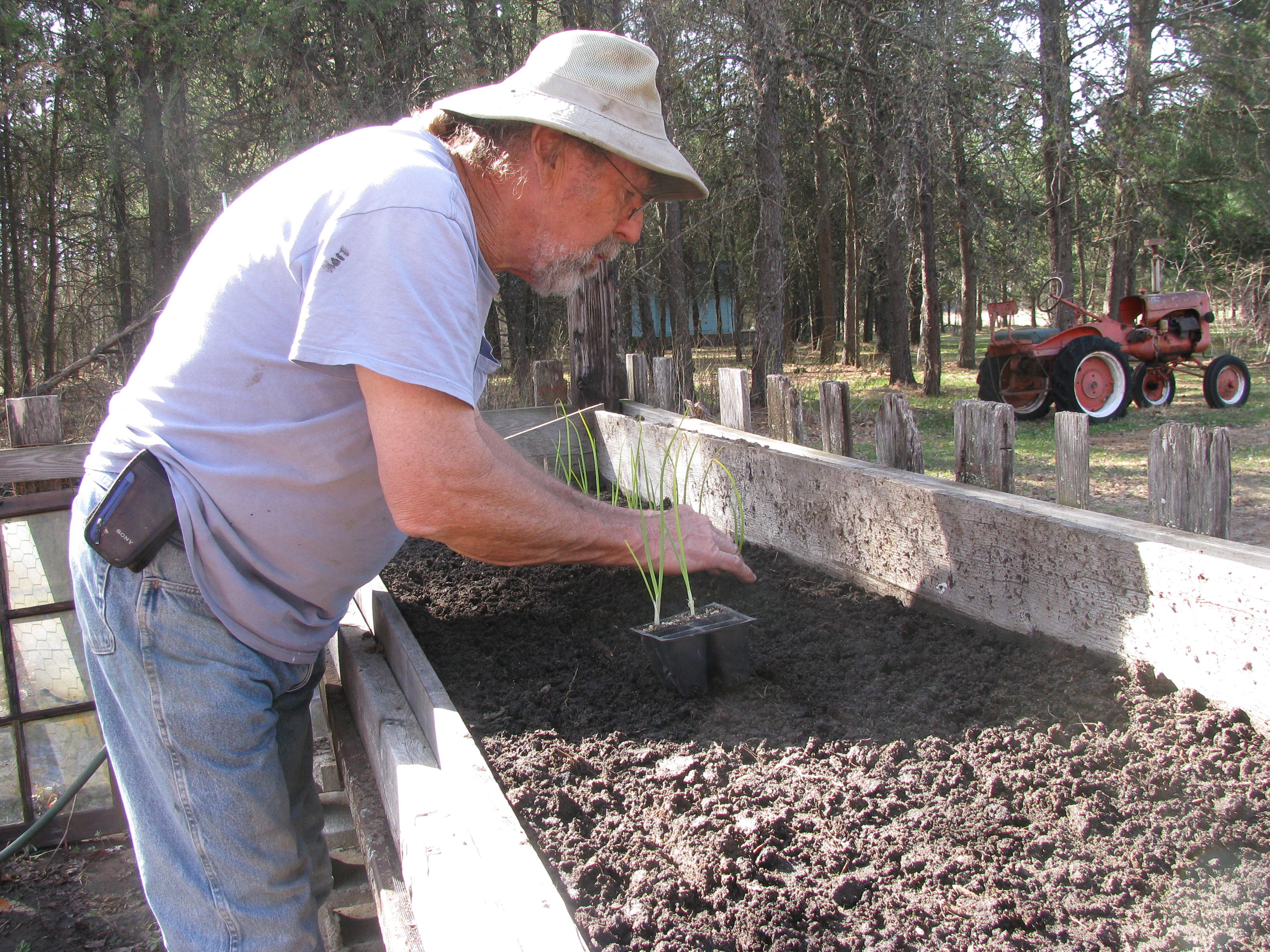
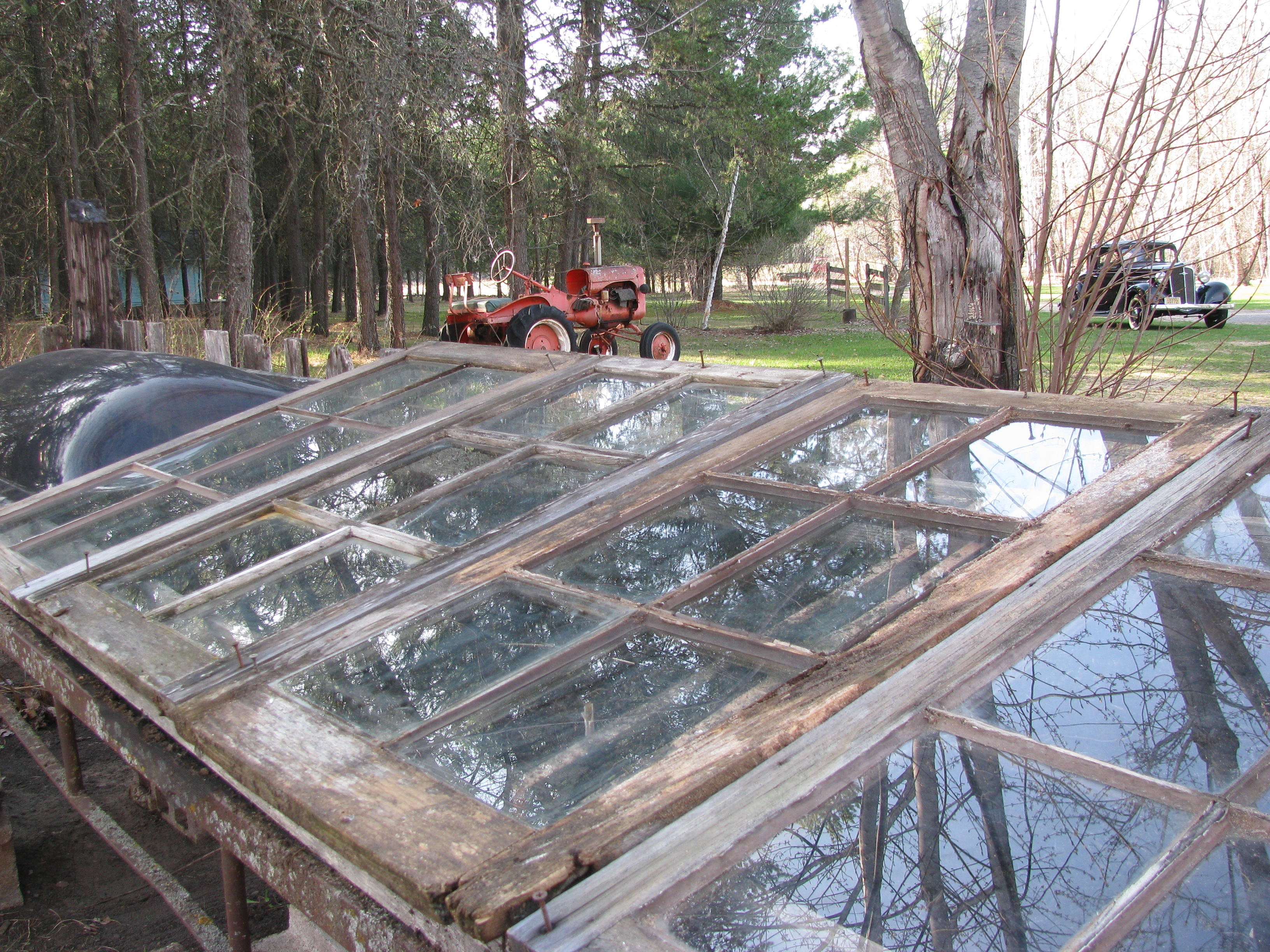
  • Residing in one of the colder climates in the nation presents challenges, but not roadblocks. A cold frame provides a jump start on our plant hardiness zone 3 growing season in central Minnesota.  Growing up, Dick and I both learned from our parents that whatever you have, use what you've got. Whether it be finances, intelligence, a specific skill set that you've come by naturally or learned, or repurposing castoff items. So, that's exactly what Dick did.

    Dick planting onions Window cold frame

    To build the cold frame, Dick used a steel "catwalk" supported by cement blocks for the base. "Catwalks, which are also called elevated walkways, allow access between buildings and to elevated areas of equipment or machinery that need regular attention in a variety of industrial and manufacturing environments." (Source: http://www.steelesolutions.com) The catwalk came from a building used by the now defunct Hanna Mining Co. in Crosby, Minnesota, where Dick's father worked. Many years after his father's death, Dick was hired to demolish the building. His lifetime work, as owner of an excavating business, netted him many finds that grew rusty over the years, such as this catwalk, until the perfect use surfaced. After cutting off the handrails, he lined the catwalk with landscape plastic to prevent soil from falling through the diamond grid pattern and to allow water drainage. Next, he constructed a wooden frame and filled the box with soil to a depth of 7 inches, then he planted seeds of Cherry Belle and Watermelon Radishes, Nantes Scarlet Carrot, a colorful mixture of leaf lettuce, and Evergreen Bunching Onions. Covered with a skylight removed from our back porch ceiling and old paned windows, the captured daytime warmth is enough to carry the plants safely through the cool nighttime as April soon transitions into May. The waist high "salad bar" cold frame virtually eliminates back strain. And that's a very good thing, especially for aging backs!