Whiteley Creek Homestead

LIFE AT THE END OF A DIRT ROAD IN CENTRAL MINNESOTA

organically grown triticale in our field
canoeing in our wetlands
raspberries growing wild on our property
our back porch fieldstone fireplace
  • I store spices in my designated baking area. Herbs are in another cupboard close to where I make casseroles and soups. For nearly forty years, coriander had an alphabetically assigned position between cloves and cream of tartar in my baking ingredients cupboard because I had used it in recipes alongside cinnamon, allspice, and nutmeg. However, in a Healthy Bison Chili that I made recently (click on link for recipe and see my tweaks at bottom of post), coriander teams up with chili powder, cumin, and cayenne pepper. I was confused. Is coriander considered a spice or an herb? I learned that the answer is both because two parts of the plant are used. The leaf, which resembles its cousin flat-leafed parsley, is the first stage of the plant's life cycle. It is called cilantro (sih-LAHN-troh) and it is used both fresh and dried. After the plant flowers and develops seeds, it is referred to as coriander. The seed, which is ground into a powder, is an essential ingredient in curry powder and Garam Masala. Every part of the plant, in varying stages of its growth, is edible including its root which may be used as a substitute for garlic. For the first time, my jar of coriander is making new friends in my herb cupboard positioned between chili powder and cumin. (L Photo: Iowa State University Extension and Outreach)
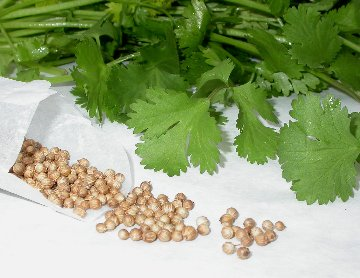
    Cilantro_Coriander Ground coriander

    What is the flavor of coriander? Fine Cooking Magazine describes it as having "a warm, spicy-sweet scent and flavor that's slightly lemony, warm, and pine-y with a whiff of caraway." That pretty much covers the spice-herb spectrum, which may add to the confusion regarding whether it should be considered a spice or an herb.

    *Changes I made when preparing the Healthy Bison Chili: 2 lbs 1 lb ground bison, 3 poblano peppers (I omitted), 6 tbsp 1 tbsp Mexican chili powder, one 14.5-ounce can whole fire-roasted tomatoes stewed tomatoes + ½ box fresh cherry tomatoes sliced in half + 1 c Knudsen’s Very Veggie Juice, one 15.5-ounce can white hominy (I omitted)


  • Although the soil's temperature in my central Minnesota zone 3 garden indicates that outdoor planting must wait a few weeks yet, I placed my seed potato order in mid-February. A few years ago, inspired by a purple sweet potato included in my weekly produce box and the pot of "Leek Butternut Squash and Sweet Potato Soup" that I prepared with them, I decided that I wanted to plant sweet potatoes… purple ones.

    Purple sweet potato Purple potatoes dug

    Purple sweet potatoes are grown in North Carolina. Ya gotta watch this YouTube video Stokes Purple Sweet Potato that tells how it all began and how the farmer got neighbors involved and saved their farms. He started the business after he retired. Heartwarming story on several levels. I wrote to him so he would know that his story was inspiring and I asked him if sweet potatoes would grow in Minnesota and did he sell seed potatoes to grow them. He wrote back to say that our growing season is too short. But, each year, I make sure to plant purple potatoes… ones with purple skin and purple flesh. No, they're not sweet potatoes, but I'm O.K. with that.

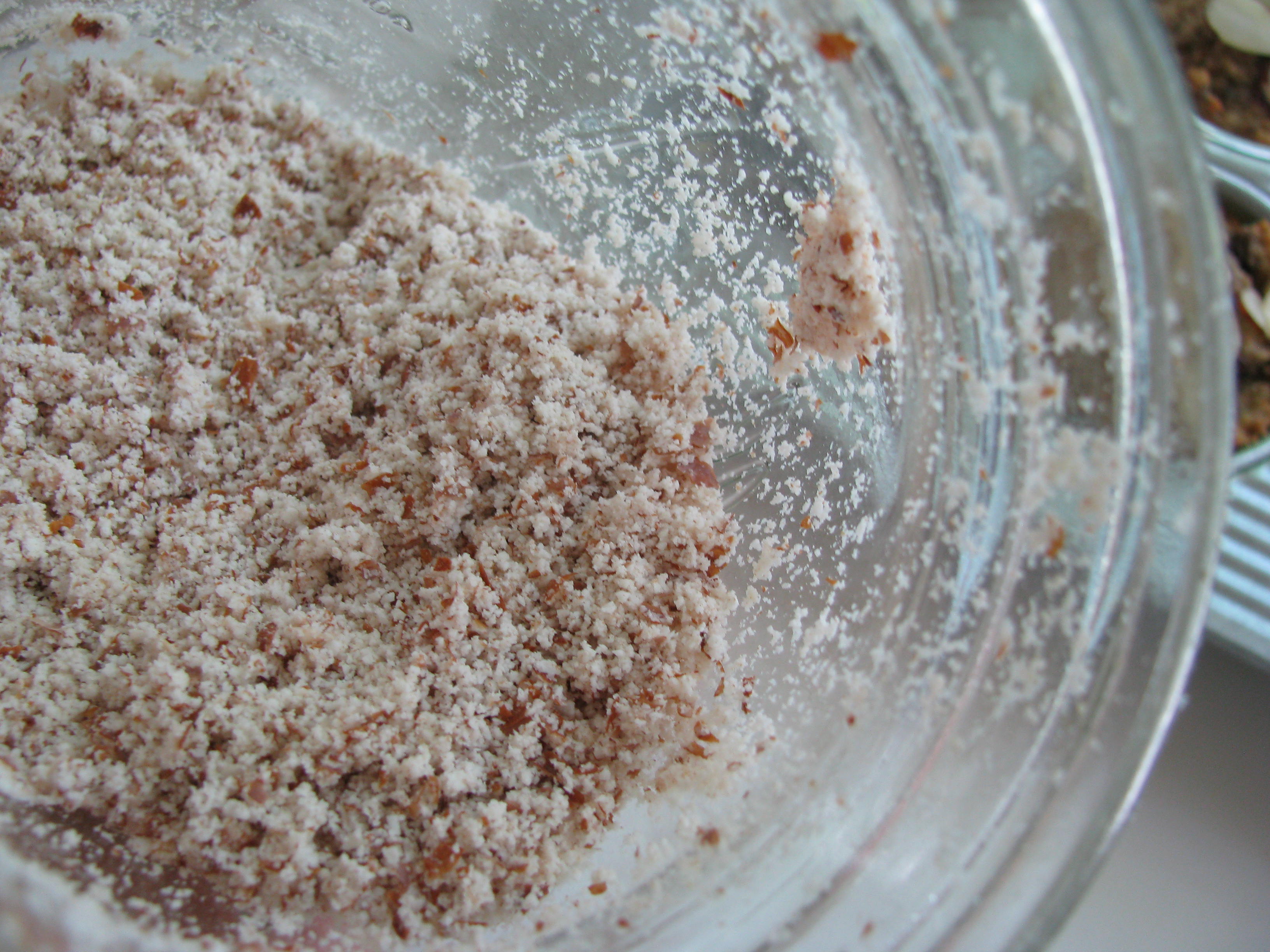
  • As I continue making almond milk, I keep generating more almond pulp. So my quest for recipes to use it up, goes on. Stored in the fridge, or freezer for longer term storage, nut pulp can easily become a baking staple. Today, I made muffins from The Muffin Myth Blog using nearly a 1:1 ratio of pulp and flour. For flour, I used some of each of the three kinds of homemade sprouted flour that I made recently (Emmer Grain, Kamut Wheat, and Spelt).

    Almond pulp in mason jar Almond pulp muffins with cherries and chia

    The muffins are moist, but not gooey or gummy, and so very tender.

    Almond pulp muffin quartered

    Almond Pulp Muffins with Cherries and Chia

    Makes 12 regular size muffins.

    1 heaping cup (about 20) pitted and halved cherries (I had no fresh cherries, so I opened a can of Montmorency Cherries, but they were quite mushy. Fresh Bing Cherries, or thawed frozen dark sweet cherries would be best, I think.)

    ¼ cup unsalted butter, melted and slightly cooled

    1 cup packed almond pulp (homemade almond milk byproduct)

    2 eggs

    scant ½ cup honey (I used ¼ cup.)

    1 tsp vanilla

    ¾ cup plain yogurt

    1 tbsp chia seeds (I used 1 tbsp ground chia seeds.)

    1 ½ cups whole wheat pastry flour (I used a mixture of homemade sprouted flour… ½ c Emmer Grain, ½ c Kamut Wheat, and ½ c Spelt.)

    2 tsp baking powder

    ½ tsp baking soda

    ½ tsp salt

    ¼ cup slivered almonds (I used sliced because it’s what I had.)

    Preheat oven to 350°F. Line 12 standard muffin cups with muffin liners or squares of parchment paper. (I use a King Arthur Flour muffin pan, so the muffins slide out easily. No need for lining the muffin cups except for aesthetics.) Pit the cherries by slicing in half then twisting to separate the two halves. Remove pit with fingers. In a medium-sized bowl, whisk together melted butter, almond pulp, eggs, honey, vanilla, yogurt, and chia seeds. Set aside. In a smaller bowl, whisk together flour, baking powder, baking soda, and salt. Stir the dry mixture into the wet just until combined but still a little lumpy. Fold the cherry halves into the batter, and spoon into the muffin tins. Sprinkle the tops with slivered (or sliced) almonds. Bake for 18-20 minutes until muffins are puffed and golden and toothpick inserted in center comes out clean. Let cool in the muffin tins for about 5 minutes, then transfer to wire cooling rack. Recipe by The Muffin Myth http://www.themuffinmyth.com

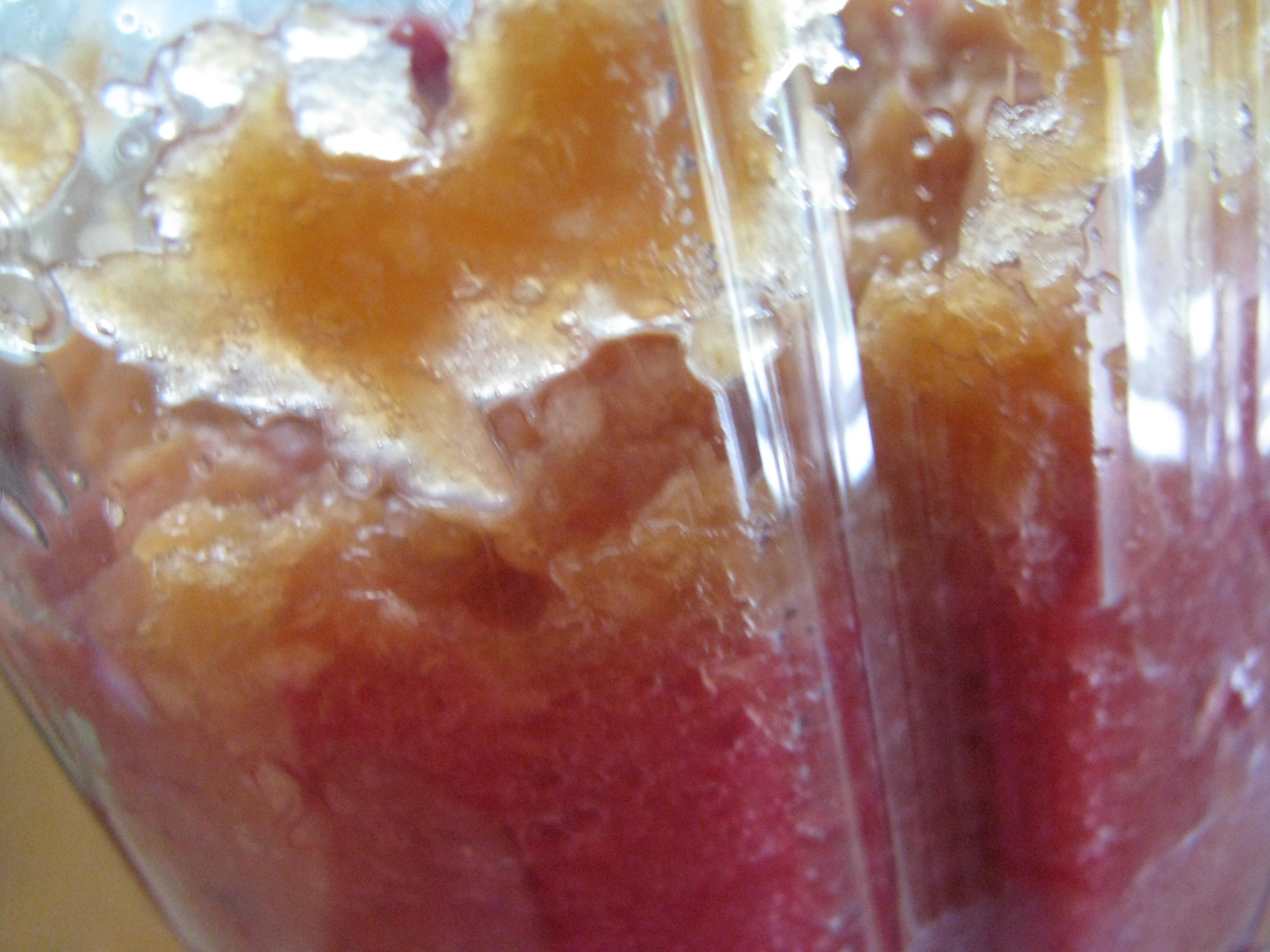
  • I made my first homemade fruit leather ever. The recipe came from my Winter 2014 issue of Sweet Paul Magazine p. 45. Apples, lemon juice, and a small chunk of beet for red color. Store-bought fruit roll-ups? Check out this strawberry fruit roll-ups label. Where are the strawberries? And the deceiving color? It comes from red 40, yellow 5 & 6, and blue 1 dyes. As you can see in this blender container closeup of the partially combined mixture, a beet rapidly turns browned oxidized apple puree into a lovely rosy hue… a perfect alternative to synthetic dyes.

    Strawberry fruit roll-up label Apple vs apple + beet

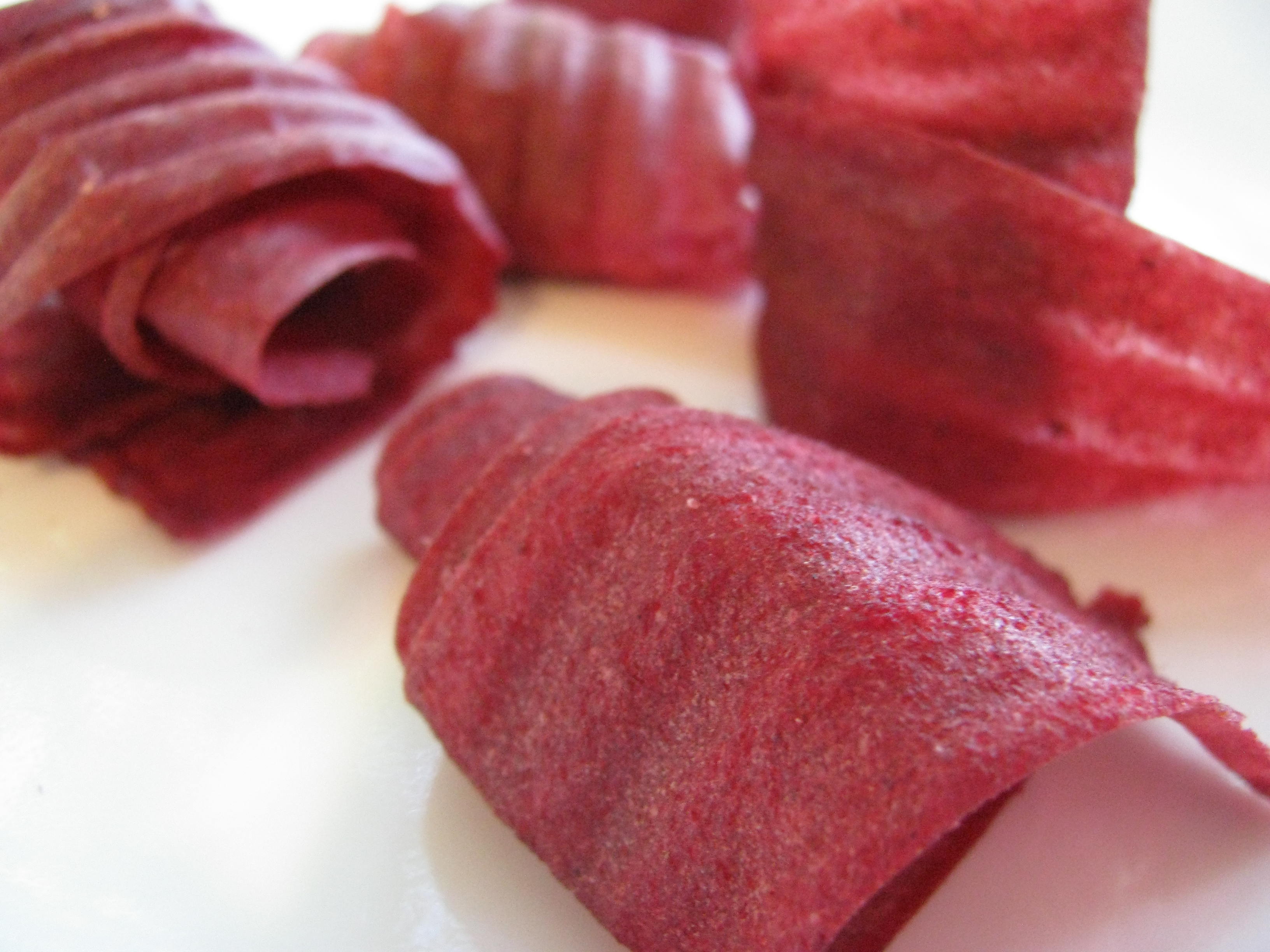
    I would use a smaller chunk of beet next time. It's not that I tasted the beet. I didn't. I just think that a more vibrant red would be prettier. Maybe less beet would achieve that. What's up with the fruit leather's corrigated ridge pattern? I choose to line my dehydrator racks with natural parchment paper rather than using ParaFlexx sheets that have a PTFE (polytetrafluoroethylene-Teflon) coating. The wetness of the puree caused the parchment to mold to the shape of the metal racks. Did the puree soak through the parchment paper? No, not at all. Was the fruit leather difficult to peel off post dehydrating? No, the parchment released easily from the fruit leather.

    Red apple leather

    Red Apple Leather

    2 lbs apples (about 5 medium apples)

    1 lemon, juiced

    1 red beet (golf ball sized)

    1 tbsp maple sugar, optional (I used coconut sugar, but I will try honey next.)

    ½ tsp ground cinnamon

    1/8 tsp ground cardamom

    pinch of salt

    Preheat oven to 225°F. (If using dehydrator, preheat to 135°F.) Peel, seed, and chop apples. (I will try unpeeled apples next.) Peel and chop the beet. In a food processor or blender, purée the apples and beet with the lemon juice until smooth. (For me, a blender worked better than my food processor.) Blend in the sugar, spices, and salt. Divide the purée in half and spread it in an even layer ¼” thick onto two parchment lined baking sheets. The purée rectangles will end up being about 9×14 and will not completely fill the sheet. (Or, if using a dehydrator, cut two pieces of parchment paper the size of your dehydrator’s shelves and place the papers directly onto shelves in the dehydrator.) Bake the leather in the oven until it is dry to the touch, about 1 ½ – 2 hours, rotating the pans halfway through. Turn off the oven and allow the leather to cool completely inside. (If using a dehydrator, drying takes about 5 hours.) Peel the leather off the parchment and cut it into strips with a scissors (or knife). Roll the strips in waxed paper (cut into widths just a fraction larger than the fruit leather).


  • It started out as a porridge, but rapidly the recipe transitioned into a beverage when I decided to reduce the amount of chia seeds. Thus, a beverage. No longer a porridge. Still nutrient dense. Still yummy. A perfect way to jazz up homemade almond milk. If you desire porridge, here's the original recipe titled Cardamom Chia Breakfast Bowl.

    Cardamom chia milk

    Cardamom Chia Milk

    Makes 2 servings.

    ¼ tsp ground cardamom

    2 pitted dates, finely chopped

    ¼ cup chia seeds

    ½ tsp ground cinnamon

    2 cups milk (I used homemade almond milk.)

    Mix all ingredients in a bowl or mason jar. Let sit for about an hour to allow the chia seeds to soften to a tapioca consistency. Alternatively, you can make the milk the night before and let it sit overnight in the refrigerator. So as not to miss the sweetness of the dates that rapidly settle to the bottom of the bowl/jar, use a measuring cup to simultaneously stir and scoop into a beverage glass.

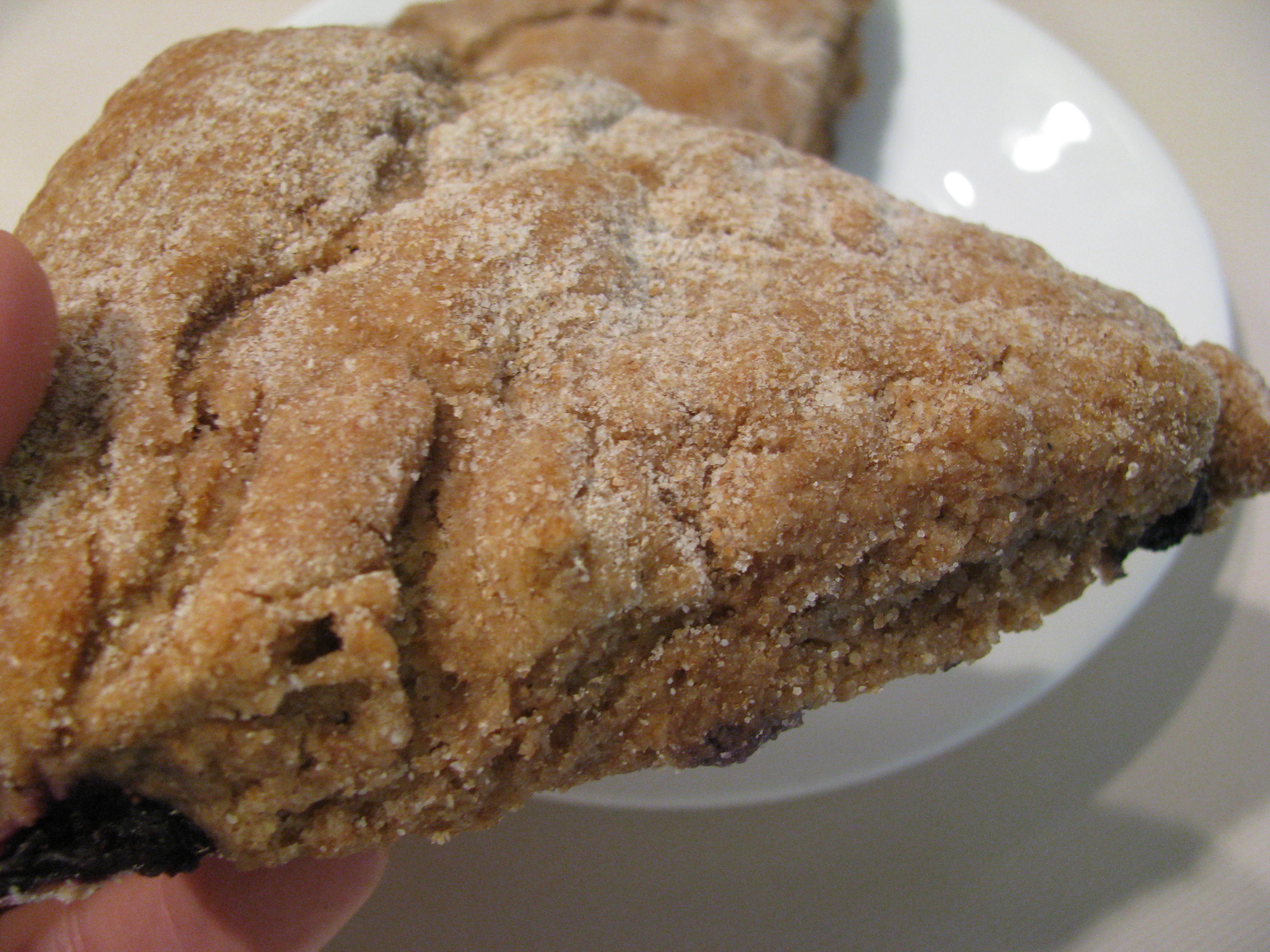
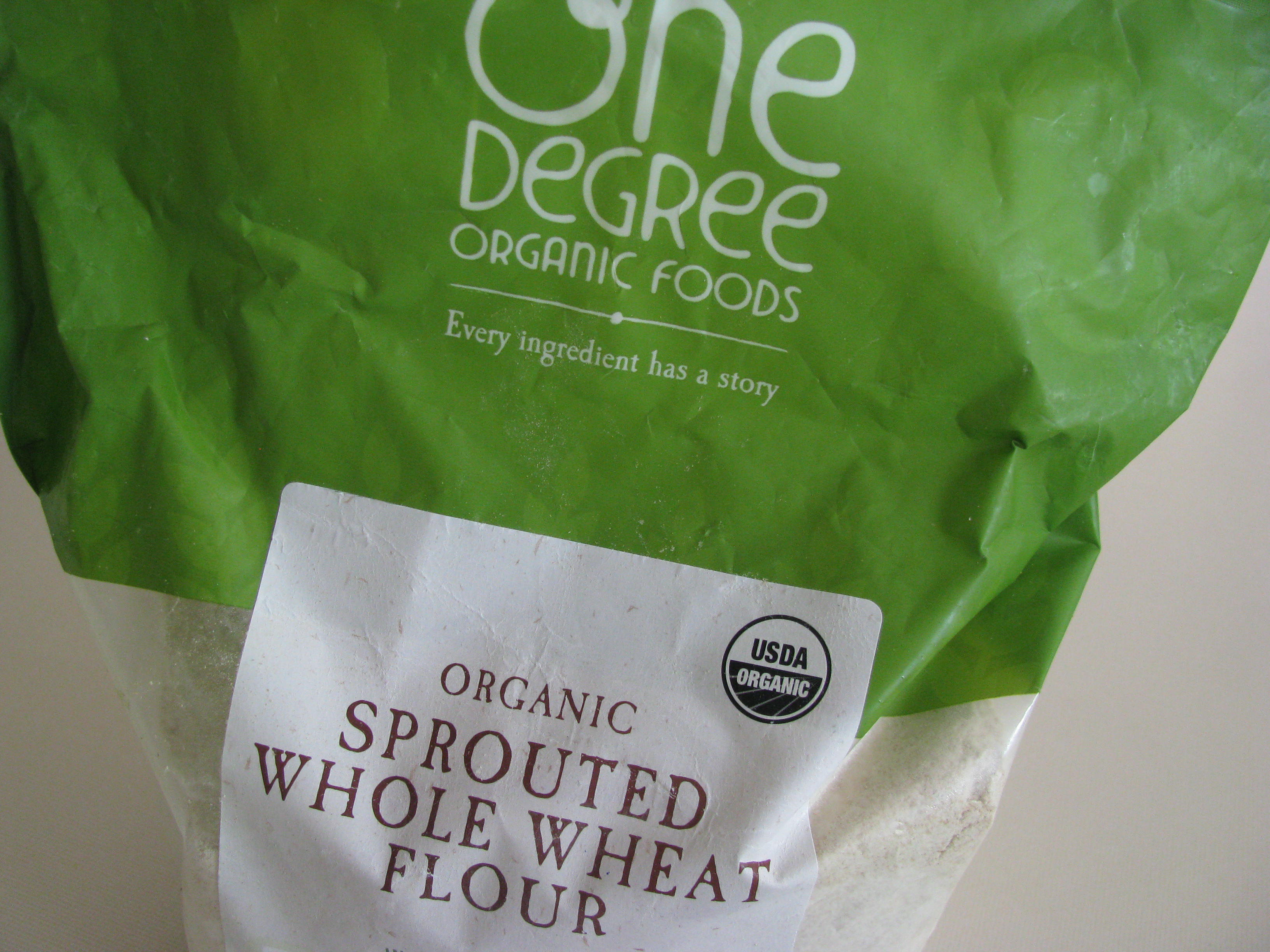
  • My friend, Pat, recently shared a recipe for "Sprouted Spelt Scones with Berries and Cream" from The Elliott Homestead. Such a sweet blog and equally sweet of a friend to think of me, so I made the scones. I used some leftover sprouted whole wheat flour from the freezer – a gift from my daughter, Heather. The dough was easy to work and the scones were very tender. However, I'm unable to critique the recipe because, after tweaking it, I realized the recipe had become a clone of my King Arthur Flour Whole Wheat Scones that I make often. It is a recipe that I acquired during a bread baking class at the KAF Headquarters in Norwich, Vermont November 2013. 

    Sprouted spelt scones  Sprouted flour bag

    Like a frog on a lily pad basking in the sunshine then leaping onward to another adventure, I decided it was time to make my own sprouted grain flour. It's a skill that I have wanted to learn for a long time, so I began researching. I read blogs and books and watched YouTube videos until I had the knowledge I needed. Now, after having completed the process start to finish, I have discovered that it's as easy as making nut milks.

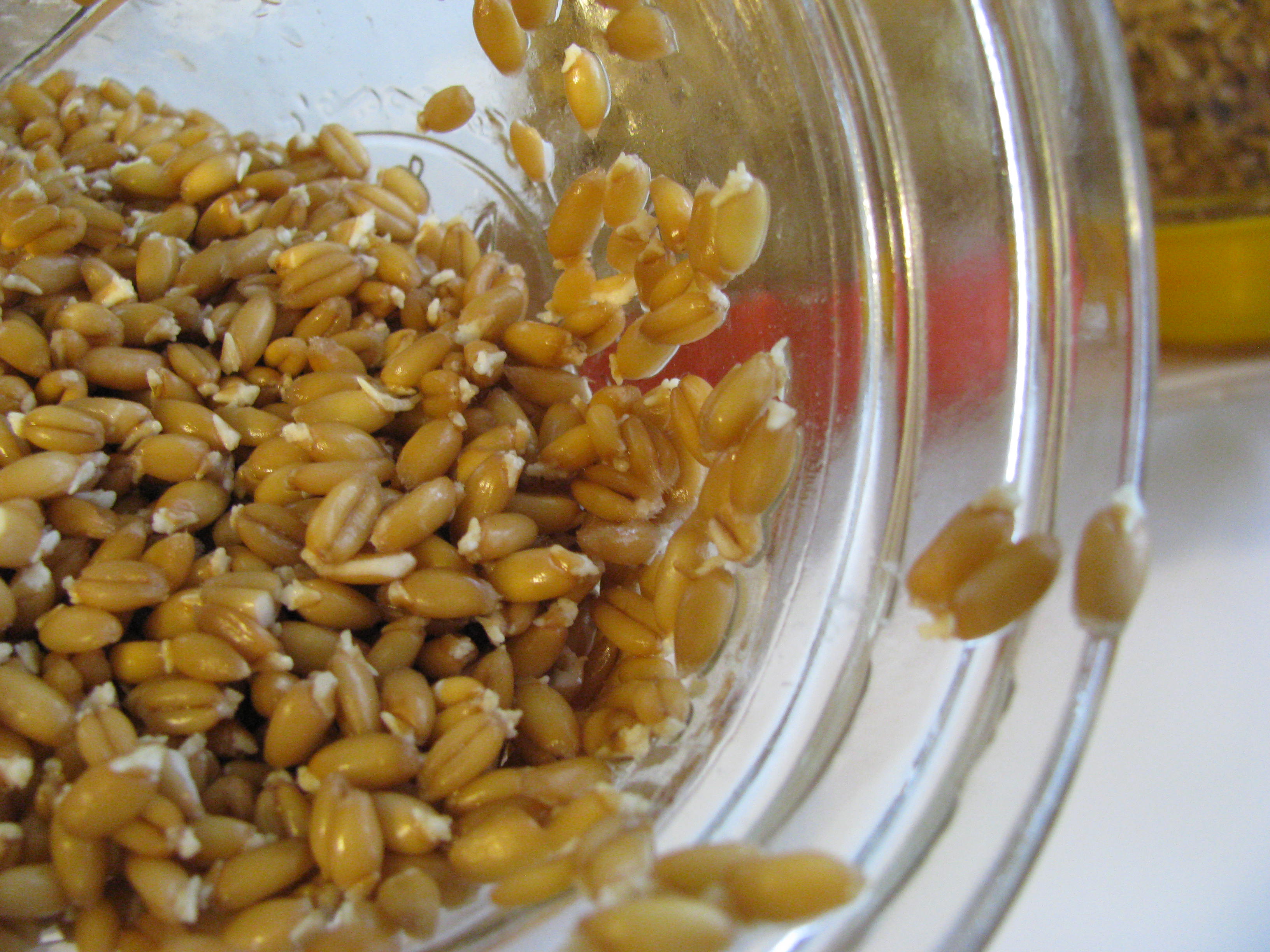
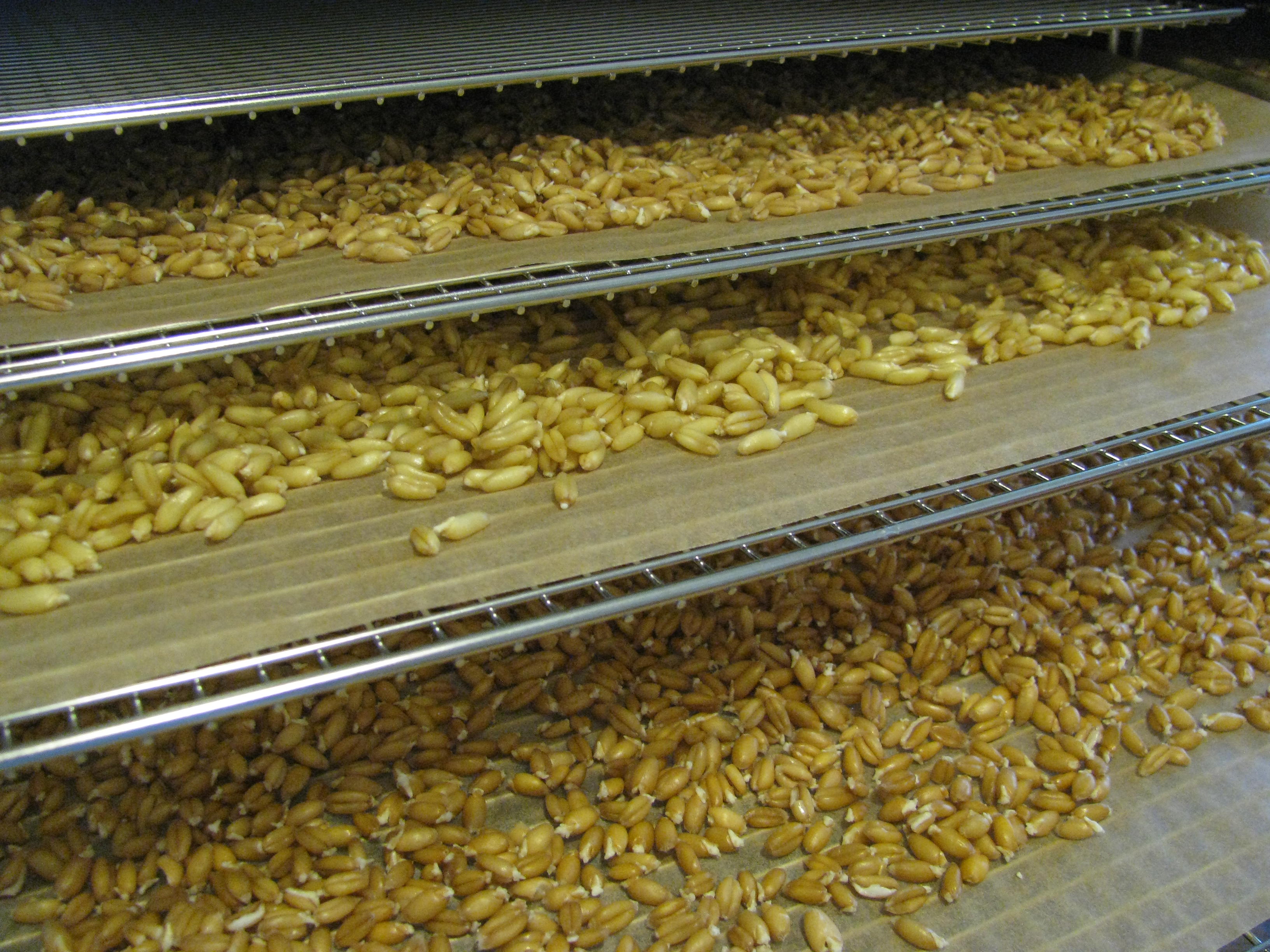
    Sprouted grain Sprouted grain trays

    Put desired grain into a two-quart mason jar filling it halfway, then fill the jar almost to the top with distilled or filtered water. Screw on a screen sprouting jar lid. Rinse by shaking gently, then drain. Fill the jar again almost to the top with water and leave on counter overnight for 8-10 hours to soak. In the morning, drain the soak water. Fill the jar with fresh water and shake gently to rinse. Drain again, then tip the jar upside down at an angle so the remaining water drips out and to allow air flow. Every few hours, rinse the grain, drain, then tip the jar at an angle. Sprouting times will vary depending upon the grain, so monitor the progress. Look for a little sprout to form. You are aiming for "minimally sprouted" grain, not sprouts with longer tails that you'd grow as a salad topping. (Enlarge the photo on left to see what it looks like.) My time frame looked liked this. 10P-6A: Overnight Soak. 6A-11A: Drain, rinse, and drain. Rinse and drain. The sprouted grain was ready to dehydrate. I spread the grain onto dehydrator trays. 11A-5P: I dried the grain in my dehydrator at 105°. (Top Tray: Emmer Grain, Middle Tray: Kamut Wheat, and Bottom Tray: Spelt)

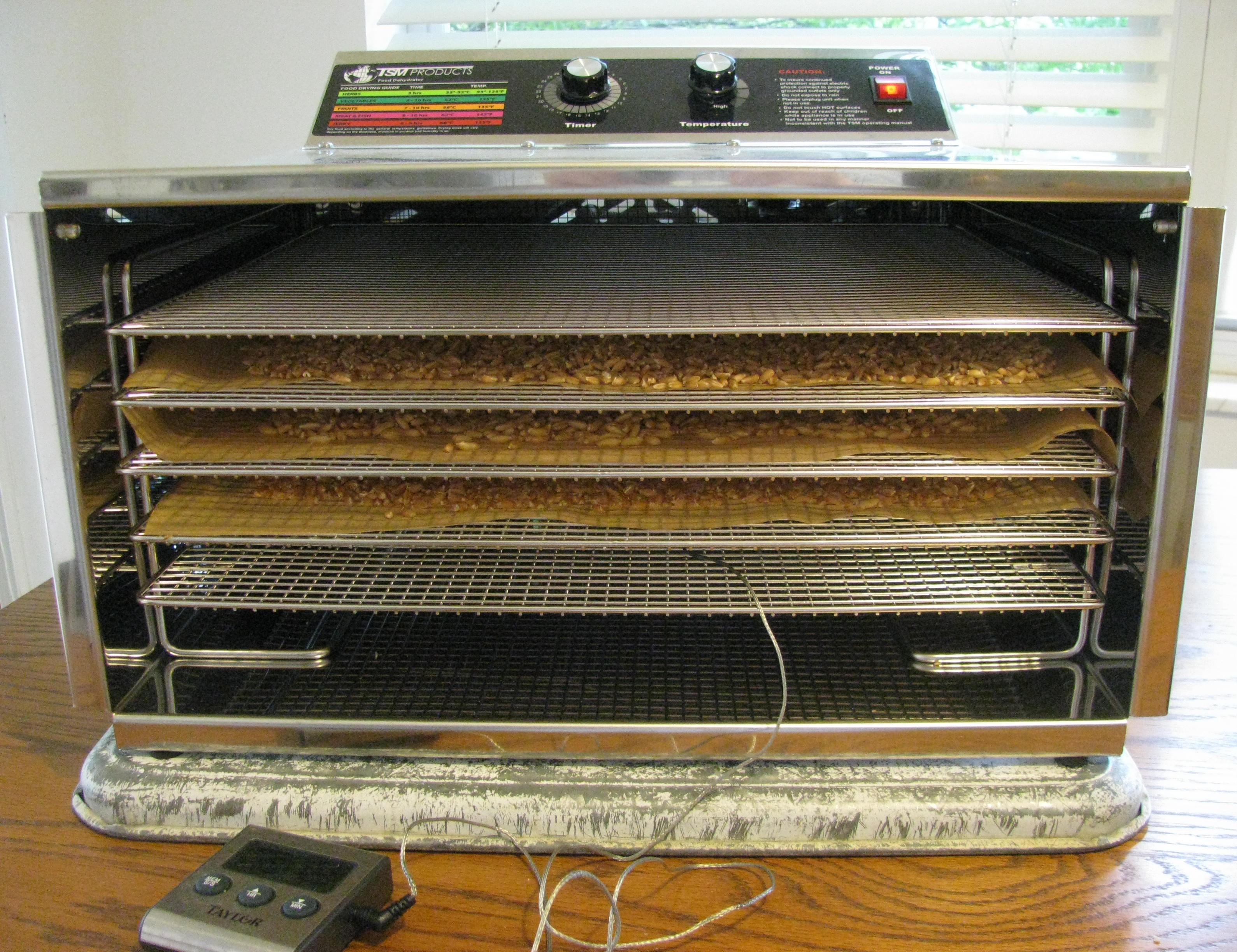
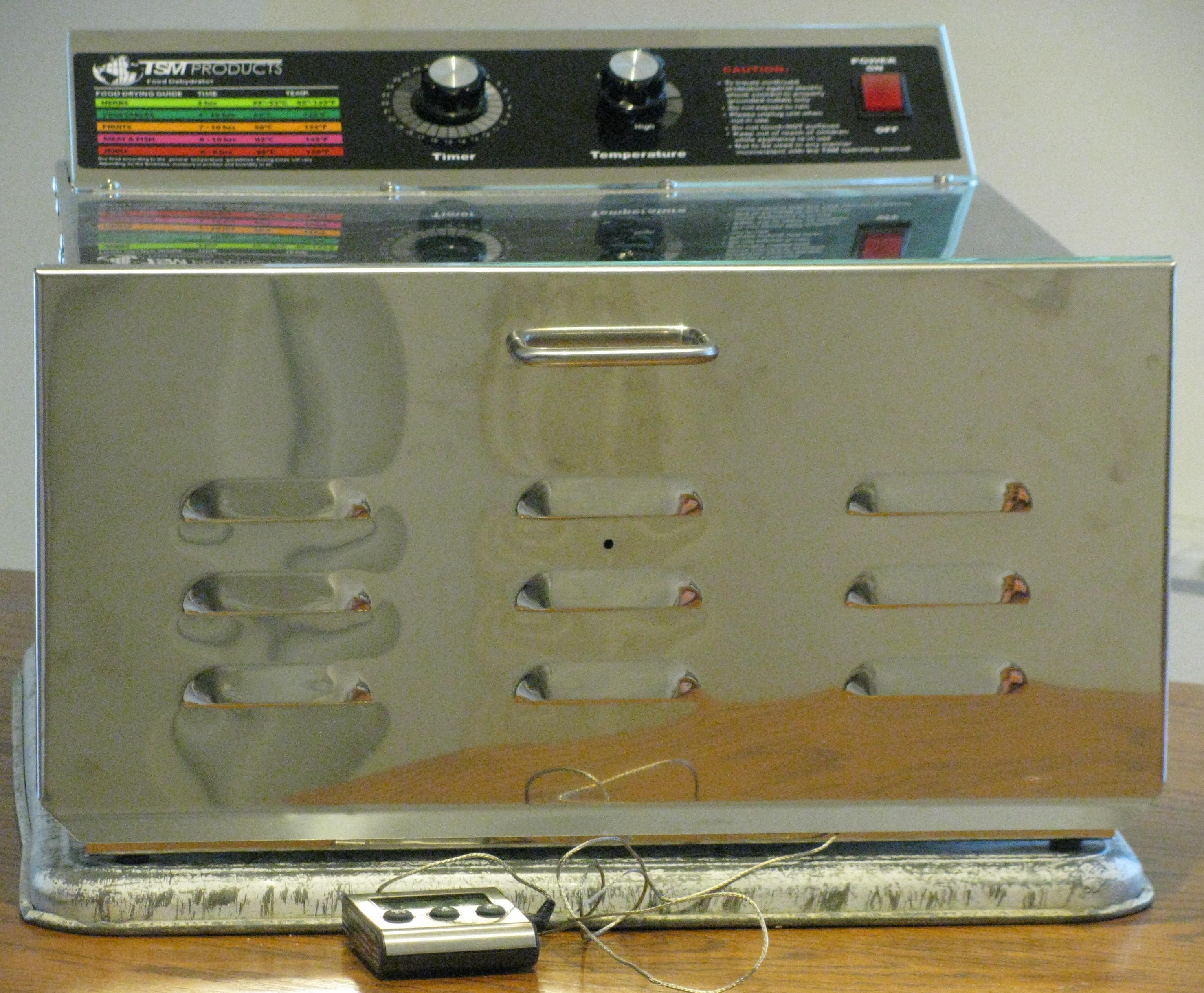
    Dehydrator interior Dehydrator exterior

    What kind of dehydrator do I own? TSM Products. I ordered it online from Wayfair. I have the five-tray, but there is also a ten-tray unit. What do I love about it? The stainless steel construction, including the shelves. Secondly, the fan and heat source is in the back wall, so it provides even circulation throughout the shelves. It may not be necessary, but I set the unit on a metal tray tipped upside to protect the surface it sits on from any heat that may be generated. The unit does not have a dial with Fahrenheit increments, but there is a small hole in the middle of the front cover to insert a thermometer probe. A thermometer with the correct size probe can be purchased separately, but I used one I already had. Although the probe on mine was too thick to fit the hole size, I adapted by laying it on one of the shelves. To adjust the drying temperature, you turn the temperature control dial while monitoring the thermometer. You'll quickly determine the proper setting. To dry grain, you'll want the temperature to be 100-110.  

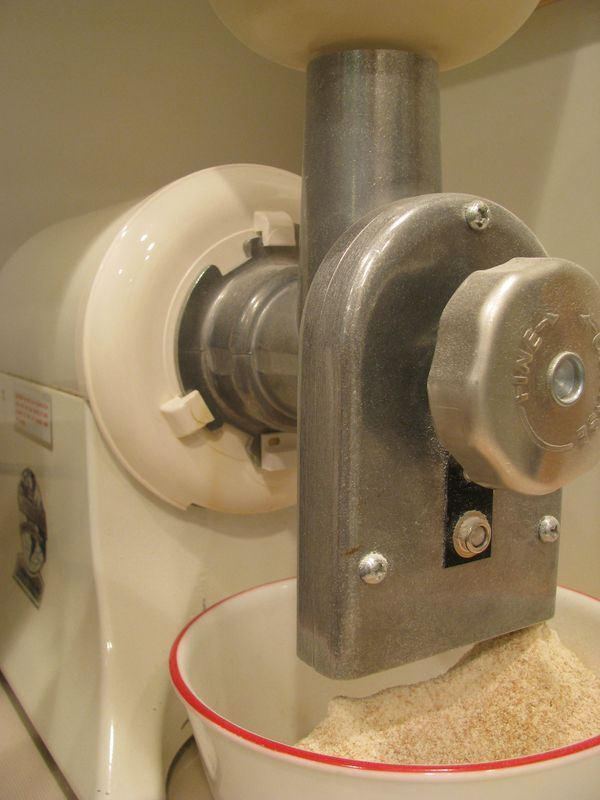
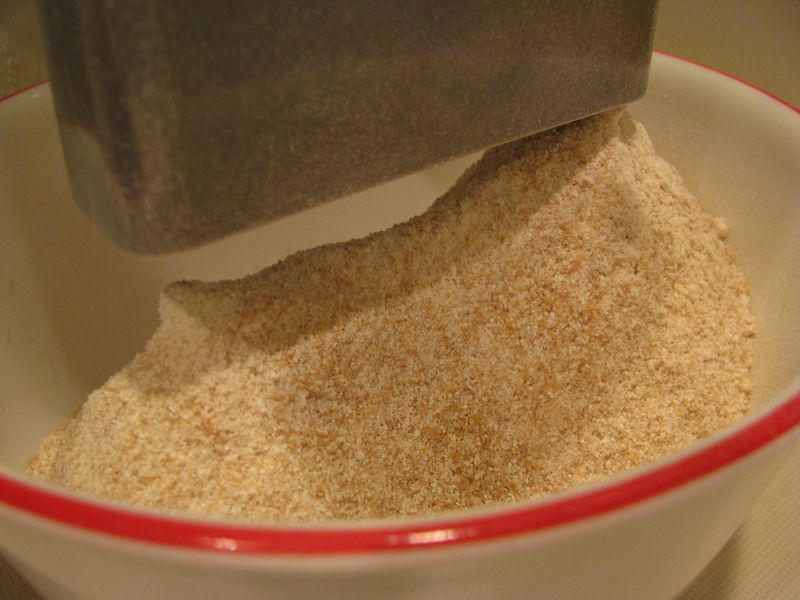
    Champion grain attachment Sprouted flour homemade

    After dehydrating the sprouted grain until it was thoroughly dry, I ground it into flour using a grain mill attached to my Champion Juicer (left photo). Look at the lovely Emmer Grain Sprouted Flour! I also made Kamut Wheat and Spelt Sprouted Grain Flour. Store in the freezer for maximum "shelf-life."


  • There are some that snack on raw cacao nibs out-of-hand. I am not one of them. I just do not like the taste. But, in these red velvet pistachio cupcakes, the nibs provide a little chewy crunch and a chocolatey burst of flavor. They were not an ingredient in the original recipe. I chose to add them because they were in my pantry and I need to learn to love them. I am stubborn that way. And I do love them… in these cupcakes. Note: The original recipe, from The Healthy Apple, is titled "Gluten-Free Red Velvet Pistachio Coconut Muffins." Since I chose to frost them, I am calling them cupcakes instead… and I, also, condensed the recipe's name a trifle.

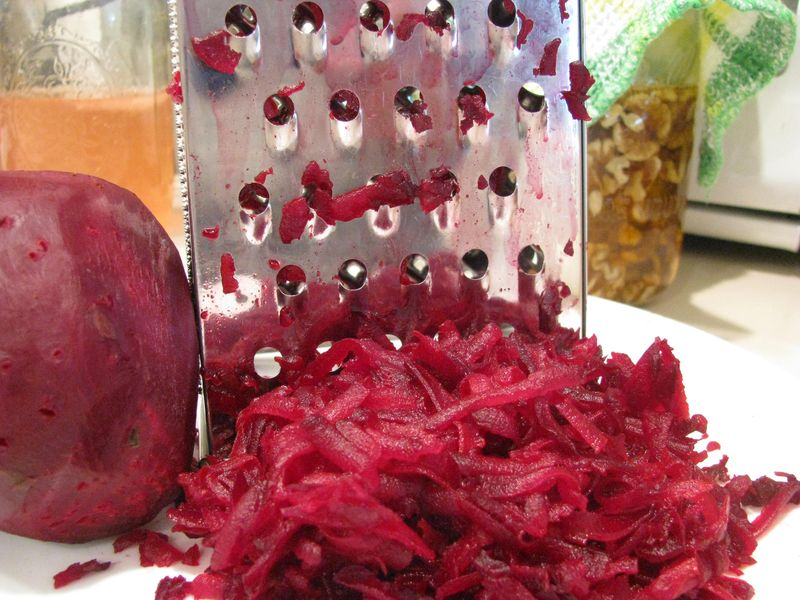
    Grated beets Pistachio flour

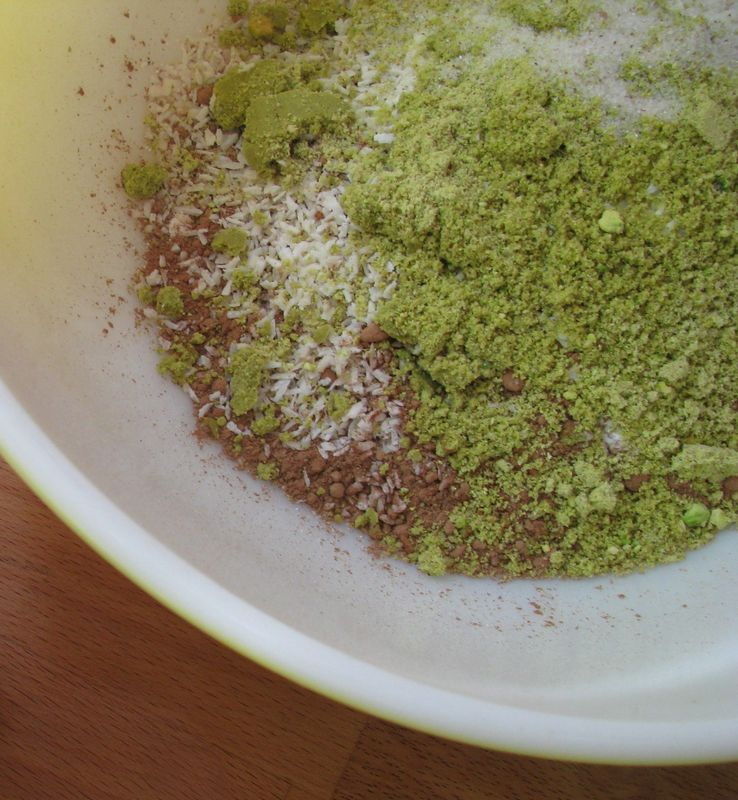
    Two not overly time-consuming steps are required in advance. First, a beet must be roasted, cooled, peeled, and grated. It will provide the "red velvet" color versus using an entire bottle of red food coloring as in traditional red velvet cake. (Insert a gasp here.) Don't be concerned that you'll taste the beets in the cupcakes. You won't. They'll just add sweetness and nutrients. While the beets are cooling, go here to learn the interesting history of red velvet cake. The second advance prep step is grinding pistachios into flour. Mine needed to be shelled first, but you can buy them already shelled.  

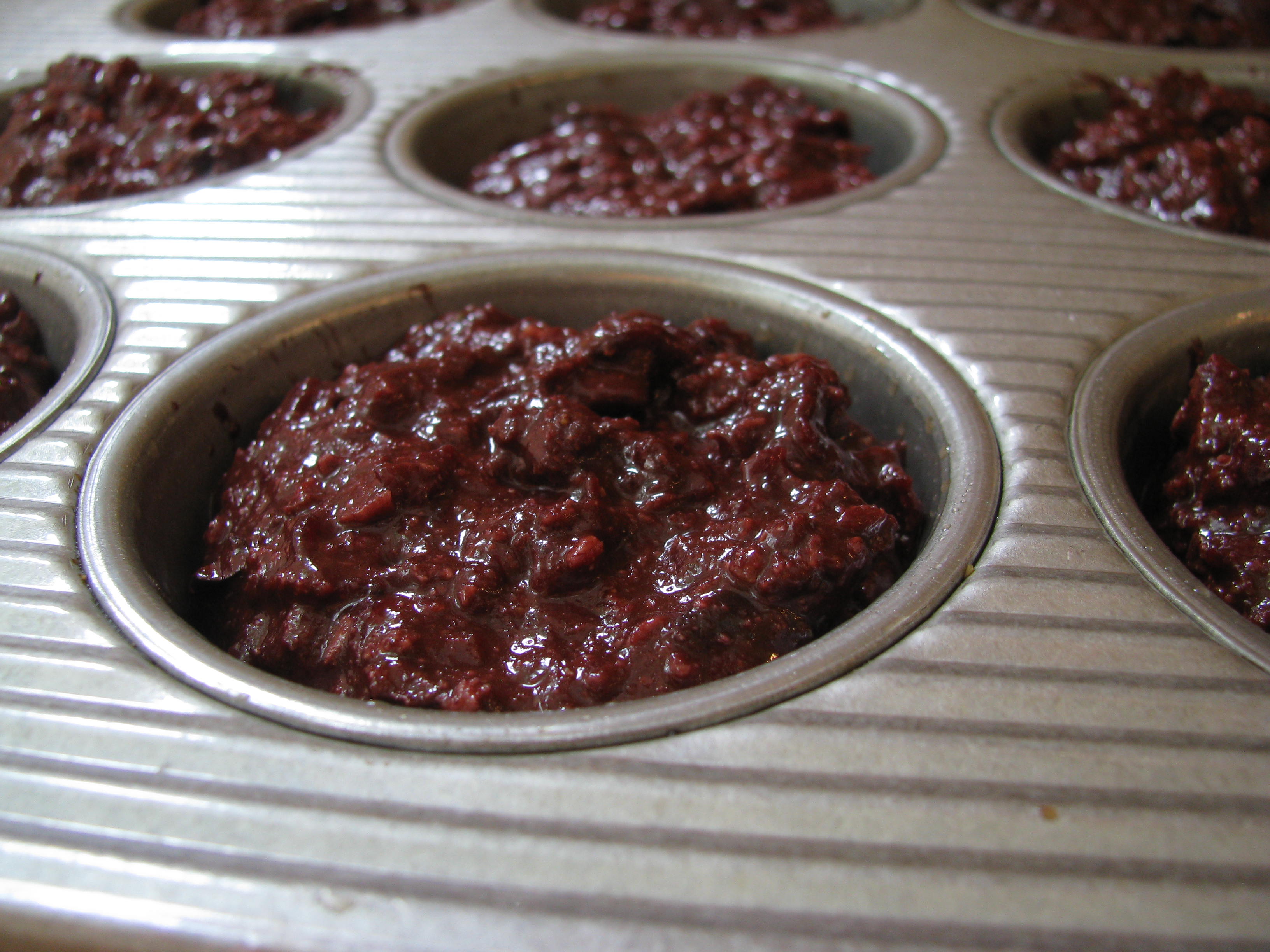
    Cacao nibs Red velvet pistachio cupcake batter

    I stirred the cacao nibs into the batter just before portioning it into the muffin pan. Dick gave these cupcakes two thumbs up. I am in perfect agreement with that.

    Red velvet pistachio cupcake

    Red Velvet Pistachio Cupcakes

    Originally titled "Gluten-Free Red Velvet Pistachio Coconut Muffins" http://www.thehealthyapple.com

    Makes 9.

    1 ½ cups peeled, shredded roasted beets

    ½ cup coconut oil

    2 eggs

    ¼ cup agave nectar (I subbed maple syrup.)

    ¼ cup pistachios, ground using a coffee grinder, or sub almond flour

    ½ tsp vanilla

    1 cup flour (If gluten-sensitive, choose a gluten-free option as suggested in original recipe.)

    ½ cup cocoa powder (I used raw cacao powder.)

    ¾ cup coconut flakes

    ½ tsp salt

    ½ tsp baking powder

    ½ tsp baking soda

    ¼ cup raw cacao nibs (my addition)

    Preheat oven to 350°. After peeling, shred roasted beets in a food processor. (I used a box grater instead.) In a bowl, combine all wet ingredients. In a separate bowl, whisk dry ingredients. Add wet mixture to dry; mix well. Stir in nibs. Fill 9 muffin pan wells with batter. Bake 35-40 minutes. Cool on baking racks. When cooled to room temperature and ready to serve, top each with a dollop of Greek yogurt and a sprinkle of coconut and pistachios. Instead, I chose to spread tops with a simple powdered sugar frosting.


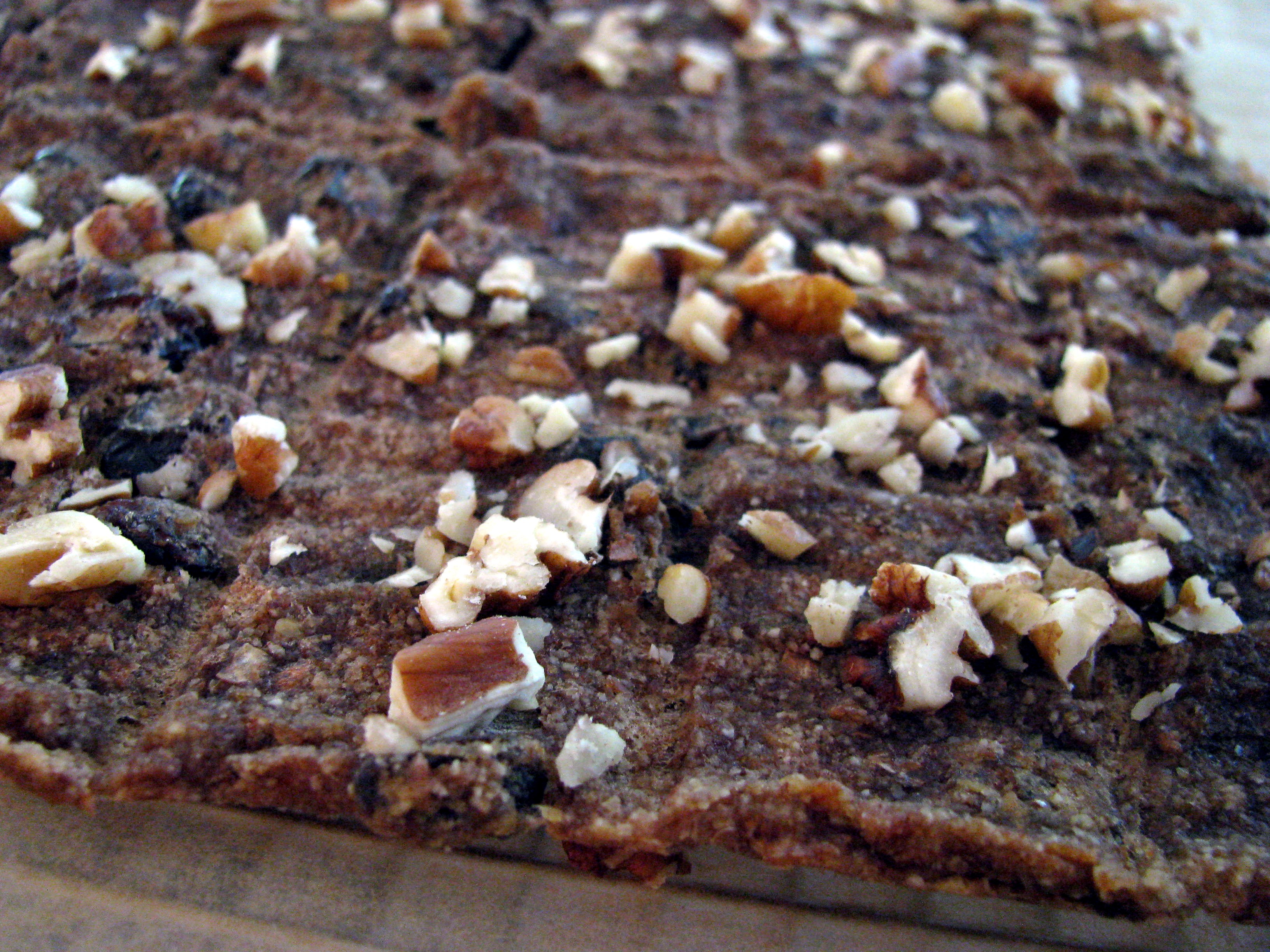
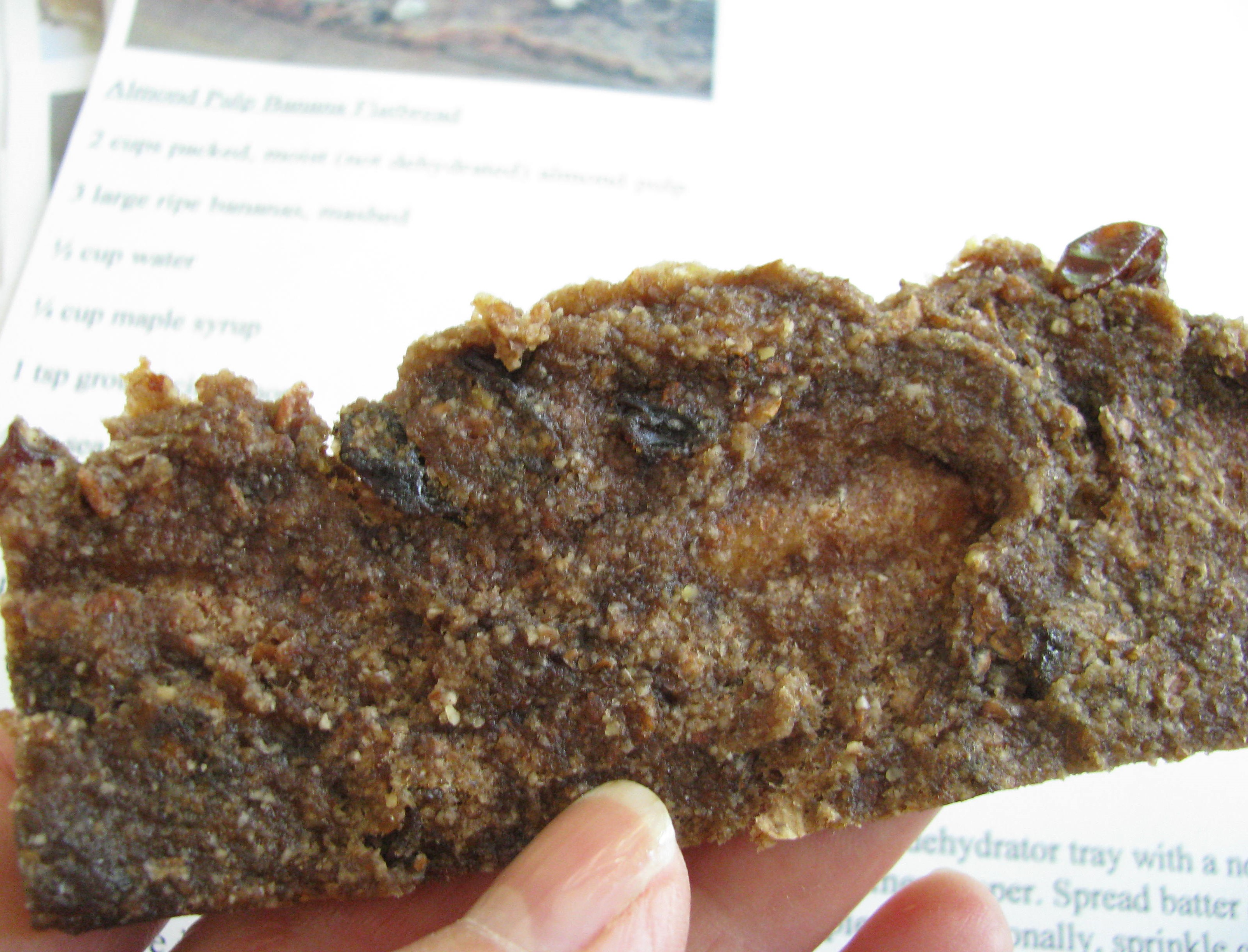
  • Here's a use for the pulp byproduct that you'll be generating if you're straining homemade nut milk. The original recipe's title is "Raw Banana Bread Toast Sticks." I chose to rename it "Almond Pulp Banana Flatbread" for two reasons. The recipe calls for 2 cups packed almond pulp. I found that I had enough pulp (2 cups) after making two batches of almond milk if I scooped the pulp into the measuring cup without packing. Although it resulted in less pulp than the recipe called for, the end-product turned out amazing, but it was reminiscent of fruit leather rather than toast. Secondly, I wanted the name to highlight almond pulp as an ingredient because that's the whole point of the recipe, afterall.  

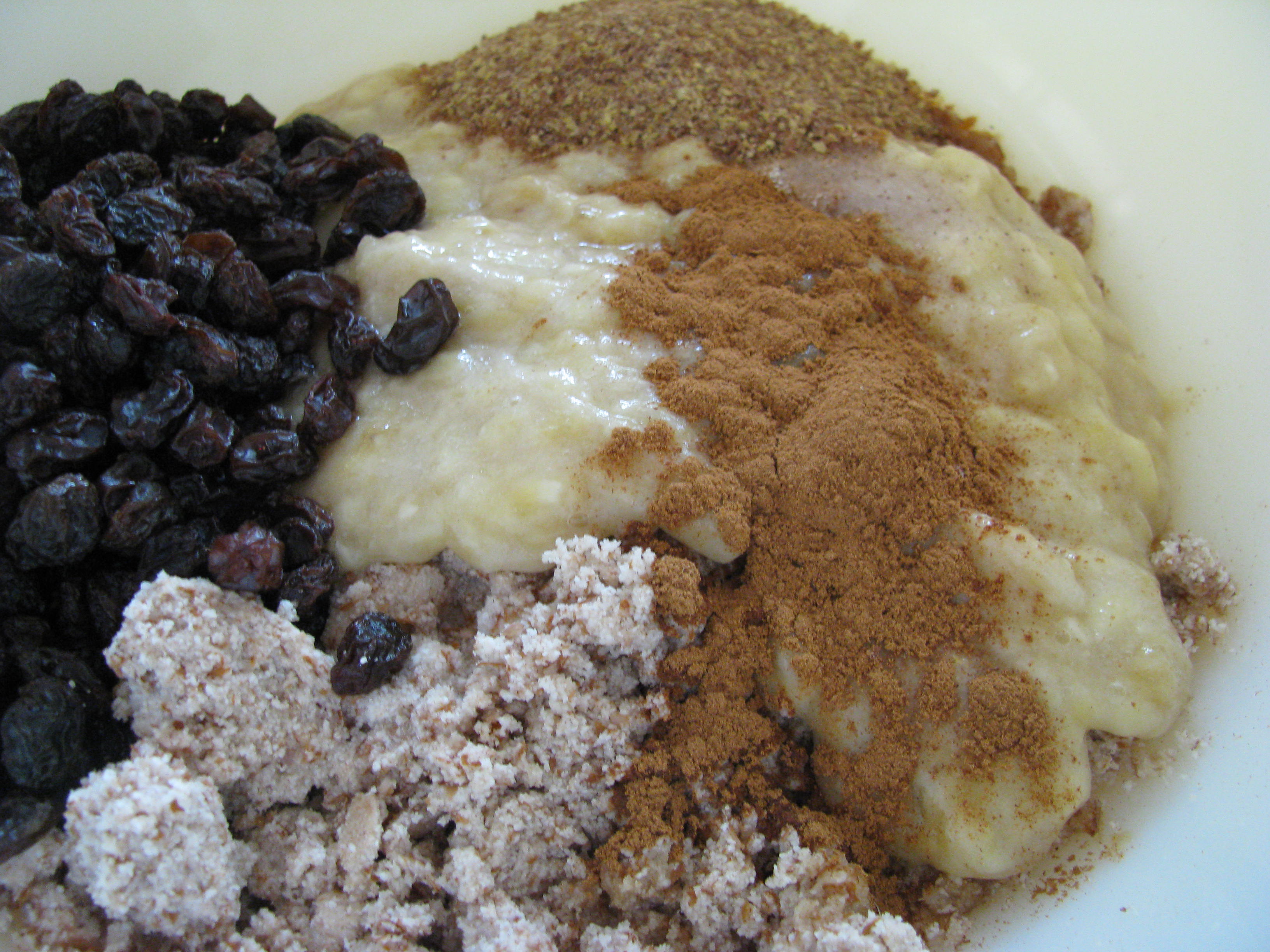
    Almond pulp banana flatbread ingredients Almond pulp banana batter

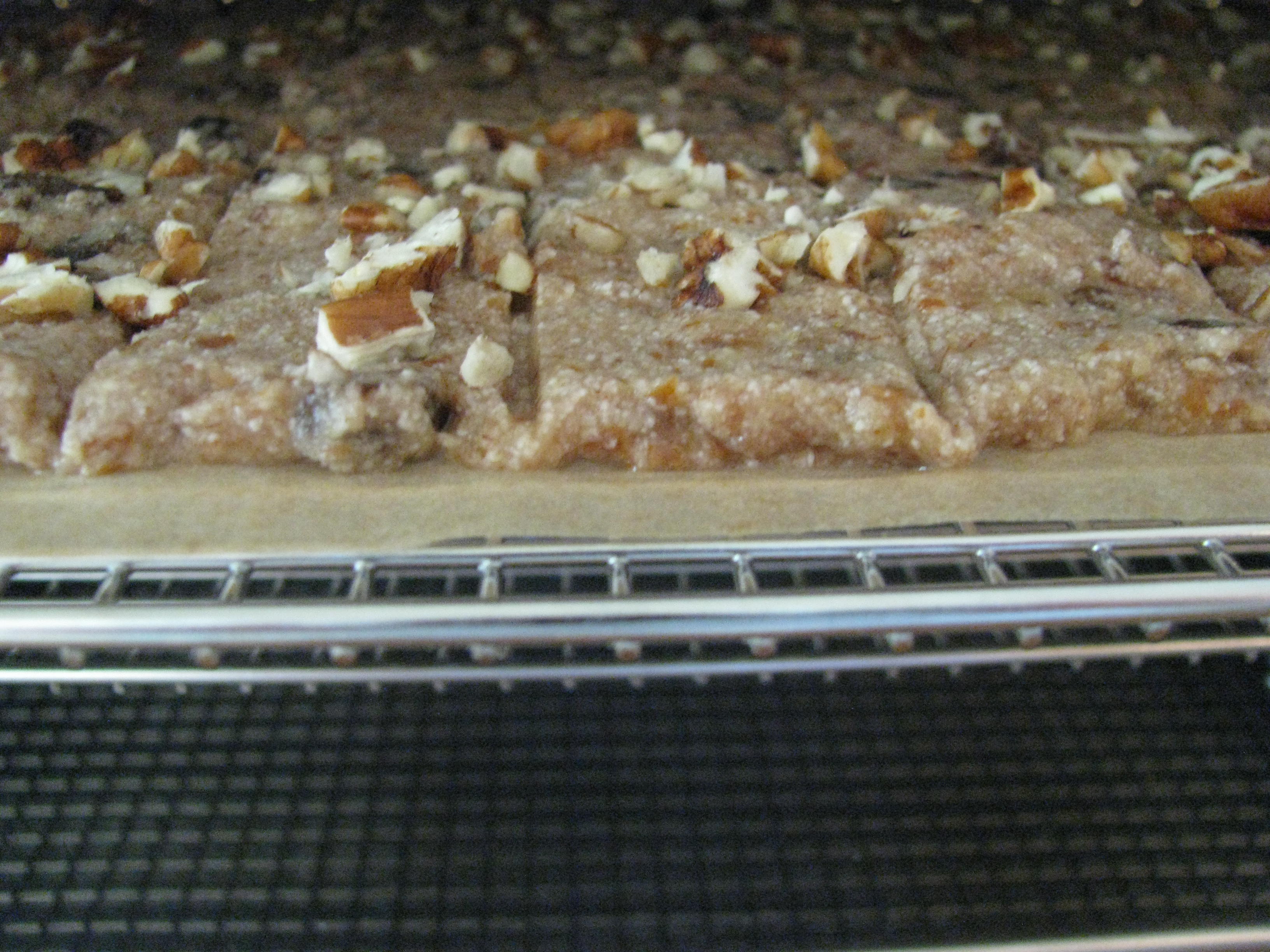
    (Left Photo) Bananas, raisins, and a touch of maple syrup provide the sweetness. (Right Photo) The recipe makes the perfect amount of batter to cover one lined dehydrator tray from edge to edge 1/4" thick. (Photo Below) Post dehydration, it is a lovely color, like that of dates.

    Almond pulp banana flatbread Almond pulp banana flatbread strip

    Almond Pulp Banana Flatbread

    2 cups packed, moist (not dehydrated) almond pulp
    3 large ripe bananas, mashed

    ½ cup water

    ¼ cup maple syrup

    1 tsp ground cinnamon

    ¼ tsp sea salt

    2 tbsp ground flaxseed

    1 cup raisins

    finely chopped pecans for topping, optional

    In a large bowl, stir to combine all ingredients except pecans. Line a dehydrator tray with a nonstick drying sheet (e.g. Excaliber’s ParaFlexx) or, as I prefer, unbleached parchment paper. Spread batter onto sheet ¼ “ thick. Square off edges and score into approximately 1 ¼” x 4” pieces. Optionally, sprinkle chopped pecans over batter’s surface. Dehydrate at 115° for 4-6 hours. Flip over and continue drying for another 4 hours until desired dryness. Store in airtight container for 5-7 days.

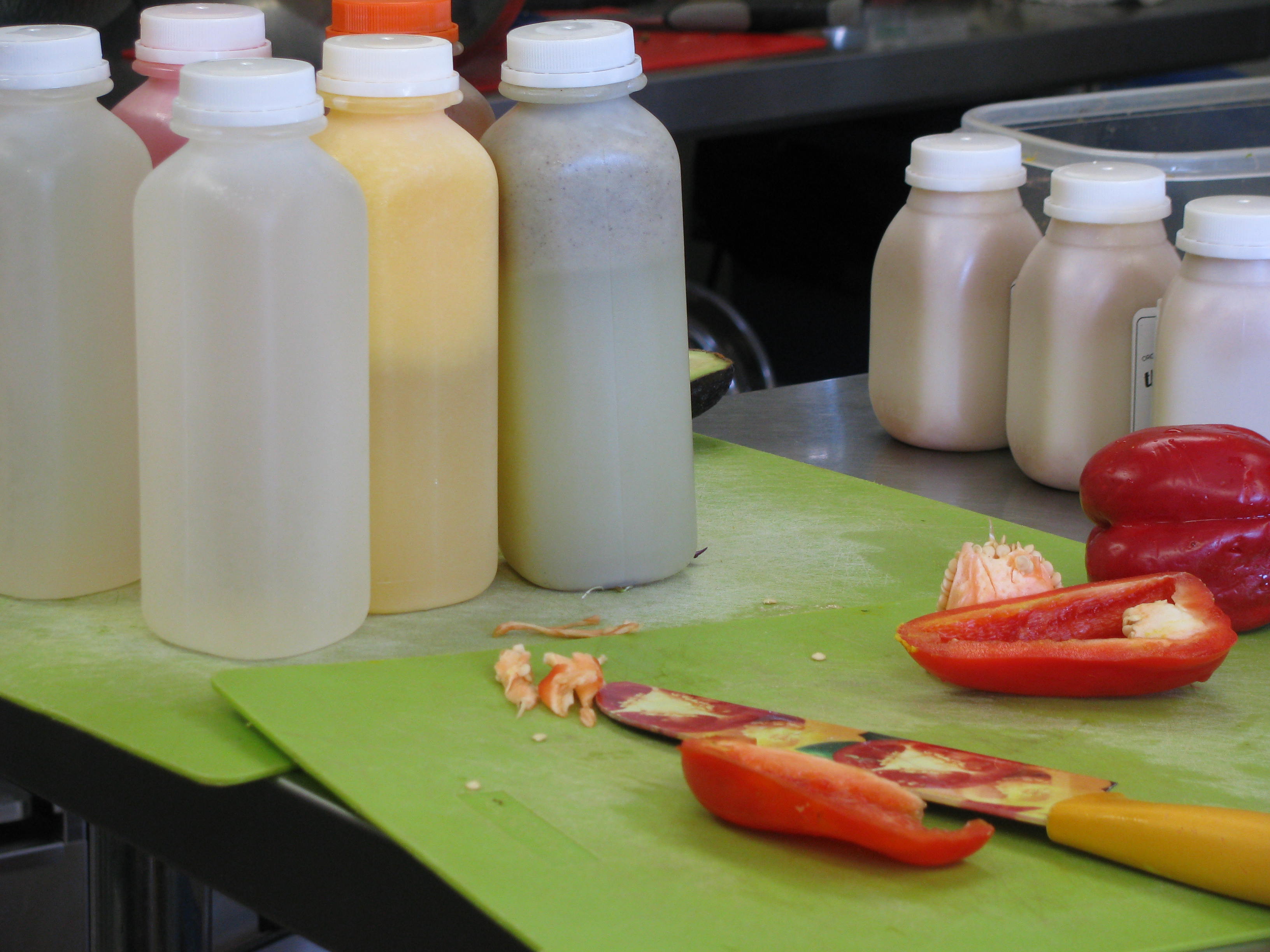
  • As anxious as I was to begin discovering the vendors' offerings at last Saturday's farmer's market in Winter Garden, Florida, I, first, had one stop to make two blocks away at "The Juice Bar of Winter Garden." Having contacted the business in advance, they had prepared eighteen bottles of raw organic cold-pressed juices for me… enough for a three-day cleanse that I began the morning of the farmer's market. (For a similar experience in Minnesota, try TRUCE in Minneapolis. Their website states that "TRUCE is Minnesota's first and only organic fresh-pressed juice shop.")

    Juice bar winter garden fl

    Six bottles each day consisting of 3-16 0unce veggie and fruit blends for the day's main meals, 2-16 0unce "intermediary" fruit blends for mid-morning and afternoon, and 1-8 ounce nut milk before bedtime with plenty of water and caffeine-free herbal tea throughout the cleanse. Each blend was perfectly orchestrated to deliver necessary nutrients and taste amazing, too. One that contained apple, kale, spinach, and lemon was named "Shamalama Ding Dong." I have been playing the song over and over since. The soothing bedtime almond milk inspired me to begin making almond milk after my cleanse was over. The process is ridiculously simple.

    Almond pulp

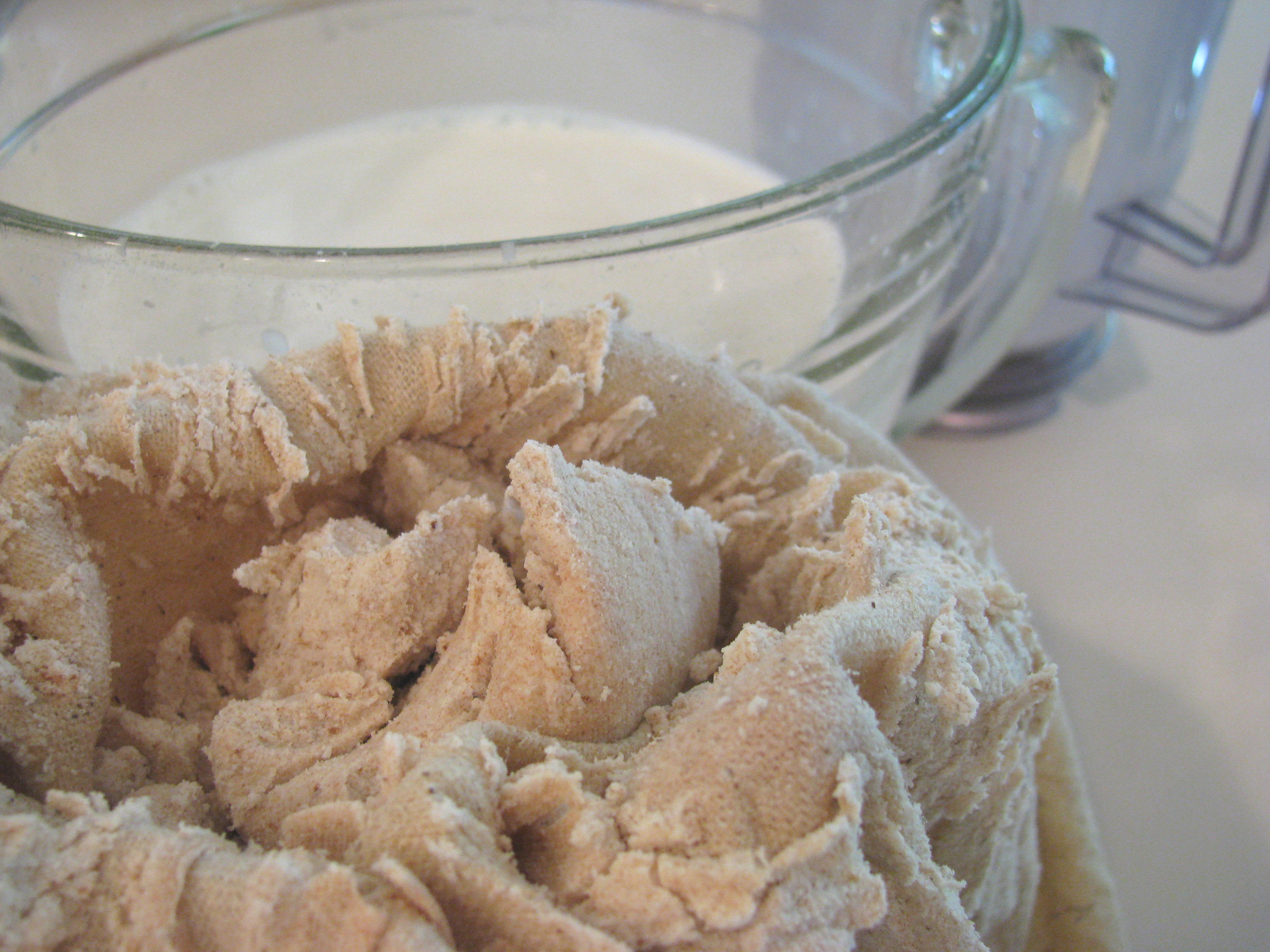
    1)At bedtime, put 1 cup raw almonds in a glass bowl or canning jar. Cover with 2 cups warm, distilled or filtered water (not city water treated with chlorine) and 1 tsp sea salt. "Salt in soaking water activates enzymes that neutralize enzyme inhibitors making the nuts easier to digest and their nutrients more readily available." Fallon, Sally. Nourishing Traditions. Washington, DC: NewTrends Publishing, 2001.  512. Also, soaking makes nuts easier to pulverize. 2)After soaking 8-12 hours, drain the almonds and rinse well. 3)Fill blender container with 3-4 cups distilled or filtered water. Add plumped, soaked almonds. Blend until creamy. 4)Pour milk through a nut milk bag, or do what I did. I cut a 20" square of unbleached 100% cotton Osnaburg fabric. Perfect. Squeeze to extract as much milk as possible. Save the pulp to use in recipes. (1 cup almonds produces 1/2 cup packed, or 1 cup loosely scooped, moist almond pulp.) 5)It's amazing plain, but, if desired, pour the milk back into blender container and optionally add 1 tsp vanilla or vanilla bean seeds, 1/2 tsp cinnamon, or sweeteners such as 2 large or 4 small dates soaked in water for a little while to soften, maple syrup, raw honey, or coconut sugar. For richer, creamier "homogenized" milk, add 1 tsp-1 tbsp sunflower lecithin. Lecithin is a fat emulsifier that keeps fats (in the nuts) and liquids (water) from separating.

    For other kinds of nut, seed, and grain milk, the process is the same. The only difference is the soaking times. From a Vegetarian Times soaking and sprouting reference chart, this'll get you started… Almonds 8-12 hours. Brazil Nuts 3 hours. Cashews 2-4 hours. Flaxseed 1/2 hour. Hazelnuts 8-12 hours. Macadamias 2 hours. Millet 5 hours. Oat Groats 6 hours. Pecans 6 hours. Pumpkin Seeds 8 hours. Sesame Seeds 8 hours. Sunflower Seeds 8 hours. Walnuts 4 hours. Wild rice 9 hours. Try these, then branch out. There are so many possibilities.

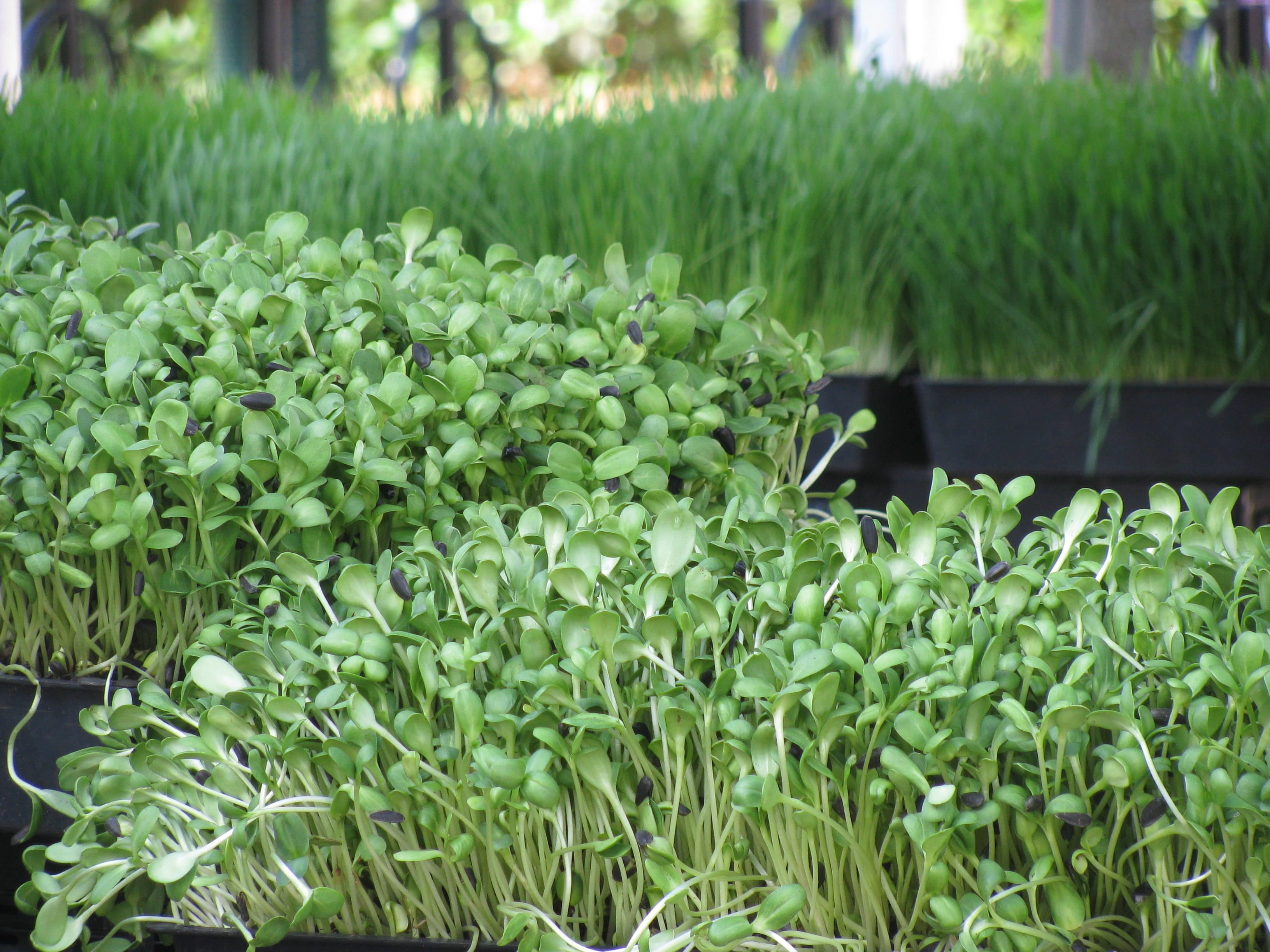
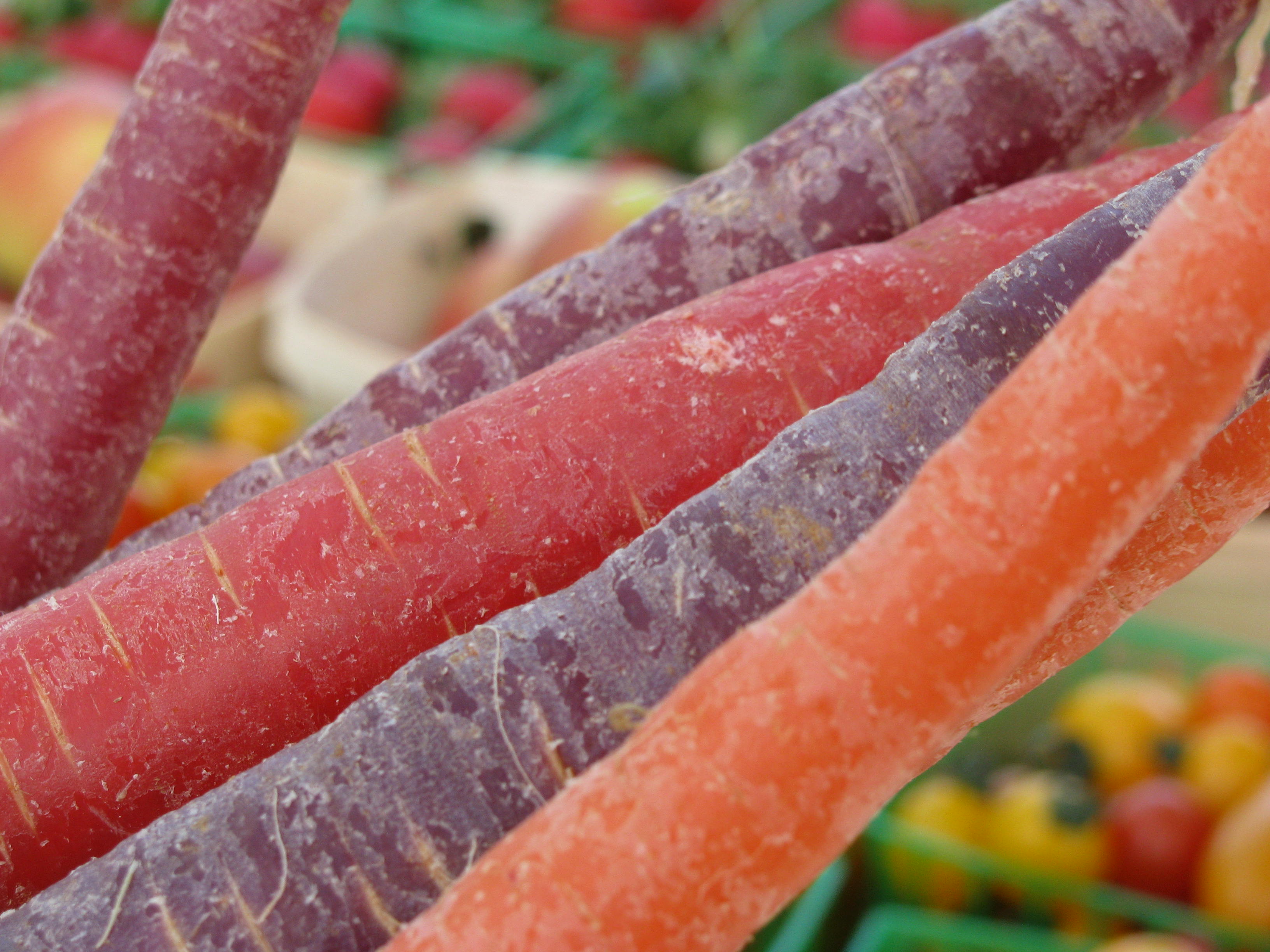
  • The farmer's market… a colorful space. Vibrant hues of wheatgrass and sunflower greens. The deep, richness of multi-colored carrots and heirloom cherry tomatoes.

    Wheatgrass + sunflower greens Multi-colored carrots

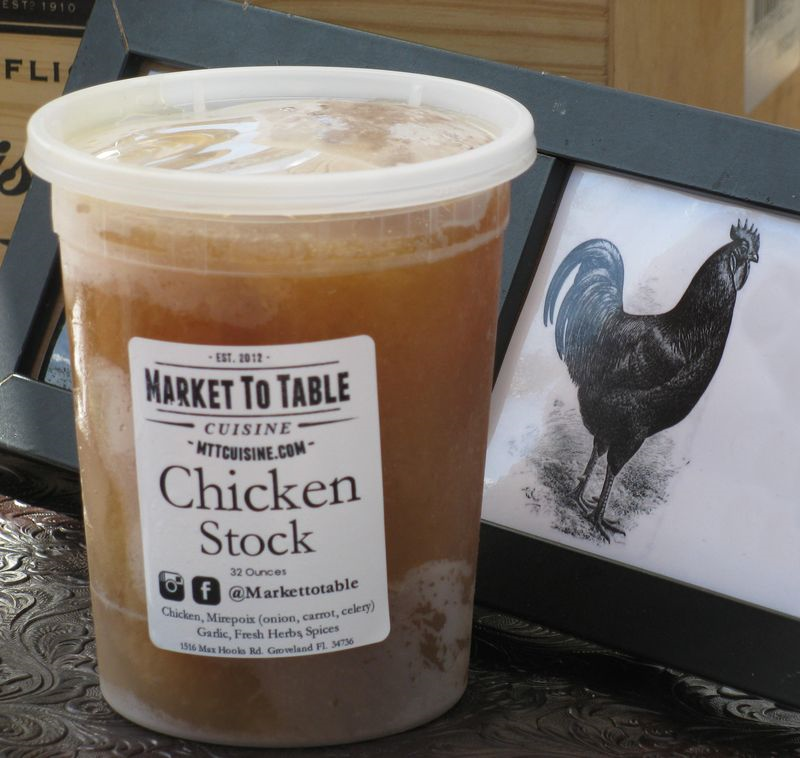
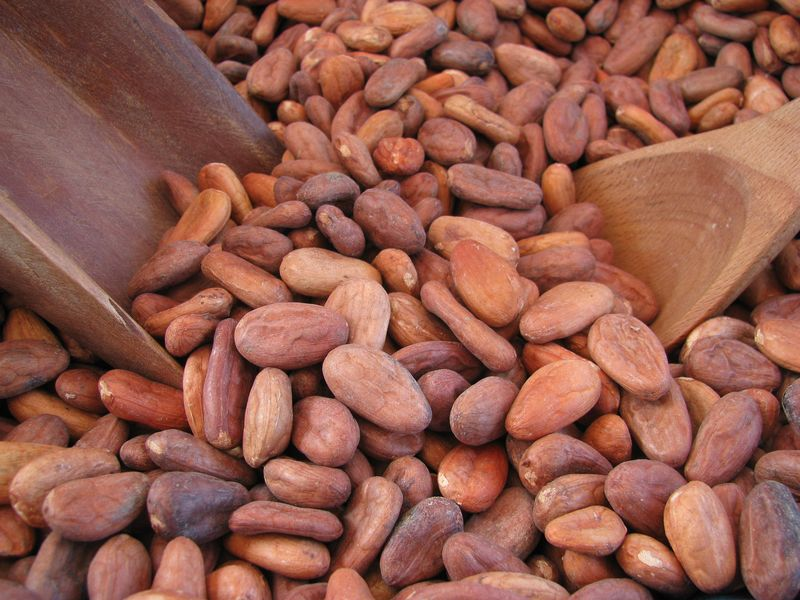
    The warmth of autumn brown in the homemade chicken stock and raw cacao beans.

    Market to table chicken stock Cacao beans

    The colorful expression of market attendees. Oh, yes, there's gotta be some dreads.

    Dreads Dreads2

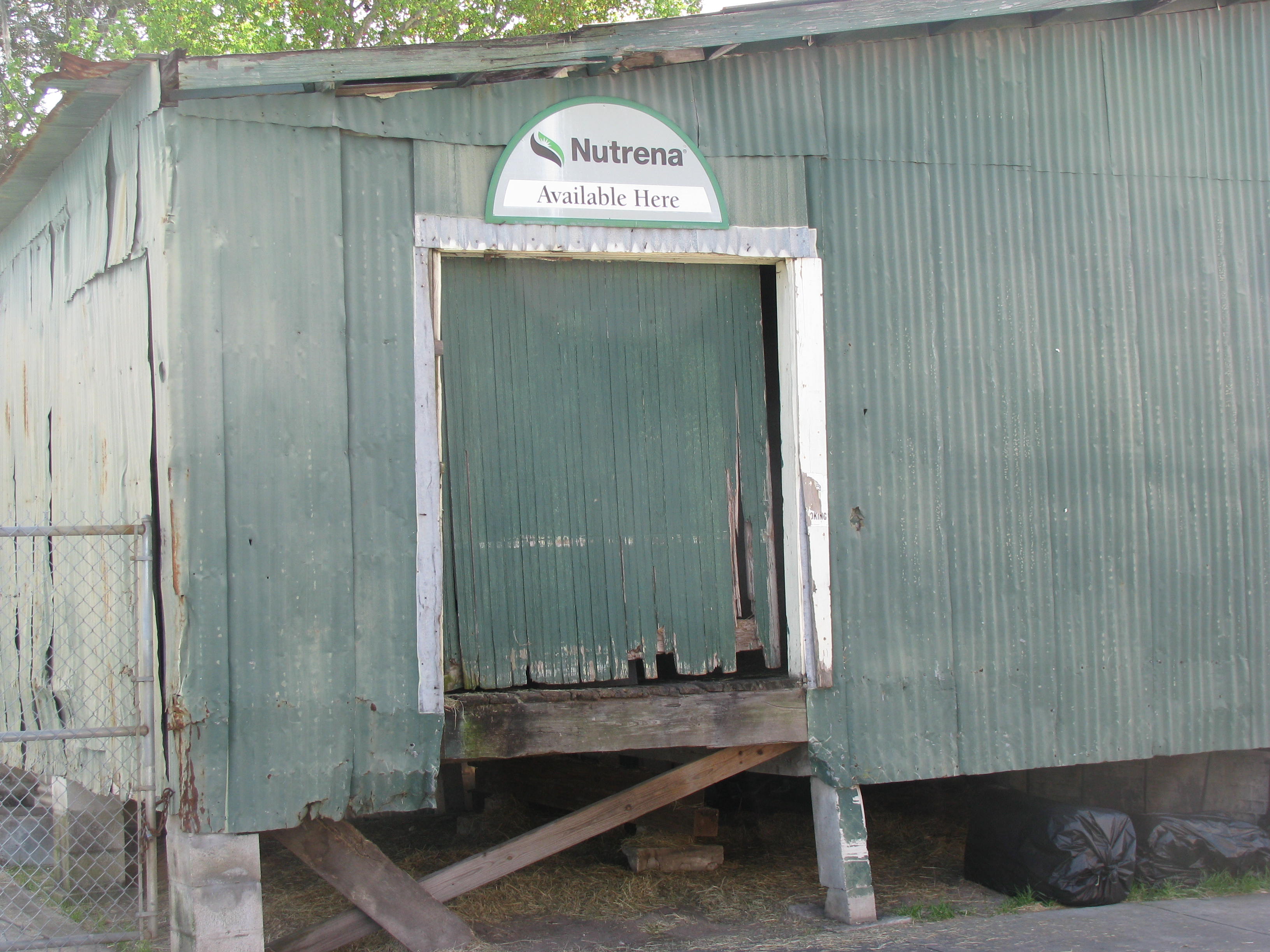
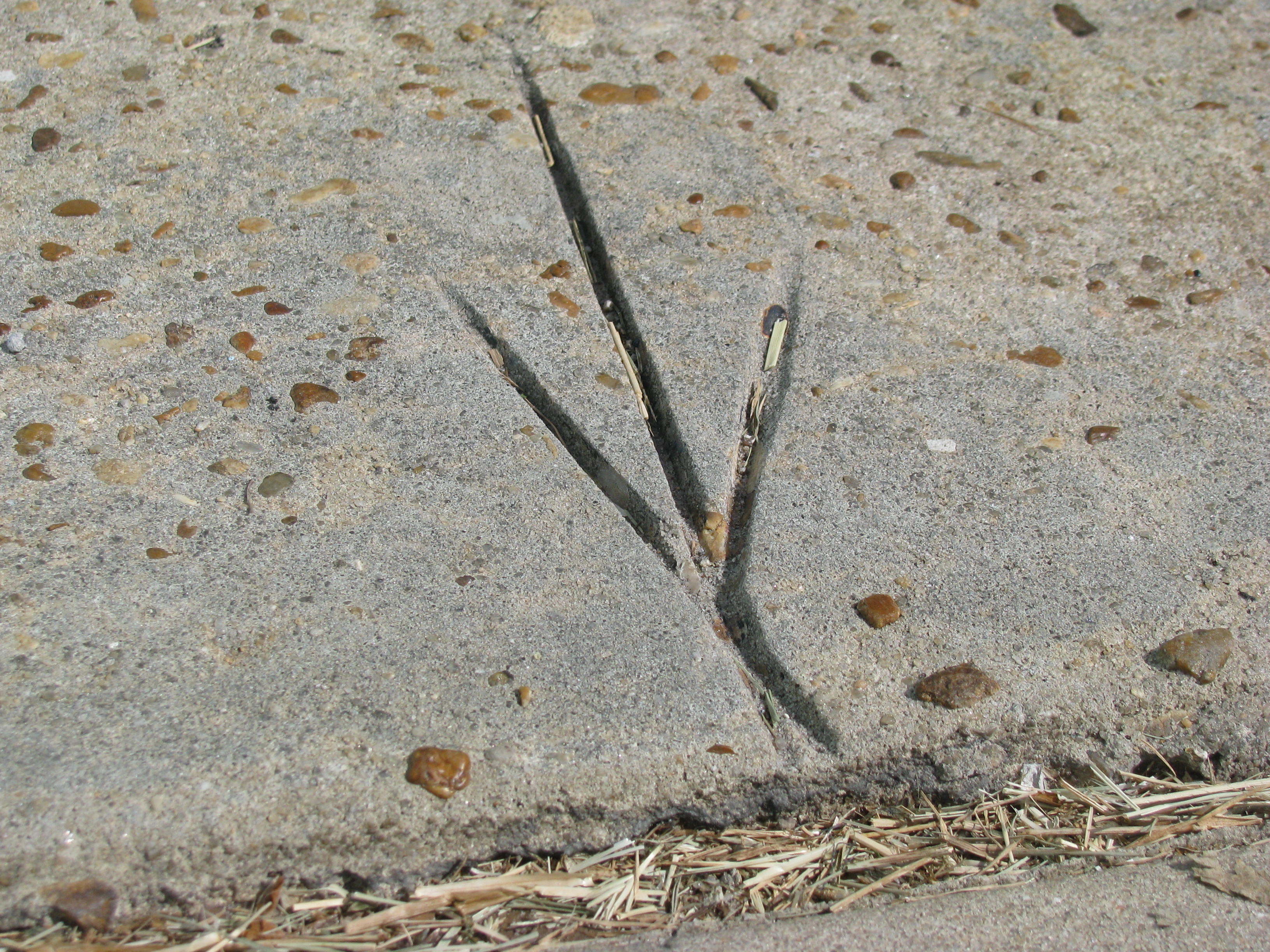
    Down a nearby side-street, an old feed store. There, as I stood across the street to shoot the feed store photo, was an imprint in the cement sidewalk edged with bits of straw. I thought, "A chicken's foot perhaps?" I knew it was not, but I appreciated the artist's quirkiness.

    Feed store winter garden fl Chicken feet imprint sidewalk

    The little community of Winter Garden, Florida. Instant love.