Whiteley Creek Homestead

LIFE AT THE END OF A DIRT ROAD IN CENTRAL MINNESOTA

organically grown triticale in our field
canoeing in our wetlands
raspberries growing wild on our property
our back porch fieldstone fireplace
  • I received a photo calendar from my sister Marlene for Christmas. One of my favorite childhood photos is of my brother Greg and I sitting by our hand pump that supplied all of the water for our daily needs including drinking, cooking, and washing clothes and for water for our milk cows. This photo taken in 1955 is a favorite, as well.

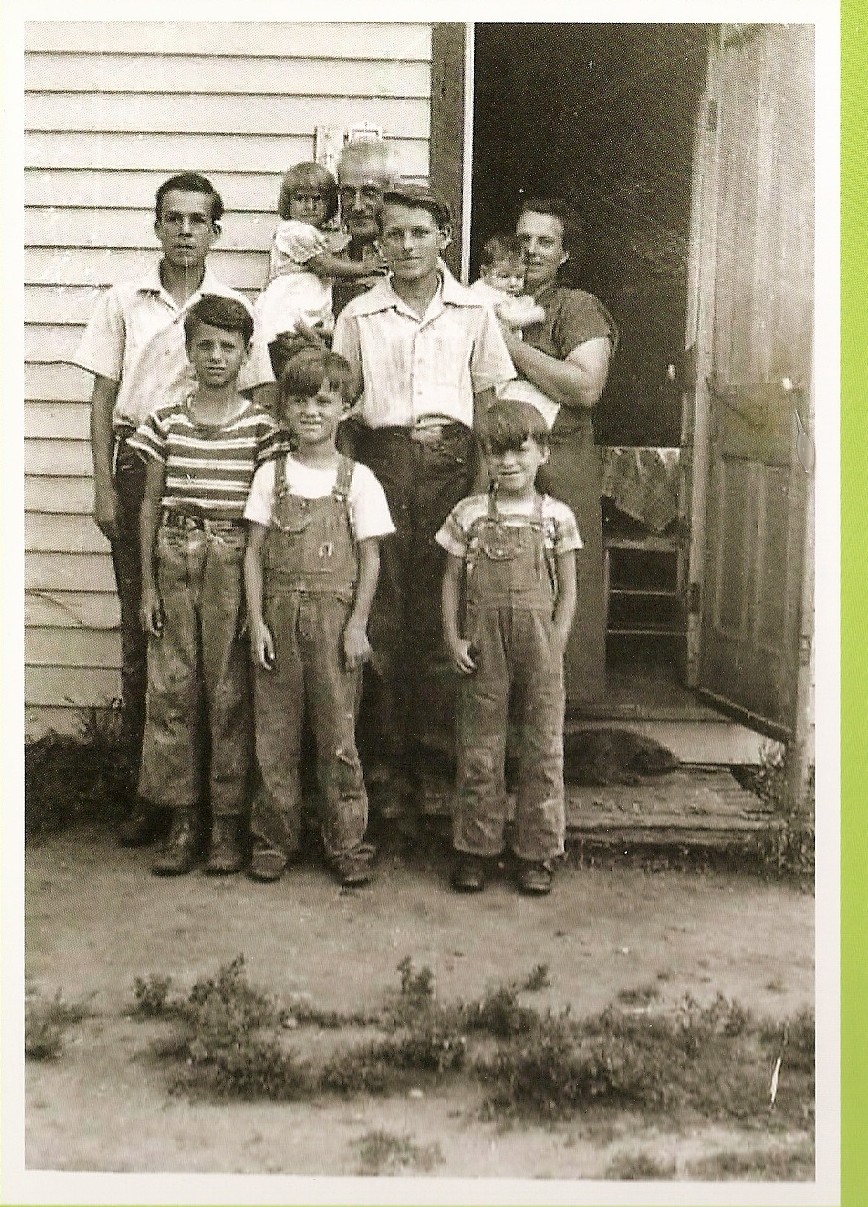
    Homestead 1955 
    It has the look of homesteaders as in Laura Ingalls Wilder's day. The old door opening into the kitchen with the tablecloth so welcomingly draped over the table, the bib overalls (handed down from one to the next), the dirt-packed yard with patches of weeds… My mother's apron is missing. She always wore a bib apron. The baby in my mother's arms is my sister Rita. My father is holding me. My brother Greg and a sister Mary Ann are missing from the photo and there were three more not yet born (Ron, Rick, and Marlene) when this photo was taken making a total of 12 kids in all. The others in the photo L to R back row in front of my dad and mom are Ken and Bill with David, Darrel, and Cliff L to R front row.  

  • It's Christmas Eve. Each year my thoughts drift back so very many years ago to my childhood in the 1950s and our tinsel-laden tree. 

    Childhood christmas tree1

    The snowflake and icicle are two ornaments (the only ones) that I have from that original tree. 

    Childhood christmas tree ornaments

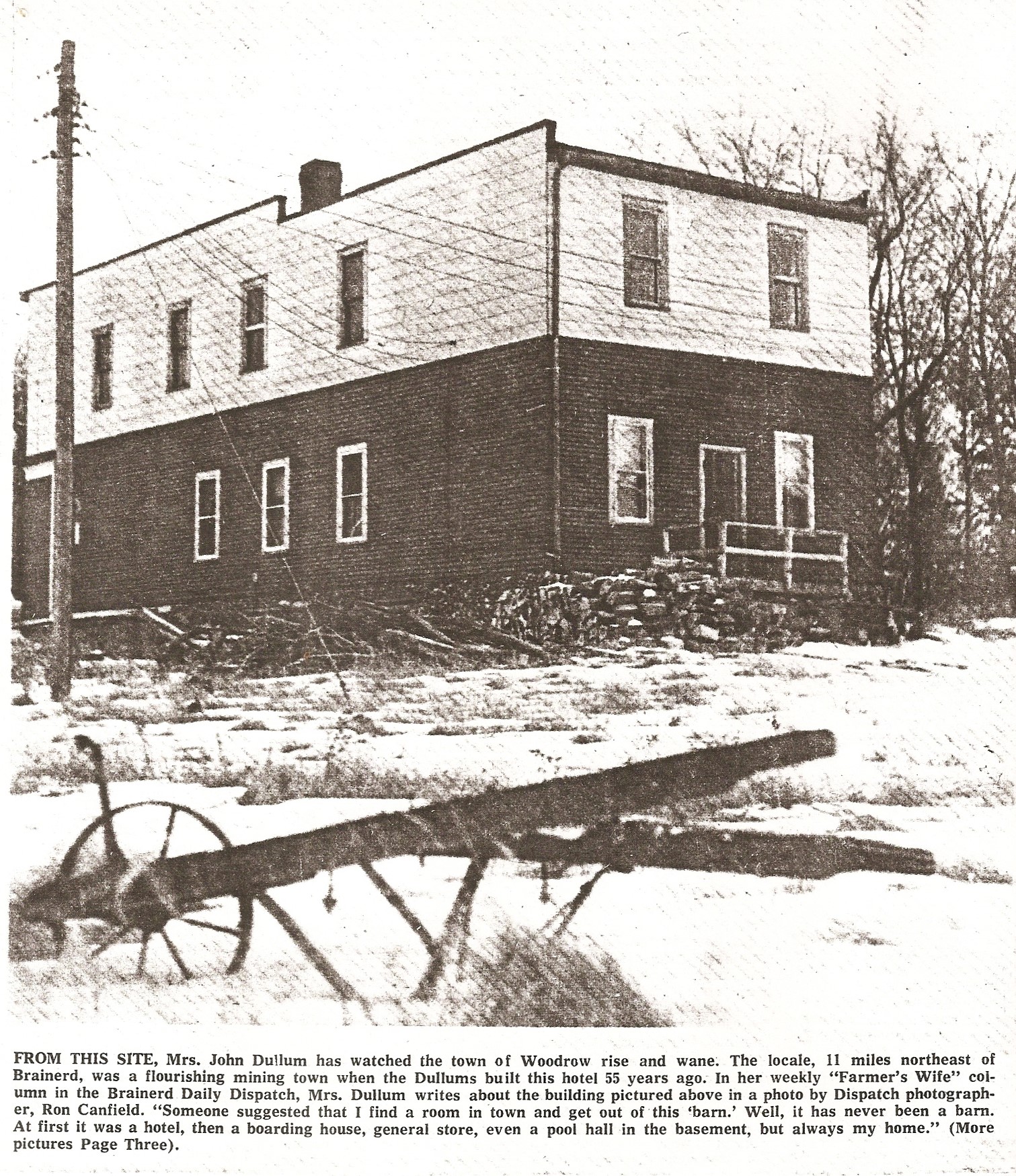
  • I'd like to introduce you to Dick's grandmother, Olive Clifton Dullum, who is Dick's mother's mother. I will also unravel her relationship to Thomas Edison's second wife, Mina Miller. In 1914, Olive opened a boarding house eleven miles northeast of Brainerd in the little community of Woodrow, which was named after President Woodrow Wilson. It was near an underground mine first called the Wilcox Mine, then the name was changed to Omaha Mine when a new mining company took over. With capacity to sleep forty-two miners at $1.00 a day, the two-story 24×60-foot hotel building built by Dick's grandfather, John Dullum, had a general store and post office in the front part of the building. (The photo below is the back side of the building facing the barn.) Before moving to Woodrow, the Dullums lived in Wright, Minnesota where Olive was a teacher and John owned sawmills. It's likely that John built the hotel from lumber sawed at his mill. Although the lodging portion of her business would fill one's day, Olive and a hired girl also prepared meals and packed dinner pails for the miners who worked round-the-clock shifts.

    Olive clifton dullum Woodrow boarding house

    In her weekly Farmer's Wife column in the Brainerd Dispatch that she wrote for twenty-five years, Olive stated, "When the mine closed down in 1919 (after the mining company went bankrupt), I had a big empty building, but you can't live on that. Well, we looked around for some land to plant. We had no horses or machinery. The neighbors loaned us their team and we opened up small patches and planted common vegetables. After a time, we could afford a $49 cow and I made butter to sell. We tried chickens and they helped some. There were a few jobs at what you'd now consider very poor pay, but we didn't join the W.P.A gang or go on any relief. In general, when you go broke, use your head. Don't go begging, go to work." I had the privilege of knowing this fiercely independent woman who continued to live in her boarding house after her husband John's death in 1963 until her death in 1973.

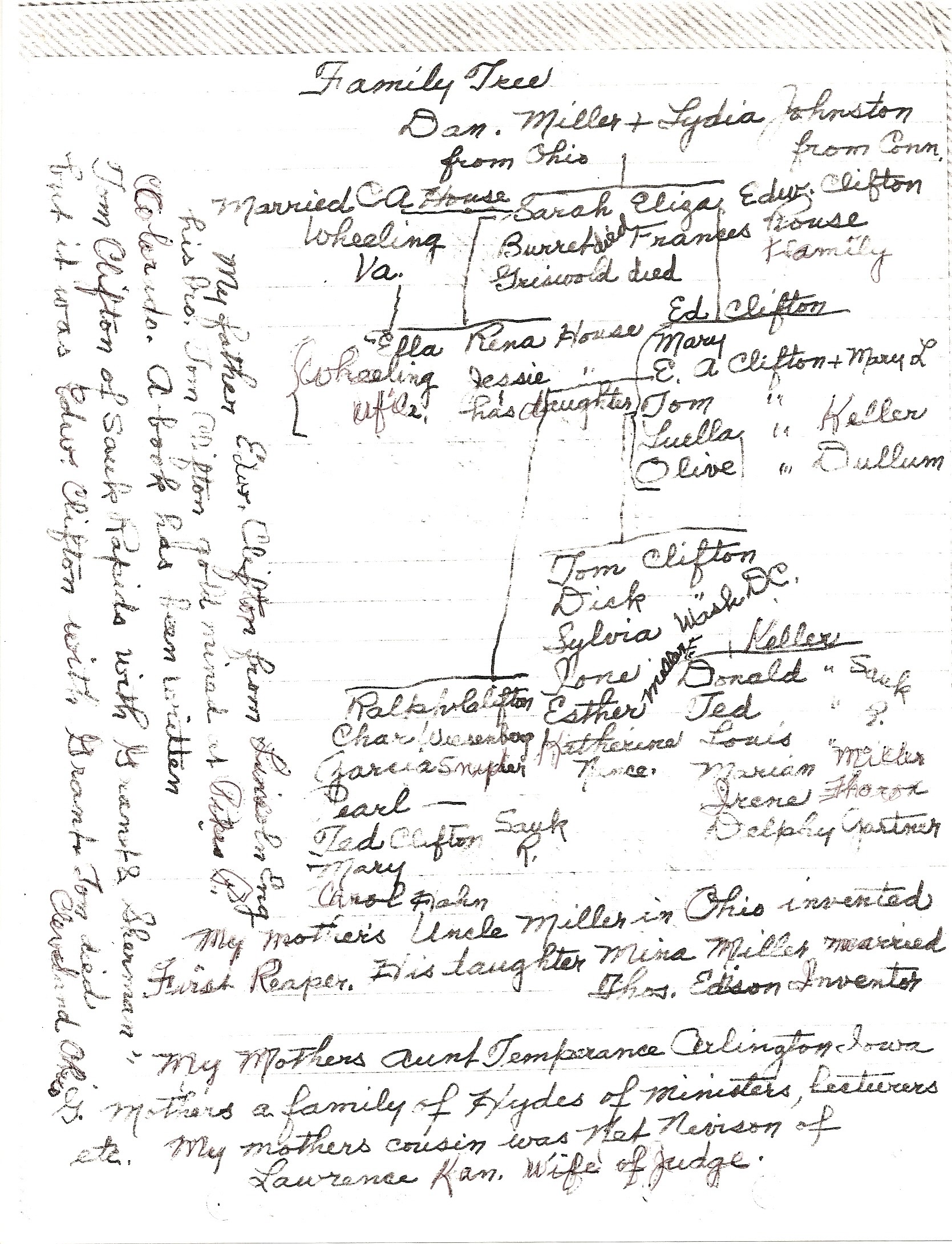
    Olive, proud of the fact that she was related to Thomas Edison's second wife, Mina Miller, spoke of a family reunion in Wisconsin when she met Thomas Edison as a young girl. So, I set out to discover the relationship. I began by reading a brief biography by John D. Venable titled Mina Miller Edison Daughter, Wife and Mother of Inventors that I had purchased when we recently visited Thomas Edison's home in West Orange, New Jersey. Then, using ancestry.com, I researched the lineage of Mina Miller Edison and Eliza Miller Clifton, who was Olive Dullum's mother.  For three days, from morning to night, I pored over old census records, marriage and death certificates, passport applications, grave records, and family trees created by others doing similar searches. I made copies and took pages of notes. I learned names and lineage. I learned education and job history. I learned where lives took root and the location where the two families intersected (Ohio). But, I was still struggling to connect the two women generationally. Then, a breakthrough. In a box of old family photos, I found this handwritten family tree.

    Olive clifton dullum family tree

    There, near the bottom, in Olive Clifton Dullum's handwriting… "My mother's Uncle Miller in Ohio invented the First Reaper." I know from my online research that she is referring to Lewis Miller 1829-1899, who had eleven children… one named Mina Miller. The crucial words are "my mother's uncle." So, this means that Olive's mother, Eliza Miller Clifton 1837-1923 (Dick's great grandmother), is a first cousin to Mina Miller Edison 1865-1947. Proceeding through the generations, this means that Dick's grandmother Olive Clifton Dullum is a second cousin to Mina Miller Edison and… insert drum roll… Dick is a third cousin to Thomas Edison's second wife Mina Miller. 

    Mina miller edison Edward clifton and eliza miller clifton

    (Left Photo) First cousins Mina Miller Edison in her West Orange, New Jersey Glenmont Estate second-floor office in 1929 that she shared with Thomas Edison and (Right Photo) Eliza Miller Clifton at her home in Sauk Rapids, Minnesota that she shared with her husband Edward Clifton.


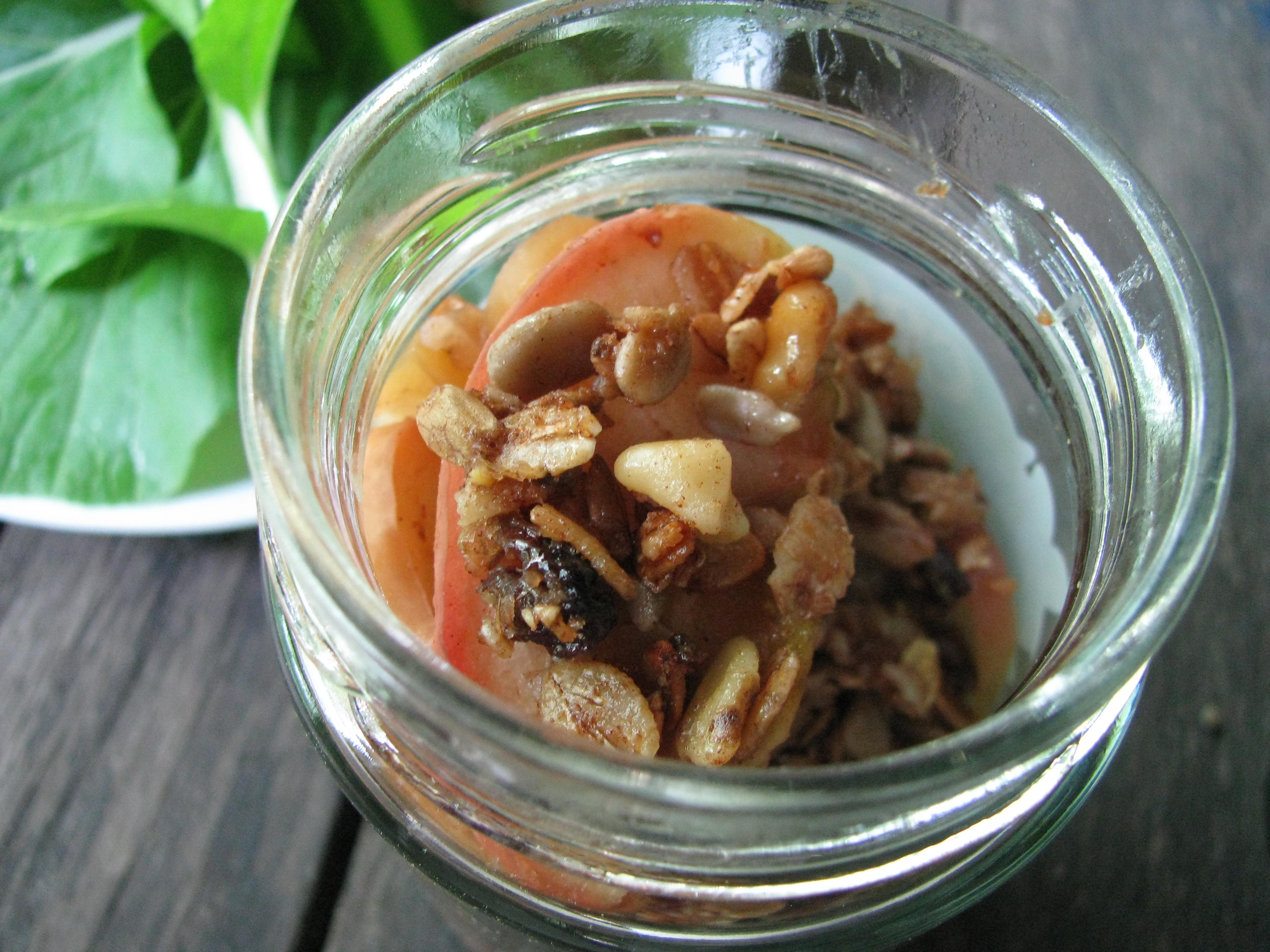
  • The Brainerd Public Library's "Brown Bag Summer Author Series" spawned the early beginnings of my efforts to uncover how Dick's grandmother is related to Thomas Edison. I was so excited to attend the series for my very first time on June 9, 2014 that I packed a special lunch the night before… in a brown paper bag, of course. I made a sandwich with thick slices of local, grass-fed, nitrite-free beef summer sausage and freshly harvested, locally grown greens from my CSA share along with hummus and celery for dipping. After scooping a large spoonful of Good Mornin' Apple Crisp into a half-pint mason jar, I was ready. I wondered, "Do people really pack a brown bag lunch or is it just a catchy name for the event?" I decided to tuck my bag lunch deep into my backpack until I could survey the attendees to see what others were doing. You know. The 'ol gotta-fit-in, junior high school mentality.
    Summer sausage sandwich Good mornin' apple crisp

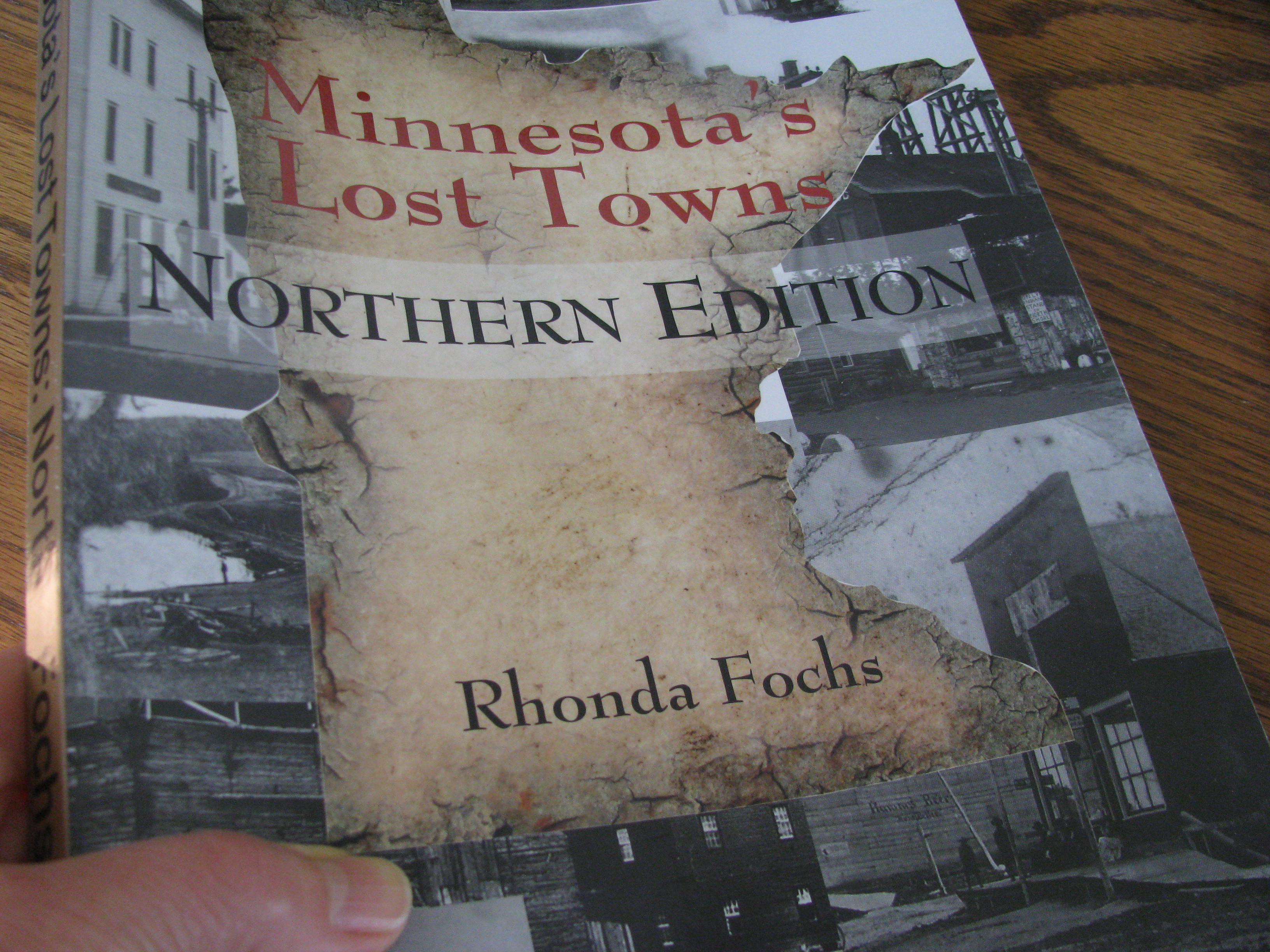
    That particular day, Rhonda Fochs (pronounced Fox) was presenting her book, Minnesota's Lost Towns Northern Edition which includes "lost" towns in thirty-two counties in northern Minnesota. Her definition of a lost town is one that was "once a thriving heart of a community that has little or no population now." What caused the towns to fold? Rhonda shared several reasons… 1)RFD (Rural Free Delivery) In 1893, congress passed legislation to begin delivery of mail in rural areas rather than people coming to the post office to pick up mail. 2)Automobiles Faster modes of transportation meant people could travel further distances to shop for better prices and variety. 3)Railroads Prior to the invention of automobiles, passenger and supply trains made regular stops no farther apart than what a farmer could travel by horse in one day.  With faster modes of transportation, the distance between rail stops increased resulting in a town's residents moving to the railroad hubs. 4)One-Industry Towns If a community is built around a single industry such as timber or mining, when the resources are depleted, the workers move and the town dies. 

    Rhonda fochs Minnesota's lost towns

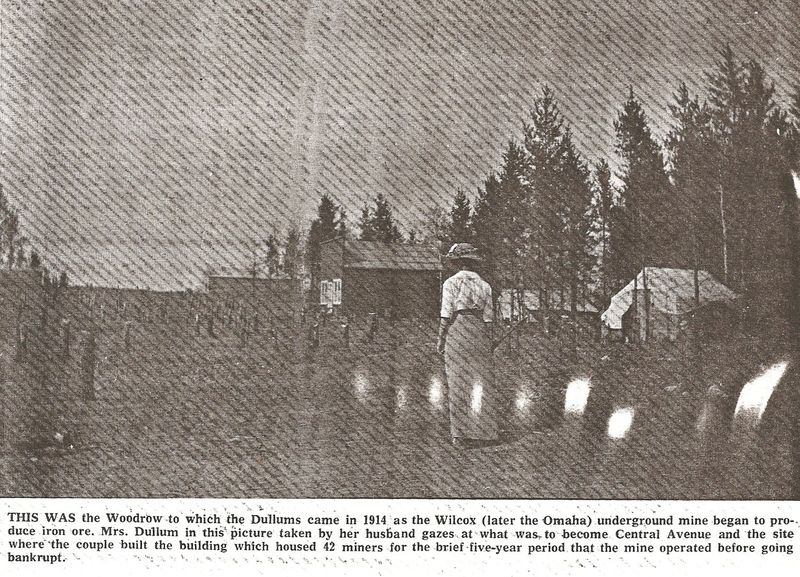
    She had created a Power Point presentation to show us photos from her book of some lost towns in the Brainerd area. A black and white photo filled the large projection screen next to where she stood at her podium. It was of a woman walking down "Main Street, Woodrow, ca. 1914," the caption read. (See photo in book below.) Rhonda explained the significance of the town of Woodrow to the area's iron ore mining industry. In 1914, a woman named Olive Dullum (pronounced due-lum) and her husband, John, built a boarding house for mine workers in Woodrow northeast of Brainerd. My hand shot up to ask Rhonda if she knew the name of the woman in the photo. She did not.

    Minnesota's lost towns woodrow

    As Rhonda moved on to the next lost town near Brainerd, I continued to wonder. Could it be? Was the woman in the Woodrow photo Dick's Grandma Dullum? I was well aware of the boarding house that his grandparents built and continued to live in until their deaths… I was inside it when Olive still resided there, but… the photo. Then, recently, one of my grandsons asked to see a photo of Dick and I when we were "hippies" in the early 70s. As I rummaged through some photos, there it was… the same photo as in Rhonda Foch's book, Minnesota's Lost Towns, with a caption typed underneath confirming that it was Dick's Grandma Dullum.

    Woodrow 1914

    Dick told me that his Grandpa Dullum's hobby was photography. On the second floor… the last room down the hall on the right at the back end of the boarding house facing the barn, he remembers a storage room that held photo supplies and equipment alongside beekeeping boxes and frames. The room had been transformed into a dark room where his Grandpa Dullum developed pictures. This remembrance validates the photo's caption. And, yes, despite only a handful of others eating from bag lunches, I reached deep into my backpack and pulled out my lunch.
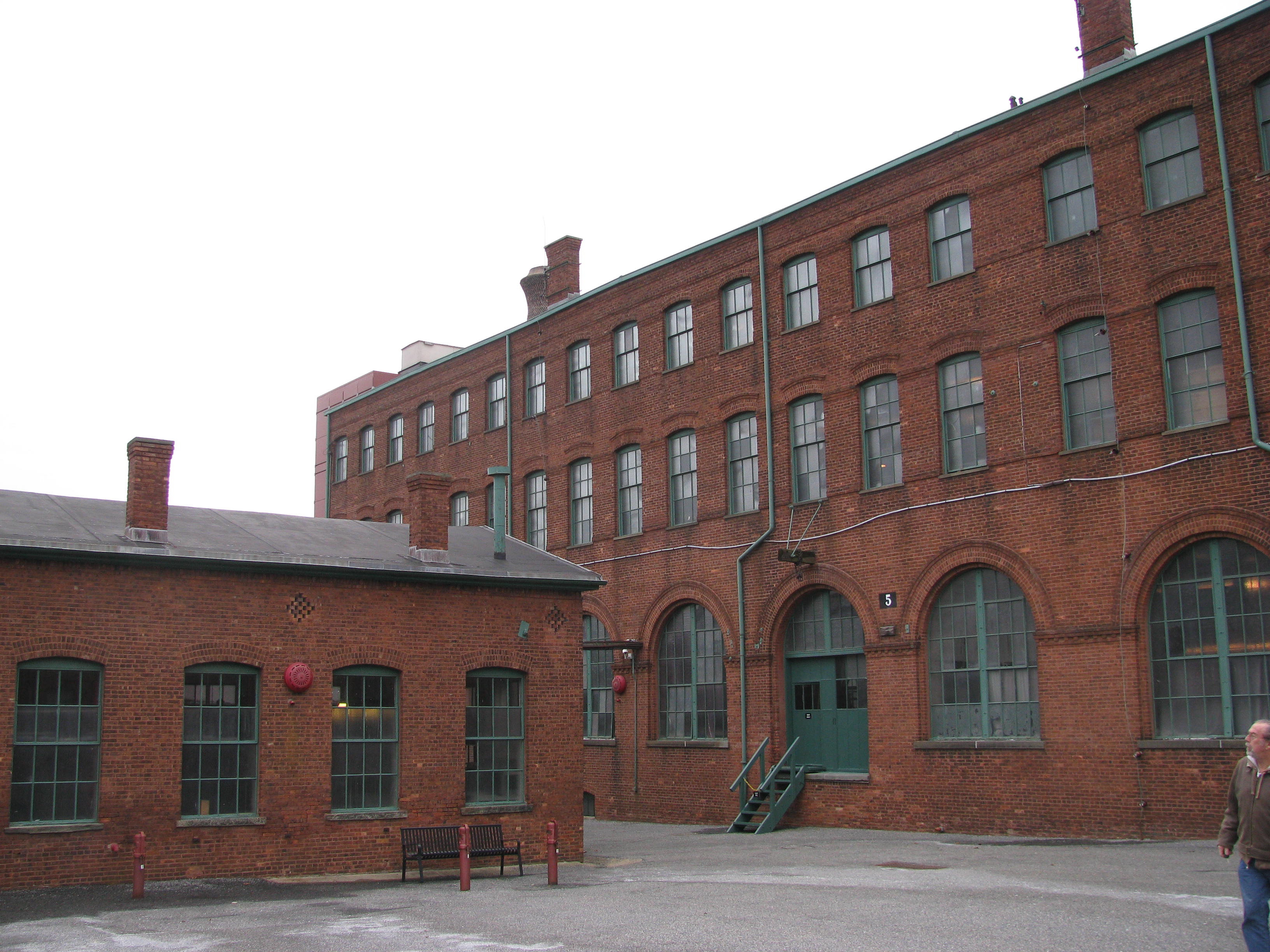
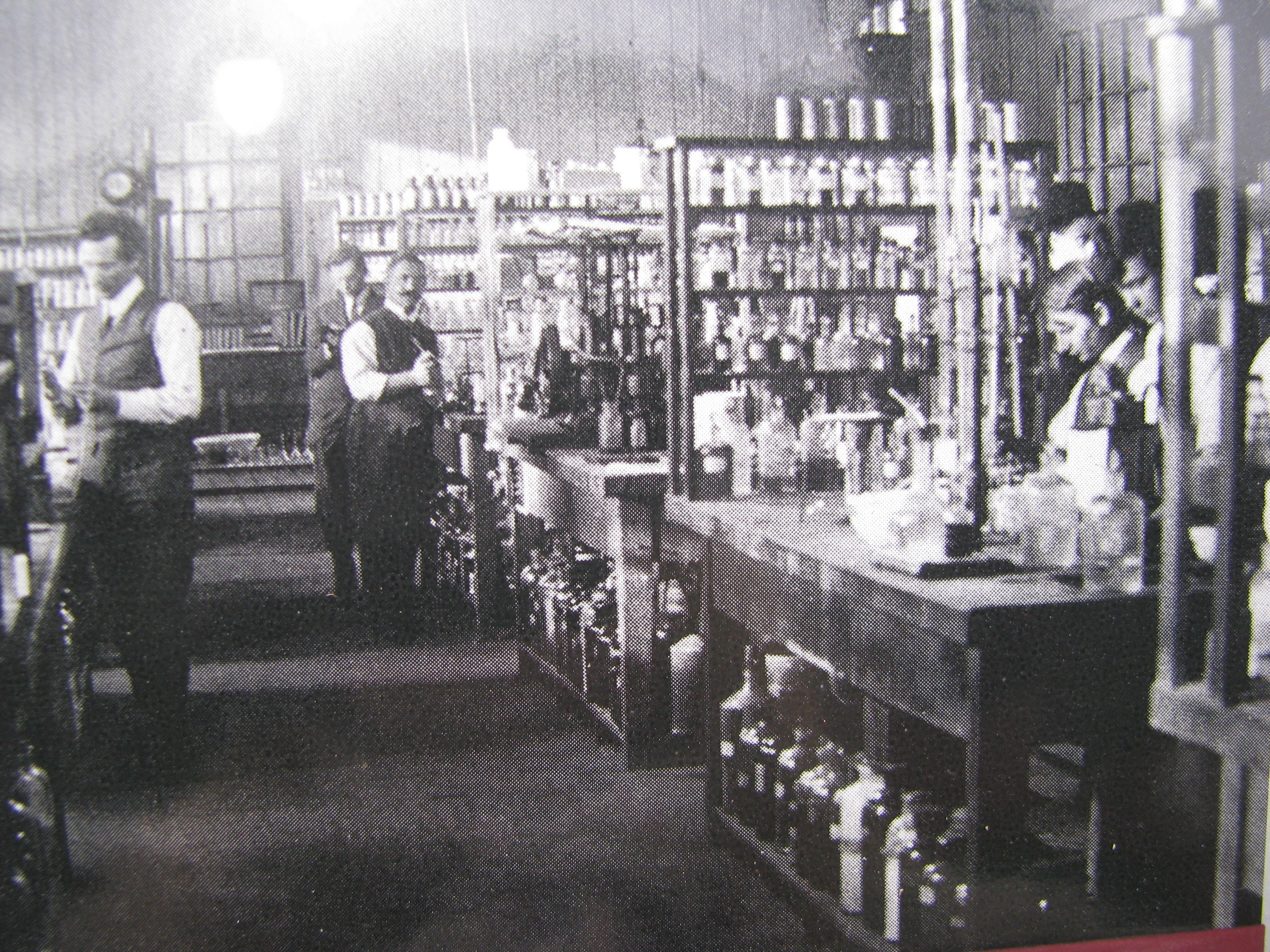
  • Dick proudly boasts of his connection to Thomas Edison. He says his grandmother, Olive Clifton Dullum is a second or third cousin to Thomas Edison's second wife, Mina (pronounced my-na) Miller Edison. So, to visit Edison's West Orange, New Jersey laboratory, factory, and home on the day he celebrated his 66th birthday, it was a very special day indeed. He can be seen below in the far right of the left photo walking across the courtyard between the three-story building that was one of Edison's factories, and a long, narrow building that was Edison's lab. The photo on the right shows what the lab looked like in Edison's day. The equipment and supplies used to conduct experiments still remain on the original lab tables and shelves today.

    Edison lab + factory exterior Edison lab interior

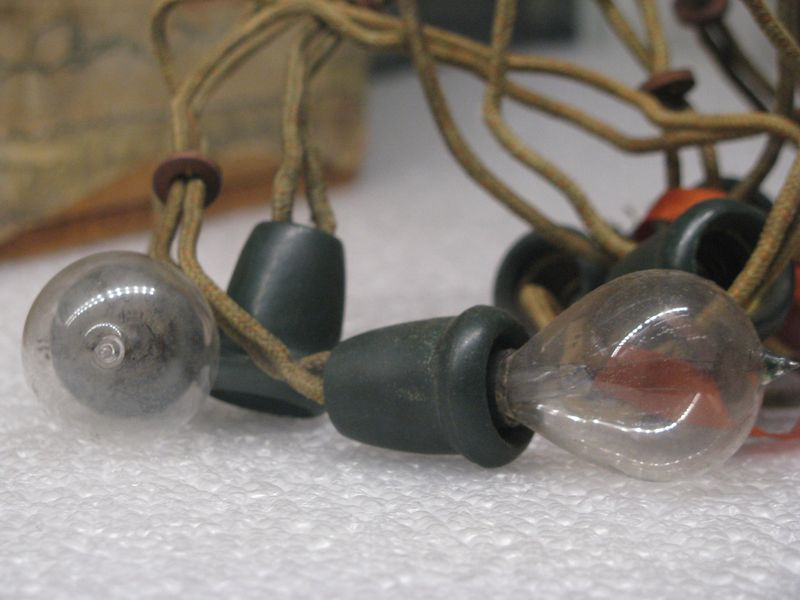
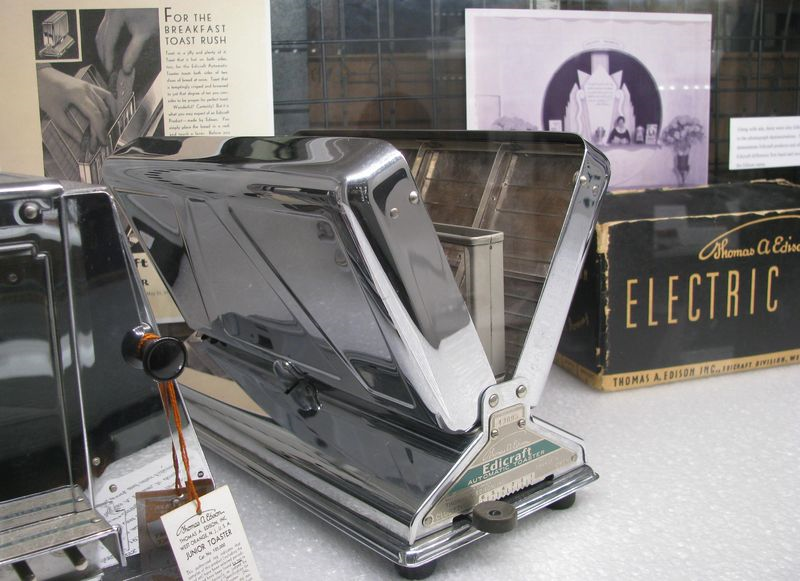
    Although some buildings are closed to visitors, there is much to see. Many items are professionally displayed with identifying information, but some areas are as if the workers moments ago left for lunch and plan to return. When we think of Thomas Edison, the light bulb immediately comes to mind, as in this old string of Christmas tree lights, but his patents are varied and numerous. Did you know he invented the first phonograph? While he continued to perfect his phonograph, he restructured one of his factories to begin manufacturing electrical household appliances such as this toaster from his high-end Edicraft line.

    Edison christmas tree lights Edison toaster

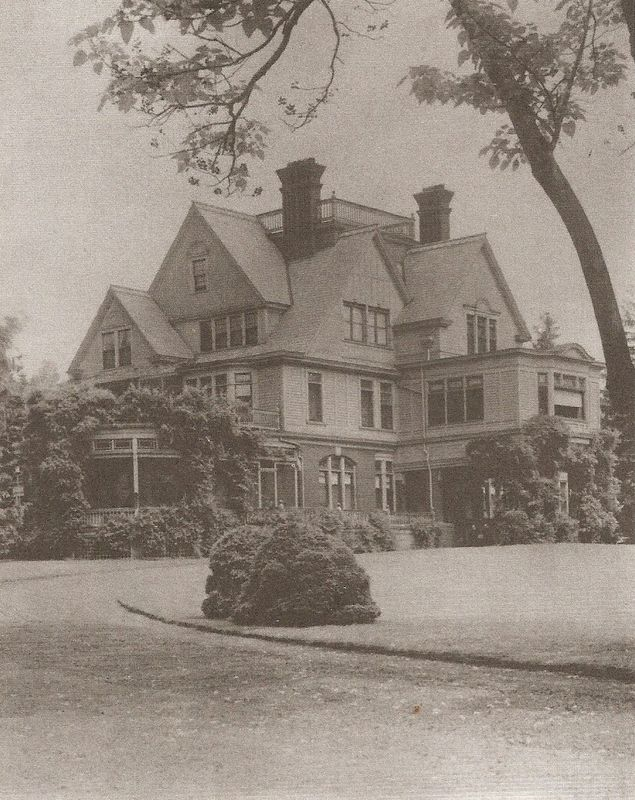
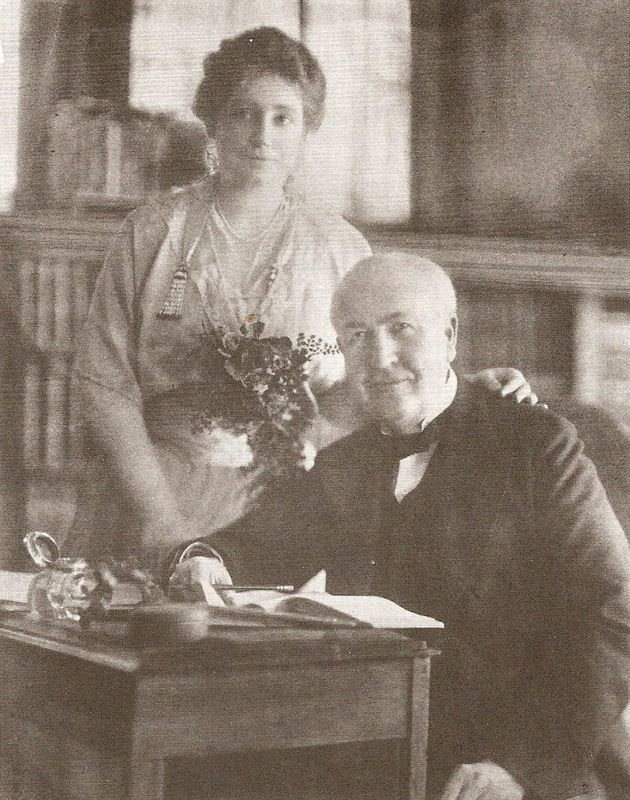
    For forty-five years, Thomas and Mina resided at Glenmont, a 23-room home on thirteen acres in West Orange, New Jersey overlooking the valley where Edison's lab and factory were built. The house is open to the public for guided tours. (Photos Source: Mina Miller Edison. A Publication of the Charles Edison Fund, 1981.) I would have been perfectly content as a servant there…

    Edison home Thomas + mina edison

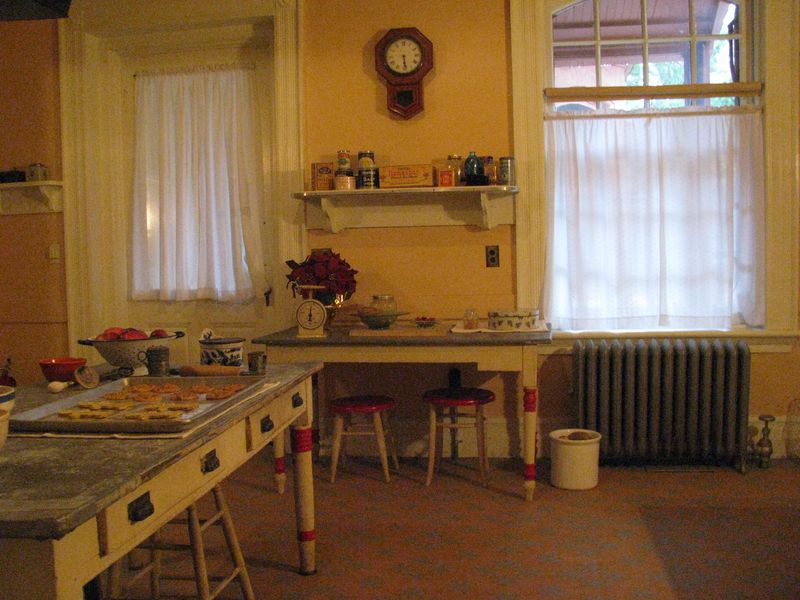
    In the kitchen maybe? It was the pan of cutout sugar cookies.

    Edison's glenmont kitchen


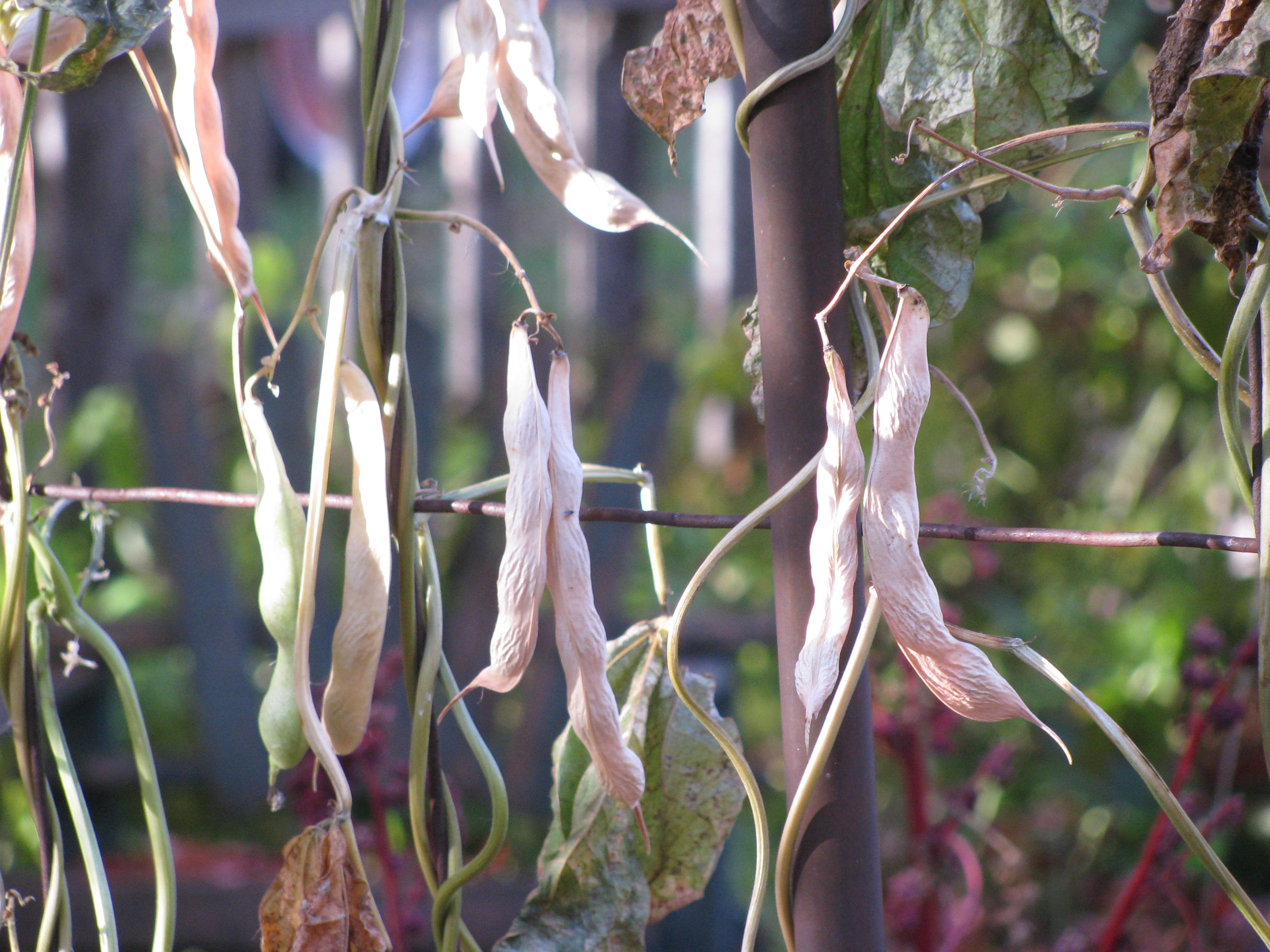
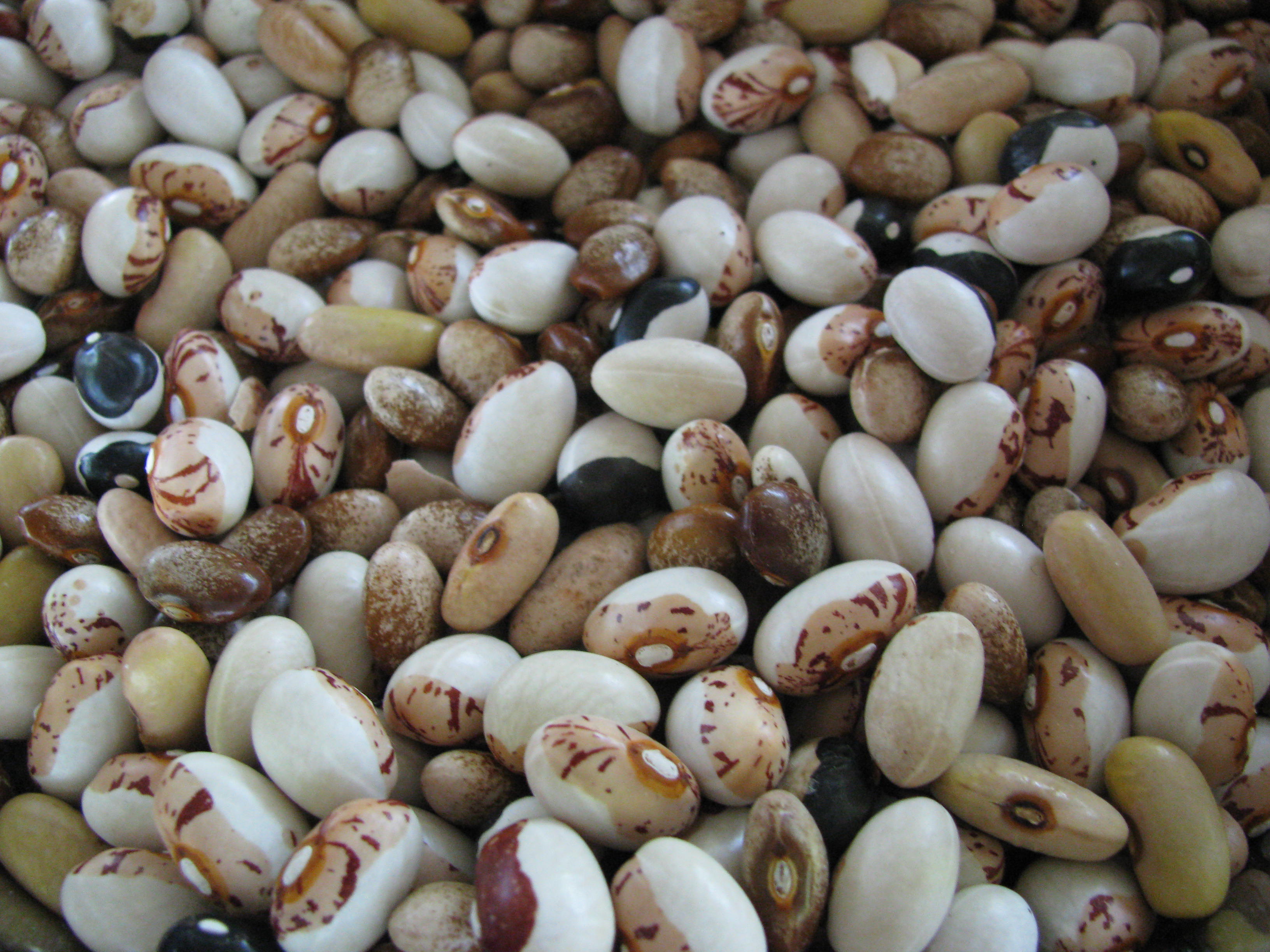
  • In May, I purchased six seed packets containing different varieties of heirloom soup beans from Seed Savers Exchange in Decorah, Iowa. The spring's warm, moist garden soil encouraged the seeds to sprout and begin the rapid ascent skyward, curling their tendrils to grasp the trellis's grid until autumn's natural dehydrator signaled harvest time.

    Bean sprout Dried bean pods

    A fifteen-month old's tiny handprint on my window. A short nine months later, those same hands belonging to my youngest grandaughter had the dexterity to shell beans from my garden…

    Delaney window handprint Delaney shelling beans

    for a pot of "Ham Bone, Greens, and Bean Soup" from Molly Wizenberg's blog, Orangette. Molly is author of A Homemade Life, which is a mix of recipes and the stories behind the recipes… lovely storytelling. My copy is dog-eared from its frequent use in my kitchen. 

    Shelled beans Bean soup farmers market ham hock

    The ham for my bean soup came from hormone-free, pasture-raised Red Wattle Hogs raised at Grass is Greener Farm in Bremen, Indiana. In danger of extinction, the hogs share the farm with other heritage breeds including Red Poll Cattle, St. Croix Sheep, Silver Appleyard Ducks, and Bourbon Red Turkey. We stumbled upon this farm at an amazing farmer's market in Goshen, Indiana. After picking up some items at Goshen's Maple City Market Natural Foods Co-op, a friendly resident outside the store told us about the Goshen Farmer's Market down the street. What a discovery! Open year-round on Saturdays from 8-1 and May-October on Tuesdays from 3-6, the indoor market features a wide array of farmers, bakers and artisans. Live music provides a gentle but energizingly festive atmosphere. Note: A local source for amazing, humanely-raised pork products is Fox Farm Pork in Browerville, Minnesota. Their products are sold at the Crow Wing Food Co-op in Brainerd. To add healing collagen, I added Organic Chicken Bone Broth to the soup pot.

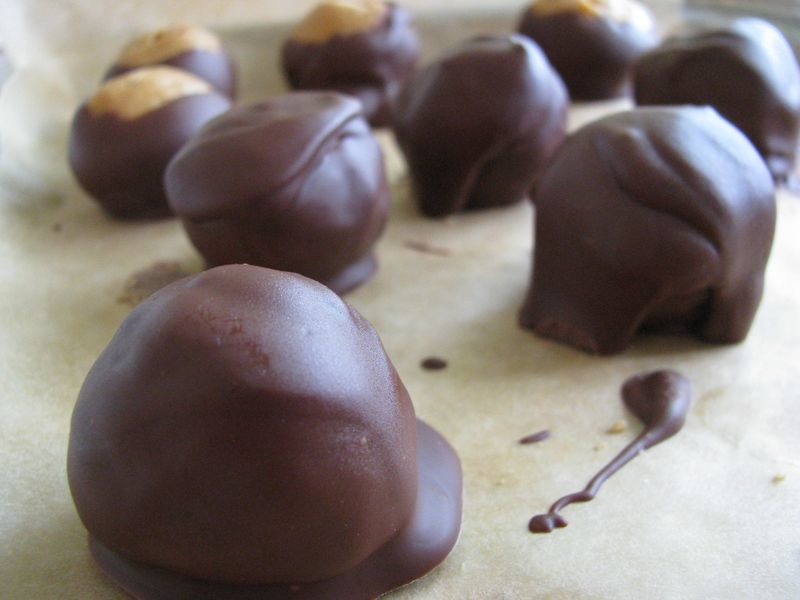
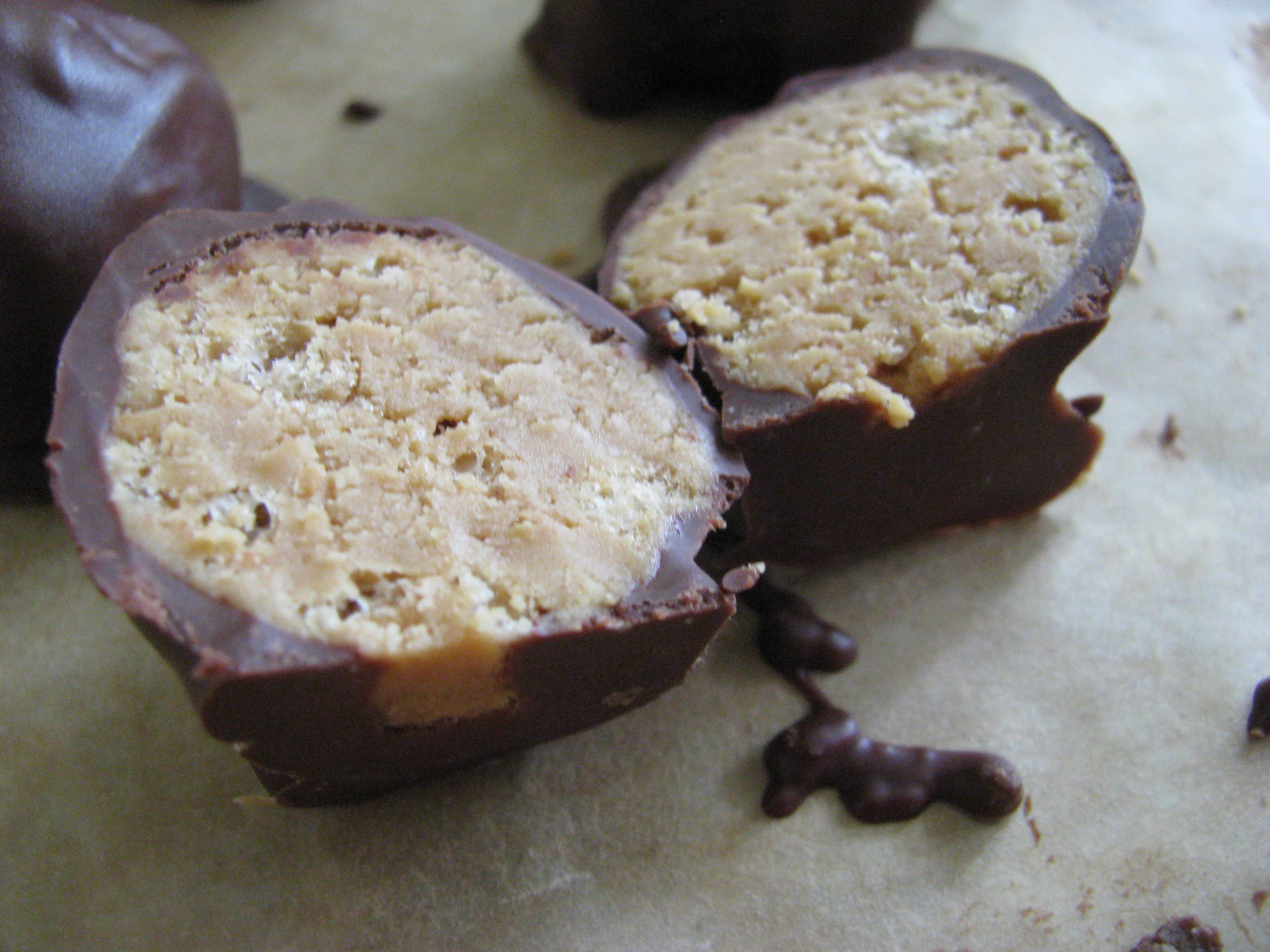
  • At Henry Ford's Greenfield Village, there is a restaurant called A Taste of History. I am not telling you of it to rave about its menu, since Dick and I did not have a meal there. What we did discover was buckeyes… a sweet confection of peanut butter fudge-like filling coated in chocolate. After buying just one to try, I took a tiny bite and handed it to Dick to taste. In one chomp, it was gone. I whined. My intent was for him to hand the buckeye back to me for another bite. If my whining, which now had transitioned to a rant, was to cease, Dick knew we must go back for another. After a little nibble from the second one, I handed it to Dick. So he could have a little bite. Chomp. It was gone. Huh? Good grief. No way was he, nor I, going back for another. No, I would find a recipe and make an entire batch, and so I did.

    Crispy buckeyes Crispy buckeyes center

    My online search turned up two versions… smooth and crunchy. Rice Krispies provide the crunch. The buckeyes that we had sampled at A Taste of History were crunchy, so that's what I made. I used One Degree Organic Foods Veganic Sprouted Brown Rice Crisps made with organic sprouted brown rice, organic coconut palm sugar, unrefined salt, tocopherols (Vitamin E) as an alternative to Kellogg's Rice Krispies. After researching several buckeye recipes online, this is my version. I think I nailed it.

    Crispy Buckeyes

    ¾ cup powdered sugar

    ½ cup peanut butter

    2 tbsp butter, softened

    ¼ tsp vanilla

    ½ cup crispy rice cereal (I smashed it a little.)

    ½ cup semisweet chocolate chips

    ½ tbsp coconut oil

    Combine first five ingredients using a mixer or food processor. Form into one tablespoon balls. Chill in fridge for 30 minutes. Melt chocolate chips with coconut oil in the top of a double boiler over simmering water just until melted. Stir to hasten the process. Insert a toothpick into a chilled ball, then dip into melted chocolate to coat. Traditional buckeyes are left uncoated on top. (See photo.) Optionally, you can drizzle melted chocolate over top with a spoon to coat completely. Store in refrigerator. Makes 15 balls.

    Do you love the black and white Rice Krispies Treats commercials that have a 1950s vibe? I do. Especially the ones featuring Hawaiian artist Israel "IZ" Kamakawiwo'ole's (Kah-MAH-kah-VEE-voh-OH-lay) version of "Over the Rainbow." Like this one. http://youtu.be/BXdNLDFPyPw Listen to it while you nibble on this delectable crispy treat. Then, click over here http://youtu.be/V1bFr2SWP1I?list=RDpYkSHg7RcXU to meet this amazing man who died in 1997 at the age of 38. His ashes were scattered off the coast of the island of Oahu.


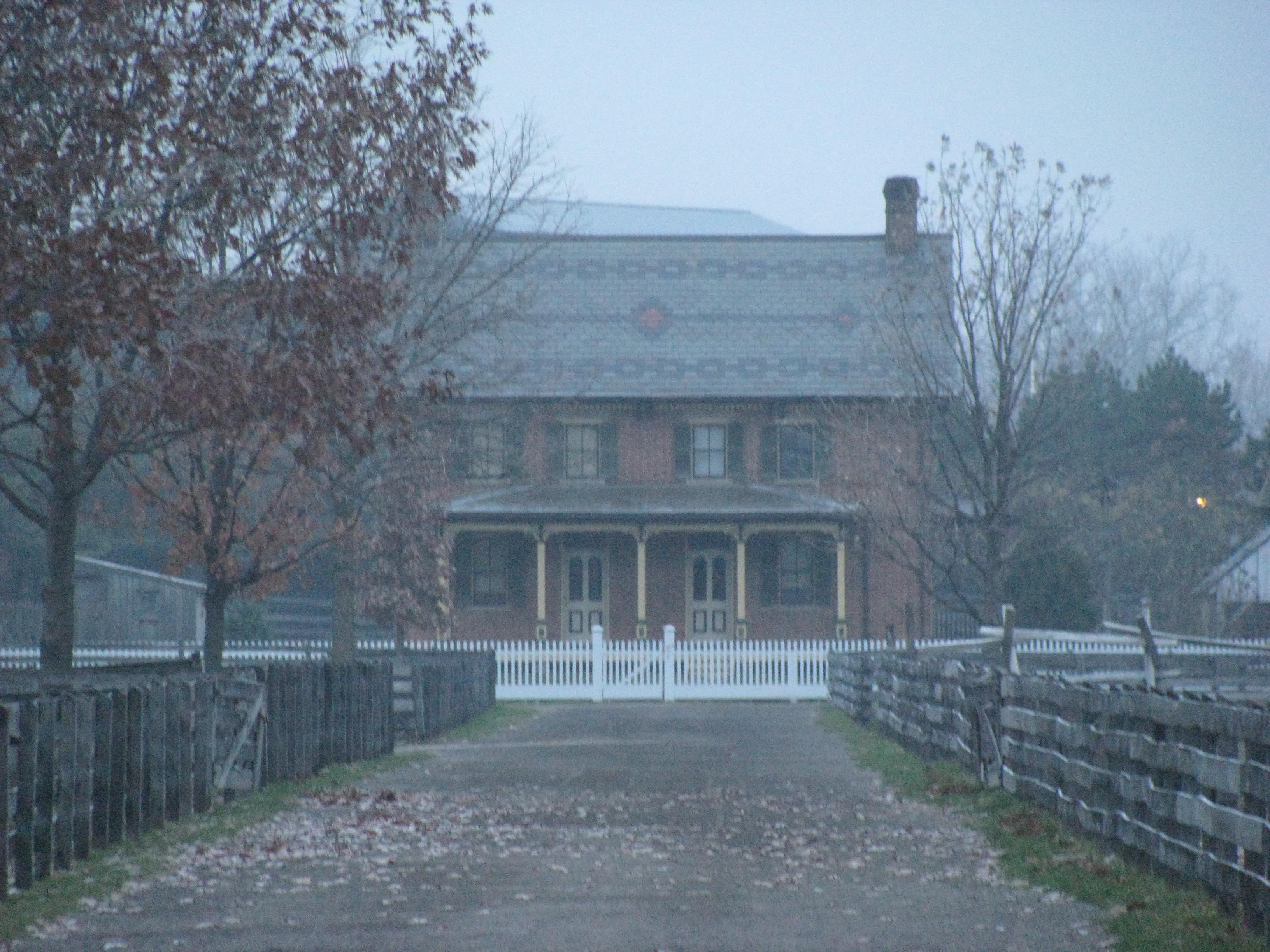
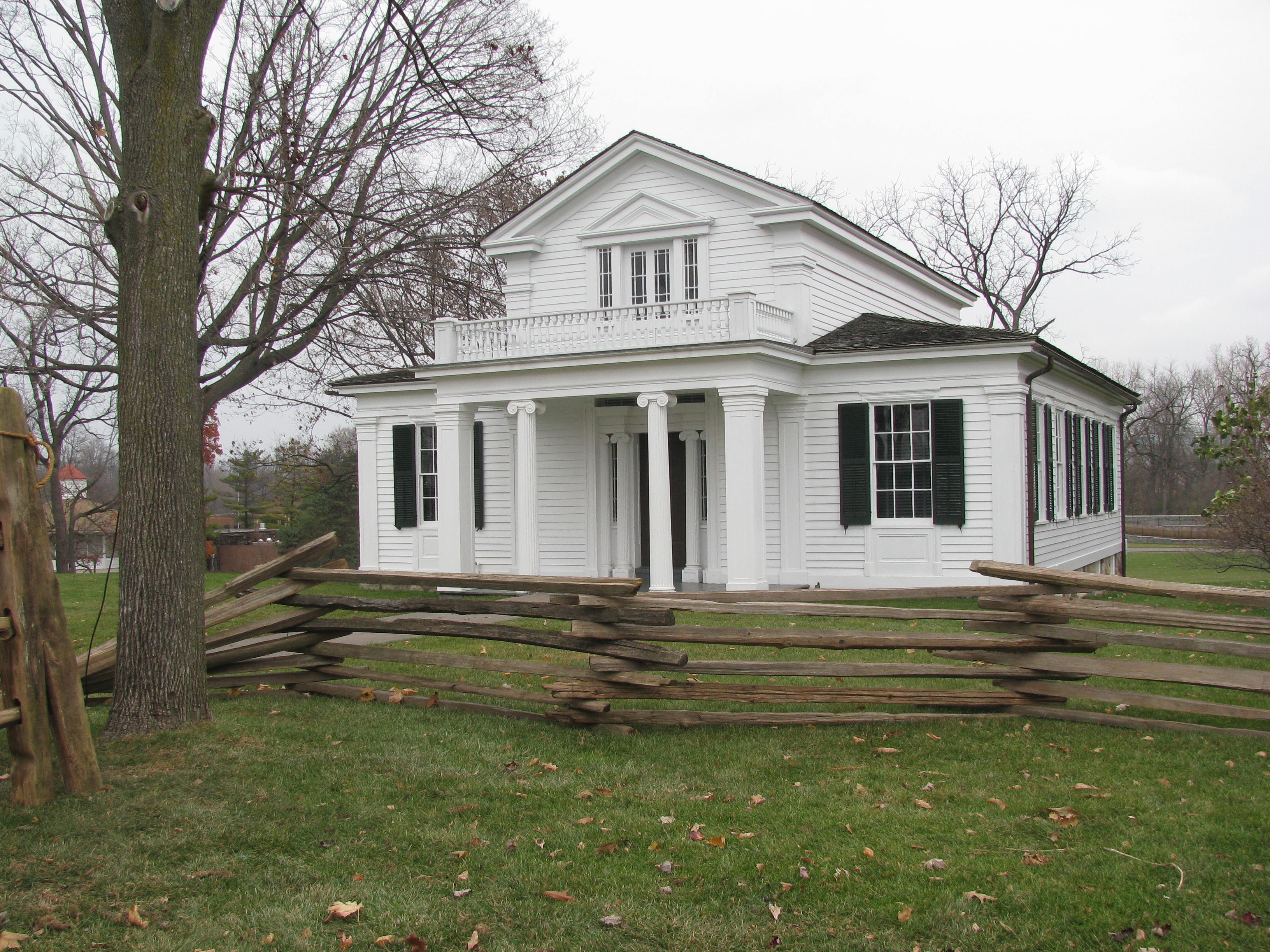
  • Adjacent to the Henry Ford Museum in Dearborn, Michigan is expansive acreage where Henry Ford preserved history in another way. Having the foresight to identify those who represent the heartbeat of America… people who would eventually find a place on the pages of our history books, he set about to preserve their memory by relocating 83 homes and businesses to 80 acres that was named Greenfield Village. Although a part of me feels that the buildings would be more authentic had they not been uprooted from their birthplace, I know that it would be difficult to visit all of them if they were scattered in various locations across the country. Also, they would eventually have fallen in disrepair and many would have been demolished.

    Firestone farm Robert frost's home

    Left Photo – Built near Columbiana, Ohio in 1828, this brick farmhouse was the childhood home of tire maker Harvey Firestone. It is a working farm where sheep are sheared, pigs are butchered, eggs are gathered, and horses pull plows where crops are planted and harvested. At the farm, and throughout the Village, costumed interpreters complete daily and seasonal chores like washing and mending laundry, churning butter, making soap, canning garden produce, and making apple butter.

    Right Photo – When he was a poet-in-residence at the University of Michigan, Robert Frost lived in this house that was built about 1835. It was moved from Ann Arbor, Michigan. When we stepped across the threshhold of the front door, Robert Frost's voice greeted us as he read his 1920 poem, "The Road Not Taken."

    The Road Not Taken 

    By Robert Frost 1874-1963

    Two roads diverged in a yellow wood,
    And sorry I could not travel both
    And be one traveler, long I stood
    And looked down one as far as I could
    To where it bent in the undergrowth;

    Then took the other, as just as fair,
    And having perhaps the better claim,
    Because it was grassy and wanted wear;
    Though as for that the passing there
    Had worn them really about the same,

    And both that morning equally lay
    In leaves no step had trodden black.
    Oh, I kept the first for another day!
    Yet knowing how way leads on to way,
    I doubted if I should ever come back.

    I shall be telling this with a sigh
    Somewhere ages and ages hence:
    Two roads diverged in a wood, and I—
    I took the one less traveled by,
    And that has made all the difference.
     
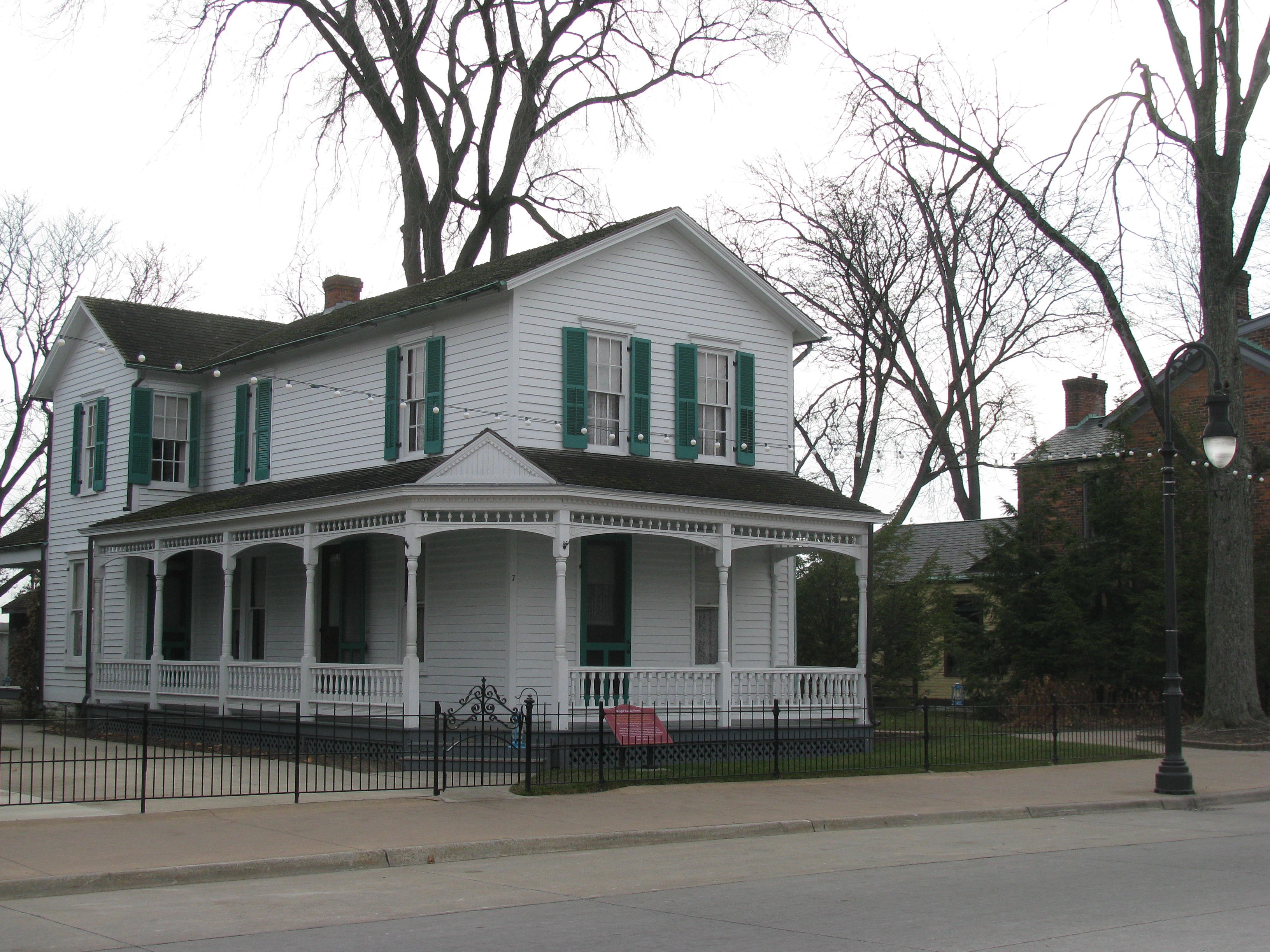
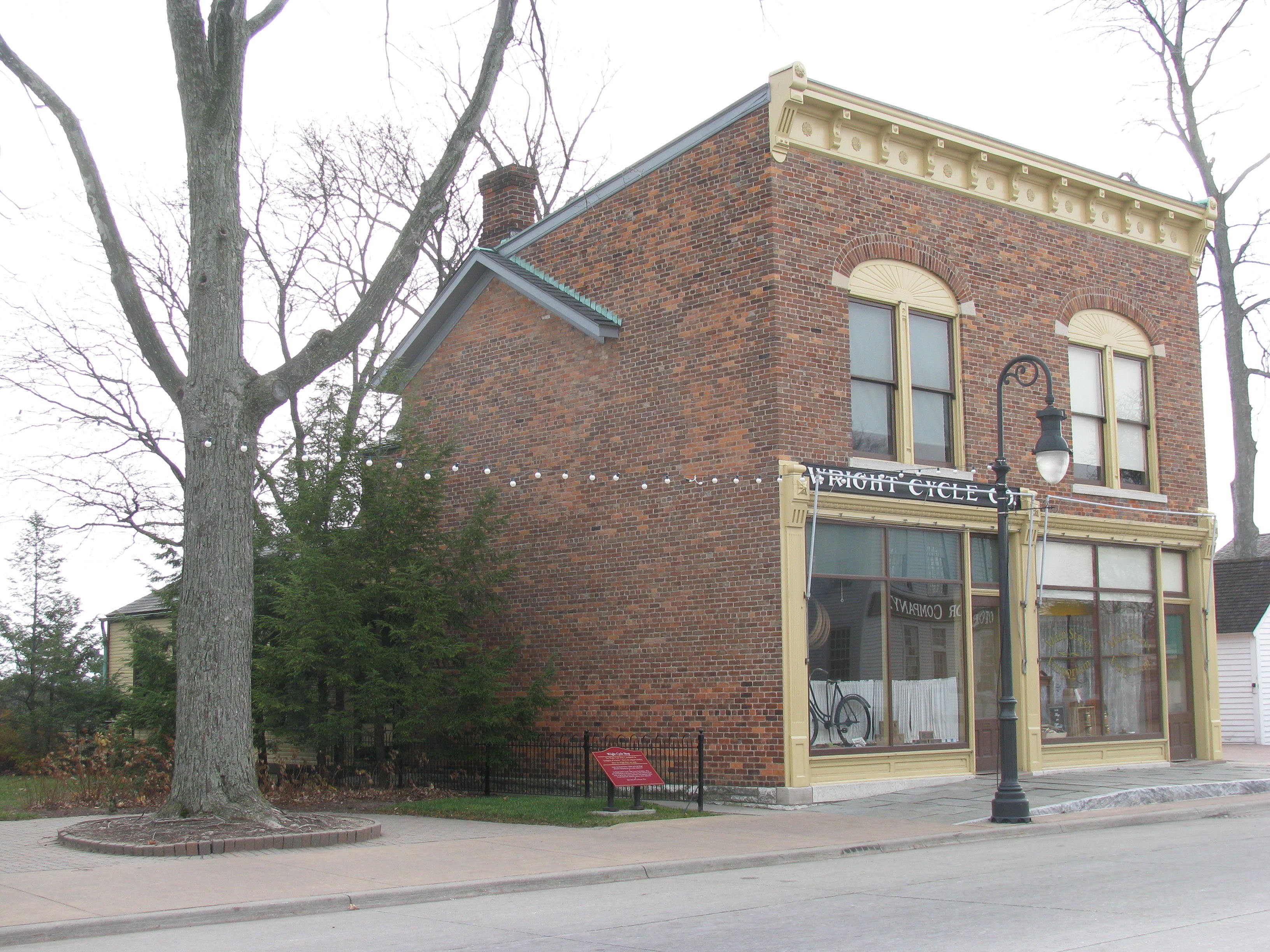
    Wright family home Wright cycle shop
     
        Wilbur and Orville Wright funded their aviation experiments with income generated in their bicycle business. Parts used in the assembly of their planes were built in their shop. In 1936, Henry Ford moved the cycle shop and the Wright family home from Dayton, Ohio to a peaceful street in Greenfield Village where they sit side by side.
     
       Thomas Edison's Menlo Park Laboratory, the courthouse where Abrahan Lincoln practiced law, Noah Webster's New Haven, Connecticut home where he compiled the first American dictionary and wrote textbooks, and on and on it goes. So many lives. Gathered together in one place.
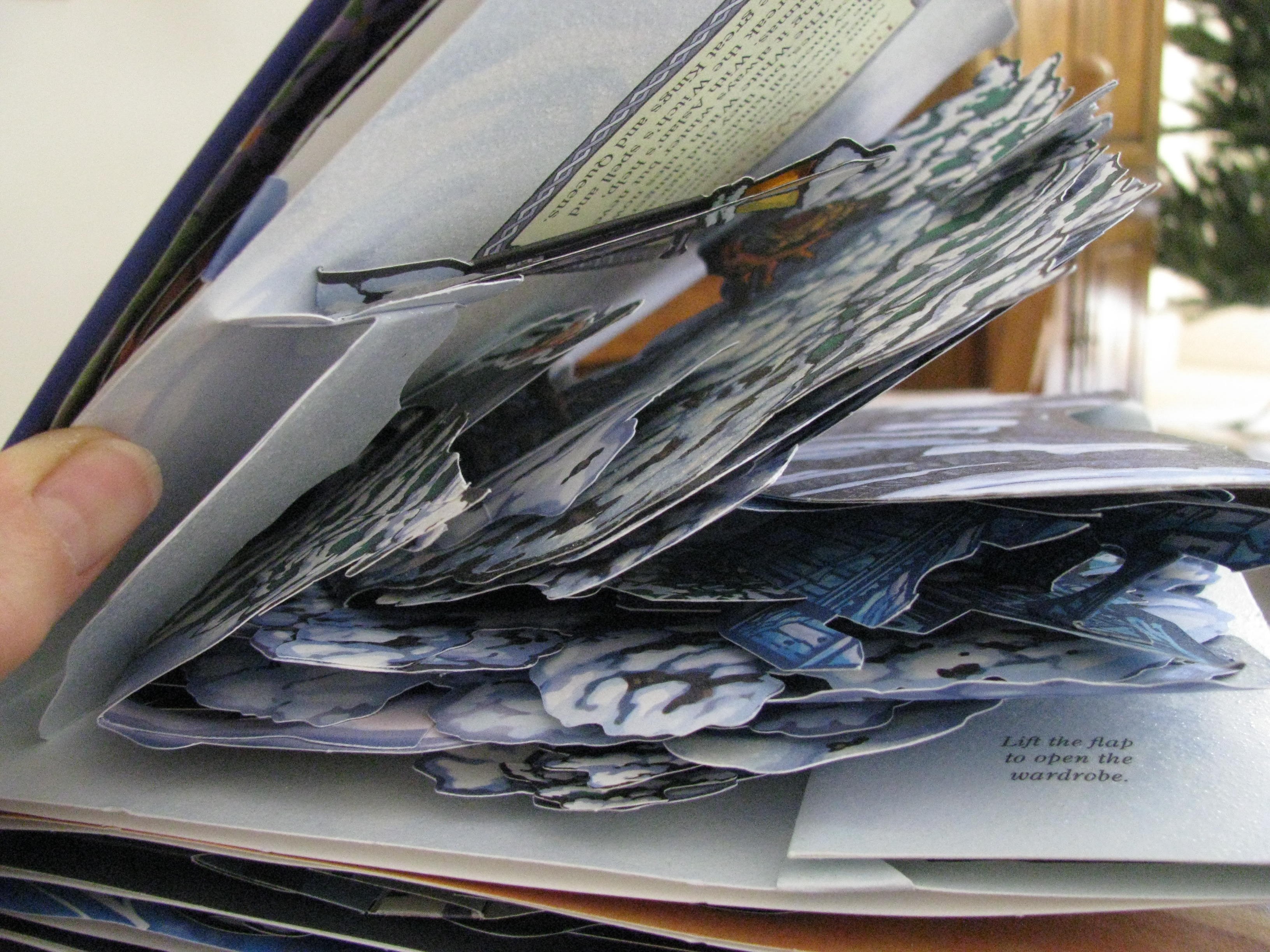
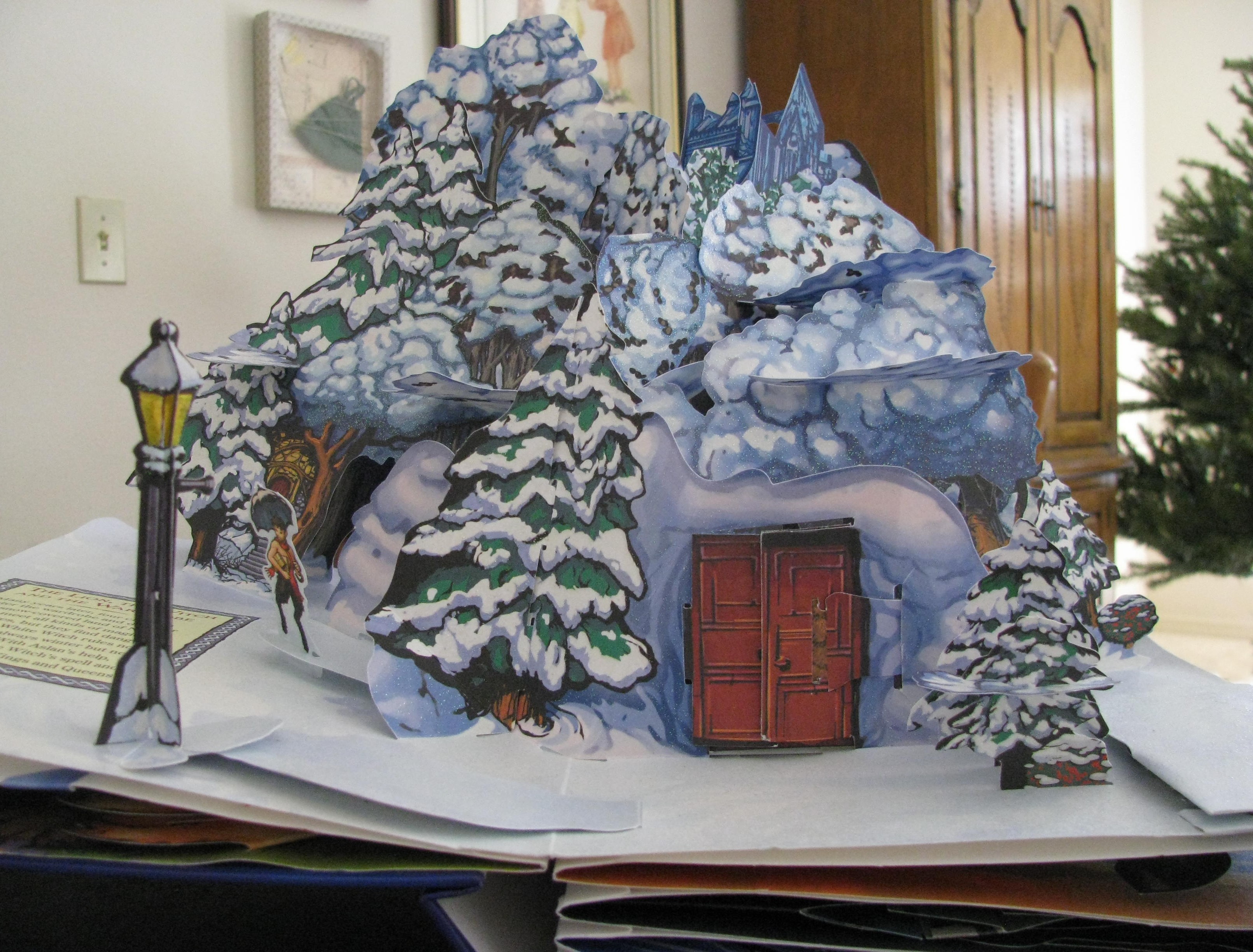
  • The Henry Ford, which includes the Henry Ford Museum, Greenfield Village, Benson Ford Research Center, Ford Rouge Factory Tour, and Imax Theater is worth driving, say… 810 miles. From Brainerd, Minnesota to Dearborn, Michigan, that's what Dick and I did. Think of the experience as a pop-up book. Our nation's history unfolding and coming to life in 3-D like a page from my Chronicles of Narnia book.

    Chronicles of narnia pop-up page opening Chronicles of narnia pop-up page

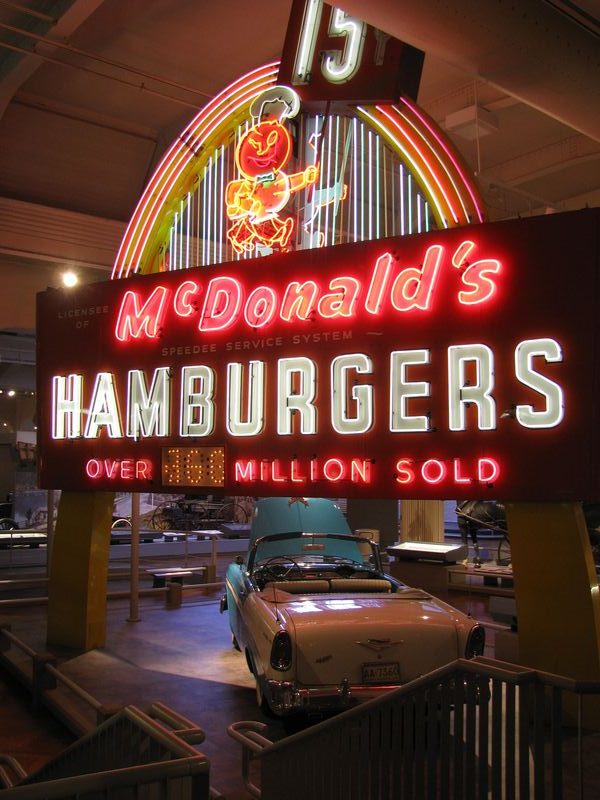
    The displays in the Henry Ford Museum feature original objects representative of decades as well as specific events within. 1)This flashy Holiday Inn sign was used when the hotel chain opened in 1952. It was designed as a "beacon in the night" for travelers on the new interstate highways. In 1982, the sign was replaced with a small plastic one that was more energy efficient. 2)In 1994, the number of hamburgers sold exceeded 99 billion. It was decided to cease counting and change signs to read billions and billions served.

    Holiday inn sign Mcdonald's sign

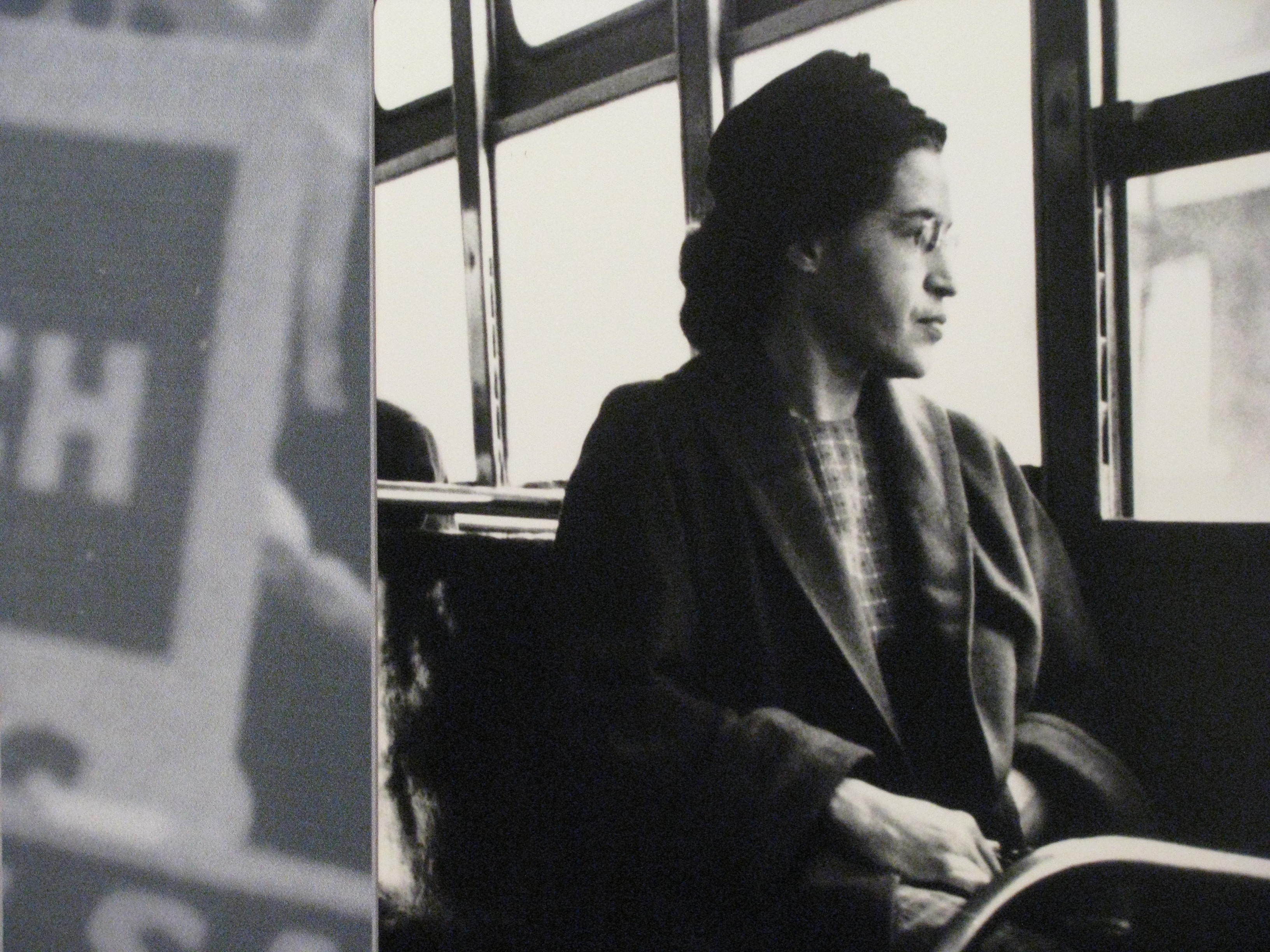
    The actual bus that Rosa Parks rode when refusing to give up her seat to a white passenger is open to sit and ponder. My entrance onto the bus triggered a ceiling light to shine above the third seat in the right hand row where Rosa was seated. As I sat down in the rear, Rosa's voice describing that day could be heard as clear as if she was present still.  

    Rosa parks Rosa parks bus

    I was naturally drawn to the displays that impacted my life as a child such as 1)President Kennedy's limousine that he was riding in when he was fatally shot and 2)Written on a school classroom's chalkboard, instructions to follow during a routine civil defense drill implemented when the Soviet Union began nuclear testing. The drill became as routine as reciting the morning's Pledge of Allegiance.

    President kennedy car Civil defense drill

    The professionally constructed displays at the Henry Ford Museum summarize historical events sensitively with maximum impact. Viewing the impressive preservation of irreplaceable artifacts at this museum triggers memories and a respect for those who played a role in shaping our nation. I highly recommend a visit.


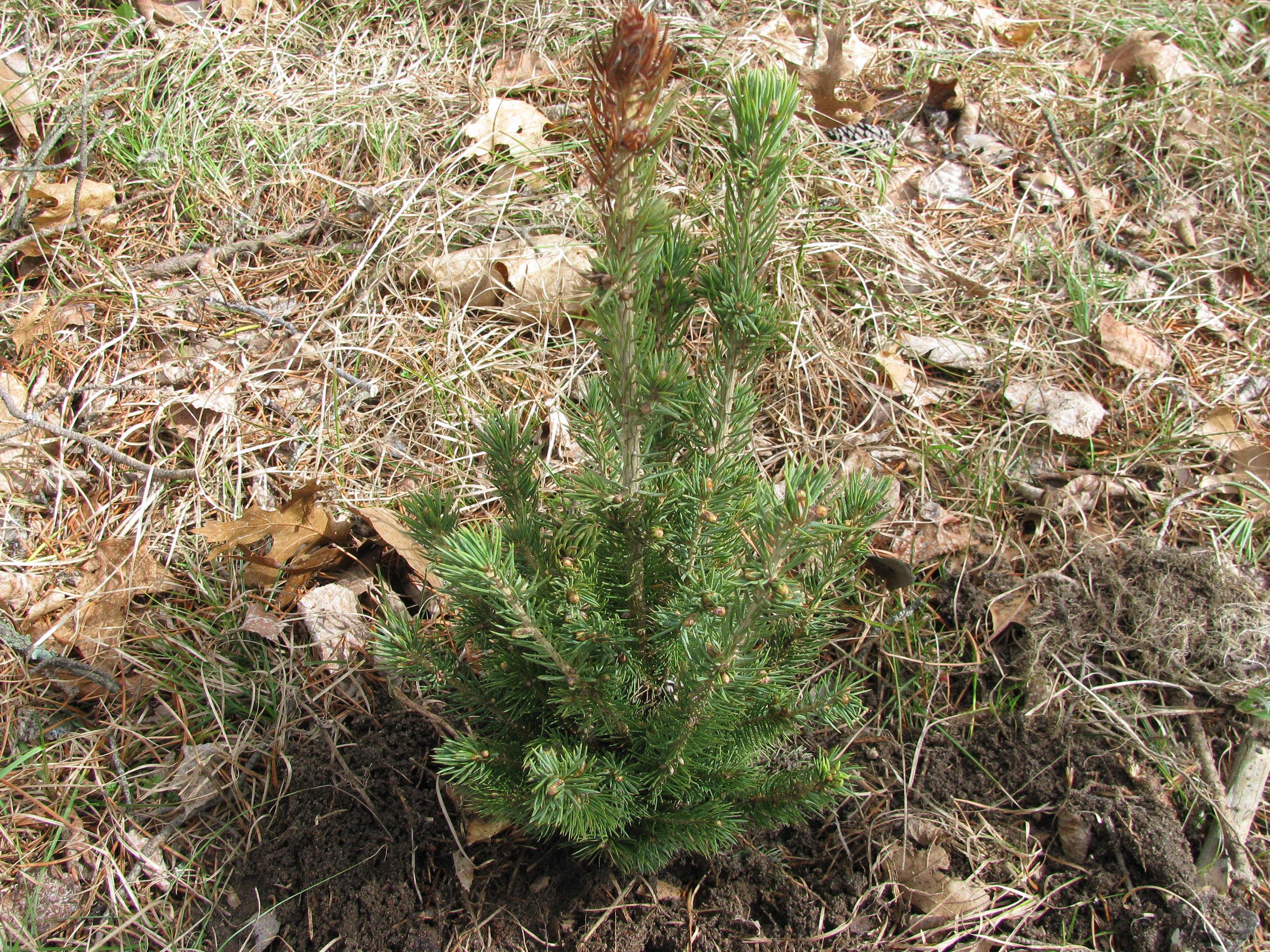
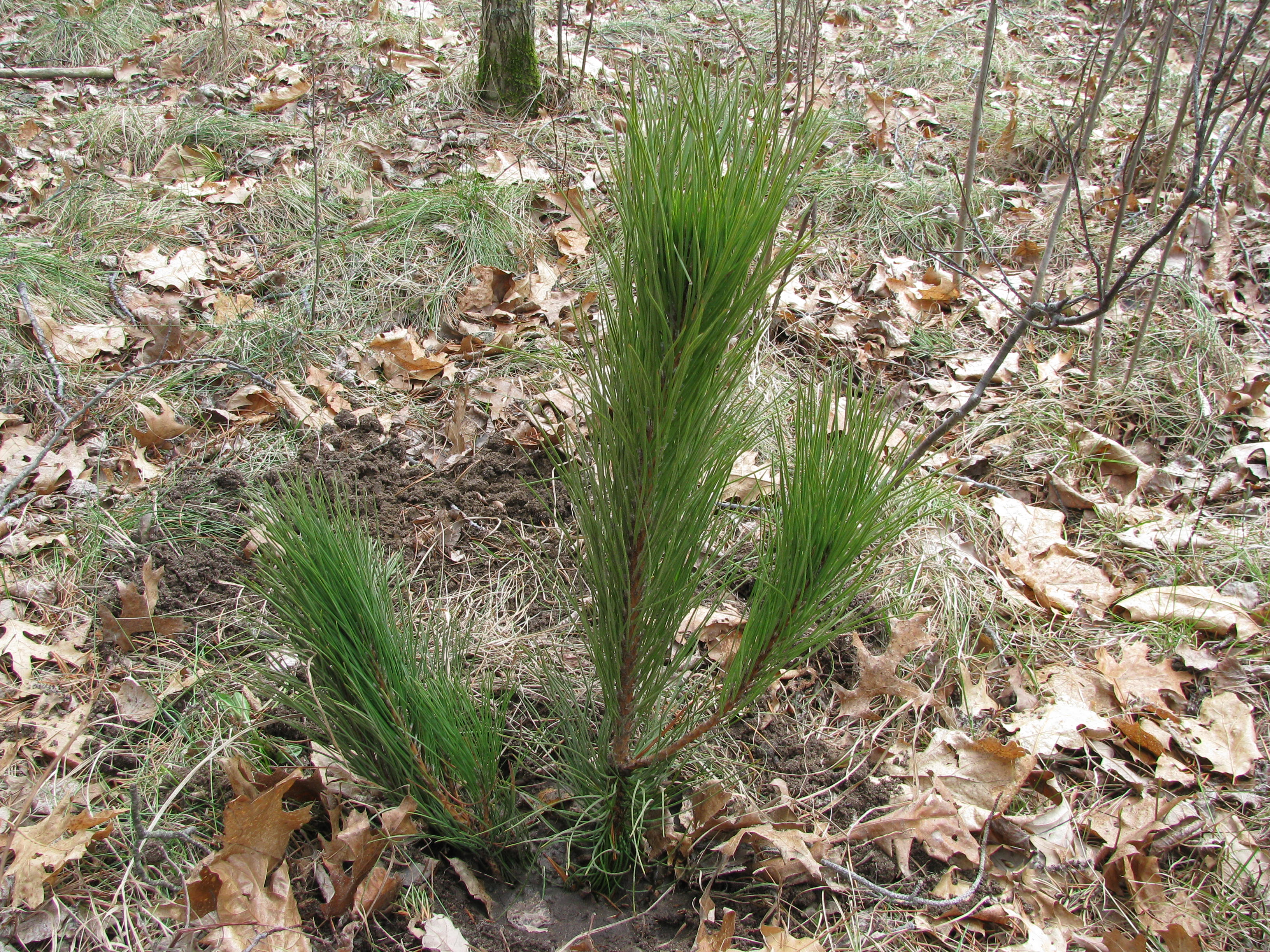
  • In May, Dick and I planted 175 confers.

    Planting conifer Pine tree transplant

    Three different kinds on our 35-acre property.

    Conifer transplant Curly willow transplant

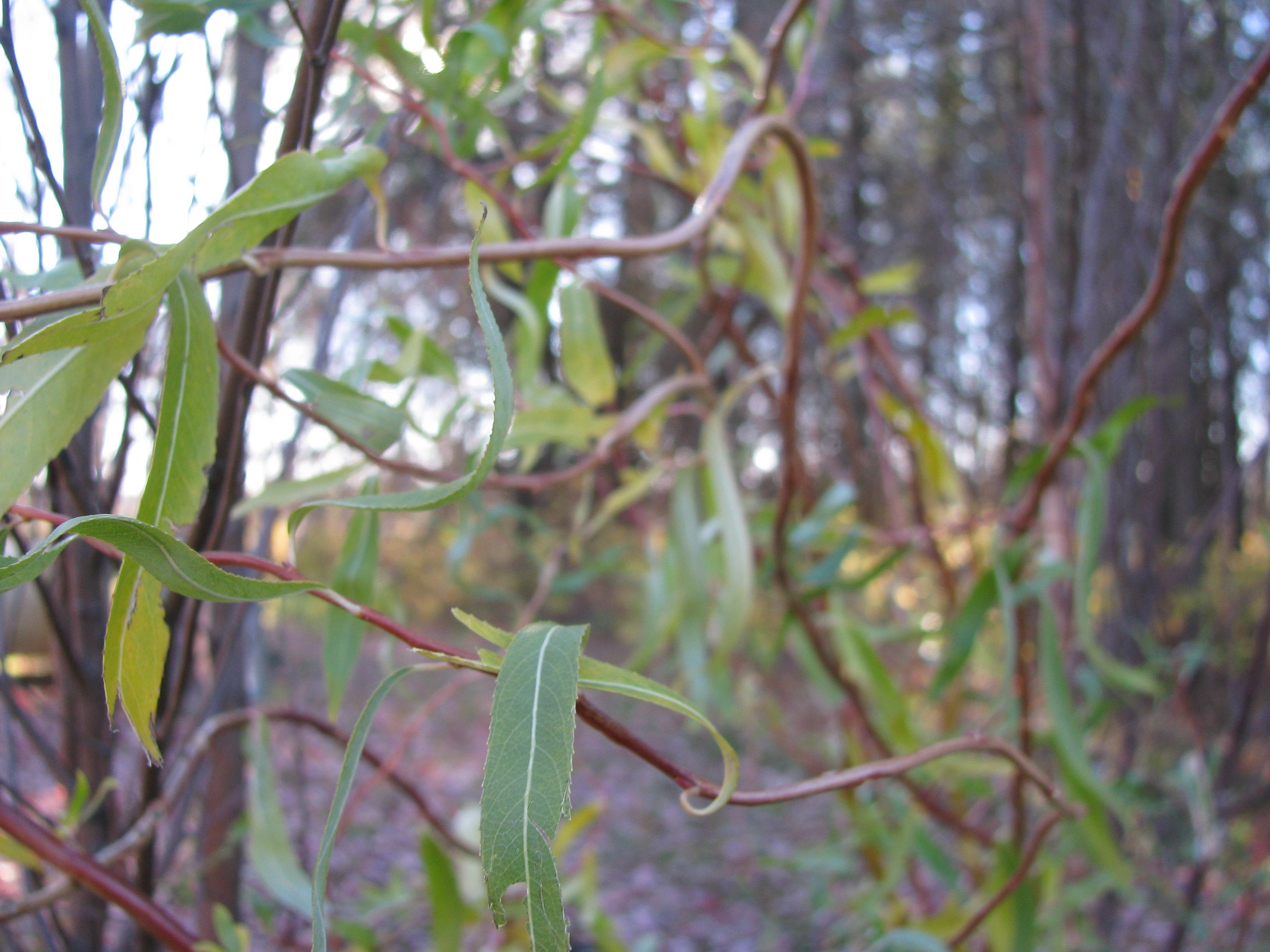
    Then, in October, after harvesting the last of our garden's late season crops, we began to plant again. Three deciduous trees. Larger ones than the conifers. A curly willow (aka corkscrew willow) for landscape interest and cuttings for decorating. According to Organic Gardening's website, "Don't expect curly willow to live for decades; its flame burns quick and bright, perfect if you want a large tree but are unable to wait 50 years." Yes. Perfect. 

    River birch transplant Dick snowy hike in our woods

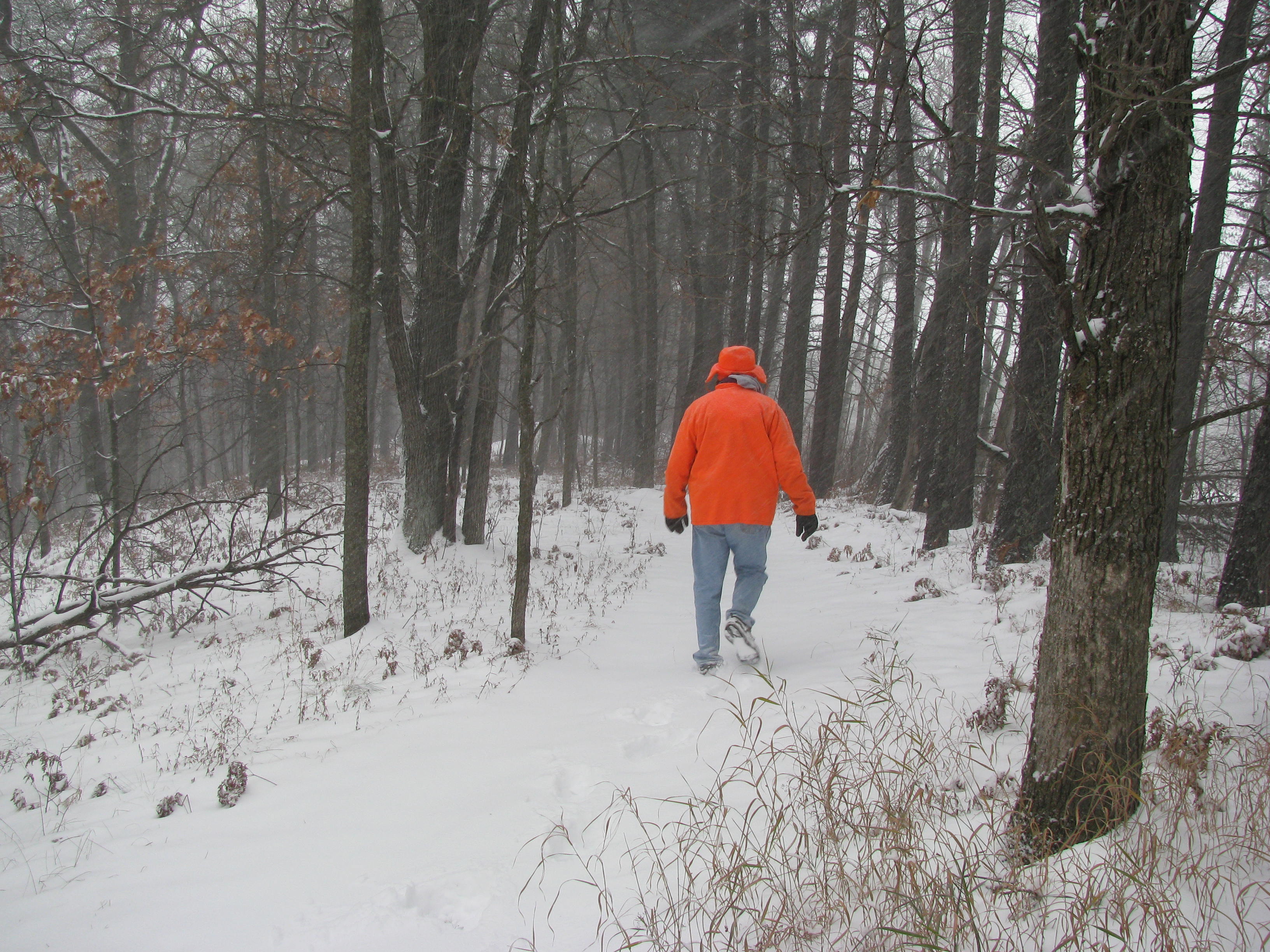
    The snow began to fall and blanket the ground over the roots of one of two river birch that we planted. A mature tree, planted years ago when it was no bigger than this transplant, oversees its growth in the background. On daily walks in our woods, we looked for our little conifers and were proud.

    Snowy fenced garden Snowy cliff chairs

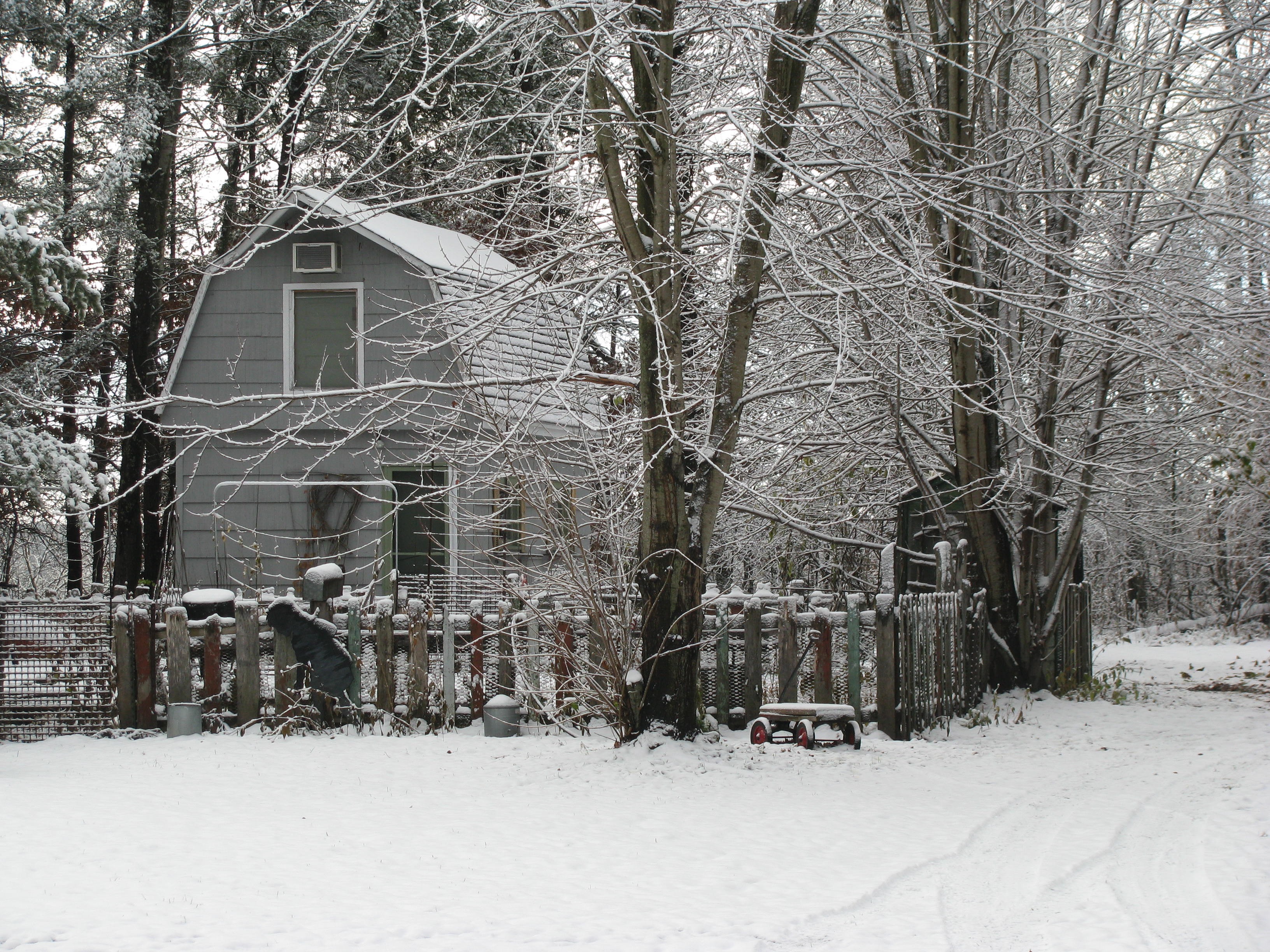
    My fenced garden now slumbers. When the spring thaw melts the snow from our chairs, we will once again sit together to remember where we've been and what we've done then plan what's next.