Whiteley Creek Homestead

LIFE AT THE END OF A DIRT ROAD IN CENTRAL MINNESOTA

organically grown triticale in our field
canoeing in our wetlands
raspberries growing wild on our property
our back porch fieldstone fireplace
  • As far back as my memory takes me, I remember the words of my father. "Make sure there are two or three eyes in each chunk and place them in the row cut side down." He was teaching me how to prepare and plant seed potatoes. We planted many. Enough to carry us through the winter. Now, I do the same in my own garden.

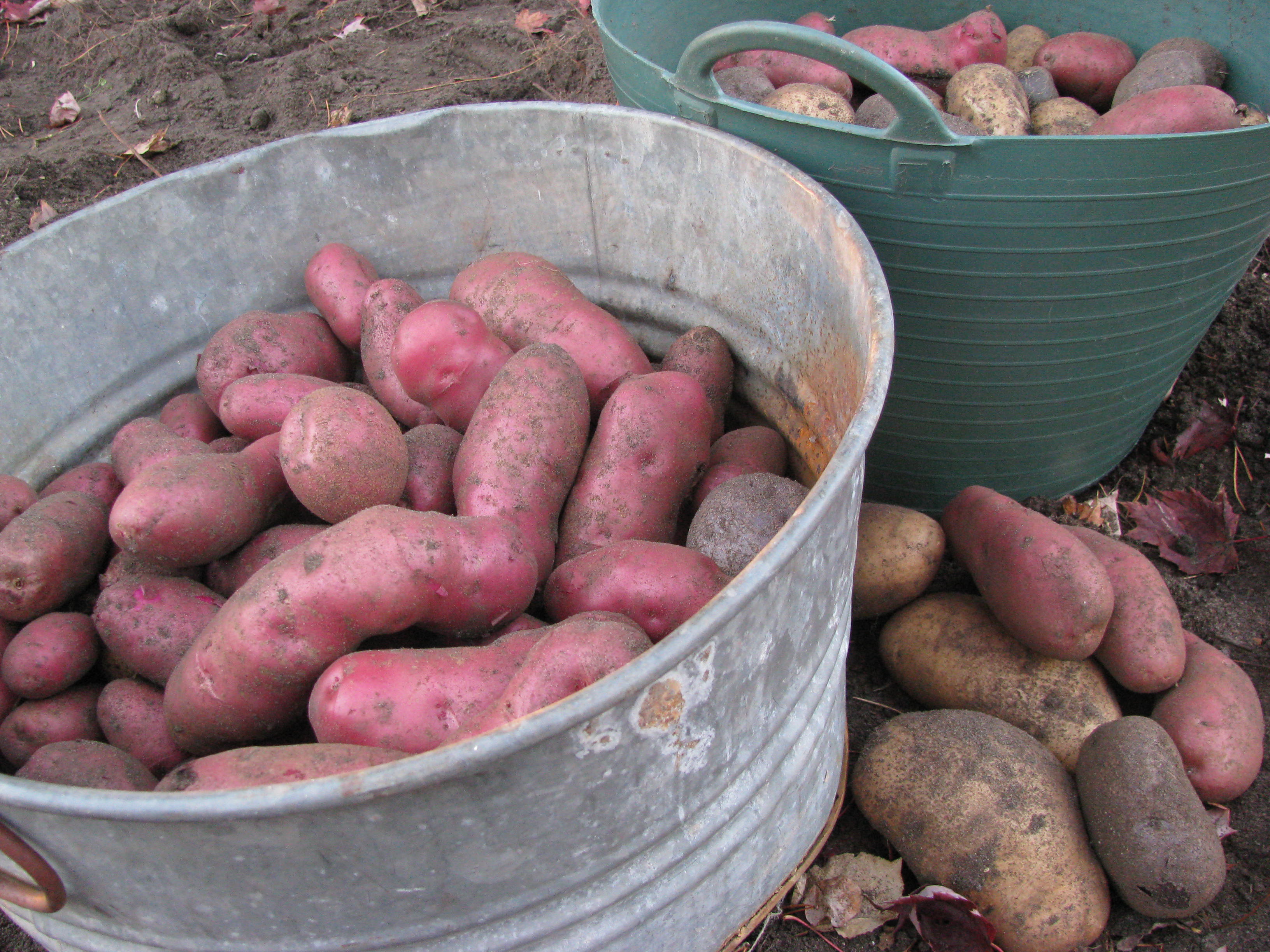
    Potato digging Potatoes dug

    My dad planted all russet potatoes. For varied health benefits, I plant white, purple, and red-skinned varieties. The purple and red have colored flesh, as well.

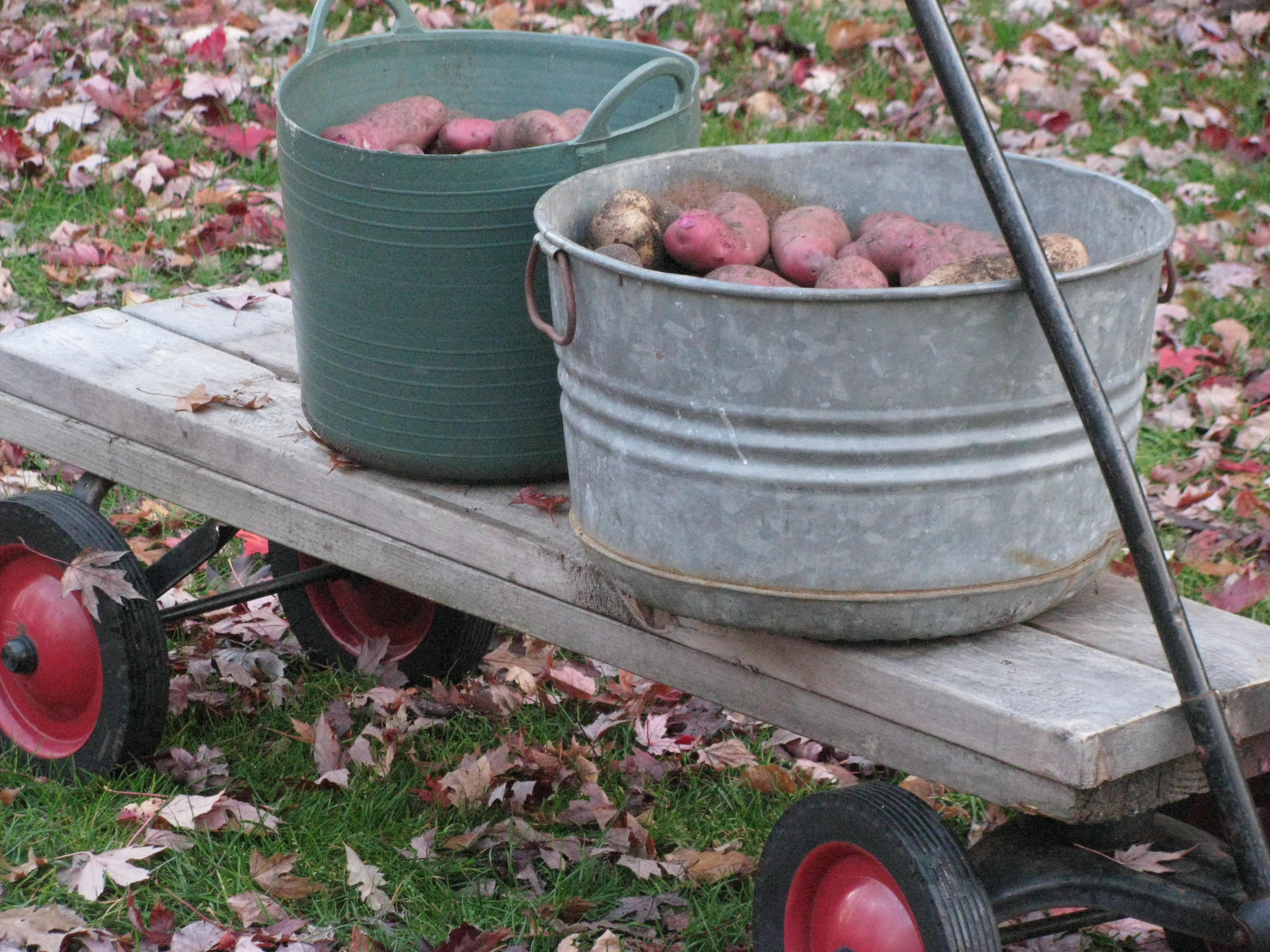
    Potato harvest Potatoes on wagon

    I have no root cellar. I would like one. Until that day, potatoes keep well in the coolness of my porch until the temps fall below freezing. Then, the produce drawers of my fridge are filled. I'm continually incorporating them into meals, so they go quickly. 

    Copy of browning potatoes Pork chop dinner

    For a quick and easy meal, simply brown sliced or cubed potatoes along with bacon, then add sauteed onions and garlic. (I do the onions separately because they tend to make the potatoes soggy and my goal is crispy.) Sprinkle with salt and pepper. Scatter raw shredded cheddar cheese over top to melt. Mashed potatoes smothered in mushroom gravy, a center cut pork chop, and brown sugar sweetened buttercup squash is my favorite meal. The pork I choose to eat comes from central Minnesota's Fox Farm in Browerville which is 60 miles from Brainerd. In September, an interview with the pork producer Laurence Fox was featured in a newsletter from St. Cloud's Good Earth Co-op.

    Fox farm pork

  • Shiitake mushrooms. Meaty texture and flavor. Nutritionally beneficial. Pricey. So, I decided to grow my own on logs. The best time to inoculate is in the spring, therefore on April 23, 2014, I ordered 100 shiitake mushroom mycelium plug spawn. 100 vibrant orange and yellow Chicken of the Woods mushroom plugs, too. From Fungi Perfecti fulfilled through Amazon. Then, life got busy. As the plugs chilled in the fridge to ensure dormancy, the months passed. Tick tock. Tick tock. The final recommended inoculation window "30-45 days before consistently (i.e. 'round the clock) freezing temps set in for the winter" was rapidly approaching. It is now October 24, 2014. Yes, a full 6 months has passed. The urgency that other tasks had held this day, took a backseat to my mushroom project. I got busy.

    Log cutting and stacking Welsummer hen

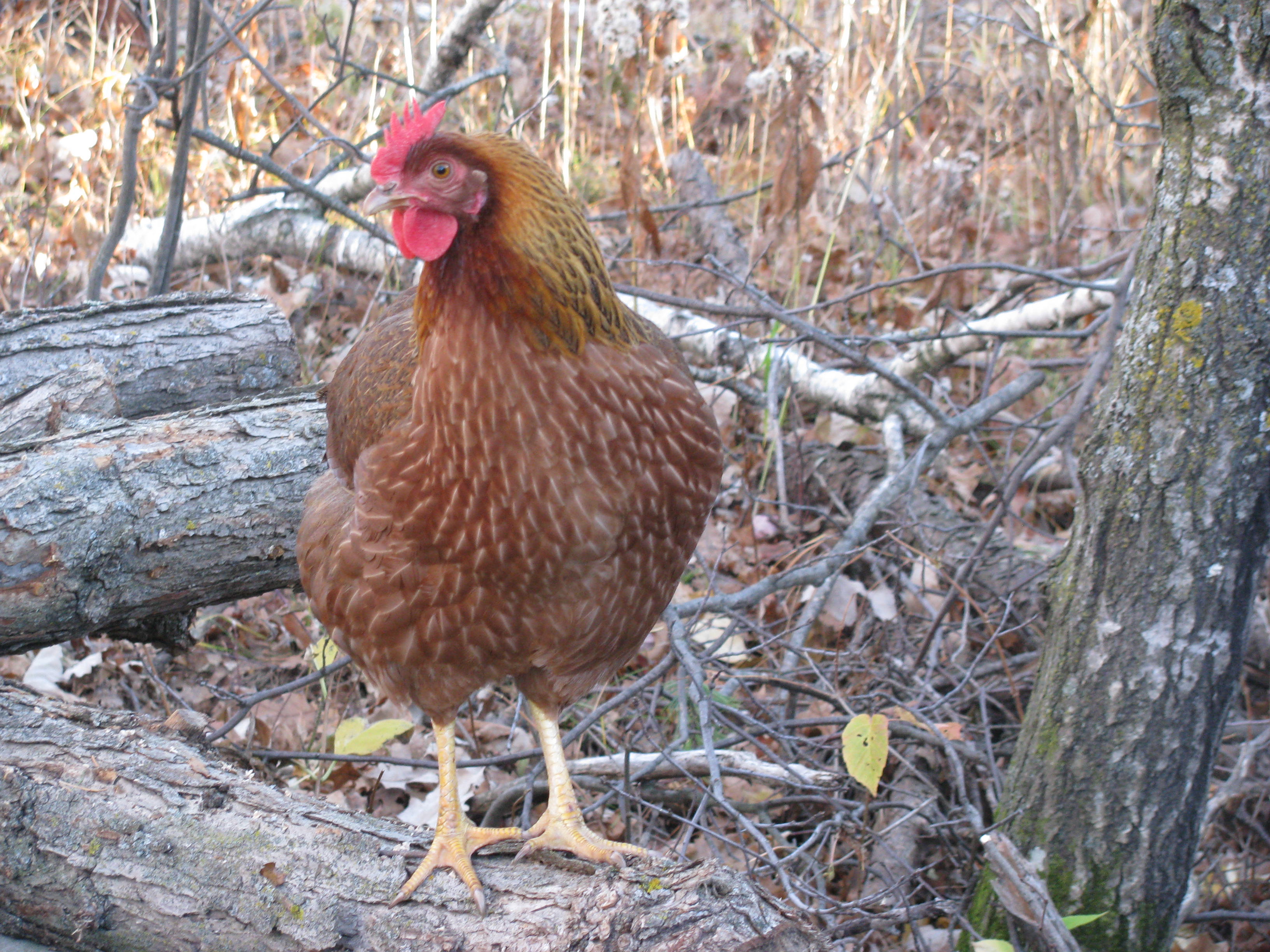
    First, I positioned the four hardwood (oak) logs, that Dick had cut in 3-4 foot lengths several weeks ago, to allow time for the "anti-fungal compounds that trees naturally produce to degrade," in a crosshatch pattern to encourage air flow. One of my Welsummer hens, perched atop one of the logs, observed me curiously as I worked.

    Metal bit collar Tape bit collar

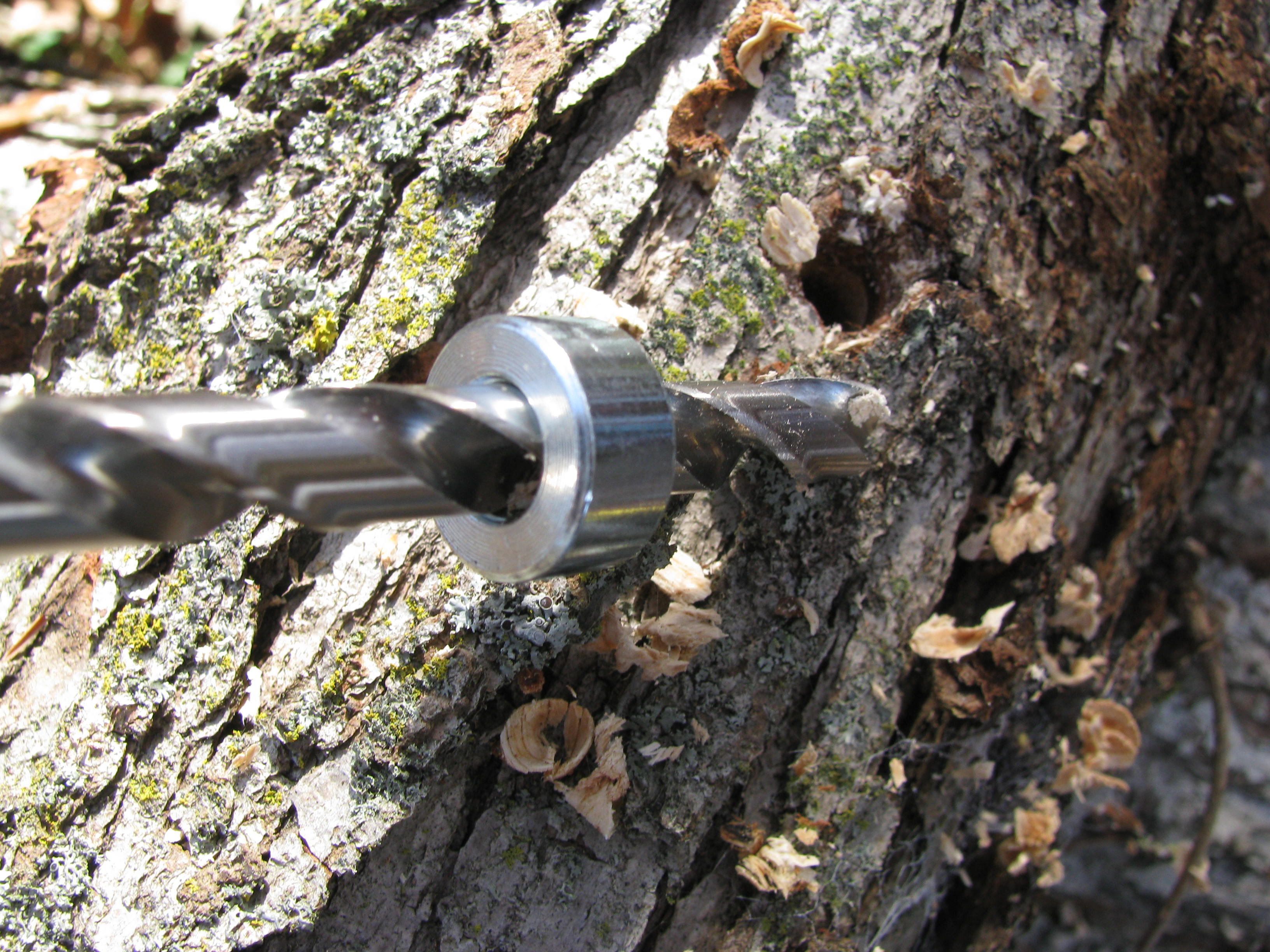
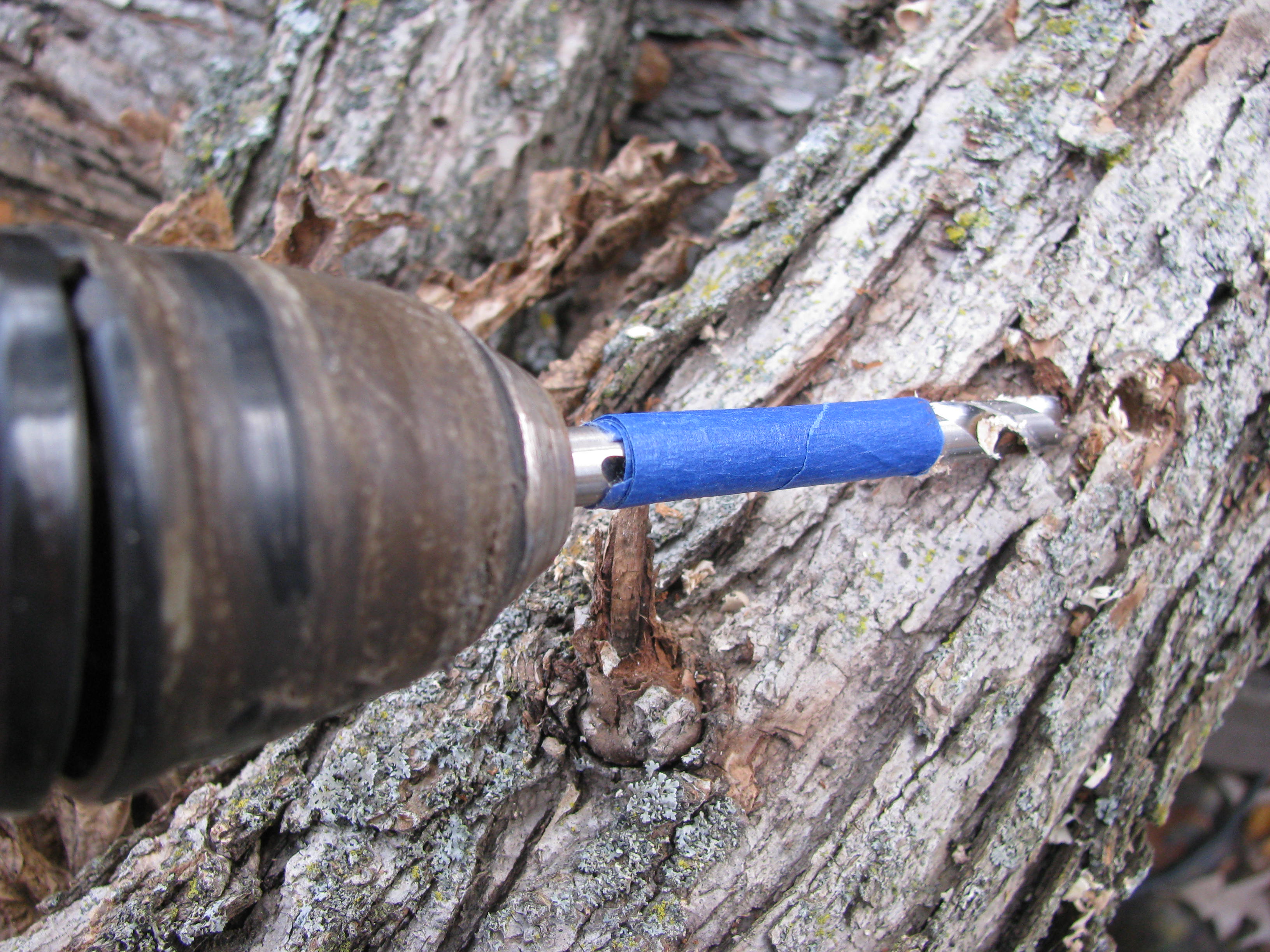
    Independently gathering plug spawn insertion supplies is an option, but I chose to order a kit that included a 5/16" drill bit with a stop collar, rubber mallet, 1 lb soy-based sealing wax, and a 1" wax application brush. As I began to drill the "2-inch deep holes no more than 4 inches apart, evenly spaced in a diamond pattern along the length and around the full circumference of the logs," the drill bit's stop collar kept slipping, so I subbed a strip of painters' masking tape wrapped around the bit.

    Rubber mallet Melting soy wax

    After gently pounding a mushroom plug into each drilled opening, I heated the wax over low heat provided by an electric burner set atop a cement block.

    Wax plug seal Chicken of the woods mushroom

    According to the Fungi Perfecti website, "Holes can be sealed with cheese wax or beeswax (or the soy-based wax that is included in the company's plug spawn kit) to protect the mycelium from weather and insects while it is growing; although this step can be helpful, it is not absolutely necessary." My decision to seal the holes is, optimistically speaking, my insurance policy against this autumn's sudden cold temperatures. Remember, it is recommended that logs be inoculated 30-45 days before consistent day and night freezing temps set in. "The idea is to allow the mushroom mycelium growing on the plug spawn time to establish itself in its new home before it goes into dormancy over the winter." (Source: http://www.fungi.com) It is October 25, 2014 as I finish colonizing my logs. The high and low temps here in Brainerd, Minnesota are 57/35. On 10-26, 61/25. 10-27, 50/37. 10-28, 41/35. 10-29, 37/33. 10-30, 39/28. 10-31, 37/21. Are you beginning to see the slippery slope? In ten more days, on November 10, the temps takes a serious dip to 21/19. 11-13, 19/10. 11-14, 19/1. 11-15, 19/-4. 11-20, 14/-5. 11-27, 6/-9. I will provide a mushroom growth success rate update after winter's thaw progresses into spring and summer's warmth. Note: The final photo in this post is a chicken of the woods mushroom that happily made its home on a tree down a wooded trail on our property. It fueled my desire to inoculate logs with this species so that I may cause walks in our woods to be even more beautiful. It is recommended that softwoods (i.e. douglas fir) be used when inoculating chicken of the woods mushrooms, however this species grows wild on oak trees in our woods, therefore I used oak logs. This whole mushroom growing project has turned out to be an experiment. A wait-and-see game. But, isn't that what makes life fun? The here-and-now coupled with the anticipation of what's to come.

  • I did not know. Until now. There is an international grassroots movement to fight hunger called The Empty Bowl Project. Adult potters from the community and students from local schools craft bowls hand-thrown on a potters wheel or more free-form by manipulating the clay in their hands. Restaurant owners prepare pots of soup. Community members are invited for a simple meal of soup and bread. Money raised supports hunger relief organizations. Event attendees keep the bowls as a reminder of the empty bowls in the world. What a beneficial, impactful, symbolic event!

    Empty bowls displayed Empty bowls selection

    At the gymnasium door of the former Franklin Junior High School in Brainerd (Minnesota), which is now the Franklin Arts Center, each person purchased a ticket for $20.00 which allowed you to choose a bowl then have it filled with soup. So many tables laden with bowls… a reflection of the community's support of this project. So many colors and shapes to select from. I settled on one that had a wintery feel. Soup and winter… a perfect pairing.

    Empty bowl filled Empty bowls logo

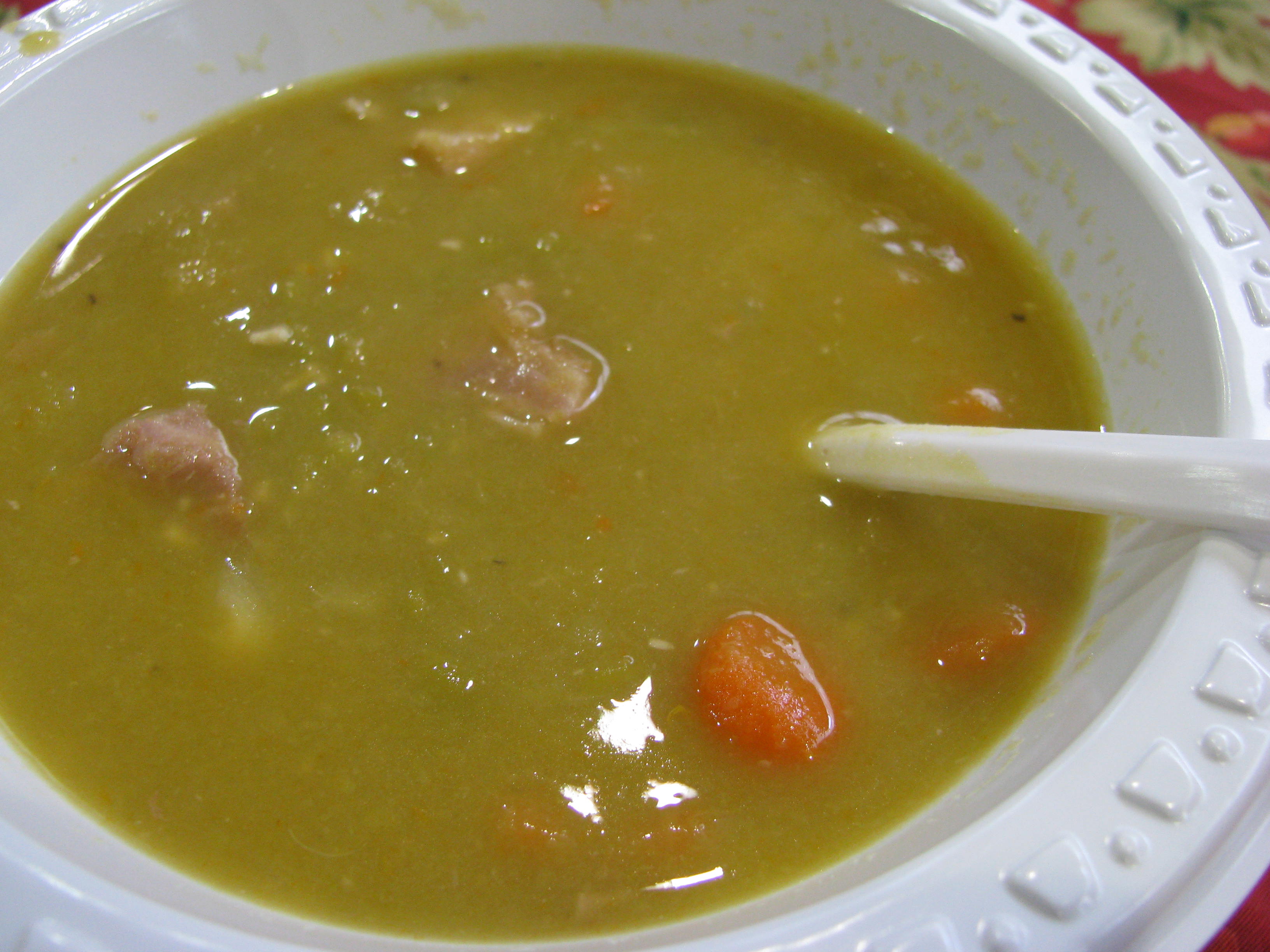
    There were four pots with a different kind of soup in each one. Standing in line, there was chatter about soup choices. "Lobster bisque," I kept hearing. But, when I saw the split pea soup, I knew that would be my choice. I remember that in my family of twelve children, we ate it a lot. It wasn't until I had a family of my own to care for, that I realized how little a pot of split pea soup cost to make and how far it stretched. Considering this was an event to bring to light the plight of hunger in our world, I shouldn't be eating lobster bisque. Thank you to the potters, chefs, and peripheral volunteers that made this event happen. The money raised will benefit Brainerd's Sharing Bread Soup Kitchen. Thank you to Lea Anderson, an art teacher at Forestview Middle School, who created my bowl and Valerie from the Merrifield Diner who prepared the flavorful split pea soup that filled my empty bowl. "As our bowls are filled, let us remember those that remain empty." (Empty Bowls Project)

  • The inspiration for my birthday cupcakes this year was birthed several years ago when my sister-in-law's sister, Gloria, served jumbo vegan chocolate cupcakes from French Meadow Bakery at a baby shower she hosted for my great niece, Whitney. Whenever Dick and I are in Minneapolis, we often drop by the bakery for this special treat, but, in the interim, I now have a stand-in. Chocolate Beet Cupcakes with Cream Cheese Frosting, a recipe from Prevention Magazine October 2014 pp. 130-131. I wasn't able to do a side-by-side taste comparison, but I think these are a close match to the dense, hearty, substantial French Meadow ones that I love so much.       
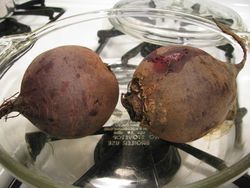
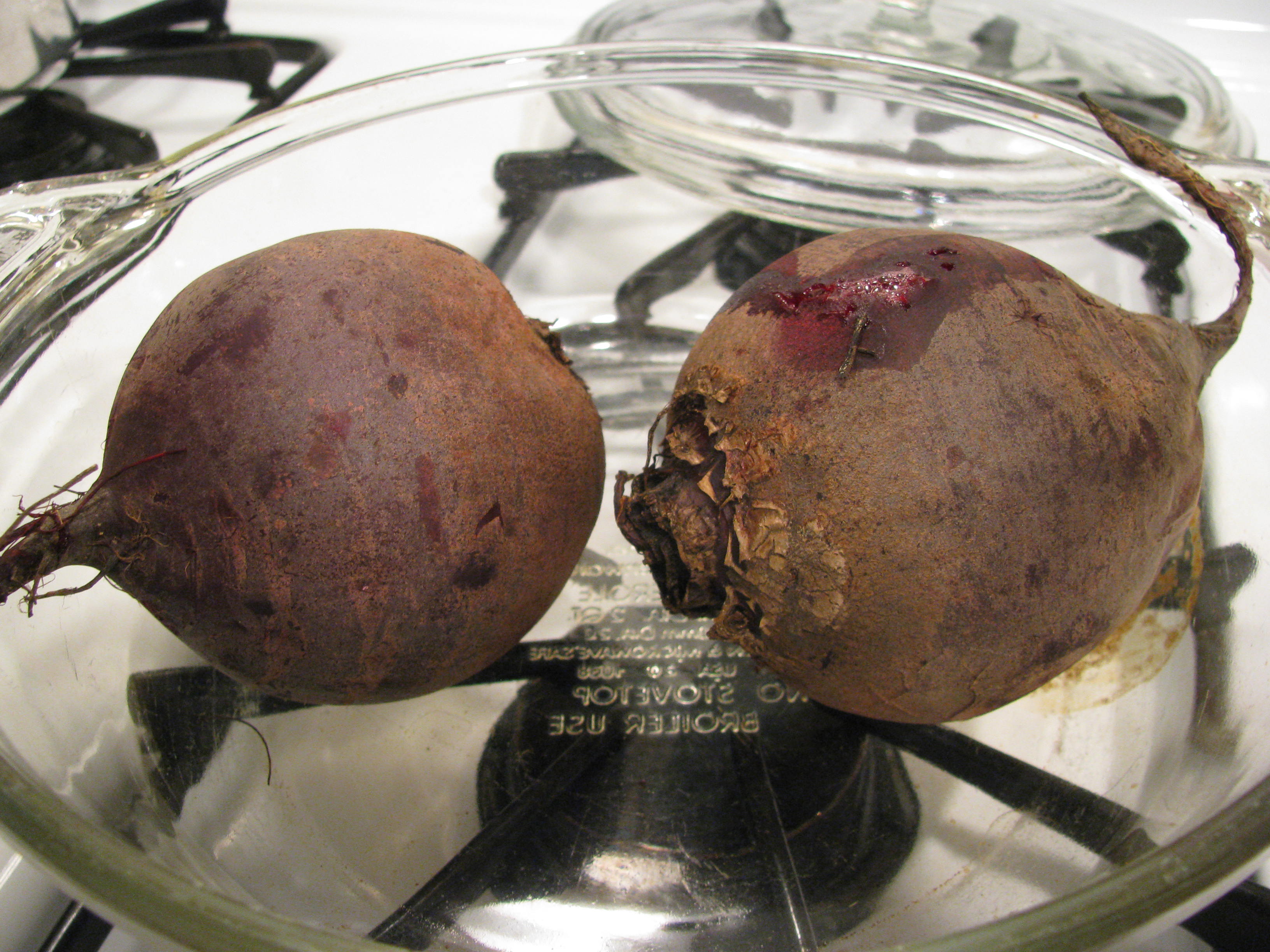
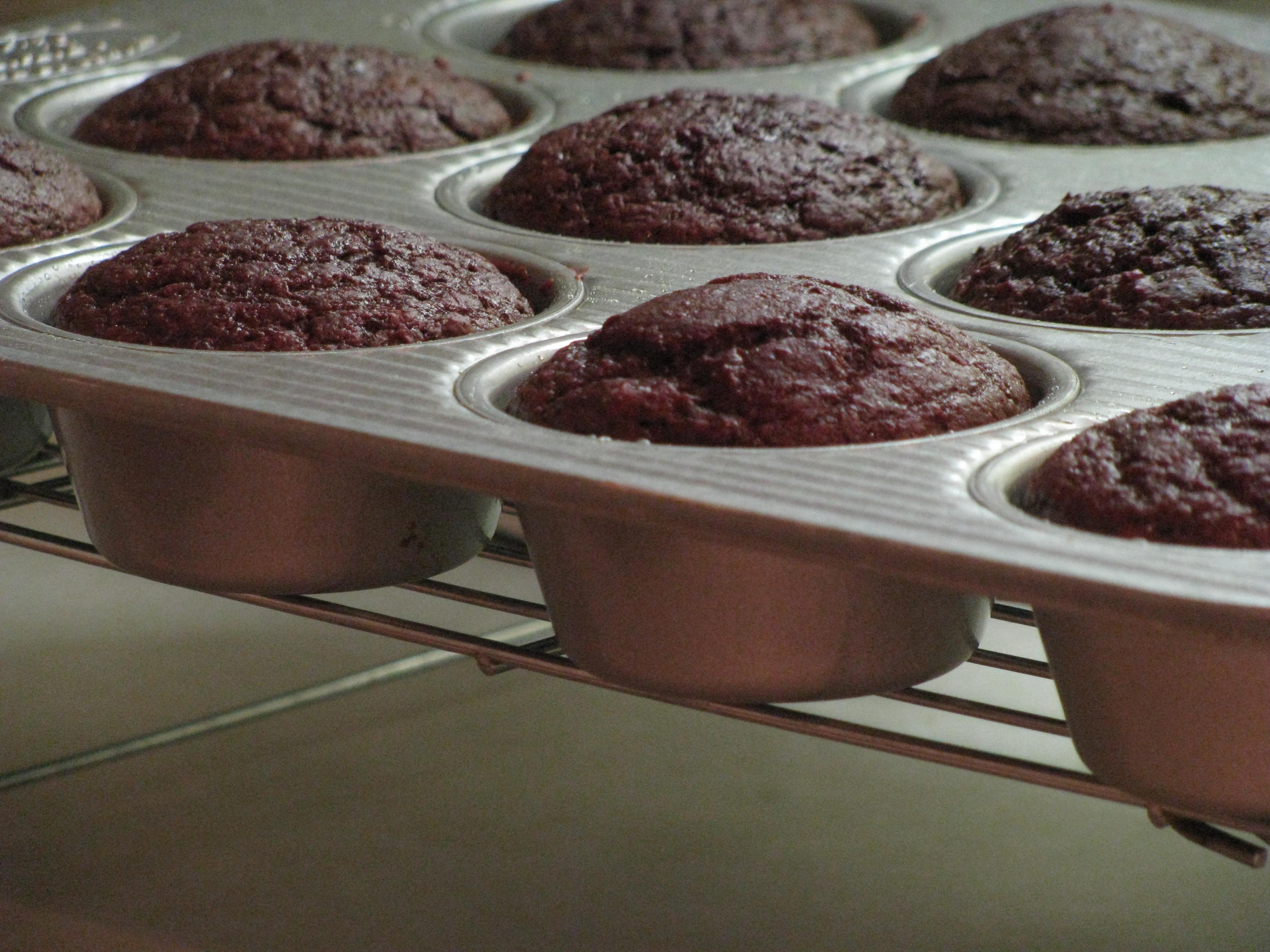
    Beets roasted Beet cupcakes baked

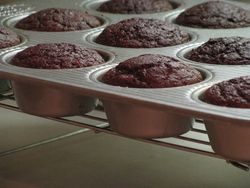
    (Left photo) Keep in mind that the beets require roasting, cooling, peeling, and pureeing. Not a huge effort expenditure, just advance prep. (Right photo) A happy day for a baker is when, upon peering through the oven door, cupcakes rise to form perfect mounds and post baking do not collapse in the middle… (photo below) thus providing a perfect foundation for lovely frosting tinted pink with beets.

    Beet cupcakes frosted

    Chocolate Beet Cupcakes with Cream Cheese Frosting

    Makes 12.

    CUPCAKES

    1 ¼ cups unbleached cake flour

    1 cup sugar (I used ½ cup. Perfect.)

    ½ cup unsweetened cocoa powder (I used 1/3 cup to offset the reduced sugar.)

    ¾ tsp baking soda

    ½ tsp baking powder

    ¼ tsp salt

    ¾ cup puréed cooked beets plus 1 tbsp for frosting

    2 tbsp safflower oil (I subbed coconut oil.)

    1 large egg

    ½ tsp vanilla

    ¾ cup (whole) buttermilk

    FROSTING (See note below.)

    2 cups powdered sugar

    4 oz reduced-fat (Neufchatel) cream cheese, room temperature

    ¼ cup unsalted butter, room temperature

    ½ tsp vanilla

    1 tbsp beet purée (I think I used 1 tsp. It requires very little to tint the frosting.)

    Note: For the frosting, I reduced all quantities by half, omitted the cream cheese, and slowly added a scant 1 ½ tsp whole milk, cream or half & half until spreadable consistency is achieved.

    Roast beets* and purée with a little water in a food processor or blender until smooth. Heat oven to 350°. Line 12-cup muffin pan with paper liners. Sift flour, sugar, cocoa, baking soda, baking powder, and salt in large bowl. Whisk beet purée, oil, egg, vanilla, and buttermilk together in small bowl. Stir in dry ingredients until combined. (Don’t overmix.) Divide among 12 paper liners. (I think I filled 9, maybe 10.) Bake until wooden pick inserted in center comes out clean, about 16 minutes. Cool completely. To make frosting, beat ingredients until smooth and fluffy. Spread over cupcakes.  

    *"Roasting beets is the preferred method for cooking beets. It not only preserves the flavor, it also enhances color and provides the best texture." (Clean Eating Magazine Nov/Dec 2009) To roast beets, remove the leaves keeping about 1 inch of the stem to prevent the beet from losing its juices and drying out during roasting. Wash the beets in cold water being careful not to tear the skin. Arrange beets in the center of a large piece of foil. Drizzle with a little olive oil, then wrap the foil around the beets folding the edges closed. (I used a covered casserole dish instead of aluminum foil and rubbed the beets’ skin with the oil.) Roast at 400°F until the beets are very tender, about 45 minutes. Time will vary depending on the size of the beets. After coating your fingers in olive oil to prevent staining, gently remove the skins from the beets with a sharp knife; the skins should slip off easily. Cut off the stems and bottoms. 

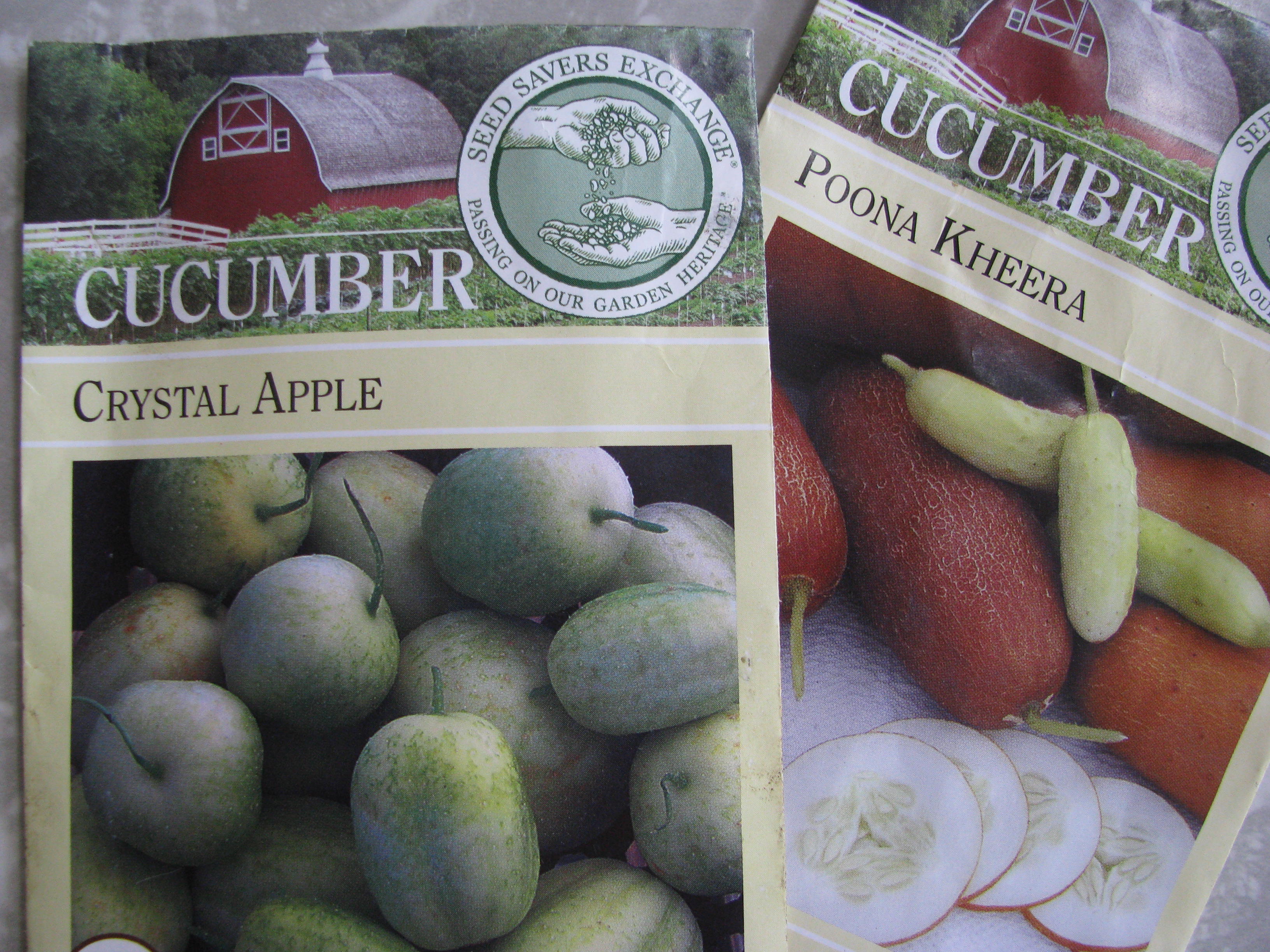
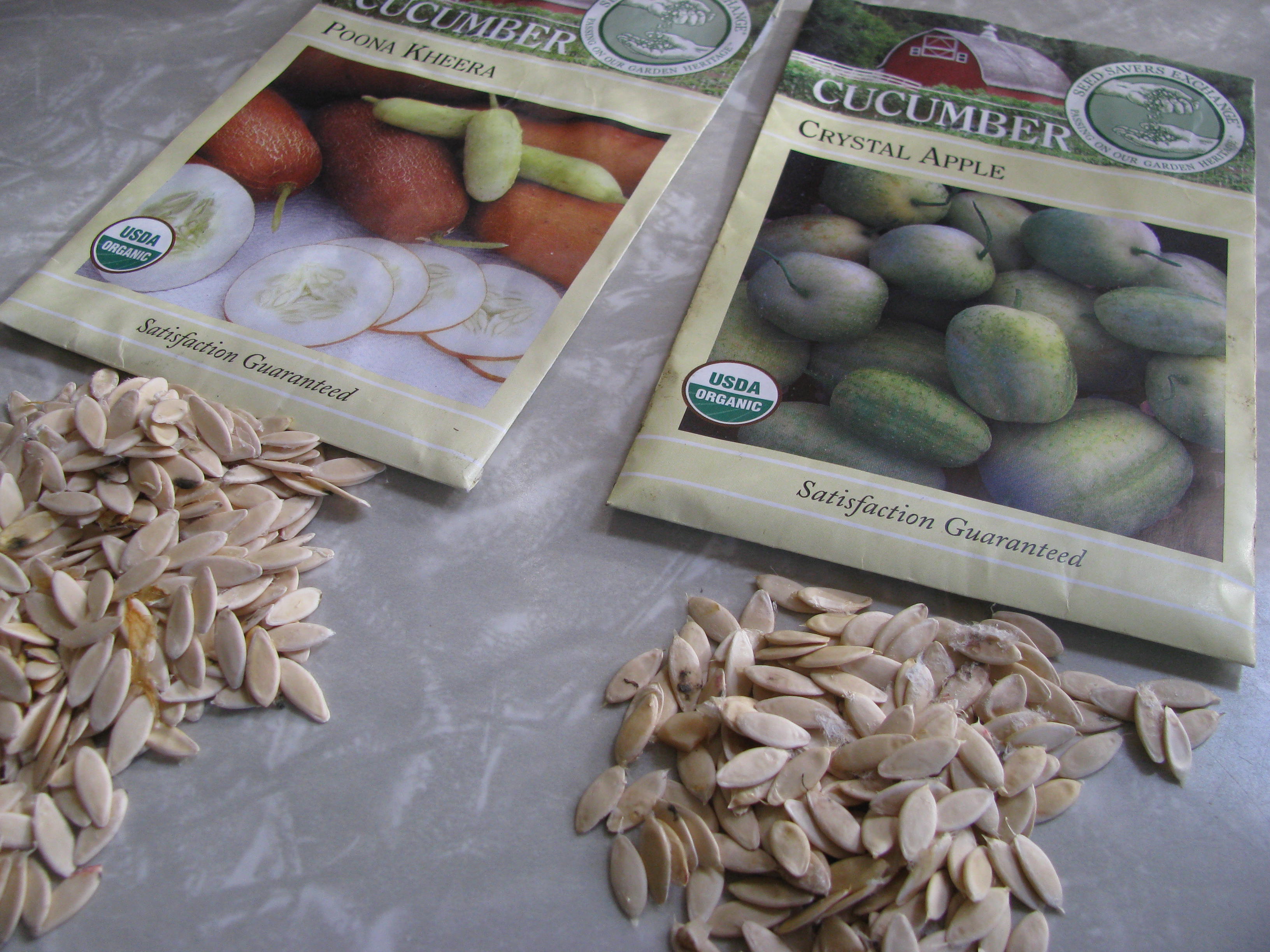
  • As I began my fall garden cleanup today, my mind drifted back to May when my garden soil was still cool from the spring thaw. Not yet warm enough to direct-sow the heirloom "Crystal Apple" and "Poona Kheera" cucumber seeds that I had purchased at Seed Savers Exchange during our visit to Decorah, Iowa earlier in the month. In the warmth of my little greenhouse, however, they had sprouted and were awaiting their home in the garden.

    Heirloom cuke seed packets Heirloom cuke seedlings

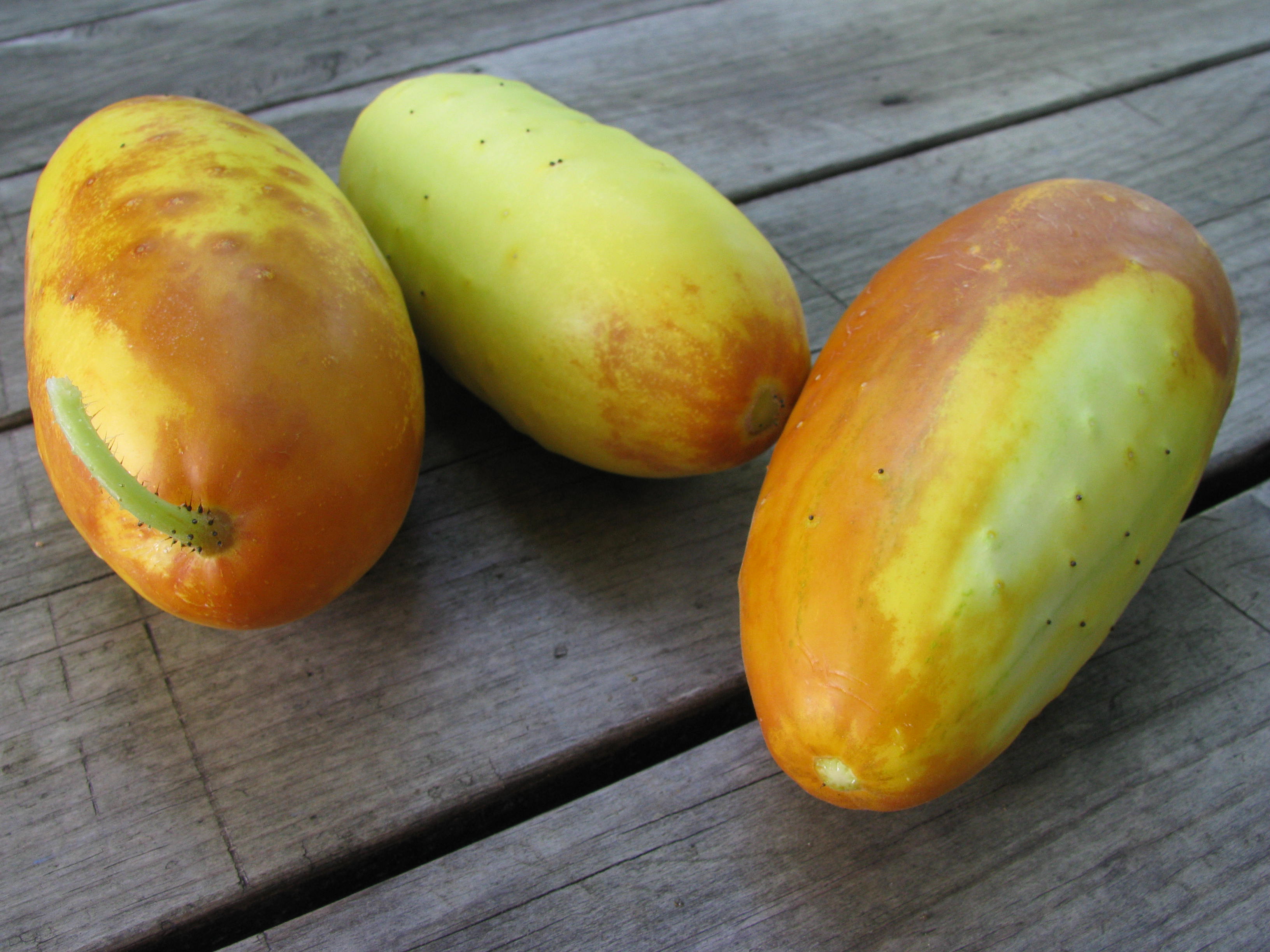
    Supported by the natural arch of concrete reinforcement wire, the cucumber vines happily grew and blossomed during June's warmth. Until cucumbers began to form.

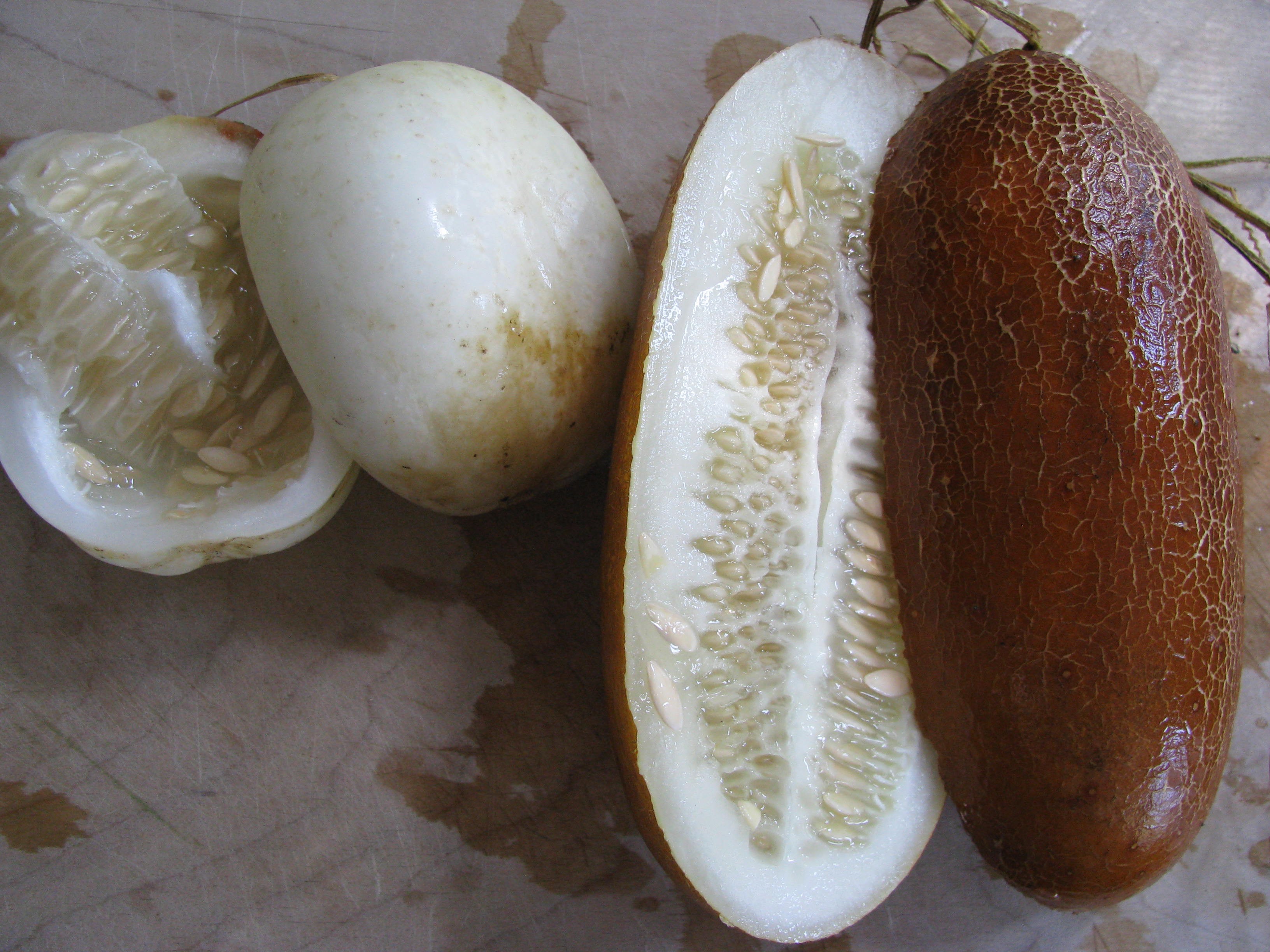
    Poona kheera cuke Crystal apple cuke

    The seeds that I scooped and dried from just two cucumbers will provide next season's planting.

    Heirloom cuke seeds Cuke seed saving

    A complete life cycle. To witness the gradual transformation from seed to vegetable… it's nothing short of a miracle.


  • We coordinated our Seed Savers Exchange outing with a Saturday morning farmers market in Decorah, Iowa. It was the first day of the Winneshiek Farmers Market's 2014 spring season. My eyes fell upon pots handmade by Jeff Scott, owner of Driftless Gardens, which is a full service organic garden and landscaping business in Decorah. They are much like newspaper pots but use layers of tan Kraft paper wrapped in hand-carved, wood block printed labels. Jeff's academic background in studio art is evident. The large pots displayed behind the paper pots are sewn from fabric made of recycled plastic. Instant love. I bought one of each style pot.
    Decorah iowa farmers market

    There are two destinations that I seek out as we traverse the state and country. Farmers markets and food co-ops. To restock our camper's fridge and pantry. Plan to stop at the Oneota Community Food Co-op's Water Street Cafe in downtown Decorah for a meal or two or three. Amazing from-scratch, organic fare. Abundant produce and grocery offerings.

  • An article in a July/August 2012 issue of Natural Home & Garden Magazine "planted the seed."

    SSE natural home and garden mag

    I knew that one day I would visit Seed Savers Exchange in Decorah, Iowa. Then, one day came. Dick and I spent an afternoon and a day on this first weekend in May 2014 at SSE's annual spring plant sale.

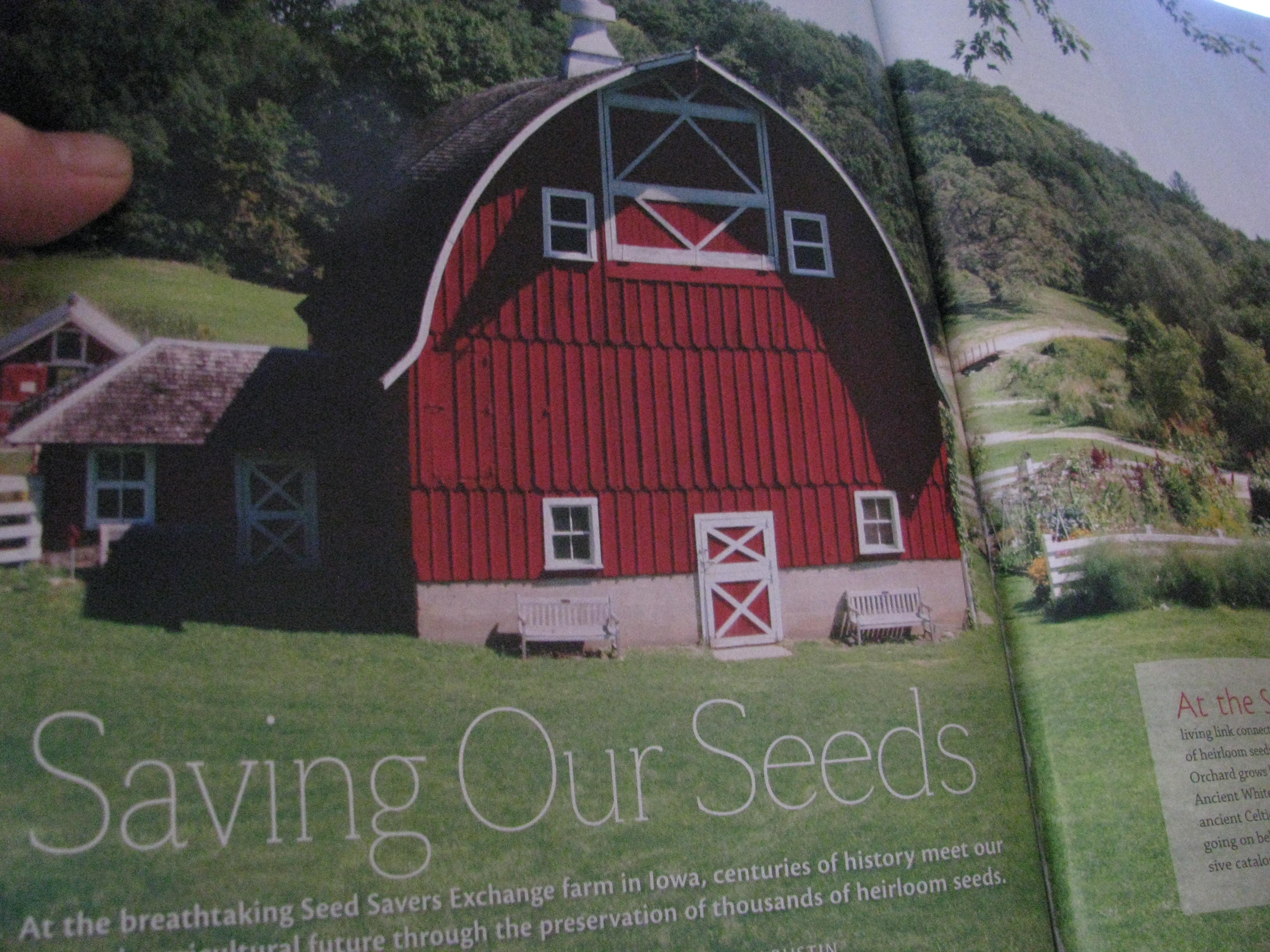
    SSE barn + visitors center SSE history + mission

    Saving seeds. This is the heartbeat of Seed Savers Exchange in Decorah, Iowa. Why is it important? To honor the farmers and home gardeners who came before us and to pass biodiverse sustenance on to future generations. Seeds… Heirloom. Open Pollinated. Hybrid. Important terms to understand. Click on the welcome sign photo above to read an explanation of the terms as well as SSE's history and mission.

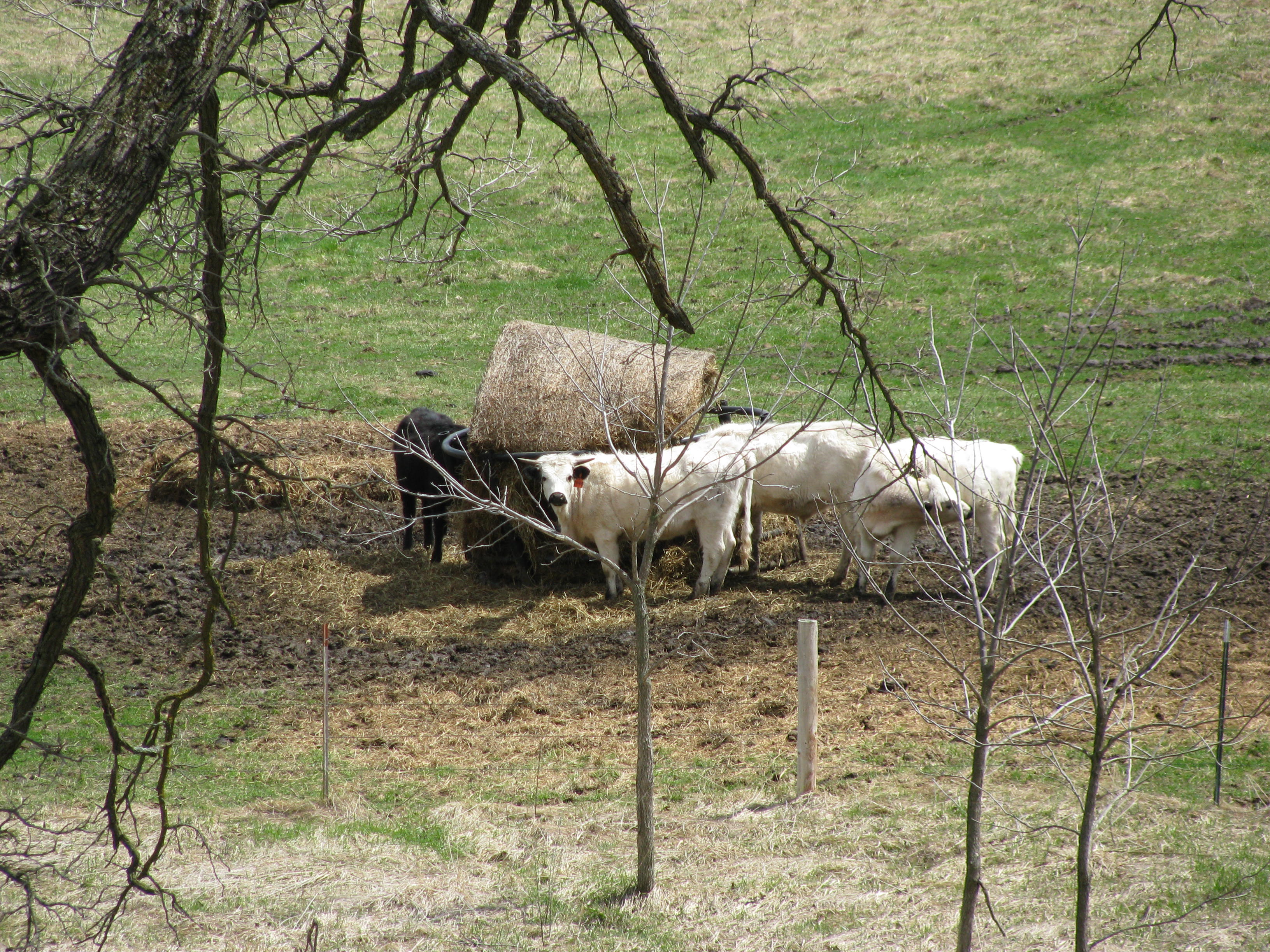
    After purchasing seeds and transplants, we explored a little corner of SSE's 890-acre Heritage Farm. Rolling hills and rock cliffs. Crystal clear trout stream. Meandering hiking trails. One trail led us past Ancient White Park Cattle which is a rare breed that SSE is nurturing back from near extinction. They are white with black eyes and distinctive black coloring on their nose, hooves, teats, horn tips, and inside their ears.  

    SSE hiking trail SSE heritage cattle

    When we desired rest as we hiked, this lovely weathered bench beckoned.

    SSE heritage farm bench

    Mark your calendar and plan to attend SSE's 34th Annual Conference & Campout July 18-20, 2014. An impressive line-up of keynote speakers include "Bryan Welch, the publisher of Mother Earth News and other Ogden publications, who will talk about the importance of seed saving in the back-to-the-land movement; Cornell University geneticist Susan McCouch will discuss plant breeding for stress-prone environments and changing climate; Virginia Nazarea from the University of Georgia will speak about the importance of place and stories in seed saving and sharing; and Andrew Still and Sarah Kleeger of Adaptive Seeds in Sweet Home, Oregon will talk about seed stewardship and their work with the Seed Ambassadors Project. A full schedule of workshops run the gamut – from seed saving to cooking to forming a seed library – to give you the skills you need for improving your garding and seed saving practices. Throw in good food, lively entertainment, a chance to meet old friends and new, and you have the fixings for a great weekend." (Info source: SSE Conference & Campout Brochure) Visit http://www.seedsavers.org to learn more.

    Decorah has so much to offer. SSE. The landscape. Its college town vibe. But that is a story to tell of another day. Tomorrow.


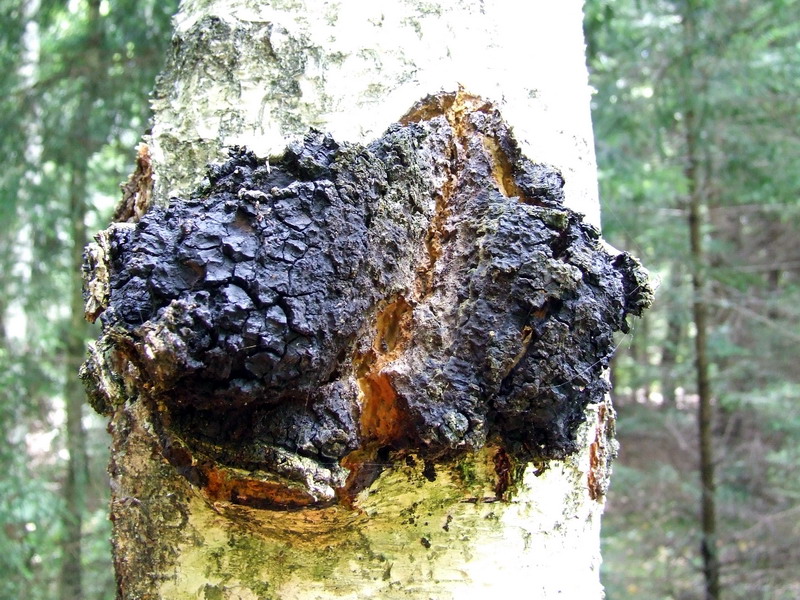
  • Dick was reading ArbLIFE Spring 2014, a publication that we receive in the mail through our Northland Arboretum membership. (The Northland Arboretum is a 583-acre nature preserve located within the city limits of Brainerd/Baxter. It is the site of a former 40-acre landfill that closed in 1972.) He showed me an article titled, "A Fungus Among Us… Can it be a Cure for Cancer?" This wood decaying mushroom species, that is found on birch and other trees in cold climates, is the chaga mushroom. (Photo source: wikimedia.org)

    Chaga mushroom

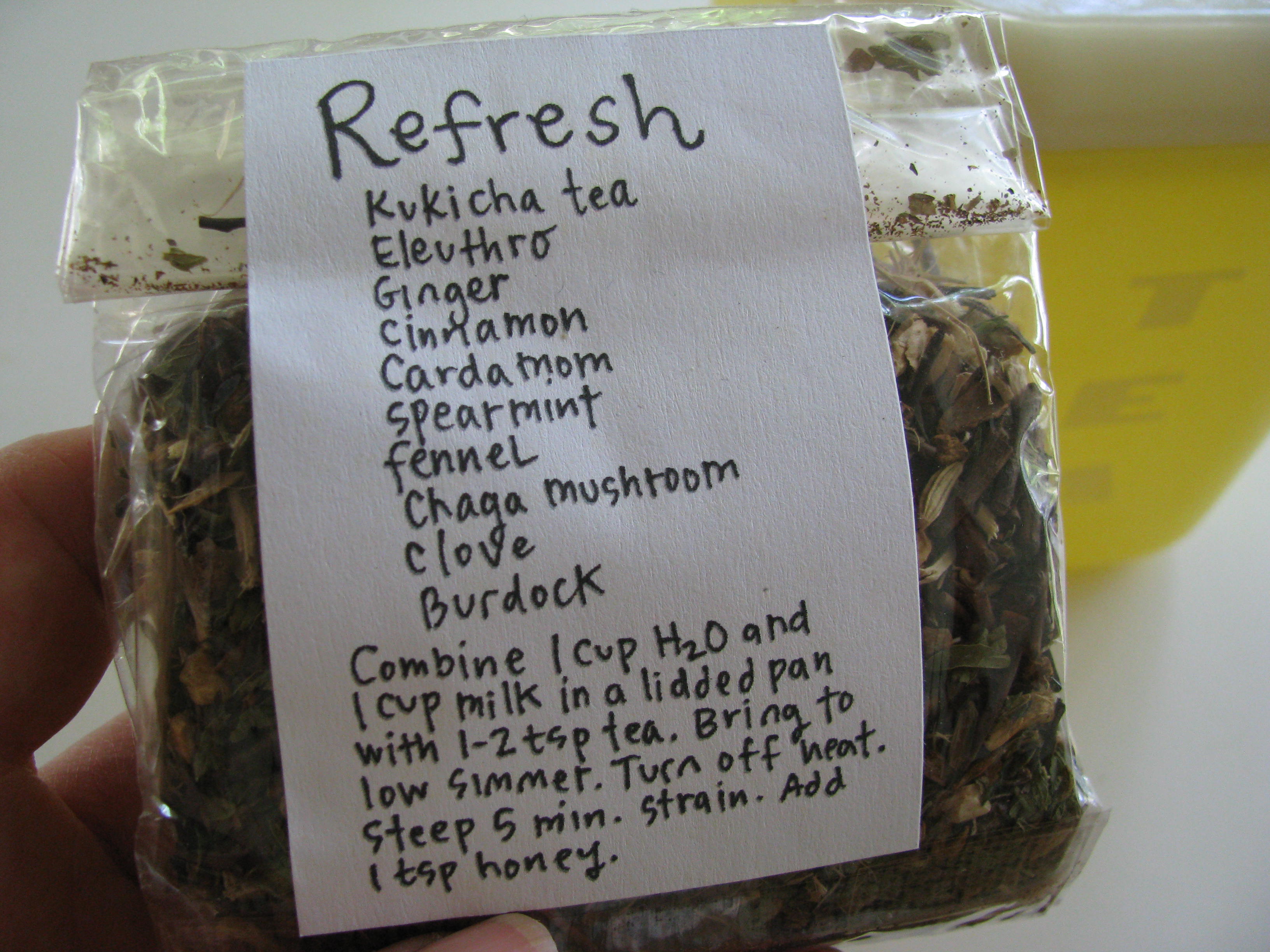
    According to the article, Sloan-Kettering Cancer Center is researching the chaga mushroom's potential in helping the body slow and stop the growth of cancerous tumors and reduce the toxicity associated with radiation. It has also exhibited antiviral and anti-inflammatory properties and an ability to stimulate the immune system. It is generally ingested as a tea. A locally made chaga tincture to add to water can be purchased at the Northland Arboretum. Life Preserver Natural Foods in Baxter stocks chaga chunks with tea instructions enclosed inside the package. A hand-harvested herbal tea blend that I received in one of my monthly Birds Eye Tea shipments contains chaga mushroom.

    Chaga mushroom tea blend

    The ArbLIFE article cautions… "Widespread chopping of chaga conks off of trees threatens a delicate ecological balance. A solution to over-harvesting chaga is cultivation. Cultivation is a sustainable practice, while commercial harvesting of wild chaga is making this mushroom harder to find."

  • Dick and I began watching the full lunar eclipse at 3:00 a.m. Eastern/2:00 a.m. Central, which was when it reportedly peaked. I snapped this photo at 3:21 a.m. Eastern/2:21 a.m. Central. We did not see the intense blood-red hue that some witnessed, but this coloration was commonly reported, too.

    Blood moon 04-15-14

    My meager point and shoot… its limits pushed beyond. But a story it does tell of two people waking from a perfectly good sleep to watch an event. Together. In the quiet of the night.


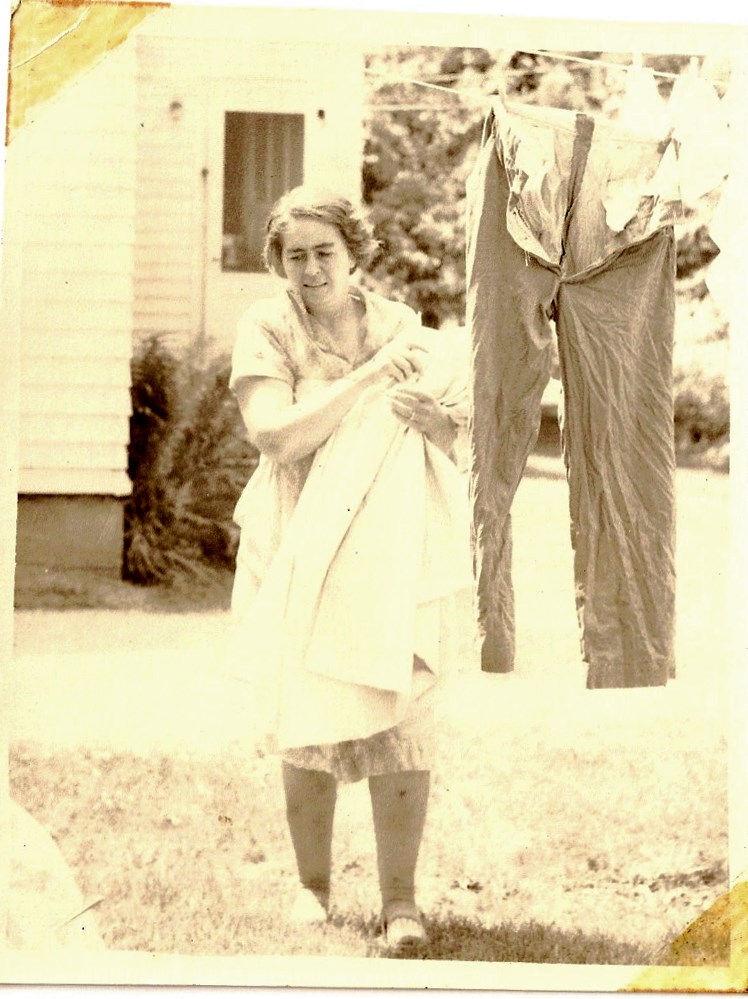
  • Not so much changes. If we choose for it not to. Letters and laundry. Two examples. An email is quickly deleted after reading. A handwritten letter is cherished from the moment it is retrieved from the mailbox and often saved to reread over the years. Laundry can be a dreaded task to complete as quickly as possible or it can be savoured as a cup of tea. It's about being in the moment. Allowing oneself to sense what is all around. Beyond the task itself. Hanging laundry to dry on a line outside in the coolness of the morning, when the birds' chorus is lively, and the dew still wet on the ground. A dryer may be less effort, but what are we missing? The photo below is one of my favorites. It is Dick's mother. The setting is the backyard of the house where he lived on the dividing line between Crosby and Ironton, twelve miles northeast of Brainerd. His family moved to Brainerd prior to the start of his 4th grade school year, so this photo was taken in 1957 or earlier.

    Dick's mom hanging laundry1

    I have a mission, now. To seek photos of my mother and grandmother hanging laundry on their clotheslines. To hang on my wall. Together. To tell a story. Personal and historical. To document change. Or encourage lack of it.