


You may have made from-scratch buckwheat pancakes or used a mix. Or you may have ground your own buckwheat flour. But have you grown buckwheat?

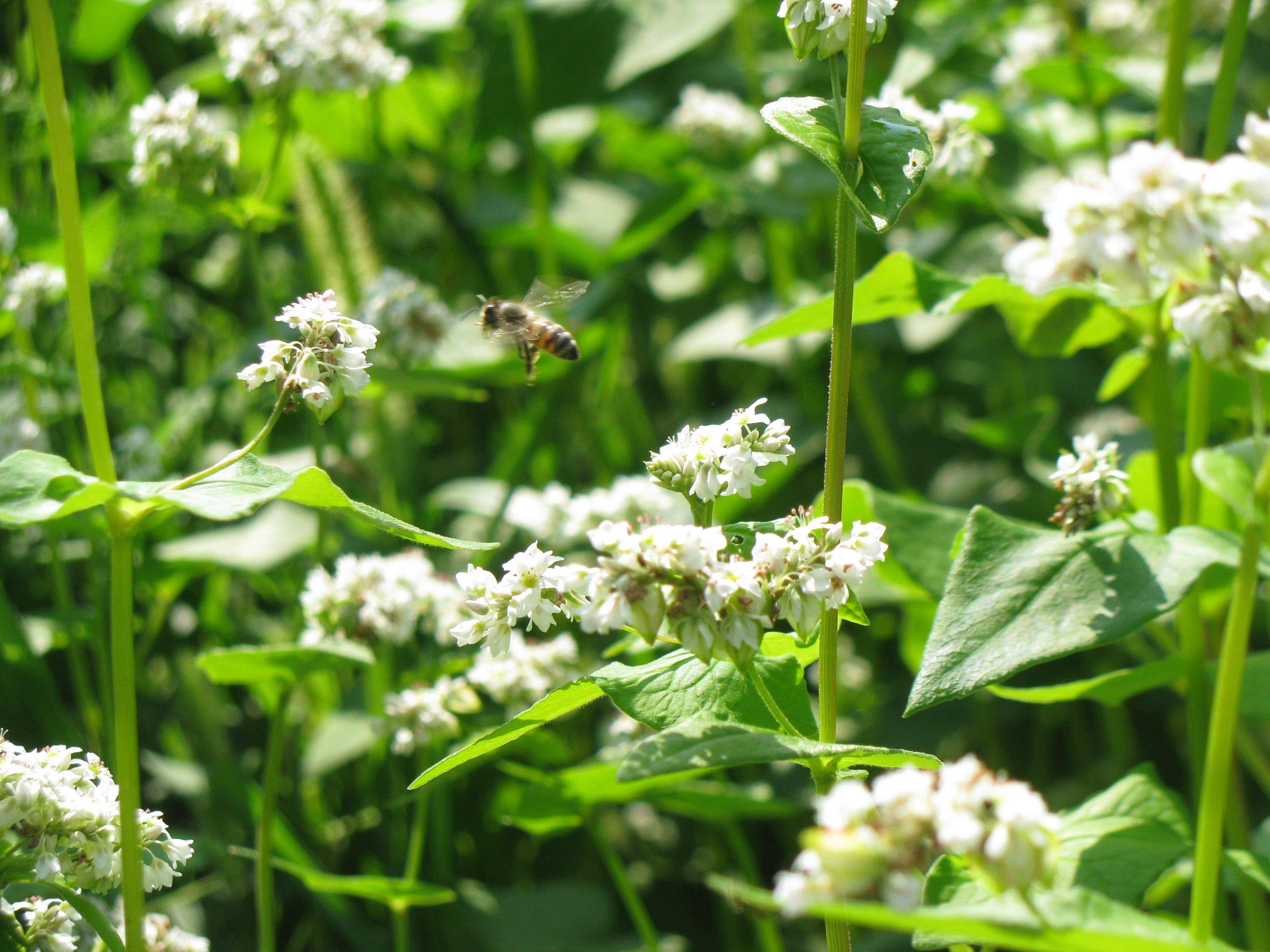
Our field of buckwheat serves many purposes. It improves the soil's fertility as a natural alternative to chemical fertilizers by 1)adding nitrogen to the soil as it grows and 2)providing compostable material when tilled into the soil post harvesting. 3)The tiny blossoms, when they become part of the whole, are a mass of solid white that can best be described as a snow-covered landscape. Beautiful. Simply beautiful. 4)Finally, the blossoms feed the bees that in turn 5)provide us with dark, intensely-flavored buckwheat honey.
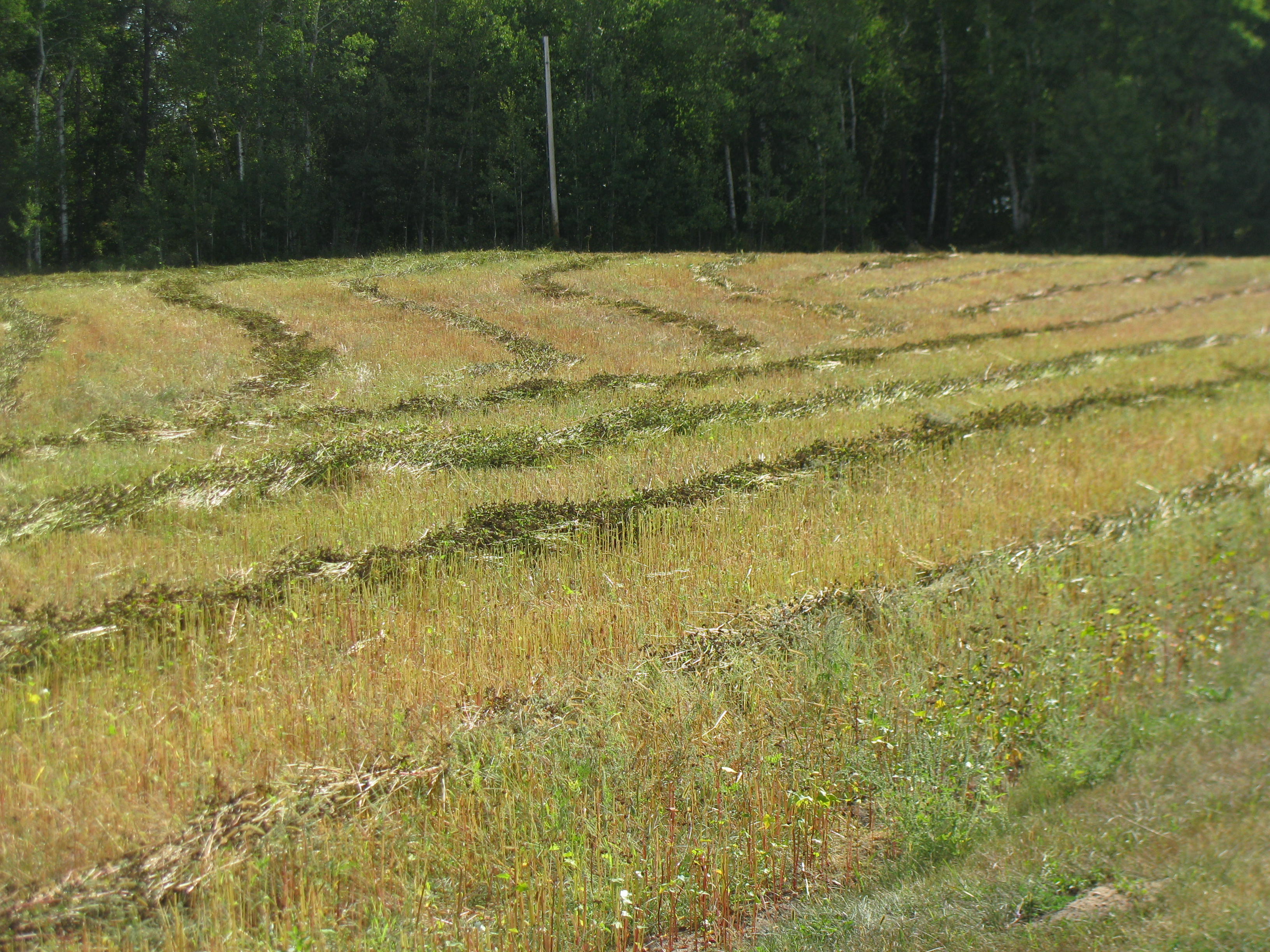
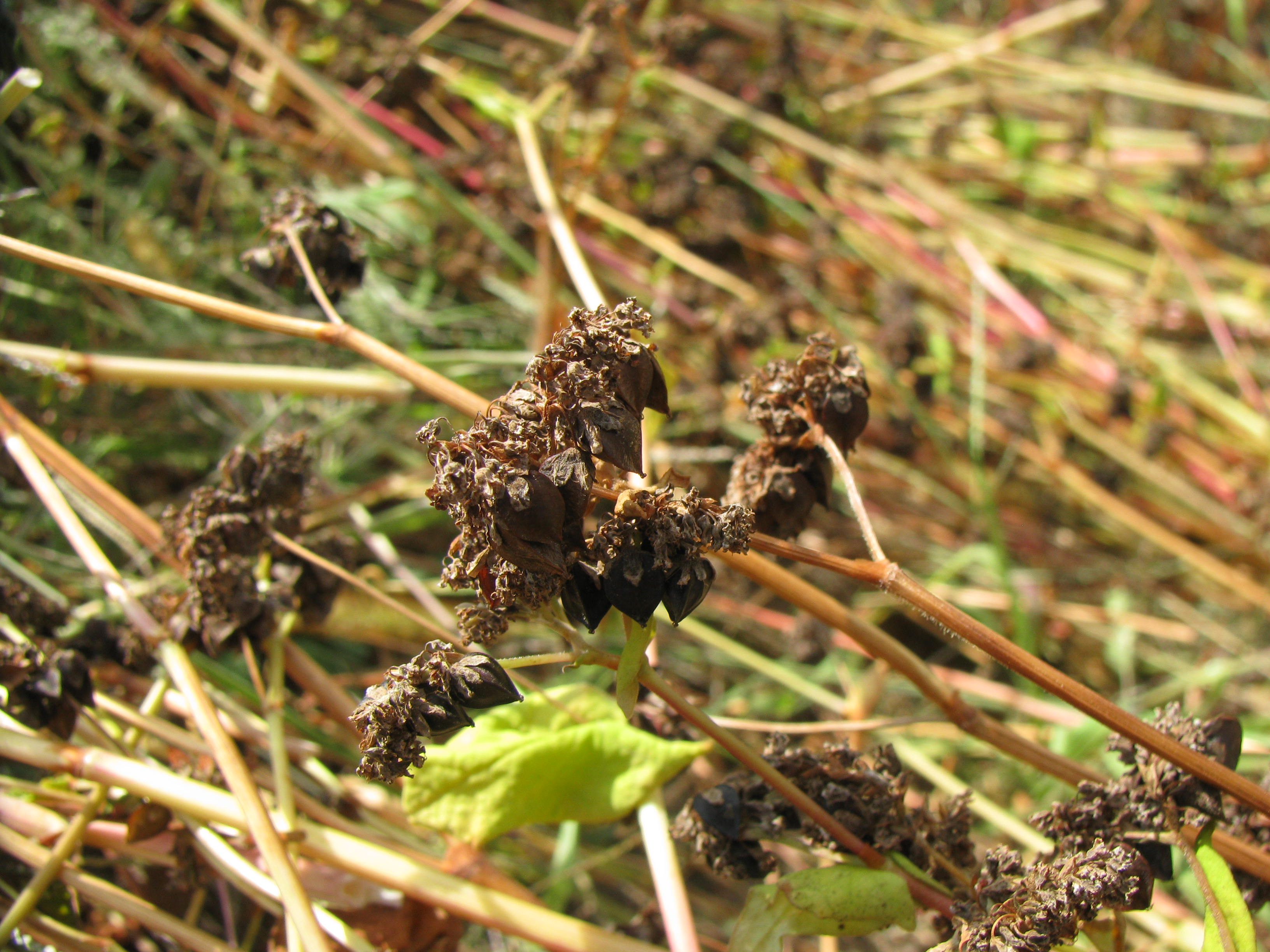
Today, a neighboring farmer mowed the buckwheat in preparation for harvesting after the stalks had transitioned into autumn hues of caramel, gold, cream, and rosy red and the blossoms had dried and turned black.
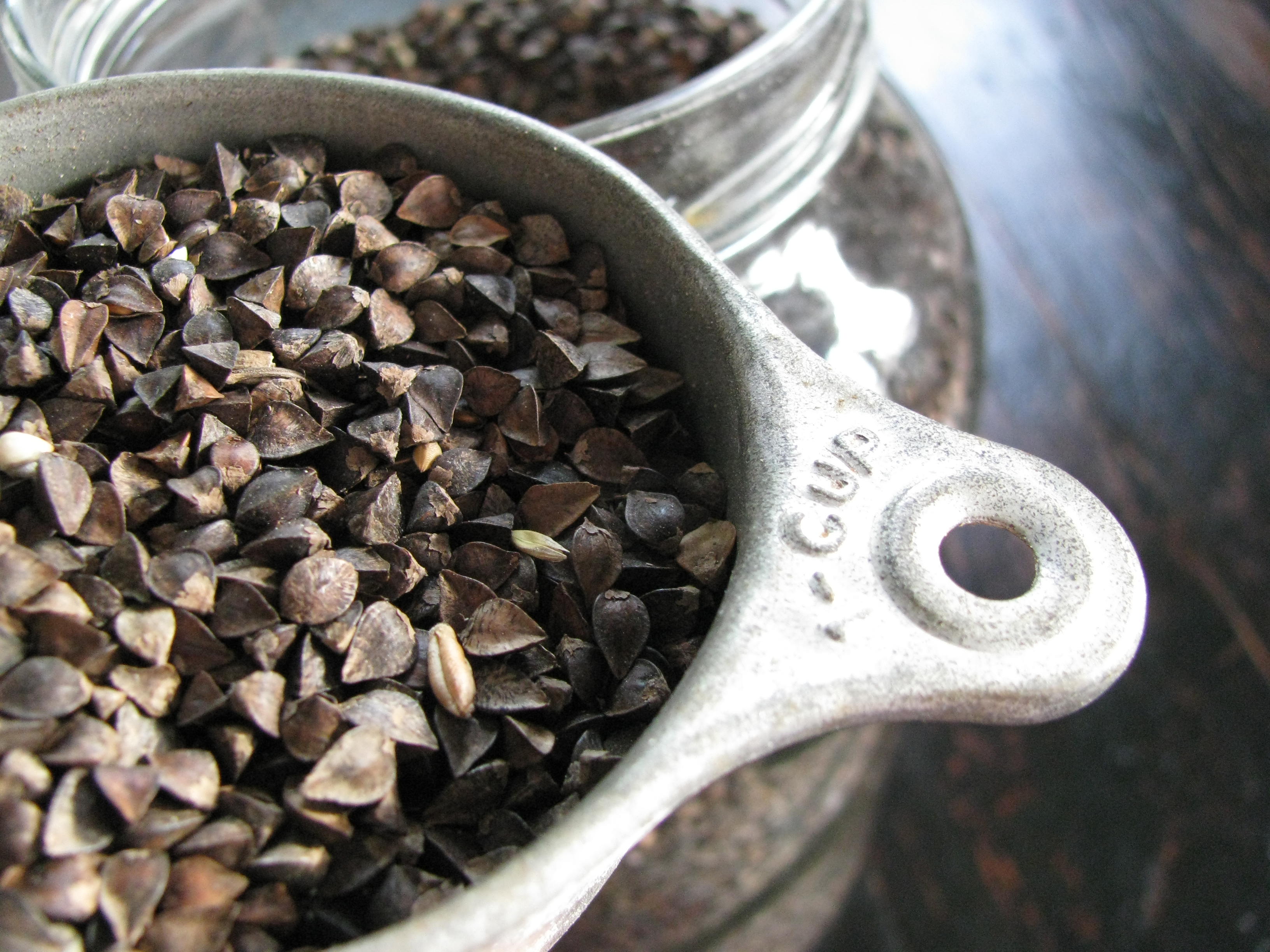
Unhulled buckwheat, which has the outer coating intact, produces a flour that is darker and more intensely flavored making a heavier pancake than hulled buckwheat (aka buckwheat groats).

Here is an amazingly light, tender buckwheat pancake recipe that is a perfect way to savour this season's autumn harvest.


 Whiteley Creek Homestead

Leave a reply to Adrienne Cancel reply