Whiteley Creek Homestead

LIFE AT THE END OF A DIRT ROAD IN CENTRAL MINNESOTA

organically grown triticale in our field
canoeing in our wetlands
raspberries growing wild on our property
our back porch fieldstone fireplace
  • I have been delving into minimalist blogs as of late. You see, I have been on a quest to simplify and declutter my life. I'm still in the planning stages. To date, I haven't made noticeable progress… but I plan to. There's really very little we need in life. Colorful mixing bowls… essential.

    Pryrex mixing bowls 
    An outing with Dick to the Blooming Arts Festival in Bartow, Florida would have been a perfect way to spend a Sunday afternoon in and of itself, but with $40.00 less in my pocket, I happily cradled a four-bowl pyrex 400 series primary color nesting bowl set in my arms. (Sizes: yellow-4 quart, green-2 1/2 quart, red-1 1/4 quart, and blue 1 pint). These cheerful bowls debuted in the 1940s. They were not numbered until the 1950s. Mine are numbered 401, 402, 403, and 404. (Note: Tonight, I followed an eBay listing for a set of bowls identical to mine. The bidding just ended. "The item has sold for US $86.99. Item: VTG set 4 PYREX PRIMARY COLORS MIXING nesting BOWLS." Additionally, there will be shipping charges. I have passed by many of these pyrex primary color  mixing bowl sets in antique stores and various outdoor events where antique dealers are selling their wares. The average price tag has been $90.00 – $100.00.) 

    The vendor's booth was as colorful as their (now my) mixing bowls.

    Pyrex booth 
    I think a cup of tea will be a perfect ending to my most perfect day… sipped from a yet another purchase that I made from this same vendor.
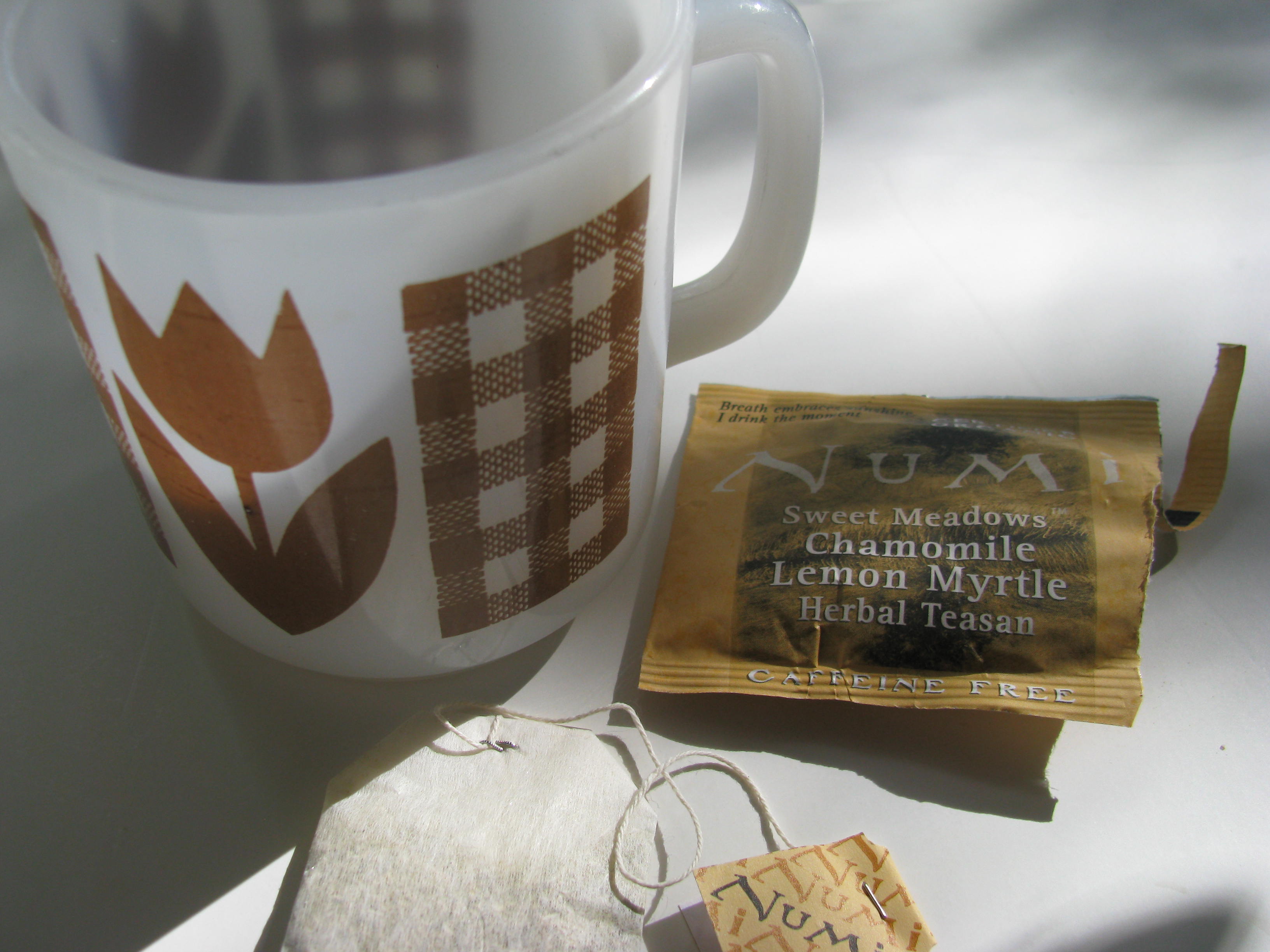
    Gingham tulip cup 
    The "Sweet Meadows" Numi organic, caffeine-free, herbal tea is a gift that I received recently from my childhood friend, Sharon. She knows these things.

       

  • Eco cup logo 
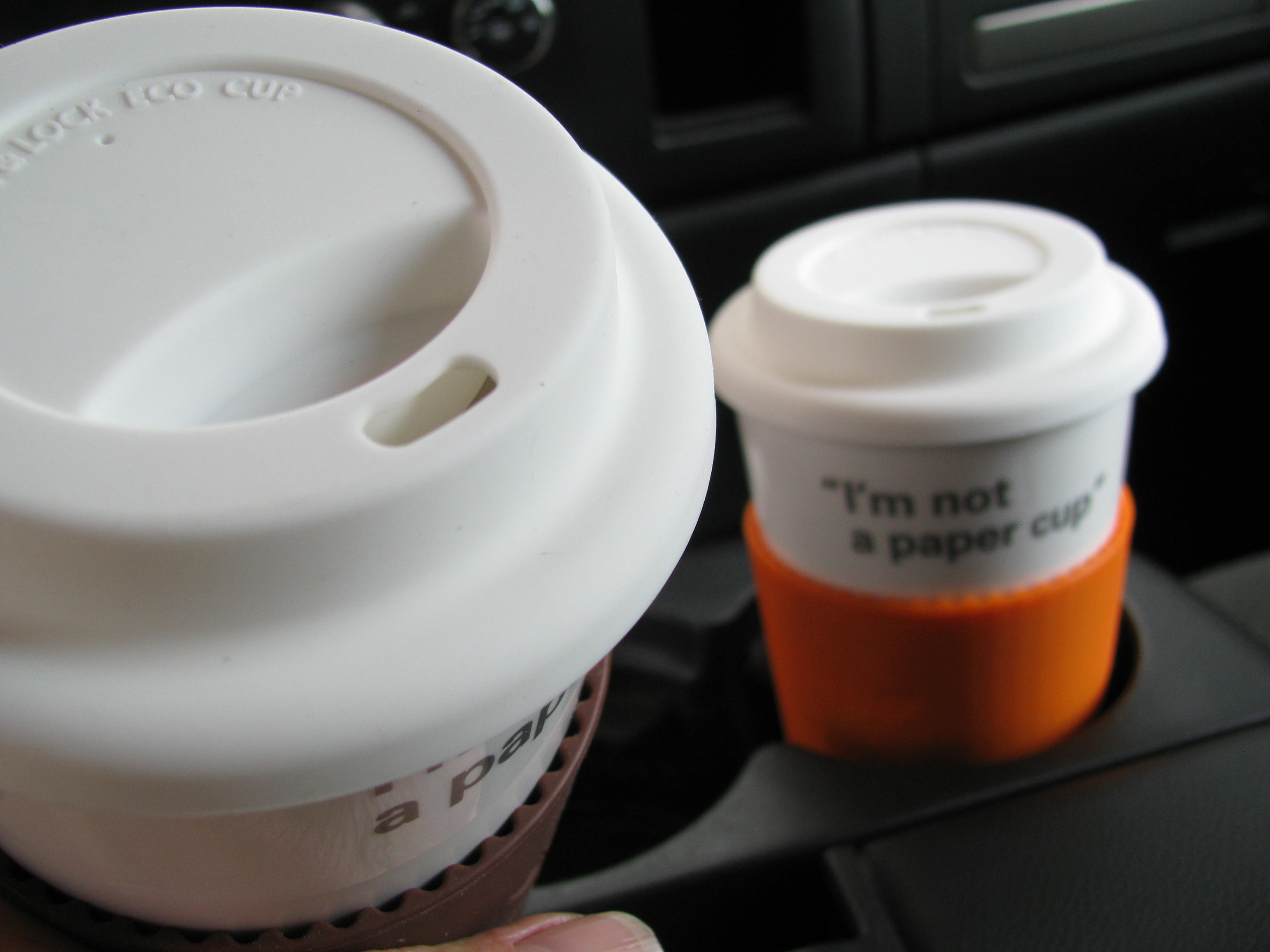
    During an online search for refrigerator storage containers to extend the freshness of my pastured hen eggs, I discovered these fun eco cups and just had to order a pair for early morning hit-the-road outings… a brown one for Dick's morning coffee and an orange one for my tea. They look every bit like a styrofoam cup from your local 7-Eleven, but they are not. They are ceramic with a flexible, removable, insulating band that tightly grips the cup.

    Eco cup 
    The cup's covers are made of some sort of flexible rubbery material that are clones of styrofoam drink container covers.

    Eco cup cap   

    As I write this post, the 1.6-cup size is on sale for $3.99 (regular price $6.99) here. Enter promotion code EMAIL30LNL for 30% off the sale price (valid until March 10, 2011). You end up paying $2.79 per cup! If you add an additional item priced at $2.00 or more (why not add a 3rd eco cup as a gift for an eco friend, breakage replacement, or when it's in the dishwasher) so that your total equals $10.00 before factoring in the 30% off promotion code, you get a choice of 1 of 4 free items. I chose the foam bottle cleaning brush. I absolutely love it for cleaning the jars that I use for my dairy culturing before I toss them in the dishwasher. It's a pretty lime green color. Although the eco cup's cap and band is made of non-toxic silicone, I plan to remove the cap when drinking from the cup. 

  • This week is the 5th lesson in my 16-week Cultured Dairy and Cheesemaking e-Course that I am taking. I learned how to make clabbered milk and clabbered cheese. What is "clabber" you say? Well, let me tell you, since I am now enlightened. Clabber is soured milk. It is allowed to sour under its own power without the aid of vinegar that we sometimes use in a pinch when a recipe calls for sour milk.

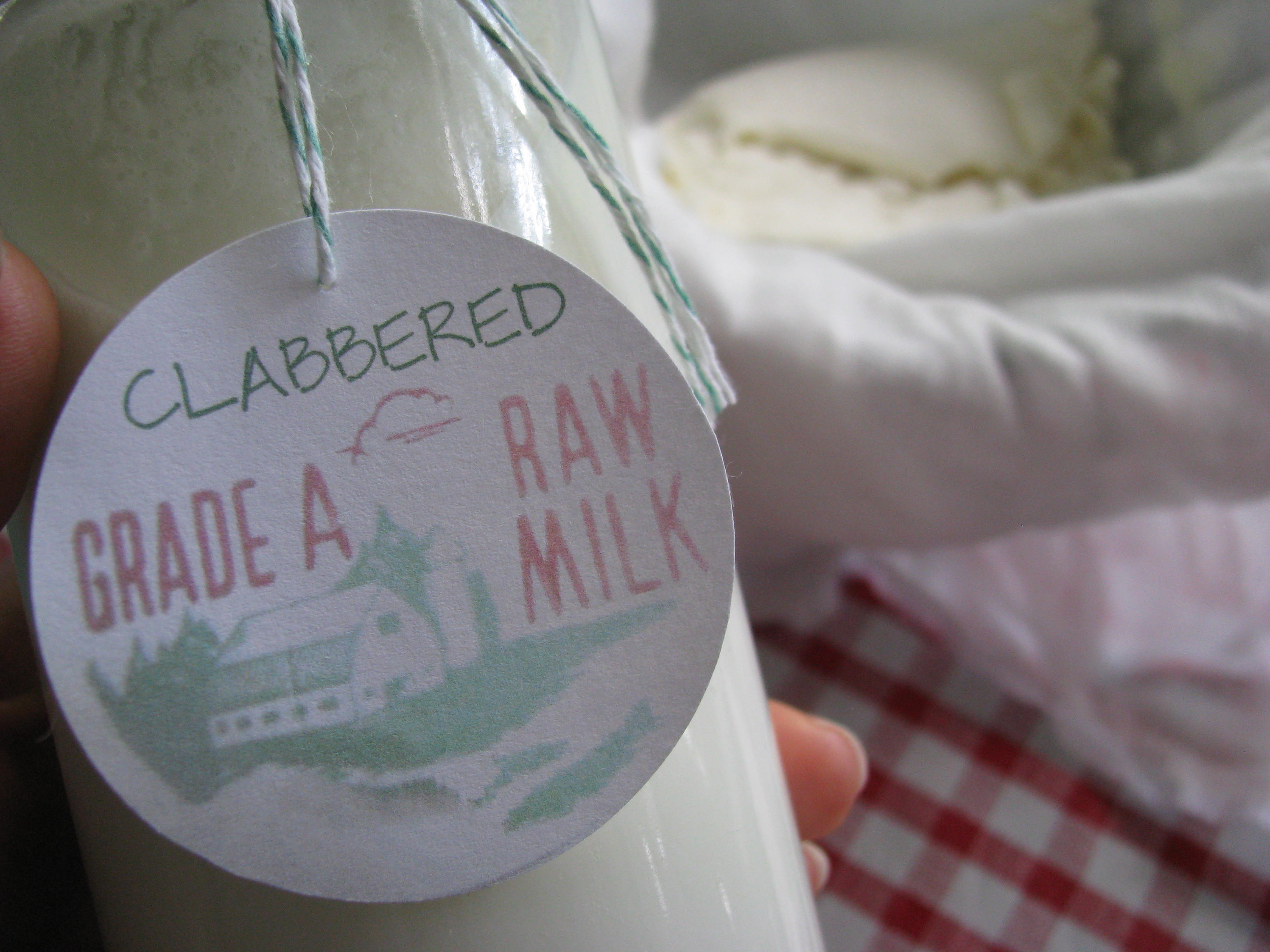
    Clabbered milk

    To elevate sour milk's less-than-popular reputation to a level that it deserves nutritionally, I created a special jar label to identify its contents. To make it, I scanned a vintage milk bottle cap into my computer, "erased" the dairy's name, and added the word clabbered in its place. After printing it, a quick spin of the wrist with my circle cutter and a short length of twine… done! Since I'm finding that I have several jars of various dairy products simultaneously culturing in the fridge and on my kitchen counter, I'm going to make these labels for each of the different processes, get them laminated at an office supply center, maybe insert each in a circular metal rimmed tag, and they'll be ready for instant identification.  I will use the clabbered milk… don't ya love the name… as a recipe substitution for buttermilk or yogurt.

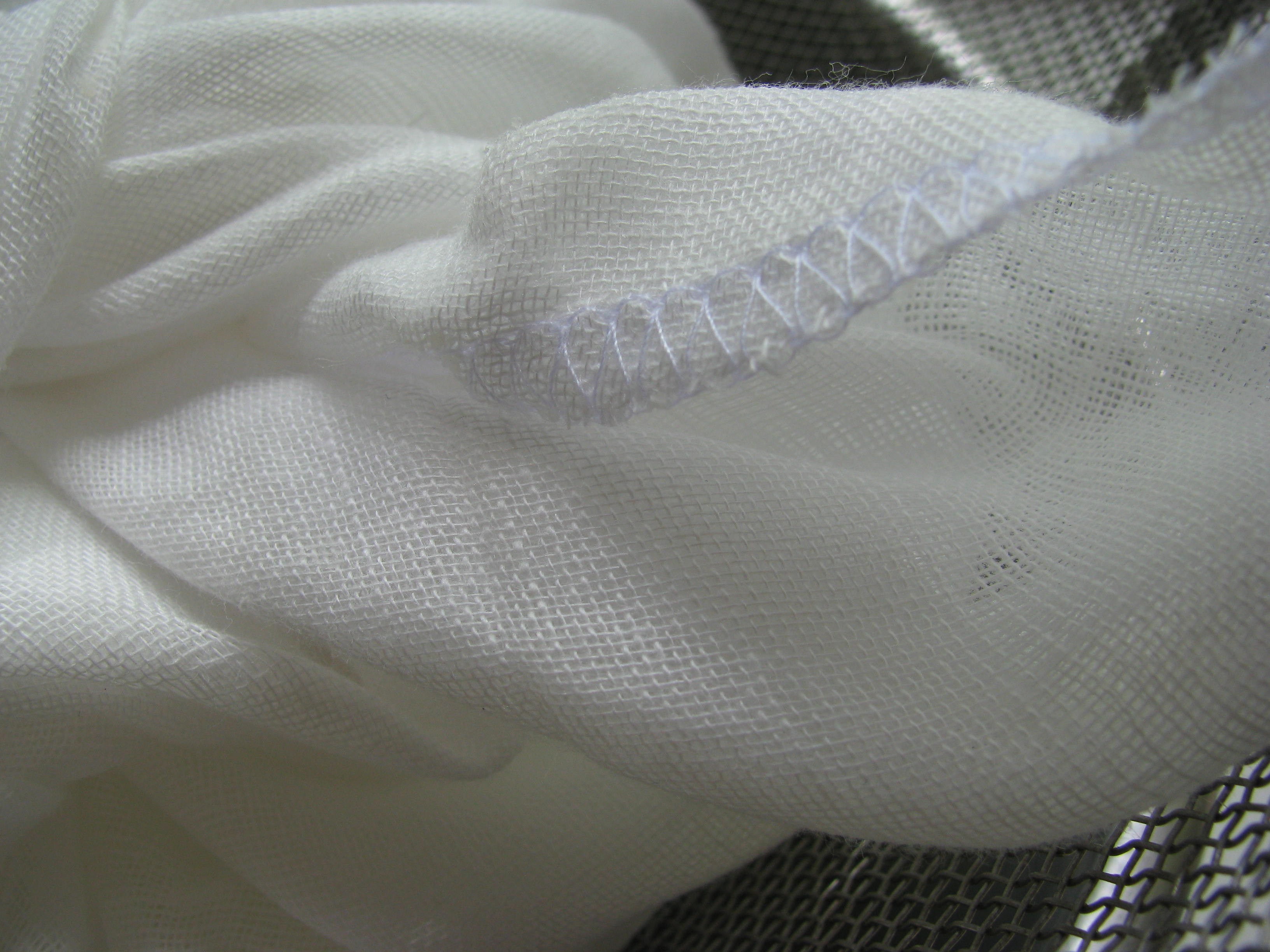
    Cheesecloth overcast edge 

    To make clabbered cheese, I first serged the edges of a double-layer square of cheesecloth to keep it from fraying when I wash it.

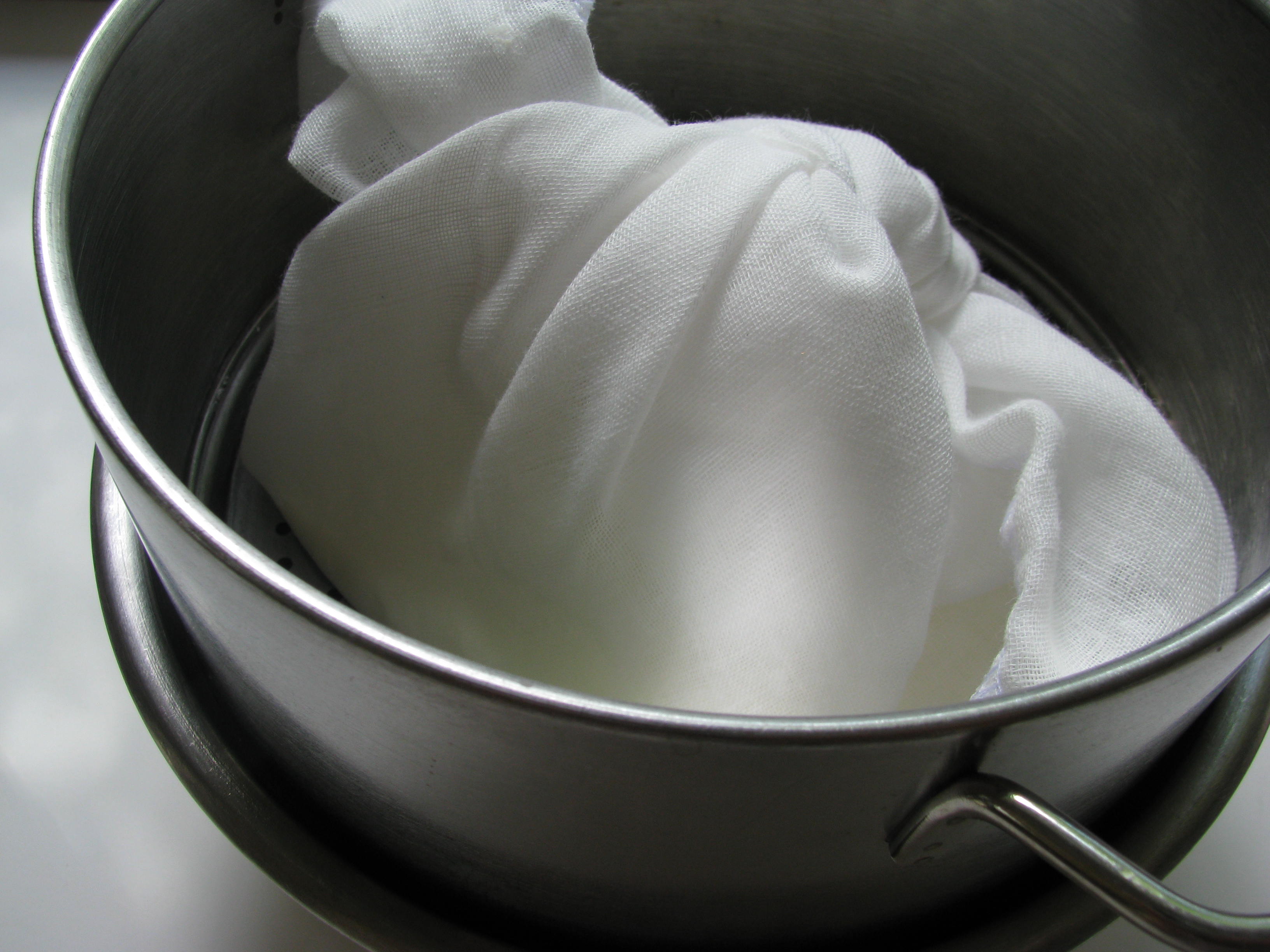
    Clabbered milk straining 
     
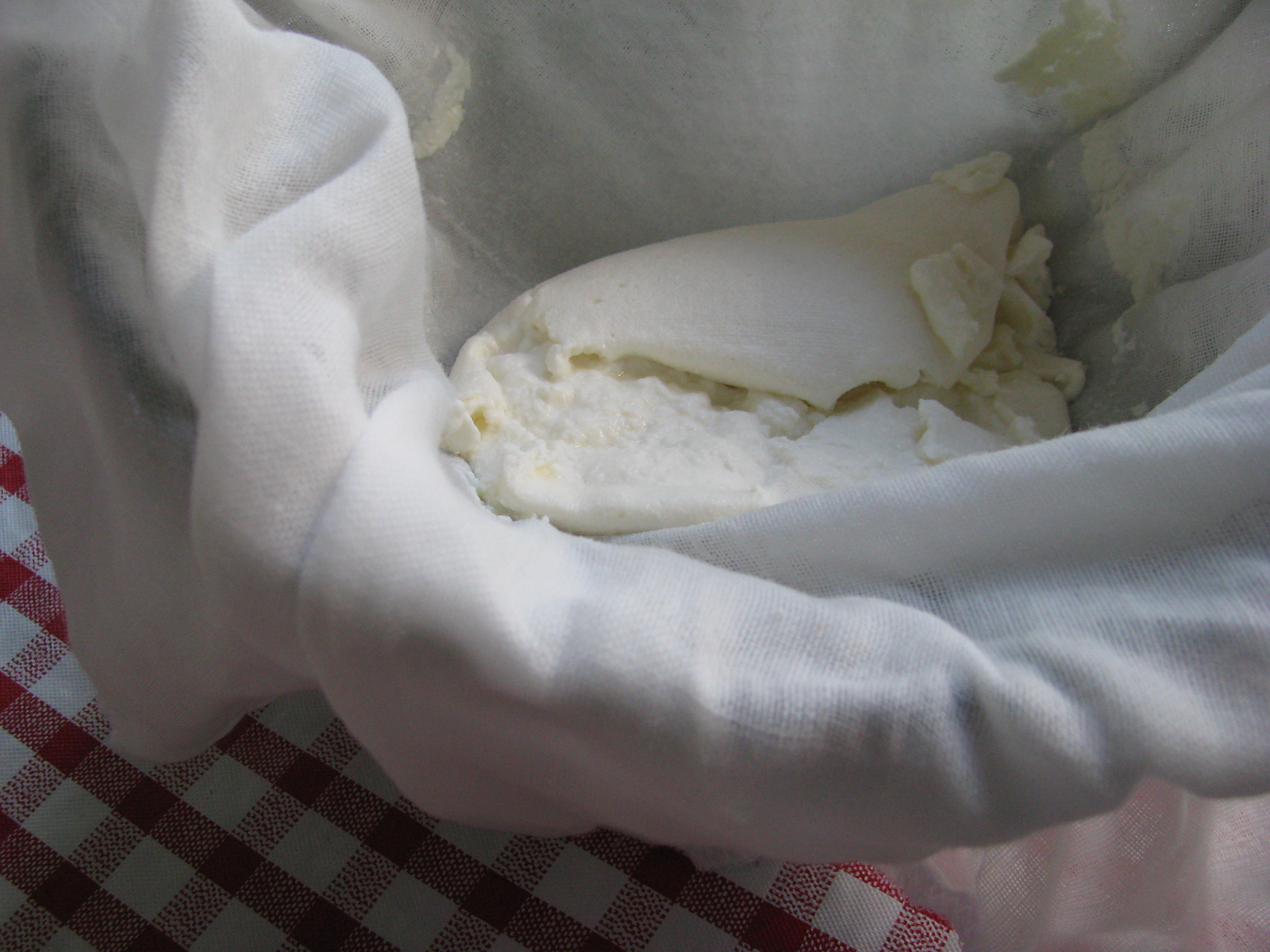
    After draping a square of cheesecloth over a colander (actually I used my steamer basket because my colander was being used to make yogurt cheese), I poured half of the clabbered milk into the cheesecloth and tied the ends. When the whey is allowed to drain off, the end-product is clabbered cheese.  

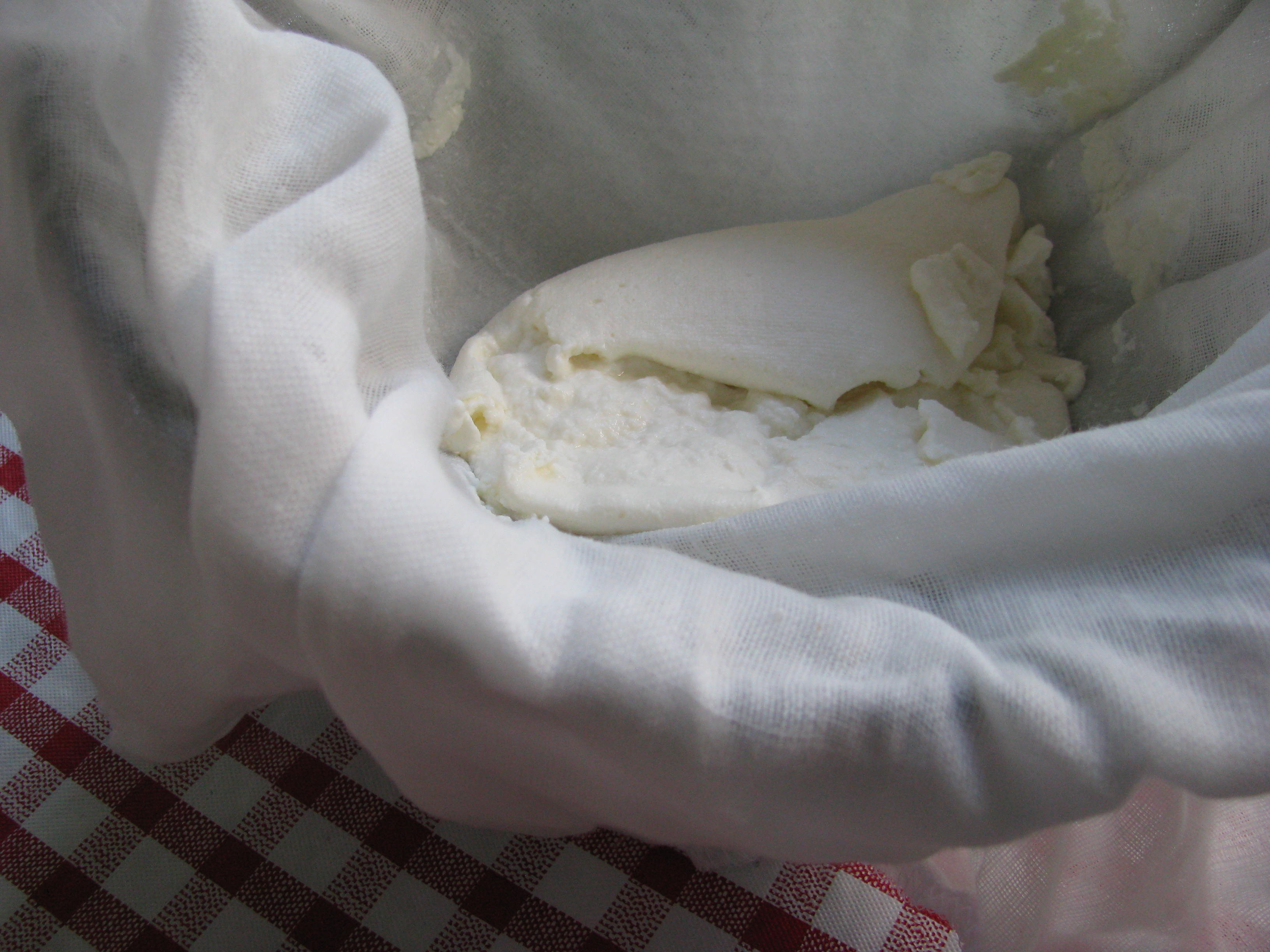
    Clabbered cheese 

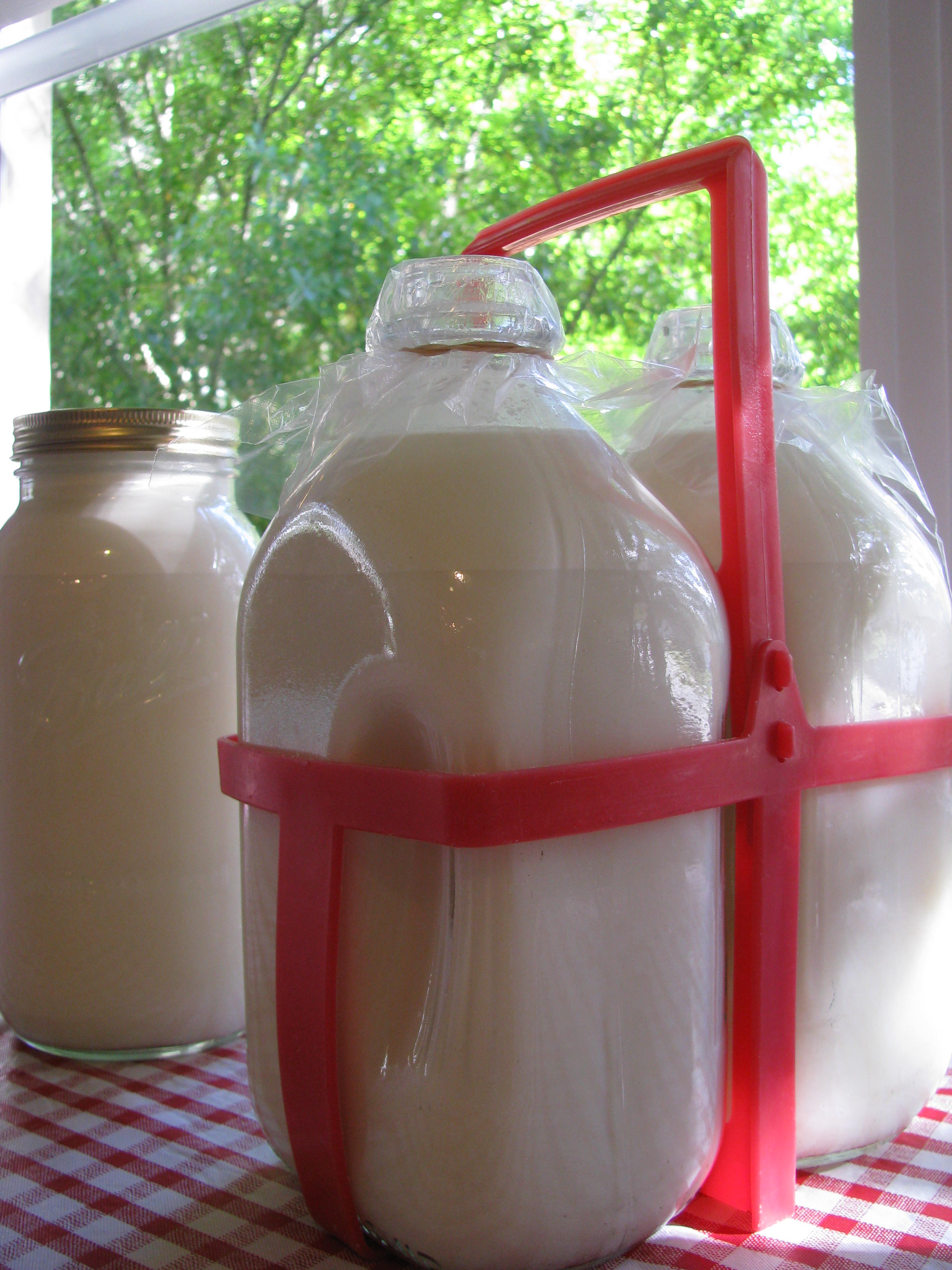
  • The raw (unpasteurized and non-homogenized) milk that I purchase comes in plastic gallon jugs. As soon as I get home, I transfer it to glass jars. You can imagine my excitement when I came across two half gallon glass milk bottles in a cheery red carrier during Dick's and my farm show outing last weekend. Functional and cute… crucial attributes in my book.

    Glass milk bottle carrier 

    Did you know that the best spot to store milk is on the bottom shelf to the back of the fridge? Strangely enough, many models are designed with a wide shelf in the door to accommodate gallon milk jugs. Everytime it's opened, a refrigerator's temperature increases. Food stored in the door and to the front of the shelves are most affected by temperature fluctuations (at least 5° warmer than the remainder of the fridge). To prevent bacteria from forming, milk must be kept as cold as possible. A refrigerator's overall temperature should be 41° or below. Milk is best stored at 34°-39°. Hmmm… milk stored in the refrigerator's door is convenient for pouring a quick glass of milk, but think about it.   

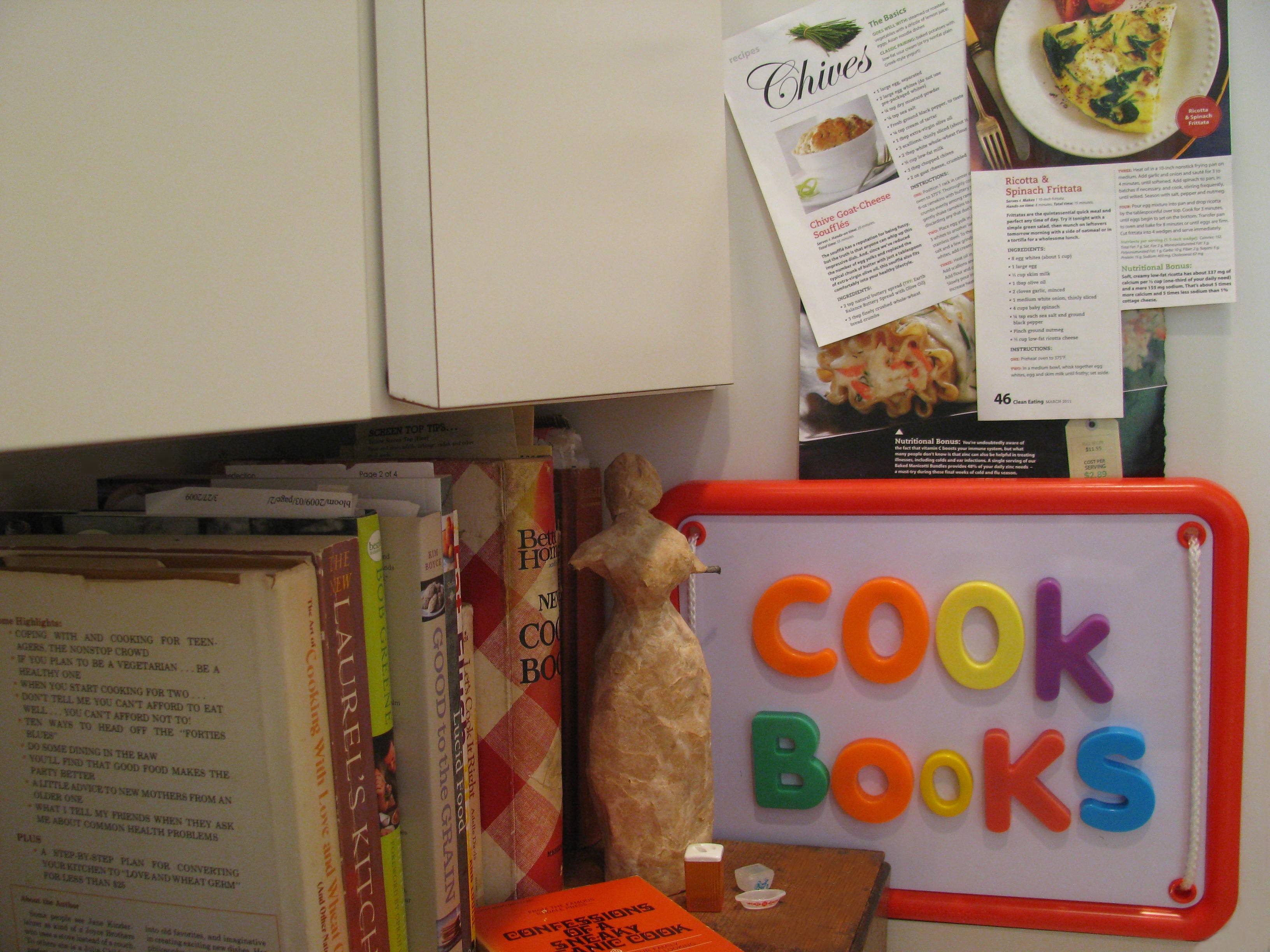
  • One component of the farm show that Dick and I attended last weekend included antique dealers displaying their wares. Table after table up one aisle and down another… row after row  beckoning visitors to take a closer look… to discover that special little treasure that would find a home… to be lovingly placed as a memory of the day… just one day in a lifetime. I was drawn to a simple, brightly colored, magnetic board spelling out the word cookbooks. The second "o" in the word "books" was missing, but I found a replacement in my craft stash… smaller in size, but no matter.    

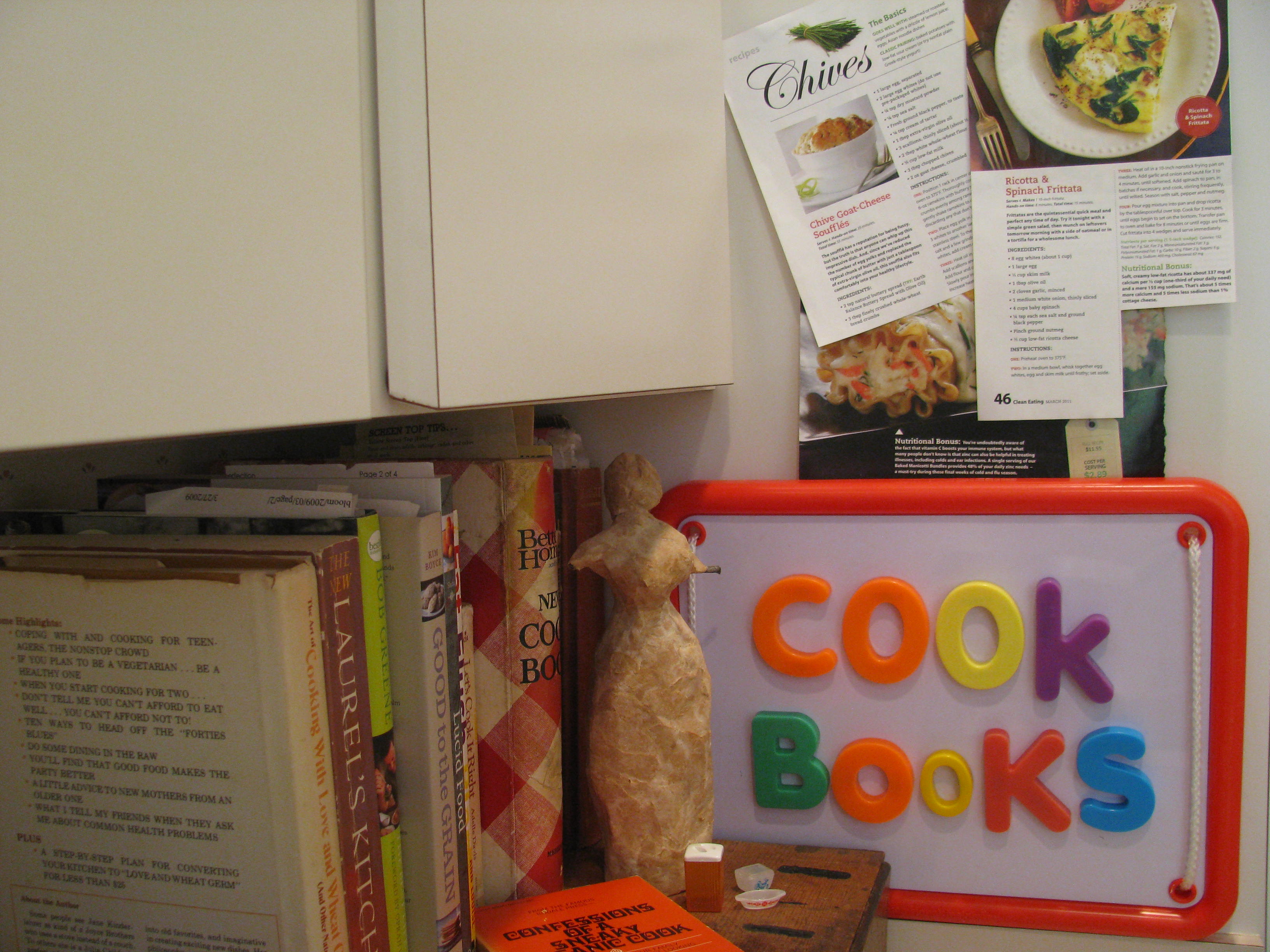
    Cookbooks magnetic board 
     
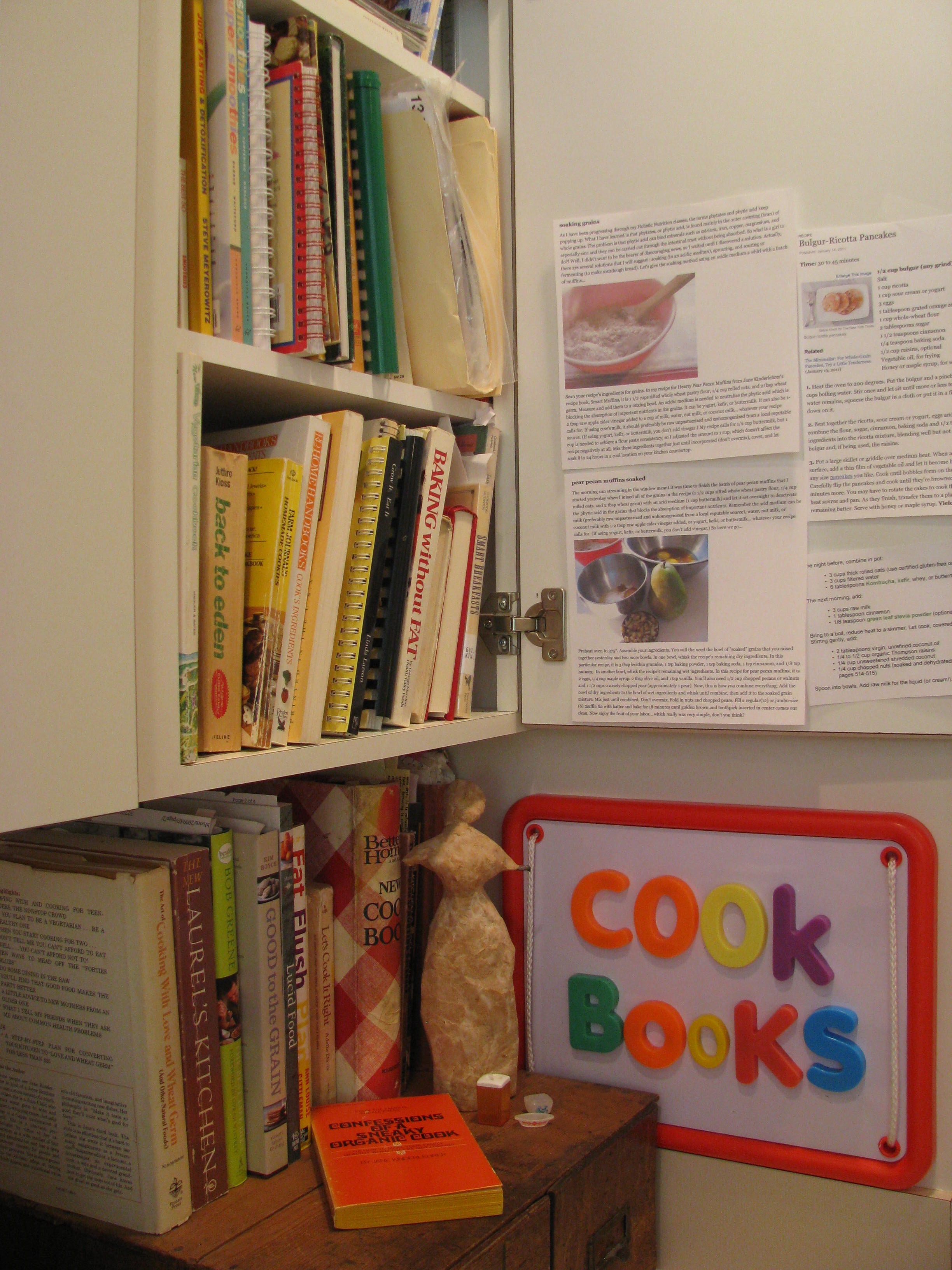
    I displayed it by… what else… my coookbook collection. Above it, on the side of my pantry, I posted recipes that I plan to try in the future. I chose ones that use skills in upcoming lessons in my Cultured Dairy and Cheesemaking eCourse – Ricotta & Spinach Frittata (ricotta cheese), and Baked Manicotti Bundles (cream cheese and mozzarella)… recipes from my March 2011 Clean Eating Magazine, and Spinach and Ricotta Lasagna (ricotta cheese)… recipes from my March 2011 Real Simple Magazine. Because my mind is beginning to switch gears to spring, I also posted a Chive Goat-Cheese Souffles recipe to test and expand my seasonal (spring – chives) recipe collection. 

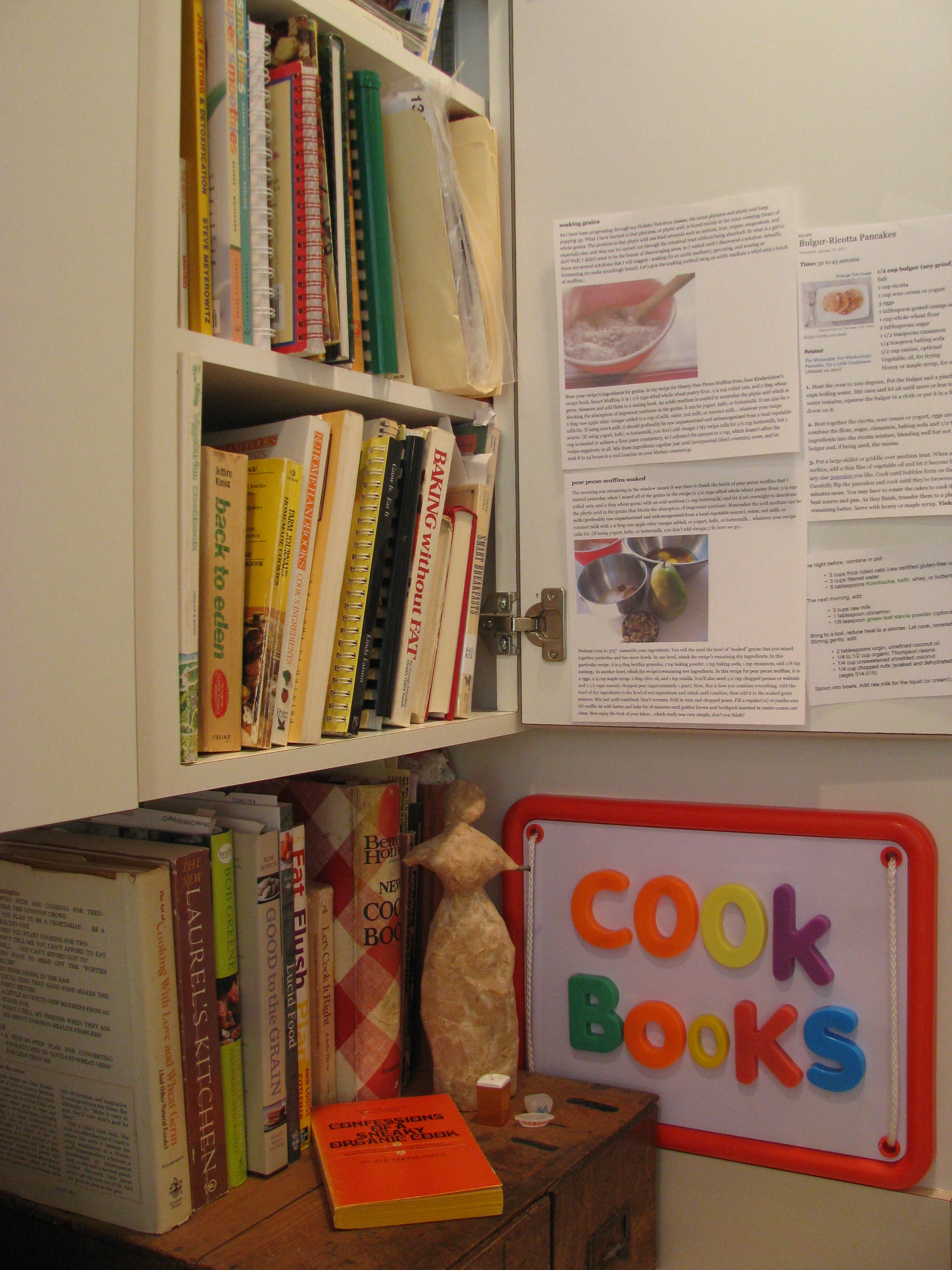
    Cookbooks magnetic board 2 
     
    A row of cookbooks sit atop an old library card catalog that holds my time-worn, handwritten recipe card collection The shelves in the cabinet above hold more cookbooks. Inside the cabinet door, I taped food preparation instructions that I use frequently so that I can refer to them easily. After the preparation methods and quantities for making foods such as soaked muffins and soaked oatmeal have become second nature, I will replace the instructions with other healthy cooking methods I want to master.  I also post abbreviated instructions for foods that I make regularly such as sour cream, buttermilk, butter, and yogurt.  

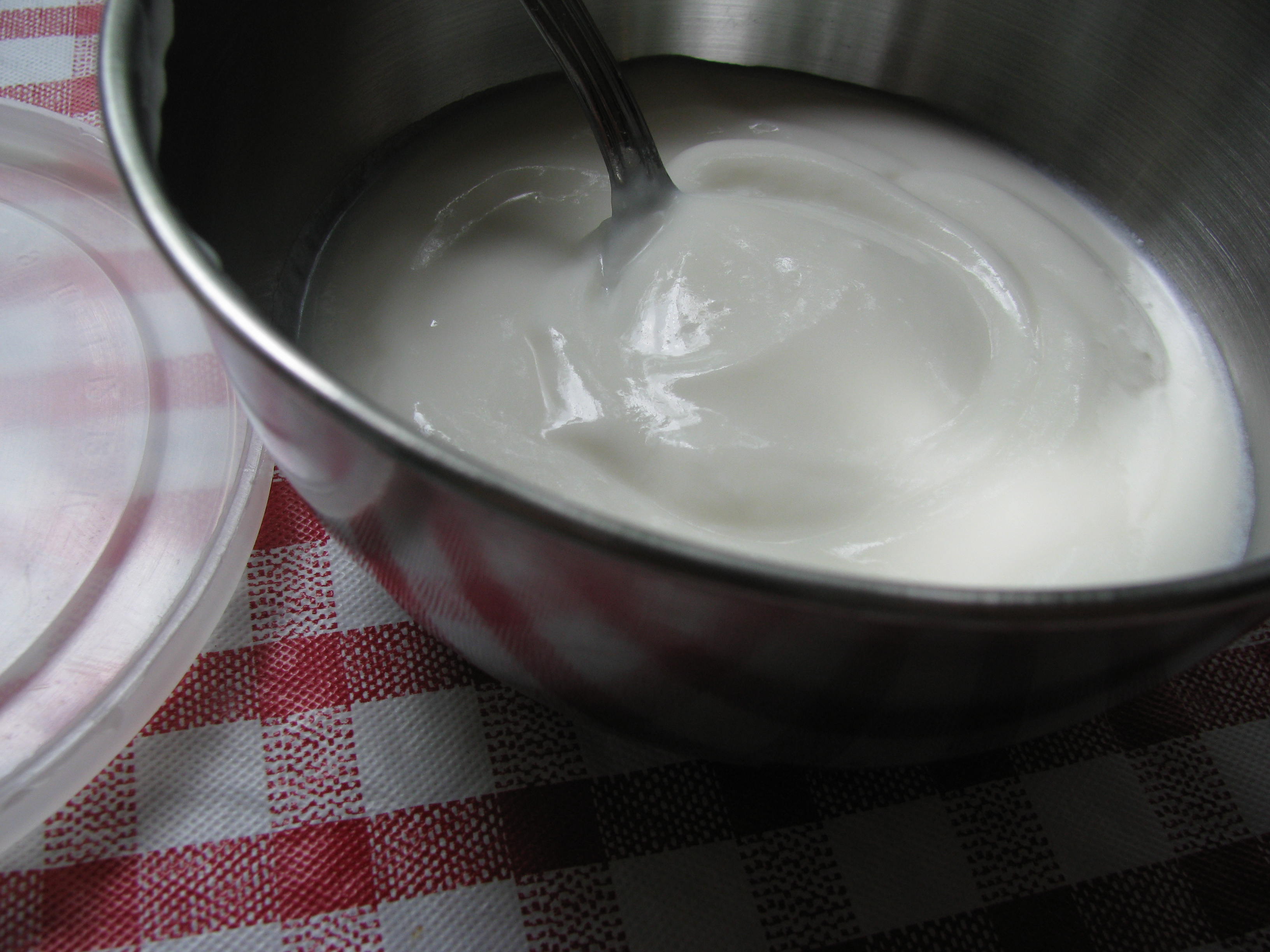
  • I make room temperature cultured yogurt two ways… 1)direct-set which requires a starter for each batch and 2)propagating a mother culture which can be used for subsequent batches.

    Room temp raw cultured yogurt 

    Here's the direct-set method. Add 1/16th-1/8 tsp Danisco Mesophilic Feta Culture from Homesteader Supply to 1 quart milk straight from the fridge. I prefer to use raw milk or low-temperature pasteurized milk that has only been heated to 145°, but you can use pasteurized milk… just not ultra-pasteurized. Cover the jar with a paper towel or cloth napkin secured with a rubber band. I use a lightweight, open-weave dishcloth that I cut into fourths and serged the edges. Leave on kitchen counter for 12-24 hours until it is the consistency of yogurt. The room's temperature affects the culture time, so check it sporatically throughout the culturing process for several batches. You want to catch it when the yogurt is thick but not sour, then cover with a canning lid and store in fridge. The direct-set method produces a thinner consistency than store-bought yogurt, but I don't consider it a negative attribute. If a thicker consistency is preferred, chill then strain for a couple hours in a cheesecloth-lined strainer to separate some of the whey (liquid byproduct), then whisk it briefly. (Note: I am presently researching a comparison between the live active cultures in feta starter vs. yogurt starter. Do they provide similar probiotic benefits? When I find an answer, I will post it here.)  

    Here's how to propagate a mother culture. Unlike the direct-set method that requires more starter powder for each batch of yogurt, once a mother culture is propagated it can be used to make subsequent batches. Making a mother culture requires that milk be sterilized (heated), but then it is added to unheated milk, so it produces room-temperature yogurt. In a pint canning jar or a similar size recycled jar, stir 1/2 tsp Cultures for Health Villi Yogurt Starter into 1/2 cup milk that has been heated to 170° then cooled to room temp. Cover the jar with a paper towel or cloth napkin secured with a rubber band. Leave on kitchen counter for 24-48 hours until it is the consistency of yogurt. Cover with a lid, then refrigerate for at least 6 hours to halt the culturing process. Now, you're ready to make a batch of yogurt. In a canning jar or recycled jar, stir 6 tbsp mother culture into 6 cups raw or pasteurized milk. In another jar, stir 2 tbsp mother culture into 2 cups sterilized milk that has been heated to 170° then cooled to room temp to make a starter for your next batch of yogurt. Cover each jar with a paper towel or cloth napkin secured with a rubber band. Leave on kitchen counter for 12-24 hours until it is the consistency of yogurt. Cover each jar with a lid, then refrigerate for at least 6 hours to halt the culturing process. (Note: To maintain the mother culture's viability and strength, it must be worked with once a week.)

  • Each year over Labor Day Weekend, a Steam Thresher's Reunion is held in Rollag, Minnesota, which is near Fargo, North Dakota. Today, Dick and I returned from a similar farm show near Avon Park in central Florida, where we spent three days with our friends Ron and Sue from Illinois. The most popular transportation of choice to navigate the grounds at Rollag is a four-wheeler. At the Florida event, it is a golf cart. There were so many golf carts that it looked like ants had crawled out from under every rotted log within a 60 mile radius. The four of us chose to navigate the grounds on a lawnmower pulling a handmade sully made with a school bus seat. Each morning, we opened our camper's door facing these orange groves. Oh the aroma… the trees are bursting with spring blossoms.  

    Golf carts farm showLawnmower sully
      

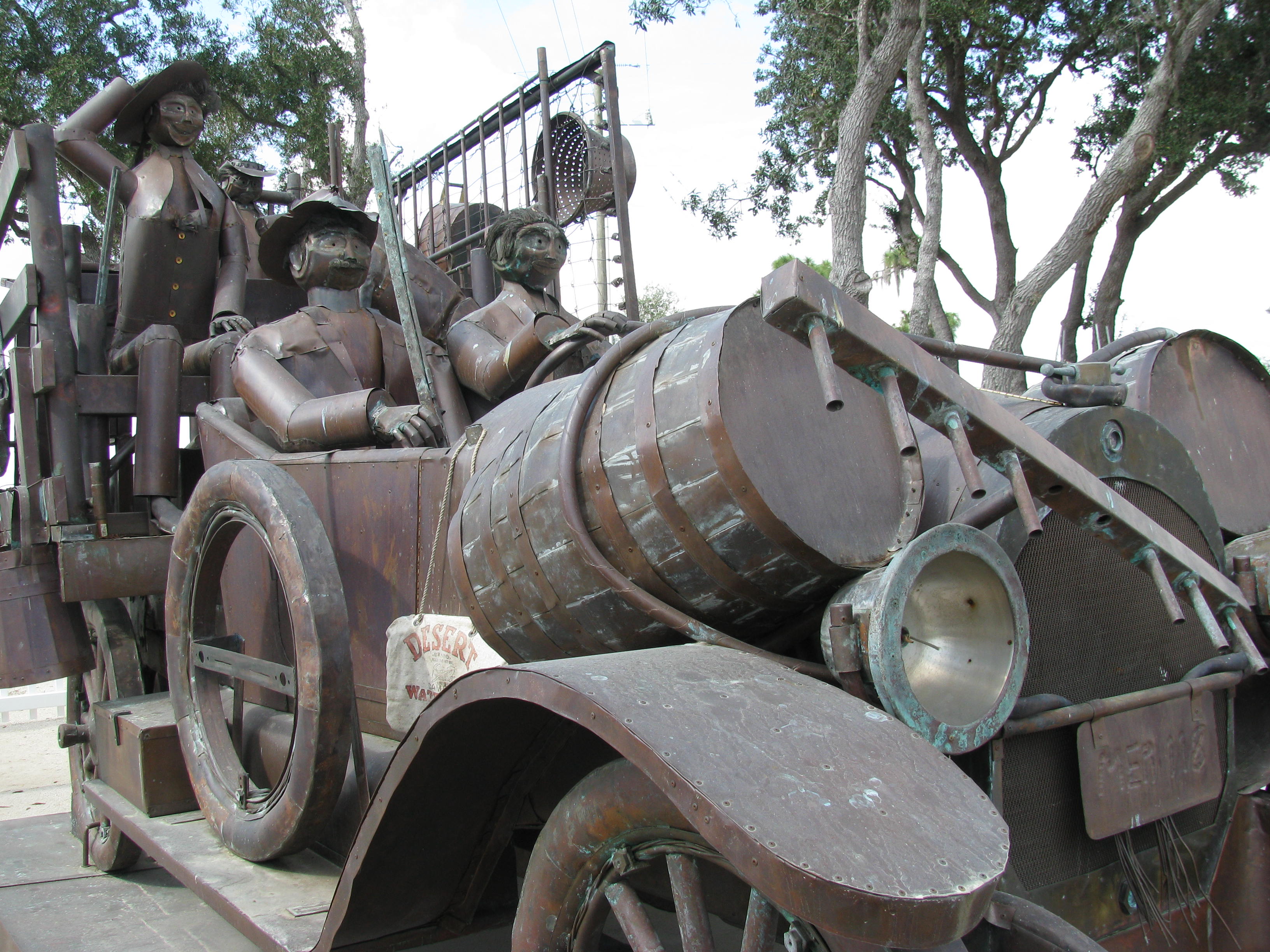
    A major portion of the event was vendors selling their wares… mostly antiques. In upcoming posts, I will share some of the treasures that I uncovered. We walked down the main street of an 1800s town where a metal sculpture of the Clampetts was parked. Jed Clampett and Daisy May "Granny" were recreated especially well, I think.

      Clampett's full view farm showClampett's closeup farm show 
      
    We looked a bit like the Clampetts as we transported a Model A to the farm show to drive in the daily parade.

     Trailer loadModel A parade  


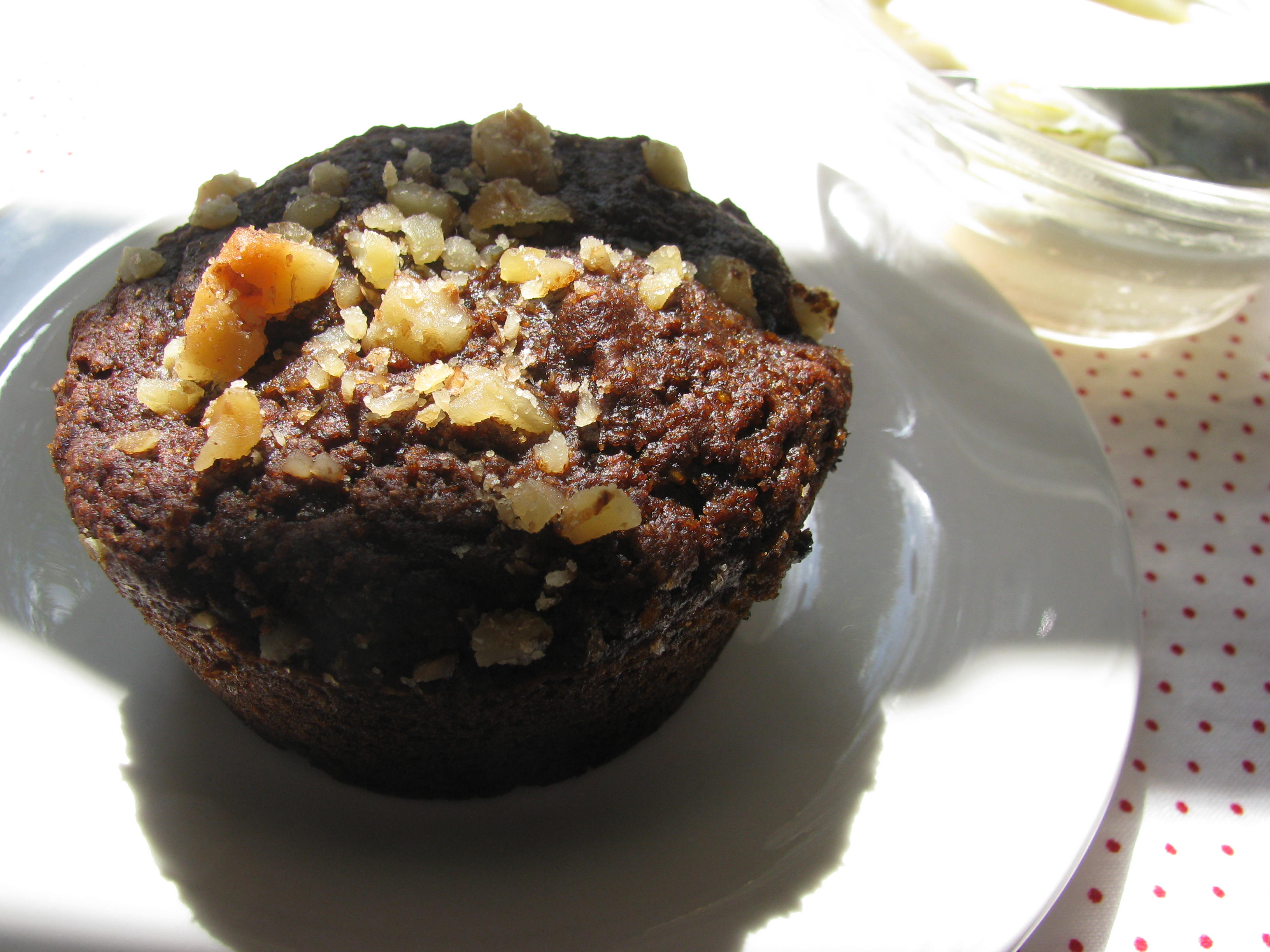
  • I had just a little raw milk that I hadn't used before it turned sour. It's not so tasty on hot cereal, but for muffins… a perfect substitute for buttermilk or yogurt. These bran muffins, a recipe from Jane Kinderlehrer's Smart Muffins Cookbook, are super moist yet contain only 1 tbsp oil for 12 muffins. Unlike traditional bran muffin recipes that contain 1/3 – 1/2 cup oil and 1/2 – 2/3 cup brown sugar, the sweetness in the Buttermilk Bran Muffins comes from molasses and fruit.

    Buttermilk bran muffins 

    Buttermilk Bran Muffins

    2 egg whites, slightly beaten

    1/3 cup molasses

    1 tbsp olive oil

    ¾ cup buttermilk or yogurt (I used sour milk because it’s what I had.)

    1 cup sifted whole wheat pastry flour

    ½ cup oat bran (I had none, so I subbed ¼ c ground flaxseed + ¼ c raw wheat germ.)

    3 tbsp lecithin granules

    2 tbsp wheat germ

    1 tbsp cinnamon

    1 tbsp grated orange rind

    1 tsp baking soda

    1 tsp baking powder

    1 ½ cups blueberries (or ½ cup raisins)

    finely chopped walnuts

    In a mixing bowl, blend together the egg whites, molasses, olive oil, and buttermilk or yogurt. In another bowl, mix together the orange rind and dry ingredients. Preheat oven to 400°. Oil 12 regular-size muffin cups or line with paper baking cups. Combine the two mixtures and mix just to moisten the ingredients. Fold in the blueberries or raisins. Spoon the batter into the muffin cups. Top each with a sprinkling of walnuts. Bake for 15 to 20 minutes. Yield: 12 muffins.

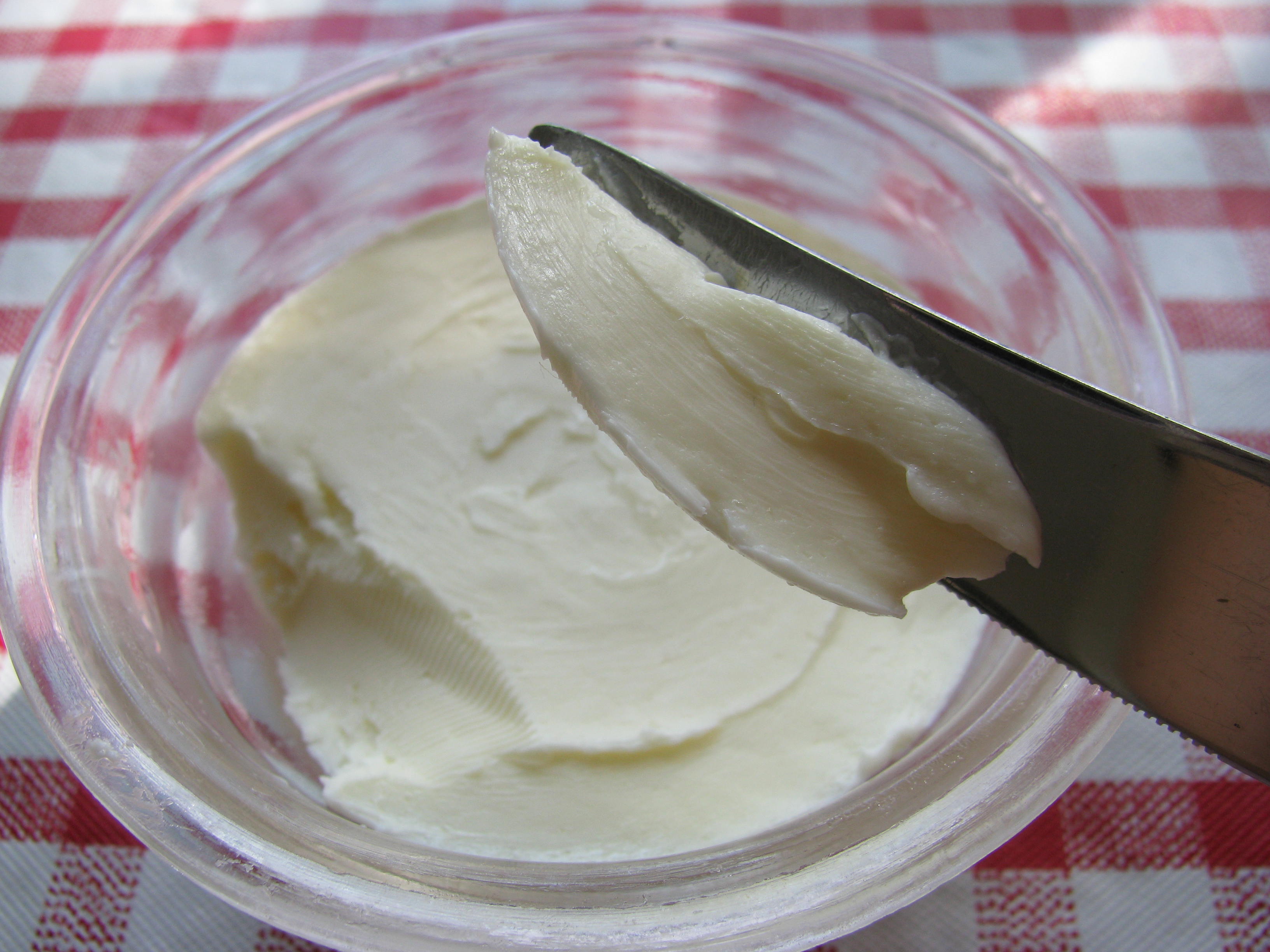
  • O.K., so this is the third week in my 16-week Cultured Dairy and Basic Cheese eCourse taught by Wardeh Harmon. The lesson this week? Cultured Butter. What is the difference between butter and cultured butter? The culturing process introduces probiotics… healthy stuff that is in yogurt and kefir, for example, to improve the balance of beneficial bacteria in the intestinal tract. Look, just look how pretty my homemade butter is… and fresh tasting. Oh, yes!

    Butter cultured homemade 

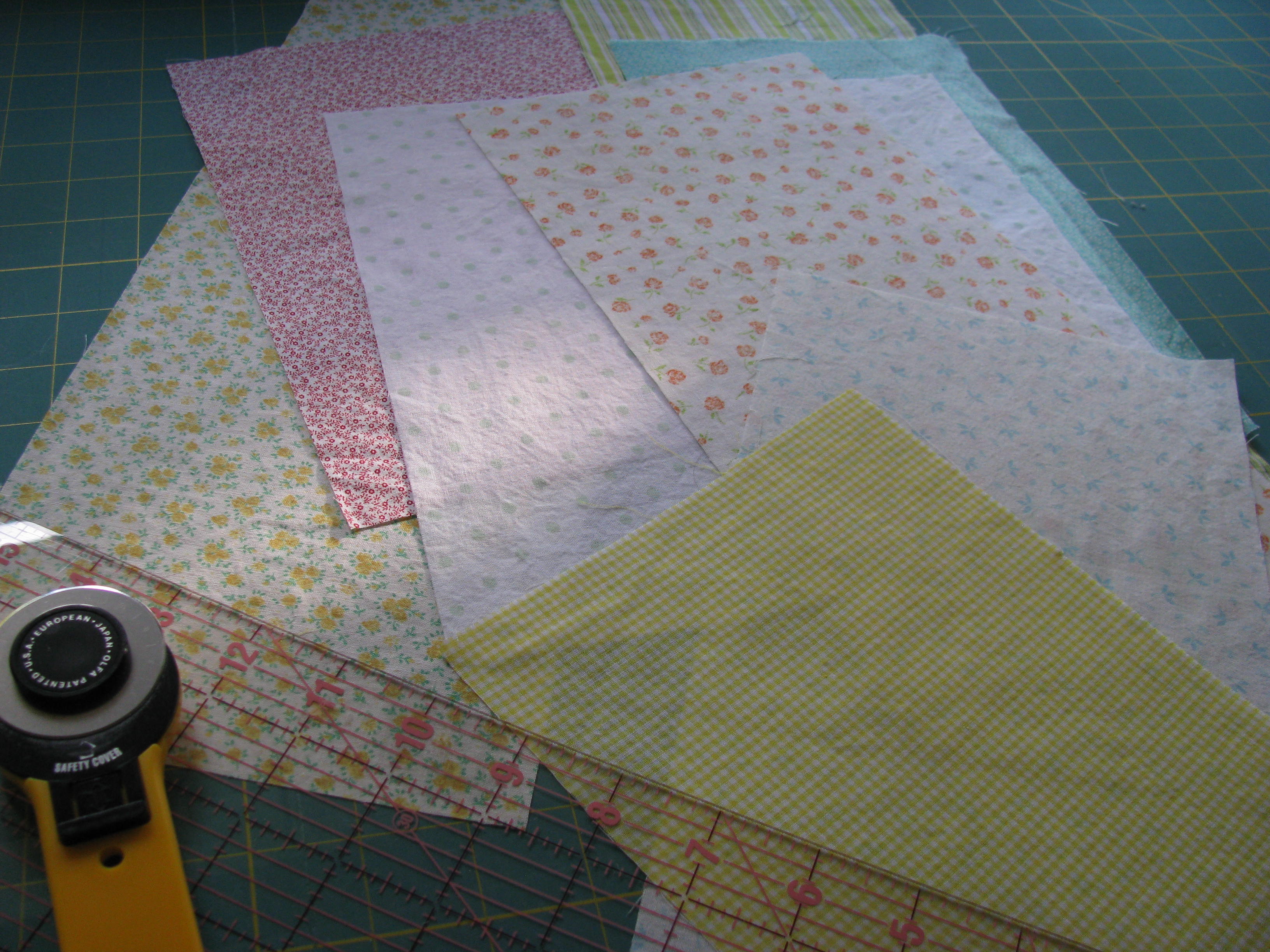
  • My daughter, Jessica, invited me over to her house to scrounge her fabric stash for yardage to make a cover for my down comforter. What you see is the early stages of my handmade duvet.

    Cutting quilt blocks  

    Quilt blocks